Author: Vendrux

  • App-Exclusive Product Drops: How to Turn Scarcity into Sales & Loyalty

    App-Exclusive Product Drops: How to Turn Scarcity into Sales & Loyalty

    App-exclusive product drops have moved from streetwear culture into the mainstream DTC playbook. 

    What started as a hype-driving tactic for sneakerheads is now being used by skincare brands, food companies, and even fast food giants to spark engagement and drive meaningful revenue. 

    At a time when paid ads are pricier than ever and retention is the new acquisition, this play might be one of the most effective you can make for your brand’s long-term success.

    A well-executed drop can spike same-day sales, boost mobile app engagement, and deepen loyalty through anticipation and exclusivity. But it’s not a silver bullet. Brands that win with this tactic understand how to align execution with customer psychology and broader lifecycle strategy.

    Let’s break down how app exclusives work, and how to do them right.

    Vendrux not only helps you create the perfect, high-ROI mobile app, we also make it easy to set up app-exclusive drops that drive big spikes in retention and engagement. Want to learn how? Start with a free preview of your app now.

    What Are App-Exclusive Product Drops?

    An app exclusive product drop is a time- or quantity-limited product release made available only through a brand’s mobile app.

    These products might be:

    • Limited-edition SKUs
    • Collab or influencer tie-ins
    • Seasonal or event-based bundles
    • Early access to future core items

    These products aren’t available for purchase on the brand’s website; only their mobile app. 

    Drops are typically supported by push notifications, SMS alerts, and countdowns that build anticipation and create a sense of urgency. For DTC operators, they serve as a lever for:

    • Activating your most loyal audience
    • Incentivizing app downloads and installs
    • Generating buzz that converts to sales (and installs)

    Why They Work: The Psychology Behind the Drop

    App-exclusives (as well as other exclusive releases, like VIP lists or limited-availability products) are an incredibly powerful strategy. It seems counterintuitive, though. Why would you increase sales by decreasing availability?

    The answer is psychological, but you don’t need to be a shrink to understand the factors at work.

    There are three key levers that make app exclusives so powerful.

    Scarcity = Urgency

    People want what they can’t easily have. When products are limited in quantity or availability, they carry perceived higher value. One survey found that 45% of consumers are drawn to drops specifically because they want access to hard-to-get items.

    Drops tap into FOMO. And FOMO drives action.

    Anticipation = Memory

    Anticipation plays a massive role in making the experience feel memorable and emotionally rewarding. 

    Studies show that when people look forward to something, their eventual experience of it is heightened. That’s part of why 76% of drop participants report feeling “very satisfied” with the experience (even when they pay full price).

    It turns a transaction into a moment.

    Status = Affinity

    When someone gets a product that others can’t, it creates a sense of social capital. Think of limited SKUs like badges of insider access. 

    That exclusivity drives not just satisfaction but increased brand affection. According to one report, 67% of consumers say they feel more positively about a brand after participating in a drop.

    Strategic Benefits of App-Exclusive Product Drops for DTC Brands

    Exclusive drops are a smart way to drive measurable, margin-friendly growth – which is crucial in a time when CACs are sky-high, profit is hard to come by, and many brands are facing uncertain times.

    Here’s how this strategy makes a difference for ecom brands:

    Driving App Installs and Stickiness

    Access to exclusive drops can be the strongest incentive to download and keep your brand’s app installed.

    Unlike offering a one-time discount as an incentive to get the app, exclusive product drops actually give app users a reason to keep the app and stay active (and to keep push notifications turned on).

    Once you have them in the app, they’ll naturally shop more often and spend more (our data shows app users are 6-10x more valuable than the average customer).

    Increased Engagement Without Fatigue

    Unlike routine marketing campaigns, drops feel like events. This makes it easier to reach your audience via push notifications, SMS, or in-app messaging without burning them out.

    The context is exciting, not just promotional, which drives higher open rates and click-throughs compared to your typical “10% off this weekend” promo.

    Higher LTV

    Drops introduce a reason for customers to come back repeatedly. Whether it’s monthly drops or seasonal exclusives, the rhythm creates habitual engagement. 

    Repeat customers tend to buy more over time, and app-based drops make it easy to layer in loyalty programs, upsells, and post-purchase flows that maximize value.

    First-Order Profitability at Full Price

    Because of the scarcity effect, consumers are more likely to pay full price without expecting discounts.

    You’re not forced to throw discounts at customers to convince them to buy. FOMO does the selling for you.

    This is a big win for brands trying to improve contribution margin on first orders and reduce reliance on discounting for conversion.

    Capturing Rich First-Party Data

    App users provide better tracking, more behavior data, and more actionable segmentation. 

    This is super valuable in a time when cookie deprecation and stricter privacy laws are severely limiting the amount of data you’re able to collect on your customers.

    Every drop becomes an opportunity to learn about customer preferences (what they clicked on, when they shopped, what they ignored), which can inform future merchandising and marketing.

    Supporting Brand Positioning and Perceived Value

    Limited releases elevate the perceived exclusivity of your brand. 

    Done well, they can position your products as aspirational without needing luxury price points. That halo effect lifts performance across the full product catalog.

    How to Execute App-Exclusive Drops (A 5-Step Playbook)

    Want to know how to run a successful app-exclusive product drop? Here’s a simple playbook to follow.

    1. Pick the Right Product

    Not everything should be a drop. Choose items that are:

    • Genuinely new or novel
    • Tied to a moment or theme
    • Backed by limited inventory or windowed access

    2. Build the Hype

    • Tease the drop across email, SMS, push and organic social
    • Use waitlists or RSVP pages to gather interest
    • Create content that builds desire (UGC, influencer previews)

    3. Launch Through the App

    • Notify users with push alerts and in-app banners
    • Reinforce urgency (e.g., countdown clocks, “X left”)
    • Use a loyalty mechanic (VIP early access, referral unlocks)

    4. Follow Up Like a Pro

    • Post-drop, send a “thank you” to buyers
    • Create a secondary offer for those who missed out
    • Ask for UGC from those who purchased to drive social proof

    5. Measure and Iterate

    Track:

    • App installs during promo window
    • Push open + conversion rates
    • Drop sell-through time
    • Repeat purchase behavior of drop customers

    Brands Doing Exclusive Product Drops Right

    Here are some real examples of major brands that do exclusives (through their app, or similar exclusive drops through their website) to drive real business results.

    These brands don’t just sell products. They sell experiences, identity, and access. And they prove the point: app-exclusive drops, done right, can build more than hype. They build community and lasting brand equity.

    SKIMS

    SKIMS has built a playbook around high-intensity drops that routinely sell out. 

    Kim Kardashian’s brand uses drops not just to sell products but to build community. Drops are previewed via influencer content, Kardashian’s own account, and TikTok UGC, then pushed via email and SMS with exclusive access to waitlist members. 

    Customers often celebrate their “wins” on social media, reinforcing the brand’s perceived exclusivity. This fuels organic buzz, drives app downloads, and builds FOMO for the next launch.

    Nike SNKRS

    Nike essentially wrote the book on app-exclusive drops. The SNKRS app offers tiered access based on user engagement and history, with geo-targeted releases and gamified launch moments.

    Drops happen with countdowns, lotteries, and push notifications, all designed to replicate the adrenaline of a live event. 

    The result? A sticky user base and consistently sold-out releases.

    Glossier

    Glossier strategically uses drops to test new products and shades. 

    Drops are often preceded by waitlists, influencer seeding, and behind-the-scenes content, and they drum up excitement that grows organically on community channels (like Reddit).

    They’ve used this strategy to launch limited-edition lip colors and skincare sets, then promote user feedback and UGC to guide future core line decisions. It’s both a product and a research tool.

    McDonald’s

    Yes, even McDonald’s has used the play. 

    They partnered with artists like Travis Scott to release app-exclusive meals that fans initially could only access via the mobile app. 

    These campaigns created social media frenzies and drove record-breaking app downloads, proving that exclusivity works even in QSR.

    Telfar

    Luxury fashion disruptor Telfar plans exclusive drops for their bags on a limited availability basis.

    The releases sell out in minutes, reinforcing the cultural cachet of the brand. Their playbook blends scarcity with social equity, deliberately avoiding wholesale or retail partnerships to keep control of distribution and build a direct customer connection.

    Ffern

    Ffern is a standout in the fragrance category, largely because it fully embraces scarcity as a core growth strategy.

    The brand only releases four fragrances a year, one per season, and each edition is made to order. Customers must be on “The Ledger” (Ffern’s version of a waitlist) to receive it.

    This seasonal model creates built-in urgency. Once a fragrance edition is locked and production begins, no additional units are made. FOMO isn’t a side effect of their strategy – it’s a feature.

    Mistakes to Avoid

    Understand this: app-exclusives are great, but not a magic bullet. You’ve still got to execute well.

    Even the best-executed drop can fall flat (or worse, damage trust) if you don’t watch out for the common pitfalls.

    Here are the most frequent mistakes DTC brands make with app-exclusive drops:

    Overuse

    If every week is a drop, customers stop caring. 

    Scarcity only works when it feels rare. Drops should be spaced out to feel like special events, not just another Thursday. 

    A quarterly rhythm (like Ffern) or monthly cadence (like SKIMS) works better than flooding the calendar.

    Tech problems

    Nothing can turn an exclusive drop sour like a tech outage.

    If you’re doing app-exclusive product drops, make sure your app is stable and battle-tested for traffic surges.

    A crash during launch or buggy UX kills trust and conversions. 

    Prioritize infrastructure that supports high concurrency, smooth checkout, and fast load times. Consider staging your drop to segments if you’re unsure of scale.

    No follow-up

    A drop isn’t a one-time win. Without a strong follow-up flow, you lose the momentum. 

    Always build in post-purchase touchpoints: thank-you messages, loyalty offers, cross-sells, and upcoming drop previews. 

    The goal is to keep buyers in a loop, not just celebrate a one-off win.

    Poor segmentation

    Sending the same drop message to your entire list is a missed opportunity. 

    Use app activity, past purchase behavior, and engagement signals to tailor who gets early access, who gets a reminder, and who might need extra incentive.

    Ignoring the data

    Drops are goldmines of insight. 

    What converted fast? What didn’t? Did push notifications outperform SMS? Was there cart abandonment at scale? 

    Use post-mortems to refine your next launch. Every drop should teach you something.

    Lack of narrative

    If the drop lacks story, context, or meaning, it’ll feel transactional. 

    Use creative, founder notes, or seasonal tie-ins to make the drop feel like a moment. 

    Remember: you’re not just selling product, you’re building anticipation and emotional engagement.

    Want to start using app-exclusives to scale engagement, brand loyalty and revenue for your biz? We’ve got you covered on the app. Vendrux helps you launch an app for your brand with zero fuss, minimal cost, and no ongoing management required. Get a free preview now to see how it works.

    Final Word: Why This Matters in 2026

    With CAC high, privacy tightening, and paid social in flux, owned-channel engagement is your best friend. Mobile is the new storefront. Exclusive drops are the perfect blend of urgency, loyalty, and data capture.

    Make your products – and your brand – feel exclusive, memorable, and worth talking about. Do that, and you’ll build more than just a spike in sales. You’ll build fans who come back, again and again.


  • Android vs iOS Market Share: Most Popular Mobile OS in 2026

    Android vs iOS Market Share: Most Popular Mobile OS in 2026

    The smartphone market is a two-player game. 

    Android and iOS together account for over 99% of all mobile devices worldwide. Every other mobile operating system is either dead or statistically irrelevant.

    So which platform is actually winning? That depends on what you’re measuring. 

    In this guide, we break down the latest market share data across regions, countries, app stores, and revenue to give you the full picture for 2026.

    Want to launch an app, but not sure which platform to build it for? With Vendrux, you can easily launch apps for both iOS and Android, with no extra lift. Click here to learn more about how we can help you launch the perfect iOS and Android apps.

    Android vs iPhone Market Share: Which Smartphone OS Is More Popular?

    According to StatCounter data, Android holds a 70.36% global market share compared to iPhone’s 29.25%.

    In raw numbers, that translates to approximately 3.9 billion Android users versus 1.56 billion iPhone users worldwide.

    There are roughly 4.7 billion smartphone users globally, though the total number of active smartphone devices is higher (over 7 billion) since many people own more than one device.

    Android’s dominance comes primarily from its availability across hundreds of manufacturers at every price point. Samsung leads with about 31% of the Android vendor market, followed by Xiaomi (16%), Vivo (11%), and Oppo (10%). Apple, of course, is the sole manufacturer of iOS devices.

    Key Android vs iOS Statistics

    In the US, the market share data flips: iOS is the clear winner with nearly 60% of the market.

    Let’s dive into more Android vs iOS statistics now.

    Market Share by Country

    The split between Android and iOS varies significantly by country. In wealthier markets, iOS tends to lead or run close to even. In emerging markets, Android dominates by wide margins.

    Country iOS Android
    United States 59.8% 40.0%
    Canada 60.9% 38.8%
    United Kingdom 49.7% 49.8%
    Germany 41.2% 57.9%
    China 22.3% 77.3%
    India 4.8% 94.9%

    Source: StatCounter

    A few things stand out. 

    • The US and Canada remain strong iOS markets, with Apple holding roughly 60% in both countries.
    • The UK is now essentially a coin flip, with Android and iOS virtually tied at just under 50% each. 
    • In India, Android’s dominance is nearly total at 95%.

    Market Share by Continent

    Zooming out to a continental level, the pattern is clear: iOS leads in North America and Oceania, while Android dominates everywhere else.

    Region iOS Android
    North America 58.7% 41.0%
    Oceania 56.9% 42.3%
    Europe 39.0% 60.5%
    Asia 18.7% 80.9%
    South America 18.3% 81.5%
    Africa 15.8% 83.0%

    Source: StatCounter

    One notable shift: Europe has moved significantly toward iOS over the past couple of years. iOS now holds 39% in Europe, up from around 33% previously. 

    That’s a meaningful gain and reflects growing iPhone adoption across Western European markets.

    Mobile Operating System Market Share: 2009 to Present

    The smartphone market looks nothing like it did 15 years ago. 

    In 2009, the landscape was fragmented across Symbian, BlackBerry, Windows Mobile, and the early versions of iOS and Android.

    Android didn’t overtake iOS in global market share until 2012. By 2017, it had crossed 70% worldwide and has hovered in the 70-73% range ever since. iOS has remained stable in the 27-30% range during the same period.

    Every other platform has effectively disappeared. Symbian is gone. BlackBerry is gone. Windows Phone is gone. 

    The market consolidated into a duopoly, and it’s been that way for nearly a decade.

    Mobile OS Market Share Trends in the US

    The US is an exception to the global pattern. iPhone has been the dominant smartphone platform in America for years, and that hasn’t changed.

    As of 2026, iOS holds 59.8% of the US mobile market compared to Android’s 40%.

    That’s remained relatively stable, fluctuating within a few percentage points year to year.

    The reasons are partly economic (higher average incomes support premium device pricing), partly ecosystem-driven (iMessage, AirDrop, and Apple’s integrated ecosystem create strong lock-in), and partly cultural. In the US, the iPhone is the default, especially among younger demographics.

    Android vs iOS App Store Statistics

    Both the Google Play Store and Apple App Store are massive, but the gap between them has narrowed significantly.

    Metric Google Play Apple App Store
    Total apps 2.21 million 2.12 million
    Free apps 97.0% 95.2%
    Paid apps 3.0% 4.8%
    Gaming apps 12.1% 10.0%
    Non-gaming apps 87.9% 90.0%

    Source: 42matters

    This is a big change from previous years. Google Play used to have roughly twice as many apps as Apple. That’s no longer the case. 

    Google undertook a major cleanup effort, removing millions of low-quality and abandoned apps from the store. The result is that both stores now sit at roughly the same size, around 2.1-2.2 million apps.

    The distribution of free vs paid apps is similar on both platforms, with free apps making up the vast majority. 

    Apple has a slightly higher percentage of paid apps (4.8% vs. 3.0%), which aligns with its user base’s greater willingness to pay.

    iOS vs Android Revenue Statistics

    Despite Android’s much larger install base, iOS generates significantly more revenue.

    In 2025, total global consumer spending on mobile apps and games reached $155.8 billion, up 21.6% year-over-year. iOS accounted for approximately 70% of that spending.

    Category Total (2025) iOS Share
    Total spending $155.8 billion ~70%
    Gaming $72.2 billion ~61%
    Non-gaming apps $82.6 billion ~75%
    Subscriptions $79.5 billion ~73%

    Sources: Appfigures via Dataconomy, Business of Apps

    There are a couple of things worth highlighting.

    First, 2025 marked the first year that non-gaming apps generated more revenue than games

    Non-gaming spending hit $82.6 billion (up 33.9% year-over-year) while gaming came in at $72.2 billion. This is a significant shift from even just a few years ago when gaming dominated mobile revenue.

    Second, subscription revenue has exploded

    At $79.5 billion, subscriptions now account for roughly half of all consumer spending on mobile apps. iOS users drive nearly three-quarters of that, which explains why the App Store remains so much more lucrative for developers despite having fewer users.

    The bottom line: Android has the users, but iOS has the wallets. If you’re building a business on mobile, you can’t afford to ignore either platform.

    Android vs iOS Market Share (Tablets)

    The tablet market tells a slightly different story from smartphones. Apple’s iPad still leads, and it’s actually gained a bit of ground recently.

    Platform Tablet Share (Jan 2026)
    iOS (iPadOS) 55.9%
    Android 43.8%

    Source: StatCounter

    Back in 2012, Apple controlled around 85% of the tablet market. Android tablets gradually chipped away at that lead throughout the 2010s. 

    But the current split of roughly 56/44 in Apple’s favor has held fairly stable, and iPad has actually regained a few points recently.

    Other Players in the Mobile OS Market

    Beyond Android and iOS, there’s not much left. Here’s the complete breakdown of mobile operating systems according to StatCounter’s data:

    Operating System Market Share
    Android 70.36%
    iOS 29.25%
    Samsung 0.25%
    KaiOS 0.02%
    Linux 0.01%
    Other / Unknown 0.11%

    Source: StatCounter

    It wasn’t always this way. In 2012, Symbian, BlackBerry OS, Series 40, and Windows Phone all held meaningful market share. By 2026, every one of those platforms is gone. 

    The mobile OS market is a two-player game, and there’s no realistic challenger on the horizon.

    Samsung’s Tizen still technically exists at 0.25%, primarily on older devices in specific markets. KaiOS, which powers basic feature phones, registers at 0.02%. Neither is relevant for app development or mobile strategy decisions.

    Is It Better to Develop for Android or iPhone?

    If you’re deciding where to launch a mobile app for your business, the answer is straightforward: develop for both.

    Android and iOS together represent over 99.6% of the global smartphone market. Choosing one platform means leaving a massive portion of potential users on the table. 

    If you go iOS-only, you’re missing 70% of the world’s smartphone users. If you go Android-only, you’re missing the platform that generates 70% of app revenue.

    The traditional barrier has been cost. Building native apps for both platforms means two separate codebases, two development teams, and double the maintenance. That’s a significant investment, easily $100K+ for a custom build, plus ongoing costs.

    That’s where a different approach comes in. 

    Instead of building two separate apps from scratch, you can extend your existing website into native iOS and Android apps. 

    Your website already has your full product catalog, checkout flow, account management, and every integration you’ve set up. A native app built on top of your website inherits all of that, without rebuilding anything.

    With Vendrux, your website becomes a fully native mobile app on both platforms. You keep your entire existing tech stack. Every update you make to your website is instantly reflected in the app. And you unlock native features like push notifications, a home screen icon, and an App Store and Google Play presence, all without separate development projects.

    We’ve built 2,000+ apps for brands across every major ecommerce platform, including Shopify, WooCommerce, Magento, Salesforce Commerce Cloud, and custom-built sites.

    Curious whether a mobile app makes sense for your brand? Book a free strategy call to see your website as a native app. No commitment.

  • 37 Amazon Statistics for 2025 (Order Volume, Market Share, Amazon Prime)

    37 Amazon Statistics for 2025 (Order Volume, Market Share, Amazon Prime)

    Looking for the latest, most insightful, craziest Amazon statistics? We’ve got it all for you right here.

    The company has come a long way from its beginnings in Jeff Bezos’ garage. Amazon is now the biggest name in eCommerce, and one of the biggest companies in the world, as you’ll see from the statistics that are to follow.

    Stick around and buckle in for all the latest data behind the company that reinvented online shopping.

    Want to learn more? Check out this video from our YouTube channel:

    Want weekly insights into how 7, 8 and 9-figure brands are driving sustainable growth? That’s what you get with our value-packed newsletter, The Retention Edge.
    Subscribe for free today!

    Amazon’s Market Share

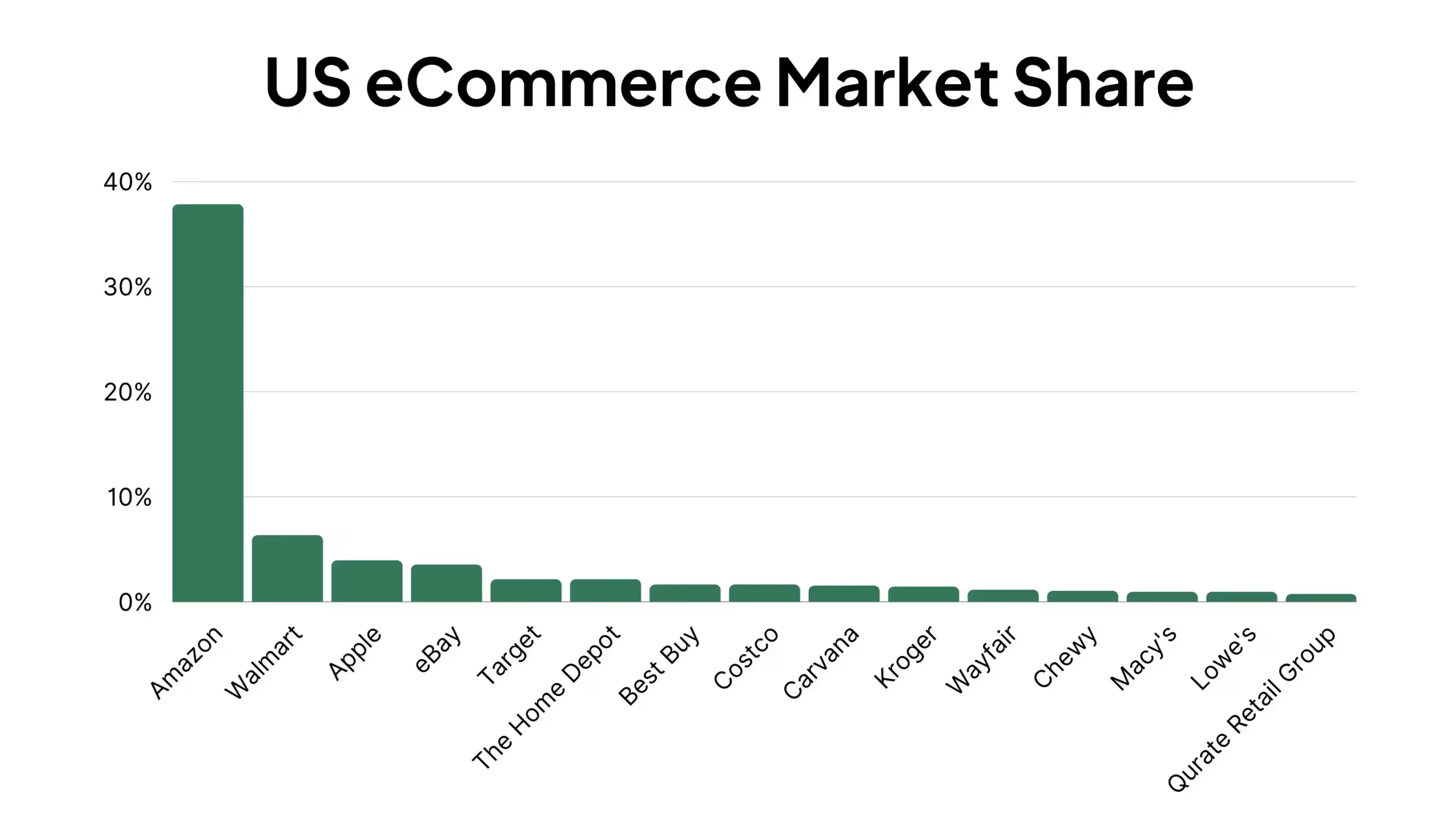
    Let’s start with proof of Amazon’s dominance over the eCommerce industryAmazon has 37.8% of the US eCommerce market share. No other company has more than 10%, with their closest rival, Walmart, at just 6.3%.

    Data Source

    It’s not just online where Amazon controls a significant portion of the market. They hold 10.4% of the overall retail market share in the United States, second only to Walmart.

    Data Source

    Worldwide, Amazon also ranks top when it comes to eCommerce. Statista reports that Amazon.com accounts for more than 20% of all desktop visits to online shopping marketplaces, while Similarweb shows Amazon.com as the #1 eCommerce website in the world in terms of monthly visits.

    Data Source

    Amazon Revenue, GMV, Order Volume and User Statistics

    How does being the #1 eCommerce site in the world look in terms of revenue and orders?

    Let’s have a look at a few key statistics you need to know.

    Amazon Made $513.98 Billion Net Revenue in 2022

    Amazon’s yearly net revenue totals nearly $514 billion US.

    Data Source

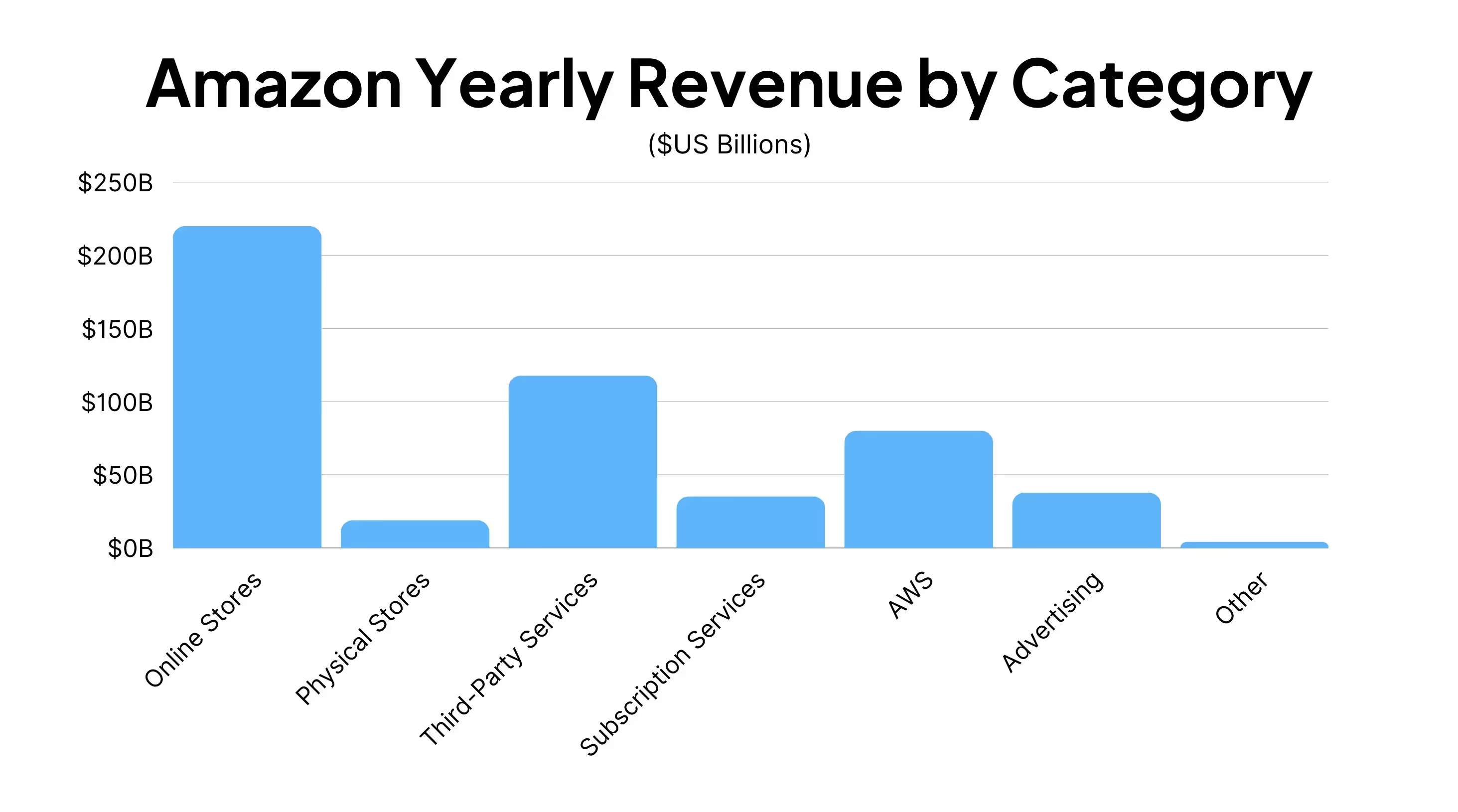
    Yet only a little over half of Amazon’s revenue actually comes from eCommerce. Per Statista, the company generates $220 billion in net sales revenue from online stores, along with $117.72 billion from services related to third-party sellers (much of which is commission and fulfillment fees).

    The rest comes from advertising, subscription services (such as Amazon Prime fees) and revenue from Amazon Web Services (AWS).

    Data Source

    Amazon’s Gross Merchandise Value (GMV) Totals $692.8 Billion

    If we’re just looking at how much product Amazon goes through, the numbers are staggering.

    Worldwide, Amazon does nearly $700 billion in product sales. More than half of this comes from the US marketplace ($362.7 billion GMV, 52.35% of total sales), with Japan coming in second ($64.9 billion GMV, 9.37% of total sales).

    Data Source

    Amazon is Still Growing at 10% Year on Year

    Though Amazon is already one of the biggest companies in the world, it keeps getting bigger. Among the top 15 eCommerce retail companies in the US, Amazon ranks as the 4th fastest growing company.

    The company is projected to grow by 9.9% in 2023, and 11.7% in 2024 – which would put it as the 2nd fastest growing company at that time.

    Data Source

    Amazon Ships 1.6 Million Packages Per Day

    How many orders does amazon get per day?

    Data shows that Amazon ships a massive 1.6 million packages per day.

    That’s over 66,000 packages per hour, and over 1,000 per minute.

    Small US Businesses Sell More Than 4,000 Items Per Minute on Amazon

    Amazon reports that small and medium sized businesses on their platform sell over 4,000 products per minute.

    These businesses make up a large portion of the 2 million+ individual sellers on Amazon’s third-party marketplace.

    More Than 350 Million Products Are Sold on the Amazon Marketplace

    The total number of products on Amazon, including those from third-party sellers, is in excess of 353 million.

    Amazon itself sells over 12.2 million products, through Amazon-owned brands such as Amazon Basics.

    Amazon Has Over 300 Million Active Users

    As of 2022, the number of Amazon users totaled more than 300 million. This includes online shoppers in over 100 countries around the world.

    Amazon Sites Have Over 230 Million Unique Visitors Per Month

    Amazon websites (including Prime Video and AWS) receive 231 million unique visitors per month. That puts it below only Google, Microsoft and Facebook websites as the companies with the most visitors across all properties in the United States.

    The Average American Spends $91.75 on Amazon Per Month

    A study by Upgraded Points found that, on average, Americans spend $91.75 on Amazon each month.

    The state with the highest monthly Amazon spend was Tennessee, with an average of $124.22 per month.

    The study also found that 25% of Americans shop on Amazon more than once a week.

    Amazon Prime Statistics

    A large reason for Amazon’s success is their subscription service, Amazon Prime, which offers free and fast delivery, exclusive discounts and more.

    Let’s look at some of the top statistics that underline the impact of Amazon Prime on the eCommerce landscape.

    There are 168 Million Amazon Prime Members in the US

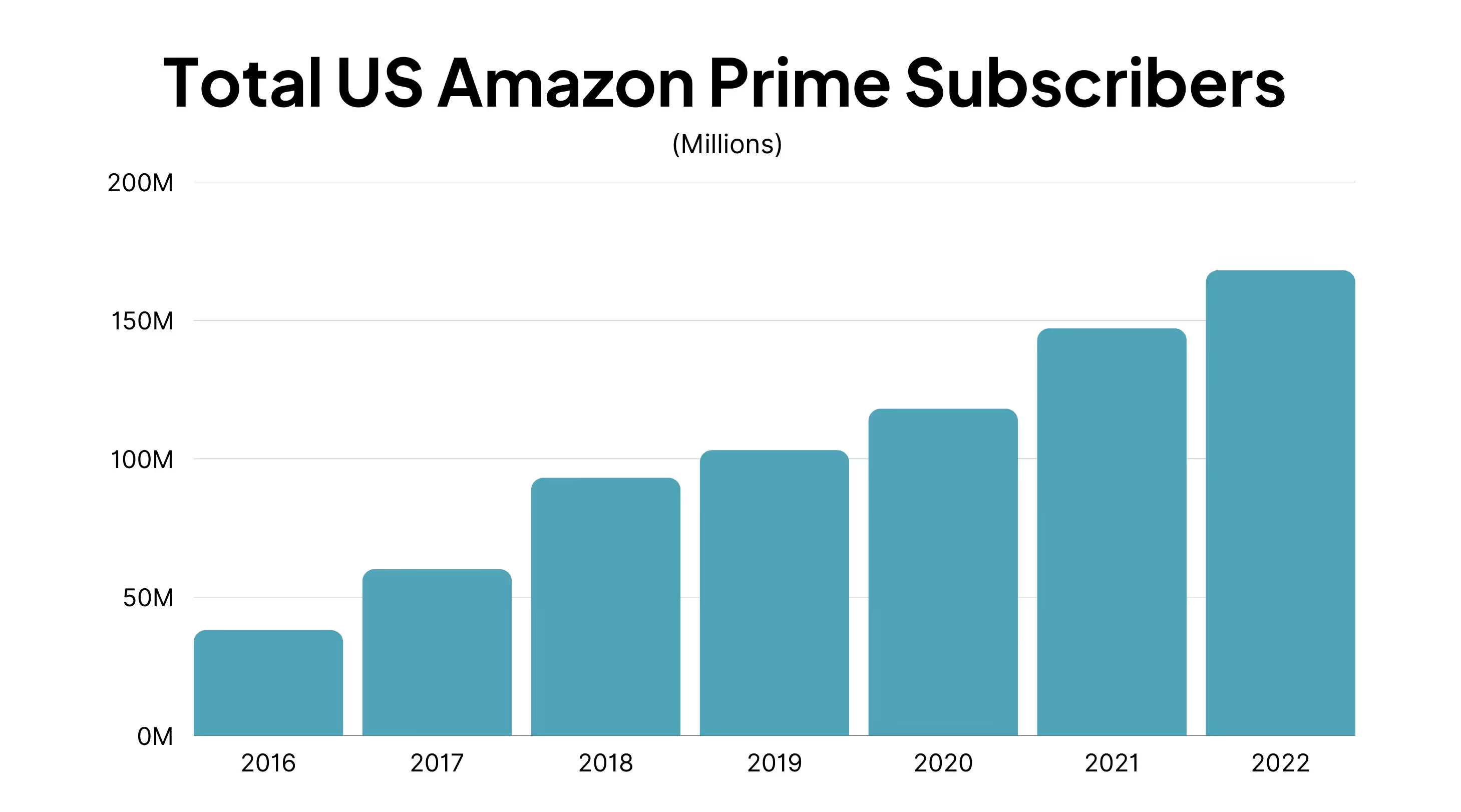
    As of 2022, Amazon Prime had over 168 million members in the United States. Approximately half of the US population has a Prime Membership.

    More than 76.6 million households in the United States have at least one Amazon Prime membership, which makes up 58% of all US households.

    Data Source

    Amazon Prime Has Over 220 Subscribers Worldwide

    Worldwide, Amazon Prime subscribers total more than 220 million.

    This number has more than doubled since 2018, and increased more than 4.5x from 46 million in 2016.

    Data Source

    Amazon Prime Members Spend an Average of $1400 on Amazon Per Year

    Data from Statista finds that Amazon Prime members in the US spend, on average, $1400 per year on Amazon.

    In comparison, the data showed that non-Prime members spend just $600 per year.

    82% of Americans Born Between 1980 and 1989 are Prime Members

    A survey by Statista conducted in late 2022 showed that 82% of Americans born in the 1980s have an Amazon Prime membership.

    This age group is that most likely to use Amazon Prime, while 80% of millennials reported to be Amazon Prime members.

    US Prime Day Sales Topped $12.7 Billion in 2023

    Prime Day has become one of the biggest shopping events of the year, reaching close to Black Friday-Cyber Monday in total sales.

    2023 was the biggest Prime Day to date, with $12.7 billion in sales during the two-day event spent in the US. For perspective, Cyber Monday accounts for around $11 billion in online sales.

    Prime Day sales have tripled since 2018, jumping from $4.1 billion to the current number.

    Data Source

    Prime Members Purchased Over 375 Million Items During Prime Day 2023

    The first day of 2023’s event turned out to be the biggest single day of sales in Amazon’s history, with over 375 million items purchased by Prime Members worldwide.

    This included an aggregate $2.5 billion saved on Prime Day specials compared to regular prices.

    The Average Order Value on Prime Day 2023 Was $58.67

    The Prime Day orders in 2023 averaged $58.67 per order.

    This indicates a lot of value for consumers on Prime Day, with the average order value around half the usual AOV for eCommerce of $125.66.

    It may be more inline with the overall average order value on Amazon, which aged data puts at $47.31, and is now more likely in the range of $50-$55.

    Want to boost mobile AOV on your store by up to 15%? Do this, and more, by building an app. Our eCommerce App Revenue Calculator shows just how much your brand can gain from launching your own app today.

    Amazon Mobile Statistics

    Amazon, like many eCommerce businesses, is part of a global revolution in which more and more shoppers are choosing to shop on mobile first.

    US mobile eCommerce sales are currently around $431 billion per year, and projected to grow to $710 billion by 2025. Mobile commerce makes up approximately 38% of all US digital sales.

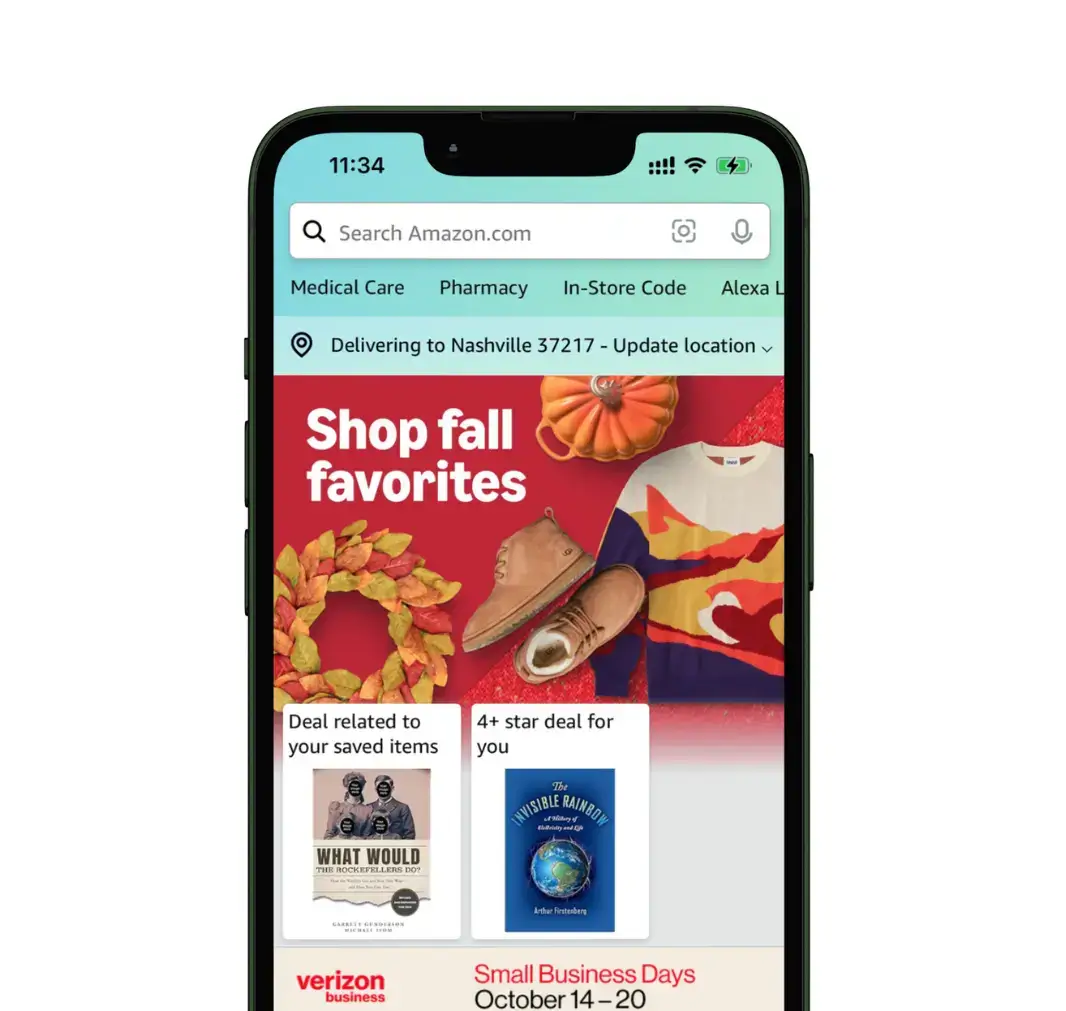
    To no surprise, Amazon is ahead of the curve on mobile, with a perfectly responsive and optimized mobile website and a user-friendly mobile app.

    Here are some statistics on the Amazon Shopping app and their mobile shopping experience in general.

    Mobile apps are key to Amazon’s strategy, and they should be for any other brand too – big or small. To see how you can build an app for your brand and get in the app stores next to other huge names, check out Vendrux, and learn how we help you launch an app that almost guarantees a positive ROI.

    Amazon Shopping Has 7.7 Million Ratings on the Apple App Store

    Considering the small amount of people who write reviews for apps they download, the 7.7 million app store reviews for the Amazon Shopping app gives you an idea of just how many people shop on Amazon via the app on iPhone alone.

    And the app has an average rating of 4.8 out of 5. Not bad.

    Amazon Shopping Has Over 500 Million Downloads and More Than 3.5 Million Reviews on Google Play

    Amazon is clearly popular with Android users too, with over half a billion total downloads and an average rating of 4.2 out of 5.

    The Amazon app is one of only five shopping apps with over 500 million downloads from the Google Play Store, alongside AliExpress, Flipkart, Wish and Vivo.com.

    The Amazon App is the 3rd Ranked Shopping App in the Apple App Store for the US

    The Amazon Shopping app is consistently one of the most downloaded shopping apps in the App Store, particularly in the US.

    However, it has faced competition of late from new competitors, with apps from Temu and Shein generating more new downloads to become the top 2 most popular shopping apps in the App Store.

    The Amazon App is the 4th Ranked Shopping App in the Google Play Store for the US

    It’s a similar story for Android users, with Amazon’s app ranking 4th in the Google Play Store.

    This puts it behind Temu and Shein again, as well as Walmart’s shopping app.

    The Amazon iPhone App Had 25.46 Million Downloads in 2021

    Amazon Shopping ranked #1 in the App Store for shopping apps in 2021 with 25 million new downloads, 8 million ahead of the next highest, Shein.

    The Amazon App Had 5.5 Million Downloads in August 2022

    Though the Amazon app already has a huge mobile user base, its numbers continue to grow.

    Apptopia reported that the app hit a new record for monthly US downloads in August of 2022, when it brought in 5.5 million new downloads – up 65% year-on-year.

    The Amazon Shopping App Has an Average of 98 Million Monthly Active Users in the US

    Data from Statista states that Amazon’s app has a monthly audience of 98 million active users.

    This is not enough to make it the most widely used shopping app in the US, however, as it’s second to Walmart – which has 120 million active users.

    Over 150 Million People Shop on the Amazon App Each Year

    The Amazon shopping app has 150.6 million total users who use the app at least once a year.

    App Users Make Up 42% of Amazon Mobile Visitors

    According to data cited in Business Insider, nearly half of Amazon’s smartphone users shop on the app.

    App users account for 42% of mobile visits, with the other 58% shopping online via the browser.

    App Users Spend 12.8 Billion Minutes Per Month in the Amazon App

    The same data cited above shows that Amazon users spend a total of 12.8 billion minutes per month in the app.

    Mobile browser users, despite making up more than half of all visits, only average 2.4 billion minutes per month on the Amazon website.

    Learn more about how the Amazon app seamlessly blends web and mobile technologies to deliver a seamless user experience across all channels.

    More Fascinating Amazon Statistics

    If that’s not enough for you, here are some more incredible Amazon statistics that offer insight into the world’s leader in eCommerce.

    Why People Shop on Amazon

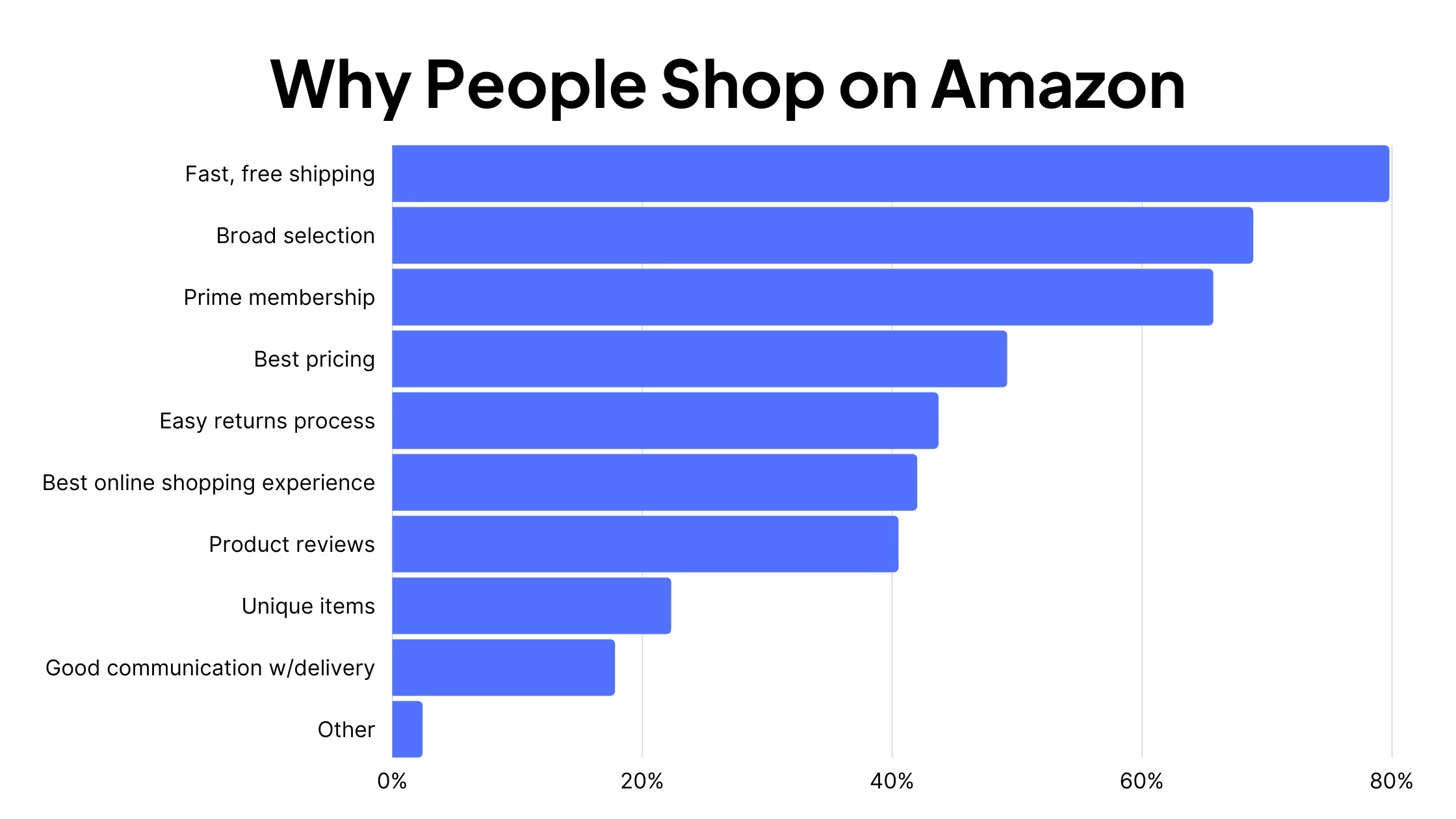
    A 2020 study looked at the most popular reasons people give for shopping on Amazon.

    The most common reason people buy products from Amazon is for Fast and Free Shipping, a driving factor for 79.8% of Amazon customers.

    68.9% of people shop on Amazon because they have a Broad Selection of Products, while 65.7% shop on Amazon because they are a Prime Member.

    Data Source

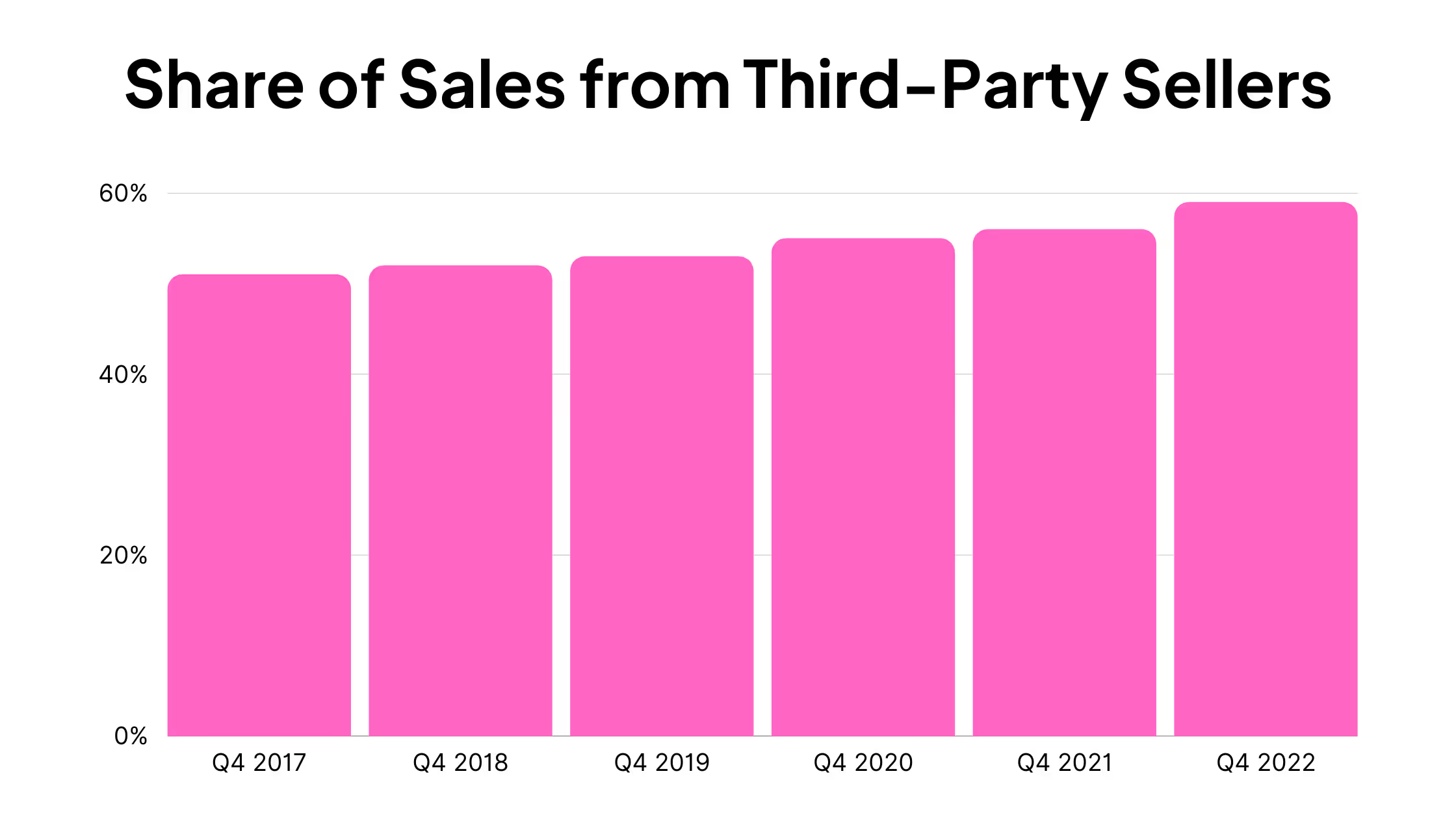
    Third-Party Sellers Account for 59% of Sales on the Amazon Platform

    As of the end of 2022, third-party Amazon sellers made up more than half and a little under two-thirds of all sales on the Amazon marketplace.

    This share has been steadily increasing each year, rising from 51% at the end of 2017 to 59% now.

    Data Source

    15,000 Amazon Sellers Drive Half of Amazon’s Third-Party GMV

    Though there are millions of independent sellers operating on the Amazon platform, a small percentage of these sellers bring in a majority of the revenue.

    Marketplace Pulse reports that 15,000 Amazon sellers are responsible for nearly half of all third-party marketplace sales.

    This small group makes up less than 1% of all Amazon sellers.

    While there are 240,000 sellers doing more than 1,000 orders per year, just 15,000 Amazon sellers generate more than 100,000 orders per year each, making up more than 1.5 billion yearly orders in total.

    45% of US Brands Sell on Amazon

    A Feedvisor study of 1,000 US eCommerce brands found that 45% of brands sell on the Amazon marketplace.

    43% of brands reported selling on their own website and 31% also have brick and mortar stores. In terms of competing marketplaces, 25% of brands said they sell on Walmart, and 15% sell on eBay.

    Data Source

    75% of Consumers Check Prices on Amazon

    Feedvisor’s report finds that for three out of four customers, Amazon is the first place they go to check product information.

    75% of people report that, before they make a purchase, they go to Amazon to check prices, reviews and other information.

    56% of Consumers Start Their Product Search on Amazon

    Over half of consumers start their search for something to buy on Amazon.

    For 56% of people, Amazon is step one in the buying journey, well ahead of Google (21%) and Walmart 12%).

    Amazon Does $35 Billion in B2B Sales

    The growing B2B marketplace Amazon Business is now responsible for $35 billion in annual sales.

    This marks strong growth, up from $25 billion in 2020, and just $1 billion in 2016.

    Data Source

    Amazon Has Over 400 Private Label Brands Doing More Than $1 Billion in Revenue

    Marketplace Pulse revealed that Amazon has at least 406 private label brands. These brands have over 23,000 products in total.

    Amazon makes approximately $1 billion in sales from its own private label brands, which represents a small percentage of its overall sales.

    Summing Up

    Amazon is a great example for any eCommerce brand to follow when it comes to customer experience best practices – the results speak for themselves.

    With the e-commerce market share Amazon commands, plus the trust it conveys to consumers, Amazon’s marketplace also presents a great opportunity for Amazon sellers to reach a wider audience and increase their sales (along with the convenience of Amazon FBA for order fulfillment).

    Yet it’s unwise to rely entirely on a platform like Amazon, where you don’t have control over your traffic and audience. Brands still need a presence outside Amazon and other third-party marketplaces, where they can communicate directly with their customers and take control over their audience.

    Brands should ensure they have their own store, CRO optimized and optimized for mobile shoppers. Better yet, follow Amazon’s lead by building your own mobile app to build an even better connection with your customers on mobile.

    To explore how you can create an app for your eCommerce store, for a minor investment and with zero mobile app experience necessary, check out Vendrux. We help you ship an app that legitimizes your brand, without the hundreds of thousands that building apps usually costs.

    Learn more here, or get in touch with us to book a free demo, and see how easily you can level up your business with a branded shopping app.

    Sources

    Amazon.com | Statista | Retail Info Systems | Similarweb | Statista | Statista | ecommercedb | eMarketer | Market.us | 360pi | Investing.com | Statista | CIRP | Statista | Business of Apps | Amazon SMB Impact Report | UpgradedPoints | Statista | Statista | eMarketer | Amazon | Numerator | Statista | Feedvisor | AppFigures | Statista | Business Insider | Apptopia | Statista | MarketplacePulse | Marketplace Pulse | Marketplace Pulse

  • How the Amazon App Uses a Hybrid of Native and Web Technologies to Stand Out

    How the Amazon App Uses a Hybrid of Native and Web Technologies to Stand Out

    The Amazon Shopping app is one of the most popular shopping apps worldwide, and its ability to offer a seamless user experience across both Android and iOS is key to its success.

    But many people wonder: How is the app built?

    The answer lies in a hybrid approach.

    Amazon combines native app components with WebViews (a method of displaying web content inside an app).

    This approach allows Amazon to leverage the strengths of both native and web technologies, and it results in a flexible, efficient, and user-friendly shopping experience.

    Vendrux, similar to Amazon’s approach, helps websites become mobile apps by using web technologies inside a native app shell.

    In this article, we’ll dive deeper into how the Amazon app is built, specifically focusing on how it utilizes hybrid development to maximize efficiency, without sacrificing on the customer experience.

    We’ll then show how we can help you take a similar approach to the world leader in eCommerce, by converting your site to an app with Vendrux.

    Mobile app users spend more, shop more frequently, and are more loyal to your brand. Use our eCommerce App Revenue Calculator to see just how much you stand to gain by launching an app.

    Native Components in the Amazon App

    Let’s take a look at a few parts of the Amazon Shopping app that are native (meaning built specifically for the app):

    Nav Bar

    __wf_reserved_inherit

    The navigation bar is a native element. It helps users move between key areas of the app, like home, categories, and their account. This is designed to be quick and responsive, making it easier to navigate large sections of the app without delays.

    Native Menus

    The menus are also native, ensuring smooth interaction when users browse options like settings or product categories. Native menus load instantly, avoiding any delays that web-based menus might introduce.

    Search Controller

    __wf_reserved_inherit

    The search controller is another critical native feature. Since searching is one of the most frequent actions in the app, Amazon uses native code to make it fast and responsive. Users get suggestions as they type, and search results load quickly, improving the overall experience.

    Push Notifications

    Push notifications are native too. They rely on the app’s direct integration with the phone’s system. Native code is used here to ensure notifications are timely and relevant, such as updates on orders, special deals, or recommended products.

    Camera Integration

    __wf_reserved_inherit

    Finally, Amazon uses native access to the phone’s camera. This feature is key for scanning barcodes or QR codes, allowing users to quickly find products or track deliveries.

    These native components work together to ensure the app feels fast, responsive, and integrated with the device, similar to how Vendrux builds native wrappers for websites to provide a seamless app experience.

    Vendrux’s Approach

    For eCommerce brands, Vendrux creates mobile apps that directly improve customer engagement and sales. 

    By delivering a more convenient shopping experience, mobile apps increase session frequency and repeat purchases. Push notifications remind users about offers, cart abandonment, and order updates, bringing them back to shop.

    Features like faster load times, one-tap checkout, and optimized mobile navigation reduce friction and boost conversions. Customers are more likely to complete purchases when the experience is smooth, leading to higher retention and long-term loyalty.

    WebView Usage in the Amazon App

    Amazon relies on WebViews to load dynamic content like product pages, reviews, and promotions. 

    __wf_reserved_inherit

    These sections are not built into the app itself but are pulled directly from Amazon’s web servers in real-time. This ensures that content like pricing and availability is always accurate.

    Using WebViews allows Amazon to update content without having to update the app itself. It also reduces development time by using the same content across both iOS and Android.

    Though WebViews can be slower than native components, they enable consistency and flexibility in handling large amounts of dynamic data.

    With Vendrux, eCommerce brands can benefit from the same strategy. The app integrates the website’s content seamlessly, ensuring real-time updates without the need to rebuild anything. 

    __wf_reserved_inherit
    The Tobi app – one of the many successful brands that have launched hybrid apps with Vendrux

    This approach is ideal for brands looking to reduce friction and manage everything from one platform.

    Performance Considerations

    Amazon’s hybrid approach, combining native elements with WebViews, helps balance flexibility and speed. 

    Native components handle critical features like the navigation bar, search, and smooth transitions. These ensure fast interactions and reduce any lag when users perform essential actions.

    WebViews, though slightly slower, allow real-time updates of product listings, prices, and reviews.

    For Vendrux, native components include features like: 

    • Push notifications
    • A management UI
    • Login and loading screens
    • Smooth animations

    Additionally, it supports tab bar navigation and integrations with platforms like Shopify and WooCommerce. 

    These integrations enable automated cart abandonment notifications and direct communication with customers through push notifications, enhancing performance while keeping the app flexible.

    Further Reading: In our Ultimate Guide to Push Notifications for eCommerce, see why push notifications are such a powerful tool for eCommerce brands, plus get tips and real examples to help you craft impactful and high-converting push campaigns.

    Challenges and Trade-offs

    While hybrid apps offer flexibility, WebViews can sometimes load slower than native components. 

    However, modern eCommerce frontends, such as Shopify themes and headless solutions like Hydrogen, are now highly optimized. They can match or even exceed native app performance. 

    With the technology available today, you can build fast and responsive web features, making pure native code less essential for eCommerce apps.

    The major advantage of the hybrid approach is compatibility with your full tech stack (i.e. the tools you use for analytics, conversion rate optimization (CRO), reviews, and loyalty programs). 

    Most of these tools are built for the web. They often lack support or APIs for native apps, making integration into a fully native app difficult or impossible.

    For established brands, this is a significant limitation. There are always essential tools that won’t function properly in a native environment. With a hybrid app, you can keep these tools fully functional within the app, without needing major custom development.

    The hybrid model allows your eCommerce tools to operate just as they do on the web. From reviews to loyalty programs, nothing is left out. You can manage everything from one central platform, ensuring your app mirrors the web experience with no sacrifices.

    In contrast, building a fully native app might mean missing out on these key tools. Even with effort, some tools don’t offer APIs, making integration impossible. 

    The hybrid approach ensures that all your important tools, built for the web, continue to work in the app seamlessly. This flexibility is critical for brands that rely on a sophisticated set of tools and integrations to drive performance, optimize user experience, and increase engagement.

    Development Efficiency and Control

    The Amazon app’s use of WebViews offers a significant reduction in development time and complexity. 

    Instead of developing separate native code for both Android and iOS, the app leverages web content that works across platforms. This means fewer platform-specific adjustments and easier maintenance.

    By relying on WebViews, Amazon can update content (like product pages, deals, and promotions) without needing a full app update. This ensures that the app always displays the latest information without requiring users to download a new version from the app store.

    This efficiency allows brands to manage content updates swiftly and maintain a consistent experience across devices. 

    With Vendrux, eCommerce brands can achieve similar efficiency, avoiding complex platform-specific development, and managing the app’s content centrally, just like updating a website.

    Final Thoughts

    Amazon’s hybrid approach, combining native components with WebViews, offers a smart balance between performance and flexibility. Native elements ensure fast, responsive core functions like navigation and search, while WebViews allow for dynamic content updates without the need for full app updates.

    This hybrid model is ideal for a content-heavy app like Amazon, where real-time changes in product information and promotions are essential. It ensures that users always see the latest updates, while keeping development and maintenance efficient across platforms.

    It’s also ideal (we’d argue even more so) for brands operating on a much smaller scale than Amazon.

    When you have a limited amount of resources (capital, staff, time) to work with, you can’t be wasting these resources on duplication of effort, updating content and building features twice to maintain consistency between app and website.

    That’s where the hybrid approach is so valuable. You can launch an app (and access all the benefits of having an app, such as increased engagement and retention, access to native push notifications, and greater brand authority), without having to manage another platform.

    You’ll just manage everything on your website, and any changes you make automatically reflect on your app, cutting down the overhead and extra work that often comes with trying to juggle an app and a website.

    Launch an Amazon-Style App in Just a Few Weeks

    Vendrux helps brands convert their website into mobile apps, which function much like the Amazon app does.

    The core content of your app is synced with the website, meaning the app stays consistent with your website, and requires little added work to maintain.

    But the mobile apps come with native features, such as mobile navigation UI, a tab menu, and native push notifications, to give app users a proper native experience.

    All of this is delivered with a done-for-you service, for low four-figures up front, in a timeframe of less than a month.

    That means you don’t need a million-dollar budget, or a team of app developers on staff, to launch an app that looks and feels like Amazon’s.

    For an idea of what’s possible, just see these examples of other brands who launched successful mobile apps with Vendrux.

    __wf_reserved_inherit
    John Varvatos, Jack & Jones, Rainbow Shops and many more brands used Vendrux to build their apps

    If you’re ready to learn more, and see if this approach will work for you, book a free demo now. Our app experts will walk you through the process, show you a preview of your website as an app, and help you understand what Vendrux can do for your brand.

  • How Leading Retail and Ecommerce Brands Are Using AI in 2026 (Real Insights)

    How Leading Retail and Ecommerce Brands Are Using AI in 2026 (Real Insights)

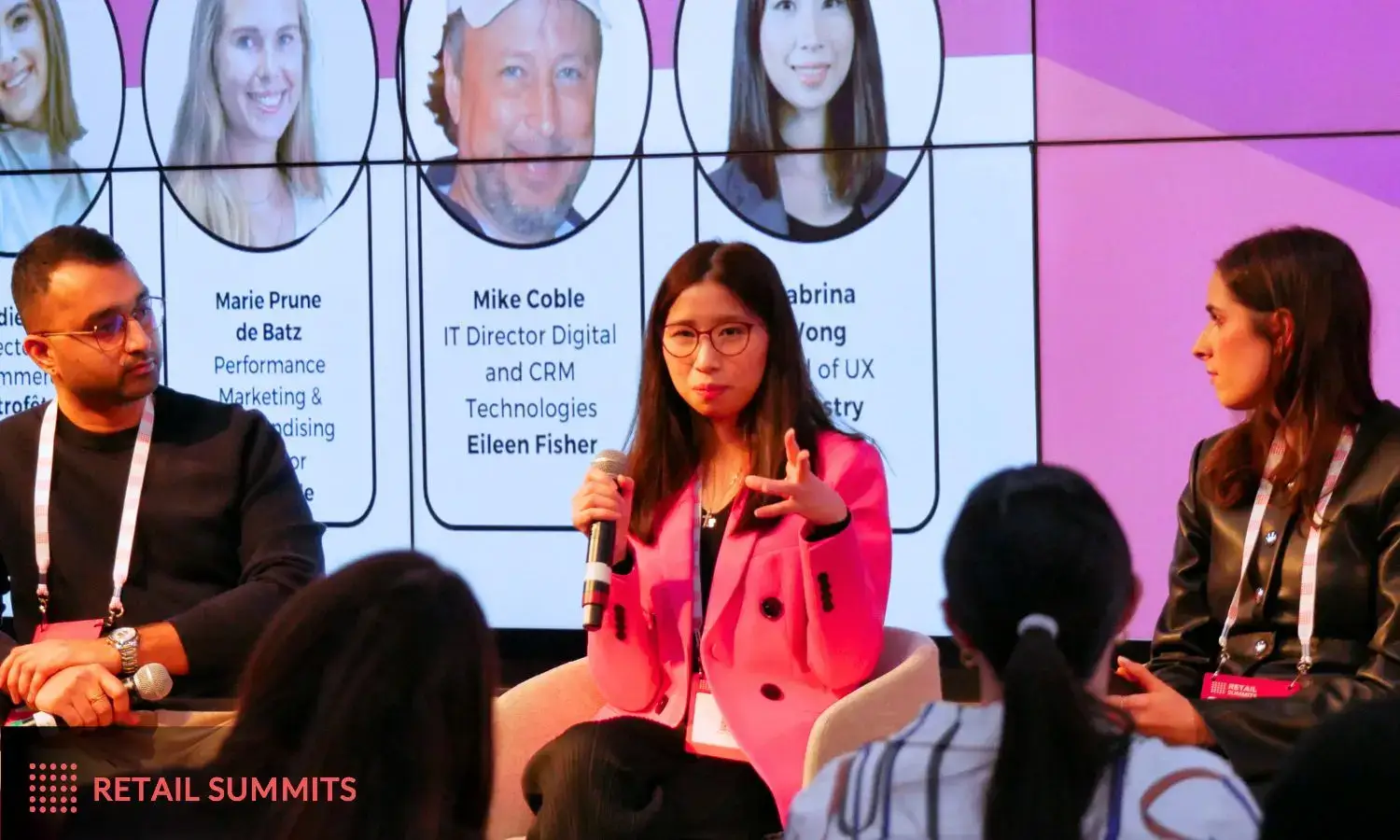
    In January, I attended the New York Fashion Ecommerce Summit, where I had the honor of moderating the “Fashion Forward Technologies” panel.

    The discussion brought together leaders from major retail brands to explore how AI, AR, and other emerging technologies are reshaping the fashion landscape.

    The amazing group of panelists included:

    • Maddie Katz, Director of Ecommerce at Retrofête
    • Marie Prune de Batz, Performance Marketing & Merchandising Director at Adore Me
    • Sabrina Wong, Head of UX at Tapestry
    • Mike Coble, IT Director Digital and CRM Technologies at Eileen Fisher
    • Jeff Mergy, VP of Growth, Partnership and Strategy at Bold Metrics

    (and then there’s me – Nihal Mandanna C.P., Head of Growth at Vendrux).

    Here are the top insights I took away from the panel, and the first-hand experience shared by these ecommerce leaders.

    How are brands integrating AI into their existing workflows?

    I kicked off our panel discussion with what’s probably on everyone’s mind right now – AI and how brands are actually using it in their operations. I was particularly curious about how they’re introducing it both internally and in customer-facing roles.

    Sabrina from Tapestry shared a fascinating example of how they’re approaching AI implementation. Rather than going all-in on cutting-edge tech, they’re focusing on using AI as an assistive technology, particularly for their store associates.

    “We are training our LLM with customer data, and we were inspired to create our own AI app for store associates.”

    What made this really interesting was the practical example she shared from this past holiday season. 

    “When we’re testing our AI app at the store, one customer came in and told our store associate that the music in the store didn’t feel that festive. So the store associate used our AI app to message it and then with AI, we were able to immediately change the music in the store to customize the experience.”

    But it goes beyond just in-store ambiance. Sabrina explained how they’re using this technology to make data-driven decisions in their international markets: 

    “Japan is going through high tourism at the moment, and we’ve been able to track tourist customer profiles – what they like, what they don’t like, shopping behavior – and immediately change the assortment strategy on the floor.”

    Mike from Eileen Fisher offered a different perspective on AI implementation, noting how it’s often happening in ways that might not be immediately obvious.

    “If you ask many of the business people that work there, they’ll say, you know, where does AI fit in the company and many of them will say, well, I’m not exactly sure. But we have a lot of AI initiatives going on that might be a little bit below the radar.”

    He shared a concrete example of their partnership with Veesual:

    “We take our Tech Packs and we give them the tech pack information and what they are able to do is to show what a garment would look like on various models. So when you go to the PDPs and you sort of click around, you can get an idea of what a garment would look like on your body type.”

    What struck me most from this part of our discussion was how these brands are finding practical, focused ways to implement AI – whether it’s improving store operations, enhancing the customer experience, or solving specific business challenges.

    It’s less about the AI itself and more about how it can support and enhance existing business operations.

    How do brands build personalized shopping experiences with AI?

    I was curious which way the panelists would go on this topic, since AI has the potential to create hyper-personalized shopping experiences, or miss the human element that’s so crucial for engaging customers.

    Marie from Adore Me shared honest insights about the challenges, particularly in terms of building personalization at scale:

    “Everyone talks about having a website created at customer level. The difficulty isn’t knowing what customers want – we’re data driven. It’s implementing it in the tools and having enough tech resources.”

    She outlined specific challenges:

    • Losing merchandising visibility
    • Difficulty tracking and fixing issues
    • Complications with automated product feeds
    • Challenge of replicating problems when they occur
    • Integration difficulties with platforms like Google Retail API

    “Today, our merchandising is made automatically but with supervision from merchandisers that know the products perfectly. Tomorrow, if it’s 100% data driven by AI, we won’t have any control, and if there’s an issue, we won’t know.”

    But, from another perspective, AI and AR could have a positive impact when it comes to reducing returns.

    It’s estimated that returns cost brands $550 billion annually – largely because 70% of online shoppers struggle to find clothes that fit, and many new customers, unsure of what their ideal size is, tend to buy 2-3 sizes at once and return those that don’t fit.

    Several panelists shared how they’re using technology to cut down on returns and, more importantly, make customers feel more confident about picking the right fit from the website.

    For Adore Me, with 67 sizes, it’s been crucial for first-time buyers, as Marie explained to us:

    “The most challenging part with intimate shopping online is often fit. If you’re not sure about your size or have no idea how a garment will look on your body, it’s hard to shop intimates online.”

    This is a problem that Bold Metrics are trying to tackle. They’re helping brands move past traditional size metrics which, as Jeff put it, are often ignored:

    “Only half a percent of shoppers click size charts, and they’re not going to measure themselves.”

    Bold Metrics are using AI to calculate measurements from simple questions, then maps to brand-specific sizing. They helped Retrofête implement special AI-assisted sizing on their site, which not only recommends the ideal size for customers, but also gives unique, personal insights into how different sizes will fit, as Maddie told the panel:

    “This gives customers the ability to enter certain dimensions of their body. Then we can say ‘this size will fit perfectly’ or ‘if you size up, it may be loose here and tight there.’”

    How important is the human element in the age of AI?

    It’s always been important for brands to cultivate personal connections with their customers, so I was interested to see what the panelists thought of this, and what they were doing in terms of human interactions to build loyalty.

    All members of the panel, while excited about the possibilities of AI and data-driven technology, were simultaneously increasing the human touch, particularly for their top customer segments.

    (this was one of our top predictions for ecommerce in 2025 – that brands will need to prioritize human experiences alongside AI)

    Eileen Fisher hosts exclusive WebEx sessions where they will have a talk and show for their top 100-200 customers, discussing new products and sustainability practices. They’re also curating social influencers as brand ambassadors with dedicated website spaces.

    Maddie said that Retrofête found success with in-house VIP stylists.

    “Whether it’s an in-store shopping appointment or via texting, [stylists] can access customer data across any channel. Once customers build a relationship with the stylist, they keep coming back for any event.”

    While Sabrina explained how Tapestry’s Coach brand combines tech and tradition:

    “We have a robust loyalty profile called Coach Insider with exclusive bags and promotions. Through Coach Insider data, we discovered Gen Z customers really liked bag charms, so we started pushing more targeted promotions.”

    These insights reinforce that AI is simply a tool for ecommerce brands, and goes best if it’s hand-in-hand with a human touch.

    Your customers are still real people, and loyalty is a human characteristic.

    Brands should find ways to use AI to elevate their retention marketing strategy, without replacing the parts of your strategy that appeal to human emotions and desires.

    Alongside the insights and automation provided by AI, leaning into retention-focused channels like email, mobile apps and push notifications will help you build a brand that customers love, while using tech to streamline more of your backend operations.

    How do brands balance AI with their unique brand identity?

    We finished up the panel by inviting questions from the audience.

    One attendee raised a question that I found very interesting: How do brands balance personalization with their design aesthetic, especially when certain products are designed to fit a specific way?

    Mike from Eileen Fisher offered a few ideas, and believes that AI is not going to take over the A to Z of the entire process just yet.

    “Think of AI like hiring an intern. You never have them churn out the final product. You say this person’s going to help me get stuff done quicker.” 

    He suggested using AI to generate initial options – like 50 different outfit combinations from existing products – but having merchandisers make final decisions.

    Sabrina added her insight and reinforced this perspective:

    “AI is assistive technology meant to help you with your work but never replace your creativity. It always has to amplify human creativity and human connection.”

    What does the future hold for AI and ecommerce?

    We’re all interested in what’s next, especially with a phenomenon as fresh and fast-moving as AI.

    So, of course, I had to put this question to the panel and ask for their predictions on what we’re going to see from the future in terms of AI in ecommerce.

    Really loved these takeaways from each panelist: 

    Major shifts in the online shopping experience

    Marie wondered if technology will bring more disruptions to the traditional online shopping experience, and perhaps change the way we look at ecommerce websites:

    “Ecommerce websites haven’t really been disrupted since creation. Virtual try-on is the first real disruption because you lose the notion of category pages. You just see products on models and swap around. I’m sure within weeks we’ll see more disruption of this traditional funnel.”

    The rise of AR/VR experiences

    Sabrina is excited about the potential for AR to bring the fashion show experience straight to the consumer:

    “Imagine watching a runway in your living room with AR glasses. You don’t have to go to an exclusive runway show anymore, you can just put on your AR glasses and watch it.”

    AI becoming more embedded in the customer journey

    Maddie is optimistic about the future role of AI in improving the customer experience especially as it gets more refined over time: 

    “It’s hard to know for sure, but I believe AI-powered tools will have a major role to play in improving the overall customer experience and reducing operational challenges.”

    Forecasting and predicting logistical issues will become easier

    Mike is hopeful that AI will become a “crystal ball” of sorts, helping brands improve their forecasting and reduce the impact of unforeseen logistical issues: 

    “I imagine we’ll end up in a situation where AI is a “crystal ball” that anyone on the team can go to for a temperature check on any upcoming issues we might face as a business.”

    Personalized, on-demand custom clothing

    Jeff predicted that brands will be able to use customer data to take personalization to a whole new level – not just personalized marketing, but personalizing the products themselves.

    “In five years, brands will use shopper body data to design products. It’s not going to be ‘I have to decide between a medium and large and make a sacrifice.’ Some players will move to mass-producing custom clothing.”

    Key takeaways on AI for retail and ecommerce

    There were so many incredible insights shared from these industry leaders, and I’m already looking forward to the next one.

    I’m incredibly grateful to the Retail Summits team for the opportunity to be a part of it, and to the panelists themselves for sharing their time and insights.

    If I had to boil down the panel into five bite-sized takeaways regarding AI for ecommerce, here’s what I’d say:

    1. Focus on specific problems: returns, sizing, customer service
    2. Keep humans supervising AI decisions
    3. Build tech incrementally – don’t try to personalize everything at once
    4. Remember top customers still need human connection
    5. Consider implementation costs and resources before chasing full personalization

    As Sabrina emphasized, AI is there to help you, not replace you. It’s a tool, not something that’s going to run your business by itself.AI can provide a whole lot of value, and all ecommerce brands, big or small, should be exploring ways to use AI to improve their business and workflows.

    However, as we’ve seen from the insights of these industry leaders, it’s about using AI as a means to an end.

    And that end is, ultimately, to provide a better customer experience for the humans that are buying your products.

    Looking for more high-level insights from the ecommerce & retail world?

    Check out The Retention Edge, our podcast and newsletter where ecom and retail leaders share their hot takes on the future of CX and retention.

  • How to Craft High-Converting Abandoned Cart Sequences

    How to Craft High-Converting Abandoned Cart Sequences

    Most abandoned carts aren’t lost sales – they’re just unfinished ones. 

    The brands that win are those with a killer recovery strategy that turns ghosted checkouts into revenue (on autopilot).

    This isn’t another “send a reminder email” fluff piece. We’re diving deep into:

    • The 3-channel attack: why email, SMS, and push together crush conversions
    • The perfect abandoned cart sequence: timing, messaging, and exact scripts that work
    • Psychology-backed tactics: how to eliminate buyer hesitation and remove checkout friction
    • Proven revenue boosters: real-world DTC examples that increase AOV and LTV

    This guide is built for serious operators who want to maximize conversions, minimize lost revenue, and grow profitably. 

    No guesswork, just battle-tested strategies that work today. Let’s get into it.

    Want the latest insights into how 7, 8 and 9-figure brands are driving sustainable growth? That’s what you get with our weekly newsletter, The Retention Edge.
    Subscribe for free here.

    Why Abandoned Cart Recovery is Mission Critical

    The hard truth is that over $4 trillion is lost annually due to abandoned carts. It’s a staggering figure, but there are complex reasons behind why shoppers bail on their purchases.

    Friction in the checkout process, last-minute doubts, and real-world distractions all play a role.

    However, research shows that many cart abandonments are simply part of natural browsing behavior. 48% of shoppers add items to their cart with no immediate intent to purchase – they’re just digital window shopping.

    The good news is that studies show effective abandoned cart campaigns can recover a significant share of this lost revenue. 

    Typical recovery rates are in the range of 5–10% with well-crafted follow-up sequences. And if you’re able to get above-average clicks, you can print money; the average click-to-conversion rate is a staggering 42% for abandoned cart emails.

    That’s a major boost to your bottom line that you can’t afford to ignore.

    The Three-Pillar Approach to Abandoned Cart Recovery

    To maximize your recovery rates, you need a multi-pronged approach that leverages the strengths of each communication channel:

    1. Email: The reliable workhorse of ecommerce marketing. While email often gets overshadowed by newer, flashier channels, it remains an incredibly effective tool when used strategically. However, most brands underutilize email’s potential for cart recovery.
    2. SMS: The urgency amplifier. SMS boasts sky-high open rates and near-instant engagement. When you need to drive immediate action, SMS is your ace in the hole. The key is crafting succinct, compelling messages that spur shoppers to complete their purchase.
    3. Push Notifications: The gentle nudge that converts. Push notifications offer a low-cost, high-ROI way to re-engage cart abandoners. When timed right and paired with a clear call-to-action, they can be the perfect reminder to seal the deal.

    Learn more: Do Push Notifications Work for Abandoned Carts?

    How to Nail Your Abandoned Cart Email Sequence

    Here’s a simple three-email sequence you can use to follow up with abandoned carts 

    Want more insights into writing abandoned cart emails, plus real examples from successful brands? Check out this article.

    Email 1: The Soft Reminder (Sent 1-2 Hours Post-Abandonment)

    💡 Goal: Recover the “Oops, I Forgot” shoppers

    • Subject line: “Still thinking it over? Your cart’s waiting for you!”
    • CTA: One-click checkout (No distractions, just convert)
    • Social proof: “Over 10,000 happy customers love this product!”
    • Risk reversal: Hassle-free returns, secure checkout

    Your initial follow-up email has one primary goal: recover the crowd that simply forgot to check out. 

    These are the shoppers who fully intended to buy but got distracted and simply forgot to complete their purchase. A friendly reminder is often all it takes to bring them back.

    Keep your messaging lighthearted and low-pressure. Just let them know their cart is saved and waiting, with a direct link back to a streamlined, one-click checkout. 

    Don’t clutter this email with unnecessary distractions – your singular focus should be on converting the sale.

    To increase the chance of converting, add in a couple of small touches to overcome common objections, such as social proof and trust signals.

    Email 2: Addressing Objections (Sent 12-24 Hours Later)

    💡 Goal: Handle friction points before they kill the sale

    If your initial reminder didn’t do the trick, it’s time to proactively handle common objections before they kill the sale for good. 

    Think about the friction points that make shoppers hesitate: concerns about price, fit, necessity, etc.

    For each objection, provide a reassuring counterpoint:

    • “Too expensive?” → Offer a small incentive or highlight buy-now-pay-later options to make it more affordable.
    • “Will it fit/work for me?” → Include a link to glowing customer reviews, product FAQs, or fit guides.
    • “Do I really need this?” → Play up FOMO and scarcity. Remind them why they wanted the item and that it may sell out soon.

    The goal of this follow-up is to systematically remove any roadblocks keeping the shopper from converting. Anticipate their hesitations and nip them in the bud with this email.

    Email 3: The Urgency Push (Sent 48 Hours Later)

    💡 Goal: Create a now-or-never decision

    This is your final shot to create a now-or-never moment that spurs the shopper to take action. The key elements to include:

    1. An eye-catching subject line: “Last chance: Your cart is expiring!”
    2. A genuine sense of urgency: Highlight low-inventory alerts or a limited-time discount code to give them a reason to act now.
    3. Trust cues: Reiterate your free returns, money-back guarantee, or glowing customer testimonials. Make them feel confident taking the leap.
    4. A clear, frictionless CTA: A prominent direct checkout link with copy like “Complete My Order”. Make converting a no-brainer.

    Remember, this email is your final attempt to win them back, so make every element count. Urgency and clarity are paramount.

    Abandoned Cart SMS Sequence: Cutting Through the Noise

    In today’s noisy digital landscape, SMS is an incredibly powerful channel for cutting through the clutter and driving immediate action.

    With open rates as high as 98%, SMS is nearly impossible for shoppers to ignore.

    Here’s how to craft an abandoned cart SMS sequence that converts:

    SMS 1: Gentle Reminder (1 Hour Post-Abandonment)

    📲 “Hey [Name], we saved your cart for you! Grab it here before it’s gone: https://www.vendrux.com/blog/abandoned-cart-sequences”

    Your initial text should be a friendly, low-pressure nudge.

    Remind the shopper that you’ve saved their cart and make it easy for them to jump back in and complete their purchase.

    SMS 2: Addressing Concerns (12 Hours Later)

    📲 “Not sure? Over 95% of buyers love it! Plus, easy returns. Complete your order: https://www.vendrux.com/blog/abandoned-cart-sequences”

    If your first message didn’t do the trick, it’s time to proactively address potential hesitations head-on.

    Tackle common objections like uncertainty about the product, price concerns, or shipping questions.

    SMS 3: The Final Nudge (48 Hours Later)

    📲 “Final call! Your cart is expiring. Grab it now with [10% off] before it’s too late: https://www.vendrux.com/blog/abandoned-cart-sequences”

    Your last message is all about urgency.

    Give the shopper a compelling reason to act now, whether that’s a time-sensitive discount code, a low-stock alert, or an exclusive bonus gift. Make it crystal clear that now is the time to buy.

    A major advantage of SMS is the ability to have 2-way conversations and answer questions in real-time.

    Brands who utilize this see a 50%+ boost in conversions. So consider this a prime opportunity for person-to-person engagement if shoppers reply with concerns.

    Push Notifications: Low-Lift, High-Impact Conversion Boosters

    Push notifications are the perfect complement to your email and SMS efforts. They’re a low-friction way to give shoppers the extra nudge they need to convert.

    A solid push sequence might look like:

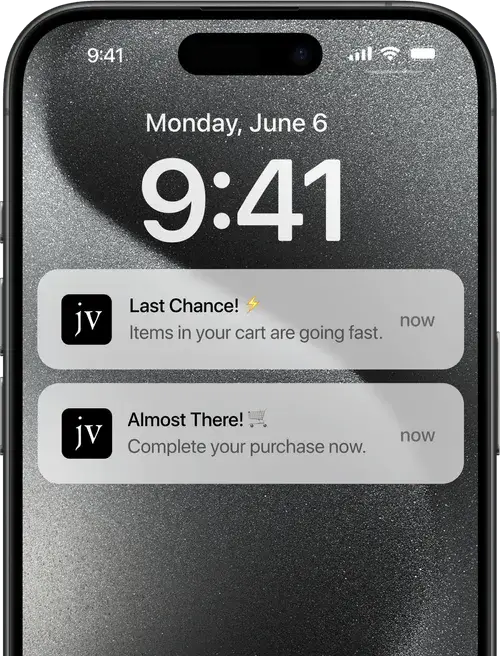
    1. “Hey [First Name], your cart is waiting! Checkout now with one click.” (Sent 2 hours post-abandonment)
    2. “Almost gone! Your items might sell out soon. Complete your order now.” (Sent 24 hours later)
    3. “Final reminder: Your cart disappears soon! Act now.” (Sent 48 hours later)
    __wf_reserved_inherit

    Given that over 85% of carts are abandoned on mobile devices, it’s crucial that your push notifications are well-optimized and include a prominent, mobile-friendly CTA that links directly back to a streamlined checkout process.

    If you’re not using push notifications for abandoned carts, you’re leaving money on the table. Push is the perfect tool to follow up with app users and recover lost revenue.

    If you don’t have an app yet, check out Vendrux. We help you build the perfect mobile app, with a native experience that requires no rebuilding or custom development. And best of all, you’ll have an abandoned cart sequence built in, ready to turn on and drive revenue at the click of a button.

    Read to learn more? Book a free consultation here to see how Vendrux can help you grow LTV and boost profits.

    Personalization & Segmentation: The Secret Sauce

    To take your cart recovery game to the next level, personalization is key. Segment your abandoners and tailor your messaging accordingly:

    • VIP Shoppers: Recognize and reward your best customers with exclusive perks like free expedited shipping or bonus gifts to incentivize them to complete high-value orders.
    • New vs. Returning Customers: Customize your approach. Offer new buyers a first-purchase discount while emphasizing loyalty rewards for existing customers.
    • High-AOV Carts: For your biggest abandoned carts, consider offering white-glove service via personal SMS outreach to close the sale.

    The more relevant and targeted your abandoned cart communications are, the higher your recovery rates will climb. Dig into your data and let it guide your personalization strategy.

    Bonus Tactics to Supercharge Your Recovery Rate

    Beyond the core email, SMS and push strategies, here are some additional plays to incorporate:

    • Dynamic UGC: Feature real-time customer reviews and testimonials in your abandonment follow-ups for potent social proof.
    • Exit-Intent Popups: When a shopper goes to bail, trigger an exit popup with an enticing, limited-time offer.
    • Gamified Discounts: Make converting fun with gamified popups like spin-to-win wheels or mystery offer reveals.
    • Retargeting Ads: Build retargeting audiences of cart abandoners and reach them with highly-relevant ads via paid social and Google Display Network.

    Key Takeaways & Execution Blueprint

    To put all these strategies into action and start recovering more abandoned carts, here’s your step-by-step playbook:

    1. Implement your core abandoned cart email sequence with the three key messages outlined above. Remember: timing is critical. Kick off your sequence within 1 hour post-abandonment for optimal results.
    2. Layer on SMS follow-ups, keeping messages ultra-focused on driving direct conversions. Prioritize 2-way engagement.
    3. Set up an abandoned cart push notification sequence to complement your email and SMS efforts. Make sure your CTAs are dialed in for mobile shoppers.
    4. Add in personalization and segmentation based on factors like customer lifetime value, average order value, and new vs. returning buyer status. Your goal is to tailor incentives and messaging to specific shopper segments.
    5. Experiment with at least one of the bonus tactics like exit popups, dynamic UGC, or retargeting ads to add an extra conversion lift.
    6. A/B test every element of your abandoned cart sequences relentlessly. From subject lines to offer types, send times to copy – leave no stone unturned in your pursuit of optimization.
    7. Monitor your results and continue honing your approach based on performance data. Cart recovery is an ongoing process of iteration and improvement.

    By implementing this multi-channel, full-funnel strategy, you’ll be well on your way to turning abandoned carts from lost revenue into a major growth opportunity for your ecommerce business. Stay focused, get creative, and happy recovering!

  • How to Drive More Revenue With Abandoned Cart Emails

    How to Drive More Revenue With Abandoned Cart Emails

    Only 3 out of every 10 shoppers who add a product to their cart will actually complete their purchase.

    This figure is likely to keep rising, as the mobile shopping market share is growing, and the average cart abandonment rate on mobile is higher – 86.7%, compared to 69.8% on desktop.

    That’s a lot of revenue left on the table. But the good news is that there’s something you can do about it right now, to recapture a significant amount of would-be lost revenue, with very little effort required.

    Keep reading and we’ll explain how to set up abandoned cart emails to recover thousands in lost revenue, plus an underutilized cart abandonment tool that can have an even bigger impact on your bottom line.

    Vendrux can help you add tens of thousands in new and incremental revenue (for minimal cost) by launching a mobile app. Check out our Ecommerce App Revenue Calculator to see how much new revenue you could add.

    What Are Abandoned Cart Emails?

    Abandoned cart emails are automated emails sent to shoppers who added a product to their cart, but never completed their purchase.

    These emails contain a reminder about the products waiting in their cart, and sometimes a small incentive (such as a discount) to convince the shopper to come back and complete their checkout.

    Why Abandoned Cart Emails Are So Powerful

    According to Klaviyo, abandoned cart emails have an average revenue per recipient (RPR) of $3.65, while the top 10% of performers generate $28.89 RPR. 

    Both these figures are the best out of any kind of email flow.

    Their data also shows the following for abandoned cart emails:

    • Average open rate of 50.5%
    • Average click rate of 6.25%
    • Average conversion rate (order placed from the email) of 3.33%

    Omnisend found these statistics for abandoned cart emails:

    • Average open rate of 46.6%
    • Average click rate of 5.7%
    • Average conversion rate of 2.56%

    Both these datasets show that roughly half of the people who click on a link in an abandoned cart email make a purchase.

    Few, if any, email campaigns can compare to this.

    It’s even better when you consider the ROI of abandoned cart campaigns.

    You set up your workflow once and, other than making small tweaks over time, you don’t need to do anything else.

    The campaign runs in the background of your business, recovering revenue on autopilot, almost certainly delivering a positive ROI.

    How Much Can I Recover With Abandoned Cart Emails?

    Let’s assume the following averages:

    • 70% cart abandonment rate
    • 3% conversion rate for abandoned cart emails

    A site doing $15k in revenue per month, with an average order value of $50 and 300 orders per month, could recover $1,050 per month from abandoned carts.

    That’s a 7% increase in revenue, just by setting up an automated email sequence that you don’t need to touch again.
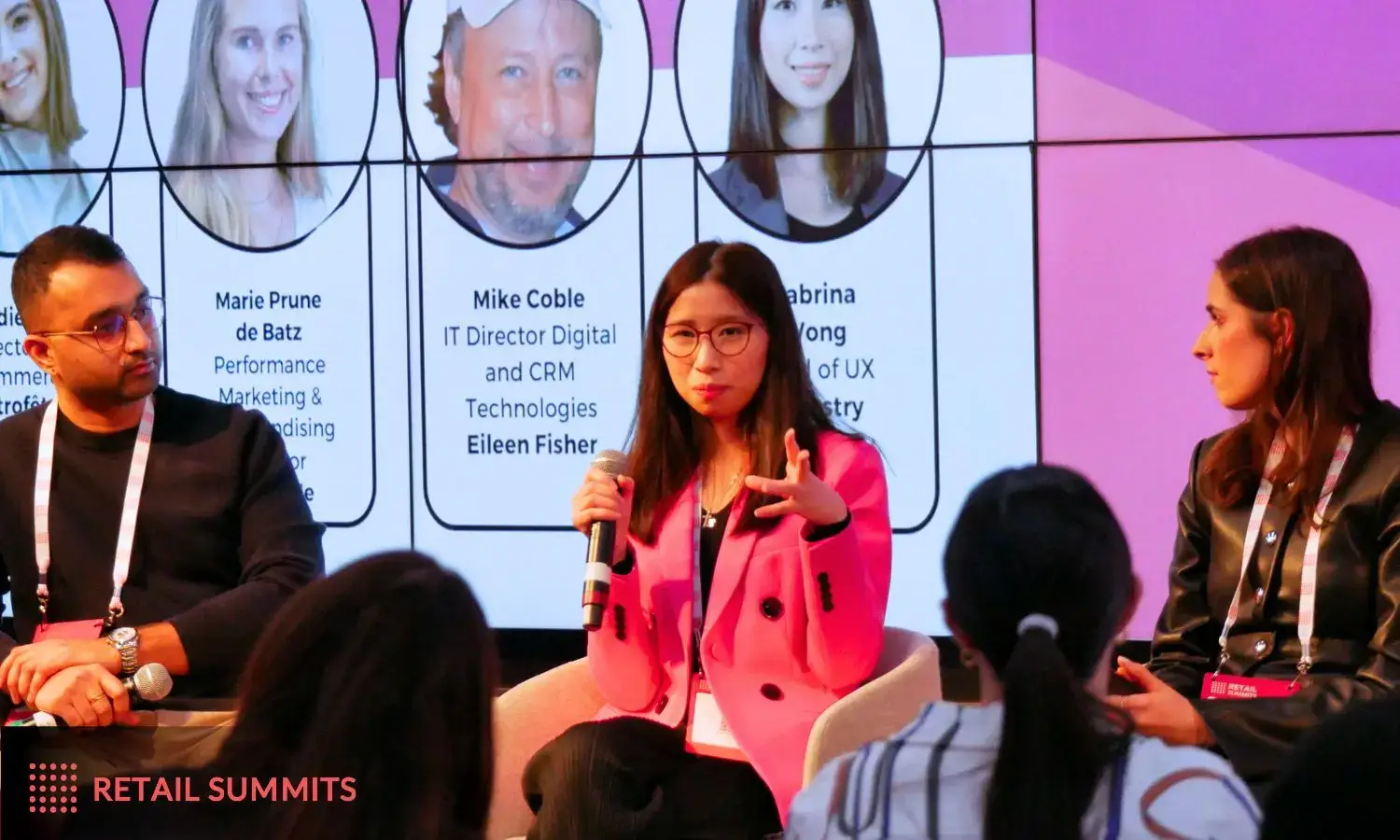
    If you were to improve your conversion rate from these emails (the top 10% of performers on Klaviyo have a 7.69% conversion rate from abandoned cart emails), you’d be looking at a 17.73% increase in overall revenue.

    Realistically, your results will likely be a little lower, as not all abandoned carts have an email attached, and you won’t be able to send abandoned cart emails to shoppers without an account (or who aren’t logged in).

    But even assuming you only reach half of your abandoned carts, you could increase your revenue by at least 3-4% with a cart abandonment workflow.

    Why do shoppers abandon their carts? There can be many reasons, and we broke down the most common – plus what you can do about it – in this article.

    How to Set Up a Cart Abandonment Email Workflow

    Cart abandonment workflows are usually very easy to set up, assuming you’re using any popular email marketing automation software or eCommerce platform.

    These tools generally have workflow templates in place already, and as long as you’re sending the requisite data to your email tool, there’s little left for you to do but customize the emails with your company’s branding and voice.

    This article walks you through setting up a cart abandonment workflow in Klaviyo. Here’s an example of what your workflow might look like:

    __wf_reserved_inherit

    Other tools have similar documentation for you to follow.

    Before we get into some examples of abandoned cart emails, here are a few tips and best practices to follow for abandoned cart email campaigns.

    Delay

    You’ll need to decide on the right delay between the user starting the checkout process (or adding a product to their cart) and initiating the abandoned cart workflow.

    You don’t want to send it too early – you’ll turn customers away if they get bombarded with a cart reminder email when they’re still shopping. But too late, and their interest may have waned, or perhaps they bought the product somewhere else.

    It’s generally recommended to start abandoned cart emails after a 2-4 hour delay. But you may want to test this yourself to decide on the optimal timing.

    Personalization

    Like any email, you want to make it feel personal, and not like a generic, automated email.

    Use the customer’s name, if you have it. If not, use a fallback value that doesn’t make it obvious that something was supposed to be there.

    Most importantly, customize the email with the details of the product(s) in the customer’s cart – name, price, quantity, images.

    Show the customer what’s waiting for them.

    Follow-up Emails

    Most abandoned cart sequences don’t stop at one email. You’ll get better results with a series of emails, catching those whose first email slipped through the cracks, or who are a little more difficult to convert.

    The ideal number of emails is two or three (though feel free to test this yourself). This gives you multiple chances to capture the sale, while more than three emails starts to feel overbearing, and is more likely to have a negative impact (i.e. unsubscribes, bad image for your brand).

    Space them out around 24-48 hours apart – don’t bombard your customer with emails every five minutes.

    Make sure you set up your workflow so that if the customer converts from the first (or second) email, they’re removed from the sequence.

    You can also use the series as an opportunity to push harder for the sale for those who don’t convert straight away.

    The first email can be a friendly reminder, then you follow up with an incentive in the following emails for those who still haven’t converted.

    Urgency, Scarcity & Other CRO Techniques

    Abandoned cart emails should be designed with the same CRO techniques in mind as product pages and checkout pages.

    You’ll often see these emails lean heavily into urgency and scarcity. It’s much easier to convince someone to take action and complete their purchase if you instill FOMO (Fear of Missing Out), and make them feel like they have limited time to act.

    Wording like “check out now before it’s too late”, or “time’s running” is a simple yet effective way to encourage action.

    If there’s a limited-time discount attached to the products in their cart, or the products are low in stock, use this in your email copy (and perhaps even the subject line) to deliver an even bigger hit of FOMO.

    Subject Lines

    There’s no straightforward formula for the ideal subject line.

    The best subject lines are ones that raise curiosity and make the customer want to know more.

    Here are some examples of abandoned cart subject lines:

    • You left this behind
    • Come on back…
    • Hey, you forgot something…
    • A Last Glance at Your Selections

    Keep it short, sharp, imbue a sense of mystery, and try to fit in some kind of urgency or scarcity.

    As you’ll see from our abandoned cart email examples in the next section, many brands use almost the exact same subject lines.

    Do you want to go with what everyone else is doing? Or try something different, to make your brand stand out?

    Ultimately, you’ll want to test this to find the approach that best resonates with your audience.

    13 Real Abandoned Cart Email Examples

    We dug up a number of real abandoned cart emails from successful eCommerce brands, to give you some examples to use for inspiration.

    For each, we’ll list a few key takeaways that will help you craft effective cart abandonment workflows for your own brand.

    Cocofloss

    Subject line: You’re *so close* to an even-more-sparkling smile

    __wf_reserved_inherit
    Visit Website
    • Well designed, visually striking email.
    • Email links back to their Black Friday special, which increases urgency.
    • Product name and details could be more more prominent.

    Allbirds

    Subject line: Your Cart Feels A Little Left Out…

    __wf_reserved_inherit
    Visit Website
    • Two clear CTAs makes it easy for the shopper to get back to their checkout.
    • Product details are clear and center of the email.
    • Short piece of copy in the header is clear, convincing, and instills a sense of urgency.

    BLK & Bold

    Subject line: We saw you checkin’ us out…👀

    __wf_reserved_inherit
    Visit Website
    • Unique approach; short and sharp and well-designed.
    • Clear and bold CTA.
    • Doesn’t include product details in the email, which is unconventional (but may work for them).

    Maguire

    Subject line: Andrew, left something behind?

    __wf_reserved_inherit
    Visit Website
    • Personalized subject line grabs attention.
    • Puts the product first, reminding the customer of what they were looking at.
    • Product recommendations below seek to sell the customer on alternative options.

    Bruvi

    Subject line: Come on back…

    __wf_reserved_inherit
    Visit Website
    • Short, sharp, and effective.
    • Visually striking design.
    • Gives all the key information in a small space – great for mobile users.

    Italic

    Subject line: Re: Your Cart—Now 30% Off

    __wf_reserved_inherit
    Visit Website
    • Black Friday sale banner gives an extra incentive for customers to come back and shop.
    • Large product image can’t be missed.
    • Sparse product details – could benefit by adding product name and pricing to the email.

    ABLE

    Subject line: Oh no! You left something behind

    __wf_reserved_inherit
    Visit Website
    • Attention-grabbing subject line.
    • Doesn’t overdo it with copy – lets the images sell themselves.
    • Two clear CTAs.

    Peak Design

    Subject line: Your phone (but way, way better).

    __wf_reserved_inherit
    Visit Website
    • Visually striking.
    • Clearly shows the products (and associated details) left in the user’s cart.
    • Personalization has gone awry (placeholder for customer’s name in copy) – always test your emails, and add a natural fallback value.

    John Varvatos

    Subject line: Did You Leave Something Behind?

    __wf_reserved_inherit
    Visit Website
    • Tried & true subject line.
    • Prominent product image – reminds the user of what they could be missing out on.
    • Uses free shipping and first-time purchase discount as a strong incentive.

    Adidas

    Subject line: Hey, you forgot something…

    __wf_reserved_inherit
    Visit Website
    • Simple, very straightforward.
    • No confusing what this email is about.
    • “We’ll keep it for 10 days” adds a sense of urgency.

    MR PORTER

    Subject line: Have you forgotten something in your shopping bag, Mr Buck?

    __wf_reserved_inherit
    Visit Website
    • Personalized subject line stands out in the customer’s inbox.
    • Adds an extra incentive (10% discount) for the customer to finish their purchase.
    • Product recommendations to potentially drive additional revenue.

    Hyphen Sleep

    Subject line: It’s in the bag

    __wf_reserved_inherit
    Visit Website
    • Strongly pushes the unique selling point of the business.
    • Adds an extra incentive in the email.
    • Extra effort to push the sale, designed for higher-ticket items (such as mattresses).

    Saks Fifth Avenue

    Subject line: Your Toteme item is still here. You deserve it.

    __wf_reserved_inherit
    Visit Website
    • Uses product recommendations well.
    • Short, convincing copy with a sense of urgency.
    • Positive tone gets the customer in a good frame of mind.

    Abandoned Cart Email Template

    Your email marketing tool will almost certainly have pre-made templates ready for you to use. And your emails don’t need to be rocket science, anyway.

    Many of the emails you see above are not complicated. The best abandoned cart emails just:

    • Capture the customer’s attention with a short, snappy subject line
    • Remind the customer of what they have in their cart
    • Give a small nudge that the items in their cart, or any limited-time discounts, won’t be around forever
    • Have a clear CTA that makes it easy for the customer to resume their checkout.

    Following these simple tips, here’s a straightforward abandoned cart email template you can plug and play for your brand.

    Subject line: You left this behind…

    Hey, { customer name }, we noticed you left some items in your cart, and we wouldn’t want you to miss out! 

    Your picks are patiently waiting for you, but they won’t stick around forever.

    Here’s what you left behind:

    { product details }

    Hurry! We won’t be able to hold your cart forever.

    Finish your purchase now before it’s too late!

    { CTA: Reclaim Your Cart Now }

    Need help or have questions? We’re here for you. Simply reply to this email or contact our support team at { support email/phone number }.

    { end with dynamic product recommendations & company footer }

    Push Notifications for Abandoned Carts

    What if we told you there was another, even more effective way to recover abandoned carts?

    Abandoned cart push notifications are the perfect way for brands to recover lost revenue today. They’re direct, with high visibility and engagement rates, and like email, extremely easy to set up and automate.

    You don’t have to choose between email and push, either. These tools are perfect in combination with each other, helping you increase reach for your cart abandonment campaigns and recover more lost revenue.

    If you use a tool like Klaviyo, you can even set up a single workflow that features both email and push notifications, to hit customers on different touch points.

    You won’t be able to reach every customer with push notifications, but for those who are subscribed to push, you’ll likely find you get a higher cart recovery rate from using abandoned cart push notifications.

    Just look at these results from three different Vendrux users, and how much revenue they recovered over just 30 days using push notifications:

    __wf_reserved_inherit

    Win Back Lost Revenue Now

    Push notifications are reason enough, on their own, for eCommerce brands to launch an app.

    They give you a new, powerful way to go after abandoned carts, with a higher success rate than abandoned cart emails.

    Vendrux makes launching an app easy, fast, and affordable, by simply converting what you already have on your website into a mobile app.

    You’ll get your brand in the app stores, boost AOV, conversion rate and LTV for users who download the app, and add thousands of dollars in extra revenue through abandoned cart notifications.

    If you want to add potentially tens of thousands per month to your bottom line, here’s how to do it in three easy steps:

    • Step One: Set up an cart abandonment email sequence
    • Step Two: Convert your site into an app with Vendrux
    • Step Three: Turn on abandoned cart push notifications and print money

    If you want to know what’s possible, check out these case studies – just a small cross-section of the 2,000+ successful brands we’ve worked with to launch apps.

    __wf_reserved_inherit
    Just a few of the great apps we’ve built for high-revenue brands.

    Launching an app is the best thing you can do for your brand right now, with organic reach declining and mobile taking over the global eCommerce market.

    Book a free consultation now to learn more about how Vendrux can help your brand grow and thrive with mobile apps and push notifications.

  • How 5 Brands use Push Notifications to Succeed

    How 5 Brands use Push Notifications to Succeed

    Push notifications are exploding as an eCommerce channel. 

    We see this all the time with our customers. 

    In this article we’ll share five Ecommerce push notification examples. Each brand uses push strategically to drive up order value, conversions, revenue, and other key metrics.

    Read on and get some inspiration for using push notifications to grow your own business. 

    1. Sephora

    Sephora’s mobile app has been downloaded more than 35 million times, and is a critical channel for them.

    They’re known for using push notifications skillfully and at scale. 

    Sephora is known for sending notifications about:

    • Personalized Recommendations to suggest products based on previous purchases & behavior
    • Promotions & Discounts like special deals, discounts, and promo codes
    • New Launches and the arrival of new products in stock
    • Sale Alerts and Information about upcoming sales and promotions

    They do a good job of reminding customers about products they checked but didn’t yet buy, nudging abandoned carts, and sending helpful info about special deals or nearby physical events. 

    Read more about Sephora’s marketing strategies here.

    2. H&M 

    This fashion giant uses push notifications mostly to:

    • Retarget customers
    • Cross-sell & upsell 
    • Send targeted offers based on customer history

    Their well-designed mobile app is great at recommending products that complement previously purchased items. 

    It also uses sophisticated automations and triggers to maximize engagement and order value. 

    H&M’s push strategy is based on hyper-personalized engagement, using customer browsing and purchase history to send tailored offers. This approach, along with leveraging artificial intelligence and machine learning, has driven a measurable increase in both sales and in-app engagement. 

    They particularly excel in suggesting complementary products, like recommending boots to match a recently purchased jacket. 

    3. SuperJeweler

    SuperJeweler’s push strategy is laser-focused on driving engagement and revenue.

    Image via PushEngage

    They use notifications to keep customers informed about daily deals, special offers and new products.

    They also heavily use abandoned cart notifications to recover those carts and nudge customers to complete their purchase. 

    According to PushEngage, push notifications have led to a whopping 8.2% increase in revenue for SuperJeweler. Huge. 

    Read more about SuperJeweler’s strategy in this case study. 

    4. Chubbies 

    Chubbies is an American brand focused on mens shorts and swimming shorts. 

    Their brand has a humorous, tongue-in-cheek vibe and their push notifications reflect this. 

    They treat push notifications like tweets, sending short and funny one-liners to users. 

    This helps them stand out from other brands’ more formal and sales-focused messaging. 

    Chubbies take their push messaging seriously, with a whole team working on them!

    Read more about their push strategy here. 

    5. Dinda

    Dinda is a Brazilian eCommerce brand focused on children’s clothing. 

    Image via Airship

    Their push notification strategy is notable for:

    • Personalized and Targeted Messaging
    • Rich Media and A/B Testing
    • Impacting revenue & engagement metrics

    Dinda sends tailored messages based on user interests and past behavior, boosting engagement and reducing churn.

    They also make use of rich media like images and emojis, and A/B test everything. This has boosted app revenue by 60%. 

    Read more about Dinda’s tactics here

    How to Use Push Notifications for eCommerce: Key Takeaways

    Some common themes have emerged through this list. See if you can work them into your own push notification campaigns:

    • Try out humor and lighthearted messages like Chubbies 
    • Leverage abandoned cart notifications like SuperJeweller
    • Use personalized and targeted notifications like Sephora 
    • Use notifications to cross sell and upsell like H&M
    • A/B test your notifications to optimize them like Dinda

    With Vendrux you can get apps just as good as Sephora, H&M, or Chubbies.

    We can build them for you for a fraction of the cost, and in just weeks through our platform refined over 5+ years and thousands of iOS and Android apps. 

    We’ve built apps for thousands of brands – including major retailers. Check out our example apps and case studies.

    We’ll get you set up to send unlimited push notifications, so you can test out all the above tactics and more. We also built custom tools for abandoned cart notifications, handling the process for you and nudging your customers to complete those checkouts. 

    Read more about Vendrux apps, and speak to one of our app experts to learn how we can build your app store presence.

    Get started with a free preview of your app and book a demo call today….

  • What is a Native App?

    What is a Native App?

    A native app is a mobile app made for one specific platform (typically iOS or Android), which users download directly to their phones.

    Native apps are different from other mobile solutions, like hybrid apps and Progressive Web Apps. Hybrid apps wrap web code in an app shell. Progressive Web Apps (PWAs) make websites feel like apps. Native apps are built from scratch for each platform, using Swift (for iOS apps) and Java/Kotlin (for Android apps).

    Native frameworks let apps use all phone features, like the camera, GPS, push notifications, and secure storage. Native apps also run faster and smoother than other options.

    The Distinction Between Native Apps and Hybrid Apps

    Technically, a native app is different from a hybrid app (or a cross-platform app, like an app built using React Native or Flutter).

    However, the term “Native App” is often used to describe all mobile apps that users can download and run locally on their phones.

    So you’ll generally see apps broken down into two categories:

    • Web apps (including Progressive Web Apps): interactive websites that run in the browser.
    • Native apps (including hybrid and cross-platform apps): mobile apps that a user can download from the app store and use on their phone.

    For a deeper look at the differences between Native, Hybrid and Web apps, check out this article.

    Why Mobile Apps Matter for Online Stores

    Mobile apps (including native and hybrid apps) convert better, and contribute significant revenue potential for ecommerce businesses (and other types of online business).

    Brands see 2-3 times higher purchase rates in apps than on mobile websites. Some brands report app users spend 4-7 times more over their lifetime.

    Why Do Apps Convert Better Than Mobile Websites?

    Native apps work better because they’re built for phones. They load faster. Scrolling is smoother. Touch responses happen instantly. These small improvements add up when you’re shopping on a small screen.

    Apps also remove common shopping headaches. Users stay logged in, payment info stays saved, and checkout takes just a few taps with Apple Pay or Google Pay. On mobile websites, users often re-enter info and deal with slower loading speeds.

    There’s also a mental difference. When someone downloads your app, they’re choosing to connect with your brand. The app icon reminds them of you every day. The full-screen experience feels more focused than a web browser.

    Data backs this up. Brands see about 63% more sales in apps than on mobile web. App users also browse more products and engage more with content.

    How Apps Build Customer Loyalty

    Apps excel at keeping customers coming back. As ads get more expensive, and traditional retention channels like email are becoming saturated, apps give brands a direct line to their best customers.

    Push notifications are the star feature. Unlike emails that get lost in crowded inboxes, push messages appear instantly on phone screens. They have much higher open rates. Brands can send timely alerts about new products, restocks, or sales.

    Beauty brand Recode Studios gets 17% of people to buy when they send cart reminder pushes. You can’t do this with mobile web users.

    Apps also work great for loyalty programs. About 42% of people download apps to show brand loyalty. And 60% stay loyal because of app-only perks. The cycle reinforces itself. Your best customers download the app. They get the best deals, and their loyalty grows even stronger.

    Apps can personalize better than websites. Since users stay logged in, you can greet them by name. Show their loyalty status. Display products based on what they’ve bought before.

    This makes shopping feel more personal, and improves the user experience – driving higher conversion rates and retention.

    The Business Case for Apps

    Native apps have the potential to drive real business results for online brands.

    Let’s look at real results from different brands.

    • Hobbiesville found that 10% of customers use their app. But those customers bring in 40% of revenue. The app converts 3 times better than their mobile site. Push messages work twice as well as emails.
    • BrüMate saw 43% more conversions in their app. Sales per visit were 56% higher. Within months, the app drove 10-20% of all sales.
    • Rainbow Shops gets 10% of online revenue from their app. App shoppers have 7 times higher lifetime value. They spend 10% more per order.

    The pattern is clear. App users buy more often and spend more money. As long as you can keep startup costs and overhead low, the return makes sense.

    How to Build an App Without Breaking the Bank

    High costs used to stop brands from building apps. But new tools have changed that.

    Instead of building custom native apps, many brands now convert their mobile website into an app. They use special frameworks or service providers, like Vendrux, which costs 95% less than building from scratch.

    The difference in quality between a native app and a hybrid app (which is what you get with a service like Vendrux) is rapidly decreasing.

    Sleefs said their hybrid app was “99% as good as native.” They got 30% higher order values and 40% better conversions through their hybrid mobile app.

    You don’t need fully custom apps to see results.

    Start small. Launch a basic version of your mobile site as an app. Add native features like push notifications. Then improve based on user feedback.

    This lets you start making money from your app without huge startup costs.

    One key is to make sure your app connects to your existing systems. Customers should have the same experience everywhere.

    Hybrid apps make this easy. You can maintain one shared codebase, and ensure the experiences are fully synced across all platforms.

    When going live, launch to your best customers first. Email loyal shoppers with an invite and first-purchase discount. They’ll give you feedback before you launch to everyone.

    Making Your App Successful

    Building an app is just the start. Success comes from ongoing work to keep users engaged. Here’s how top brands do it.

    Push Notifications – Your Secret Weapon

    Push notifications need strategy. Nobody wants spam on their phone. But done right, they’re incredibly powerful.

    Segment Your Messages

    • Don’t blast everyone with the same message
    • High-value customers should feel like VIPs
    • New users need different messages than loyal fans
    • Someone who bought shoes doesn’t need baby clothes alerts

    Use Smart Targeting

    • Location matters: promote rain boots when rain is coming to their area
    • Behavior matters: remind someone about items in their cart
    • Timing matters (send lunch deals at 11 AM, not midnight)

    Make It Personal

    • Use their name
    • Reference their past purchases
    • Mention their loyalty status
    • Show you know what they like

    Personalization That Converts

    Since users stay logged in, you can create magic. Here’s what works:

    Smart Product Display

    • Show items in their size first
    • Display their favorite categories up front
    • Hide products they never buy
    • Feature complementary items to past purchases

    Easy Reordering

    • One-tap reorders
    • Show “buy again” buttons for consumable products
    • Send reminders when they might run out
    • Make subscription setup simple

    Curated Collections

    • Create “Picked for You” sections
    • Use quiz results to guide recommendations
    • Show trending items in their style
    • Feature new arrivals in their preferred brands

    Loyalty Programs That Work

    Apps and loyalty programs are perfect partners. Here’s why:

    App-Exclusive Benefits

    • Give app users early access to sales
    • Offer bonus points for app purchases
    • Create app-only products or colors
    • Send surprise rewards through push notifications

    Seamless Integration

    • Show point balance prominently
    • Make redemption one-tap easy
    • Display progress to next reward level
    • Celebrate milestones with special offers

    VIP Treatment

    • Create tiers that unlock in-app features
    • Give top customers a special app experience
    • Offer concierge chat for best customers
    • Provide exclusive content or tutorials

    Fresh Content Strategy

    Apps need reasons for people to open them. Successful brands update regularly:

    Product Launches

    • Debut new items in-app first
    • Create countdown timers for drops
    • Allow pre-orders for app users
    • Show behind-the-scenes content

    Flash Sales and Deals

    • Run app-only sales weekly
    • Create time-sensitive offers
    • Use push alerts for surprise deals
    • Reward daily check-ins

    Valuable Content

    • Add style guides and lookbooks
    • Create how-to videos
    • Share user-generated content
    • Build community features

    Interactive Elements

    • Add wishlists and boards
    • Enable social sharing
    • Create polls and quizzes
    • Let users rate and review

    The key is consistency. Update something every week. Give people a reason to open your app regularly. Soon it becomes a habit. And habits drive sales.

    Tracking Success

    To get an idea of your mobile app’s performance, watch these key metrics:

    • Downloads and Active Users: Track daily and monthly active users. Good apps retain 20-30% of users after 30 days.
    • Conversion Rates: Apps typically convert 2-3 times better than the mobile web.
    • Order Values: Track average order values in your app (mobile apps generally drive more value per session/order than mobile web).
    • Lifetime Value: This is your most important metric. App users often spend 4-7 times more over time.
    • Revenue Share: Successful apps drive 10-30% of online sales (some categories see even higher percentages).
    • Push Performance: Track push open rates and conversion rates, as well as optin rates (you should aim for at least 60-70% optin rates for push notifications).

    Common Mistakes to Avoid

    • Don’t assume people will find your app. Promote it on your website. Email customers about it. Give reasons to download.
    • The app can’t be worse than the website. Users expect apps to work better, not worse. Poor apps, with recurring bugs or missing features, hurt your brand.
    • Don’t forget maintenance. Apps need updates for new phone features and bug fixes. Plan for ongoing costs.
    • Don’t overspend at the start. Prove the concept with a simple app before adding expensive features.
    • Follow app store rules. Each app store store has specific guidelines to follow. Breaking them delays launch or gets your app removed.

    The Future of Shopping Apps

    Several trends are shaping the future:

    AI Integration

    Artificial intelligence will transform how apps understand and serve customers.

    This isn’t science fiction. It’s happening right now.

    Apps will get smarter at recommending products. They’ll use weather, trends, and preferences to personalize shopping. Apps will guess what you need before you know.

    AR Shopping

    Augmented Reality removes the biggest online shopping fear: “Will this work for me?” Native apps can use phone cameras in ways websites can’t.

    New apps will let you try on makeup virtually. See furniture in your room. All this will make apps much more useful than websites.

    Better Web Apps

    PWA technology is improving. More brands will use both – PWAs for everyone and native apps for best customers. We’ll become used to seeing more app-like experiences on the web.

    Privacy Focus

    First-party data becomes more valuable as tracking gets harder. Apps provide this data, but customers want transparency.

    Apps collect valuable data with permission. As long as this permission is granted, and apps are transparent about how they collect and use data, apps will become a crucial tool for brands to use to understand their customers.

    More Features

    Apps might expand beyond shopping.

    While more common in Asia, the super app concept is spreading. Apps are becoming more than shopping destinations.

    Think resale features or social communities within shopping apps, as well as mobile payment solutions (like Alipay in China).

    Your Next Steps

    Native apps are no longer optional for serious online brands. They drive more sales, create loyal customers, and provide a direct connection to shoppers.

    Success comes from using app strengths well. Push notifications, easy checkout, and personalization create real value. Start simple, measure everything, and improve based on data.

    Remember that apps need ongoing attention. Plan for marketing, updates, and new features. The brands winning with apps treat them as living products.

    As mobile shopping grows and ads get pricier, apps offer a path to better customer relationships. The question isn’t if you need an app. It’s whether you’re ready to build one that truly serves your customers and grows your business.

    Ready to turn your website into a high-performing mobile app?

    Vendrux helps ecommerce brands launch fully branded apps that drive more conversions, higher order values, and better retention (without rebuilding from scratch).

    We handle everything for you, from setup to App Store approval, with ongoing support to guarantee ROI.

    If you want to launch your own mobile app, without the tax of custom development, start by getting a free preview of your app now.

  • What Are App Clips? Are They a Viable Alternative to Native Apps?

    What Are App Clips? Are They a Viable Alternative to Native Apps?

    Friction is a major factor in conversions.

    77% of consumers keep five or fewer retail apps on their phone at any time. 78% of users won’t download an app for a one-off transaction. 80% of younger shoppers may abandon a purchase entirely if forced to install an app to complete it.

    You want customers to experience your mobile app’s superior features and lock into your ecosystem. But the very process of requiring an install can drive them away.

    That’s what App Clips are designed to combat this. Let’s examine what App Clips are, and whether they’re a tool worth using.

    What Are App Clips, And How Do They Work?

    App Clips are a small part of an app, that a user can open and interact with, without having to download and install the app.

    Think of them as lightweight mini-apps. They launch instantly on demand. Users can perform focused tasks without downloading your full app.

    __wf_reserved_inherit
    image via Apple

    Common examples include ordering food, paying for parking, or renting a bike. App Clips load as a small card on the iPhone screen. One tap opens the mini-app, and users complete their task. Then the App Clip can prompt them to download the full app.

    App Clips are built into your main iOS app bundle. They’re not listed separately on the App Store. They remain temporary on the user’s device and are automatically removed after inactivity.

    Despite being temporary, App Clips offer native iOS capabilities. They can use Apple Pay for one-tap payments and Sign in with Apple for instant account setup. They can even send push notifications for up to 8 hours after use.

    Users encounter App Clips through specific entry points:

    • Scanning QR codes or Apple’s App Clip Codes
    • Tapping NFC tags in physical locations
    • Clicking App Clip links in Safari, Messages, or Mail
    • Via Apple Maps place cards
    • Through Siri Suggestions
    __wf_reserved_inherit
    App Clip codes, via Apple’s documentation

    App Clips are size-limited (originally 10 MB, now up to 15-50 MB depending on iOS version). This means they download and start in just seconds.

    An App Clip is not a standalone app. It’s a “teaser” of your app’s functionality. You must have a full iOS app to offer an App Clip. The Clip should focus on a single, high-value use case with no more than 3–5 screens.

    The Benefits of App Clips

    App Clips tackle the biggest friction point in mobile commerce: the install barrier.

    Many retailers struggle with this. Convincing customers to download a 100+ MB app for a single purchase is hard. Many users suffer from “app fatigue.”

    This creates the “app download paradox.” You want users to experience your app’s superior features. But requiring an install often drives them away.

    App Clips solve this directly. They let customers access a native app experience immediately. No App Store trip. No install. This removes friction and captures users in the moment of intent.

    This dramatically improves conversion rates.

    • Ecommerce flows using App Clips see 35–50% higher conversion compared to traditional flows that force App Store redirects or mobile web.
    • One fast-casual restaurant chain saw first-time user order completion jump to 72% with App Clips. Only 34% completed orders when forced to download the full app first.
    • One analysis found 82% higher transaction completion with Apple Pay in App Clips versus mobile web checkout.
    • One study found App Clips cut a typical 6-step signup flow down to 2–3 steps, yielding a 67% decrease in abandonment.

    App Clips let brands “meet customers where they are.” You can offer interactive experiences at various touchpoints. Scan a code on a product box to demo it instantly. Tap a link in an email for a personalized offer. Use Apple Maps to order from a store in one tap.

    The Downsides Of App Clips

    While App Clips are a great way to increase conversions, there are some important trade-offs you’re making, especially when comparing App Clips to native apps.

    Reduced User Retention

    App Clips are short-lasting by design.

    Users don’t “keep” them like installed apps. This means lower long-term retention compared to full app downloads. You lose the stickiness that comes with having your app icon on someone’s home screen.

    With a full app install, users see your brand daily. They get regular push notifications. They’re more likely to return for repeat purchases. App Clips don’t provide this ongoing presence.

    Limited Engagement Depth

    App Clips are designed for single, focused tasks. You can’t build the deep engagement patterns that full apps allow.

    Features like comprehensive user profiles, complex loyalty programs, or extensive browsing histories don’t work well in the Clip format.

    Missed Notification Opportunities

    App Clips can send push notifications for 8 hours after the user opens it. This is nothing compared to the ongoing notification capabilities of installed apps.

    You miss opportunities for re-engagement campaigns, cart abandonment emails, and personalized push notifications. You only get a limited window to be able to commiunicate with the customer, and then they’re gone.

    Harder To Build Habits

    Installed apps become part of users’ daily routines. App Clips are more transactional – users invoke them for specific needs but don’t build habits around them.

    Platform Limitations

    App Clips only work on iOS 14+. If your audience skews toward older iOS versions or Android, you’re missing a significant portion of potential users.

    Lower Discoverability

    Unlike apps in the App Store, App Clips don’t have organic discovery mechanisms. Users can’t browse or search for them. You must drive all traffic to your App Clip entry points.

    Data Collection Constraints

    App Clips have privacy restrictions that limit data collection compared to full apps. This can impact your ability to build detailed user profiles or track long-term behavior patterns.

    The key is viewing App Clips as a top-of-funnel tool rather than a replacement for full apps. Use them to demonstrate value and convert skeptical users into full app downloads. Don’t expect the same retention and engagement metrics you get from installed apps.

    How App Clips Compare To Android Instant Apps (Google Play Instant)

    Google’s Android Instant Apps are the closest equivalent to App Clips. Both let users try app portions immediately without full installation.

    Here are the key differences between App Clips and Instant Apps:

    Access: App Clips trigger “in the wild” – via links, QR codes, Maps, Siri. They work completely outside the App Store. Android Instant Apps can be discovered through the Play Store as well as web links.

    Technology: Android Instant Apps require developers to modularize their app and upload instant-enabled APKs to Google Play. Apple’s approach is more straightforward – you add an App Clip target to your Xcode project.

    Adoption: Neither solution has become mainstream yet. By many accounts, Instant Apps never caught on at scale. App Clips haven’t seen widespread adoption either since launch.

    Best Use Cases for App Clips

    Here are some potential use cases for App Clips in various industries.

    Retail And Fashion

    Deploy App Clip Codes on in-store displays or print ads. A fashion retailer could place a code on a window poster that opens a “lookbook” App Clip. Users instantly see a curated catalog or AR overlay, then get prompted to download the full app for a discount.

    Beauty And Cosmetics

    An App Clip can let users instantly try products virtually. Imagine scanning a QR code at a makeup counter to launch a “virtual try-on” App Clip that shows how a lipstick shade would look – without installing the brand’s app.

    Food Service And Delivery

    Panera Bread’s App Clip is a great example. In Apple Maps, when you find a Panera location, there’s an “Order Food” button. This opens Panera’s App Clip, allowing complete order and Apple Pay payment without the full app.

    __wf_reserved_inherit
    Source

    One restaurant chain’s App Clip ordering flow had over double the conversion rate of their previous “install app to order” flow.

    Fitness And Wellness

    A gym could put an App Clip code at the entrance saying “Try a Free Workout.” Scanning opens a Guest Pass App Clip where users sign in with Apple ID and receive a one-time pass to enter.

    Travel And Hospitality

    Caesars Entertainment in Las Vegas launched an App Clip for hotel guests. By scanning a code on property, visitors access a “digital concierge” App Clip that helps them navigate the resort and book restaurant reservations.

    App Clips let you deliver app functionality exactly when and where users need it. This drives higher engagement in contexts where asking for an app install would stop the journey cold.

    The Strategic Case for App Clips in Mobile Commerce

    There is growing noise for App Clips as a low-friction alternative to native mobile apps.

    App Clips let you harness the conversion and UX benefits of a native app (including push notification follow-ups for up to 8 hours). It makes sense that you’ll see significantly more conversions by showing someone an App Clip than asking them to download your app.

    But this thinking is flawed. You shouldn’t be thinking of App Clips vs Native apps. The two serve vastly different purposes.

    An App Clip brings short-term benefits. It’s better for immediate conversions, but you lose contact with the customer after 8 hours.

    A Native App is designed for retention and long-term value. It’s not about an instant CRO boost, but driving value from building a long-term relationship with the customer, and turning one-time buyers into loyal, repeat customers.

    Thinking that App Clips are a replacement for native apps is short-sighted. There’s a place for them. You could use App Clips in ads (in place of links to your mobile website), or for in-store experiences (like virtual try-ons or menus).

    But you’ll still want to get people to download your native app, for a long-term touchpoint that’s going to drive more sales and revenue over time.

    The Bottom Line (App Clips Are Not a Replacement for Native Apps)

    App Clips provide instant app experiences, without the friction of asking someone to download an app.

    They let users complete tasks in seconds, with no commitment, leading to higher conversion rates.

    However, understand that the benefits of App Clips are short-term; and if you think that a Clip is a replacement for a native app, you’re missing the full picture.

    The best brands will still have native mobile apps, providing easy access and direct connection to their best customers.

    For those customers who aren’t ready to download your app (e.g. someone just learning about your brand from a Facebook ad), an App Clip is a great way to give them a supercharged experience, with minimal friction.

    Choose your tools wisely.