Category: Ecommerce

  • How to Find the Right Shopify Agency: A Partnership Guide

    How to Find the Right Shopify Agency: A Partnership Guide

    Most growing Shopify stores end up working with an agency at some point. Sometimes it’s for a single project: a replatform, a redesign, a paid campaign. More often, the relationship lasts for years and runs alongside the business.

    The agency you pick matters more than most decisions of this kind, because the relationship compounds. A good agency gets more valuable over time as they learn your brand, customers, and operations. A mismatched one creates a slow churn of half-finished projects, missed context, and effort spent re-explaining the basics.

    This guide is meant to help you find a partner, not just pick a vendor. It walks through when an agency makes sense, what kinds of work they actually do, the types of agencies you’ll encounter, what fits what kind of store, and where to look once you know what you’re after.

    Do You Need a Shopify Agency?

    Not all stores need to work with an agency. Plenty of Shopify stores run for years without one. Founders ship most of the early work themselves, lean on freelancers for specific tasks, or hire from the Shopify Experts marketplace when they need help they can scope down to a single project.

    That works well in two situations. 

    First, when the work is contained, like a one-off feature build, a single campaign, or a theme tweak. Second, when the team has the in-house capacity to direct the work and integrate it back into the business.

    An agency starts making sense when:

    • You need specialized experts, with abilities beyond what your in-house team can produce.
    • The work is ongoing, not a one-off. Replatforming, optimization, marketing, or anything that needs sustained attention rather than a fixed deliverable.
    • The stakes are high enough that you want a team accountable for the outcome, not only the output. A single freelancer building your checkout is a different risk profile than an agency owning that build with QA, code review, and a project lead.
    • You need breadth across disciplines (design, development, marketing, analytics) that no individual freelancer covers and that you don’t want to hire and manage internally.
    • You want continuity. Freelancers move on, switch focus, or get booked elsewhere. A partnership with an agency is meant to outlast individual projects.

    If none of that applies yet, you probably don’t need one. If two or three do, you’re in the zone where an agency starts paying for itself.
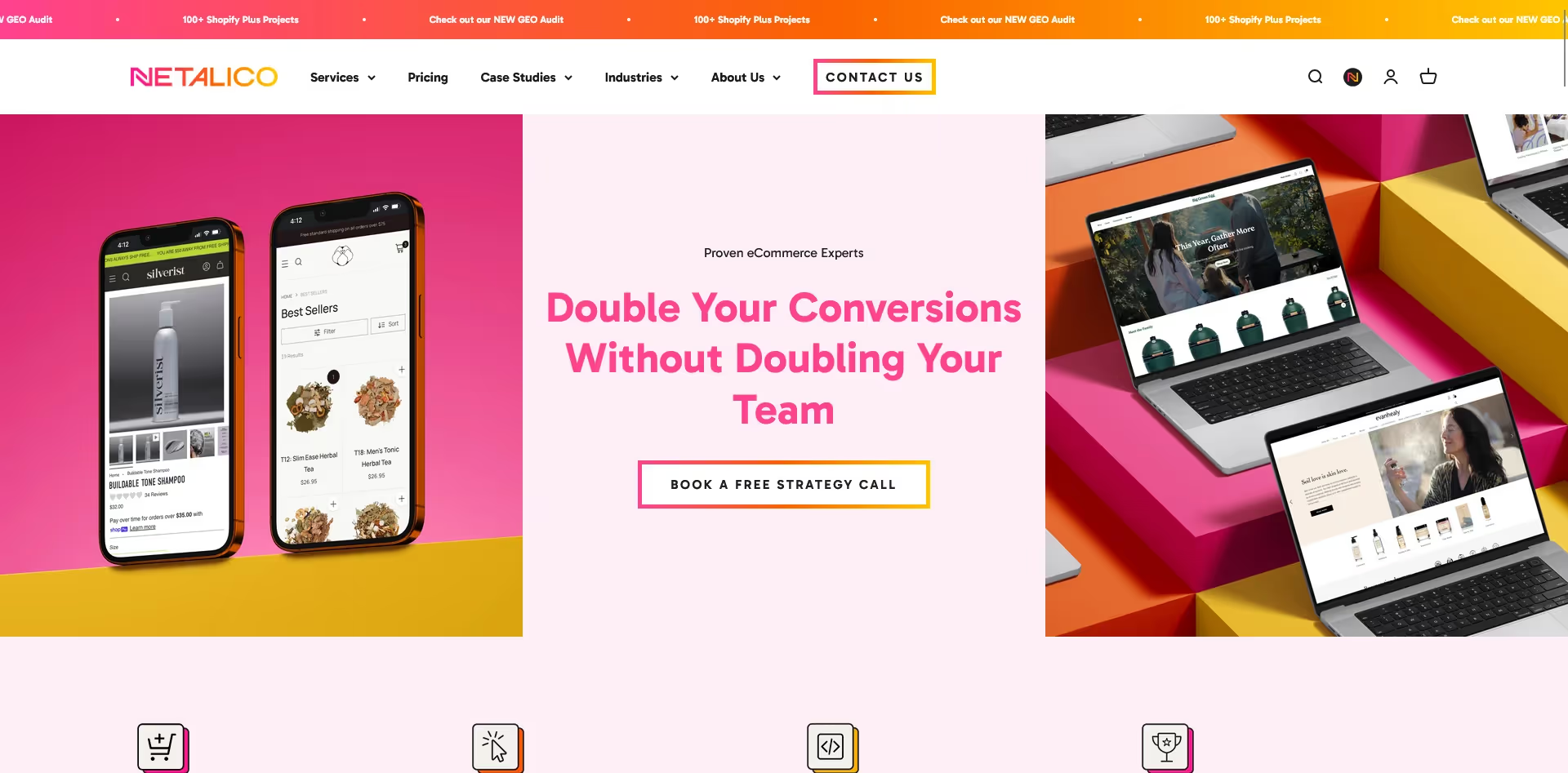
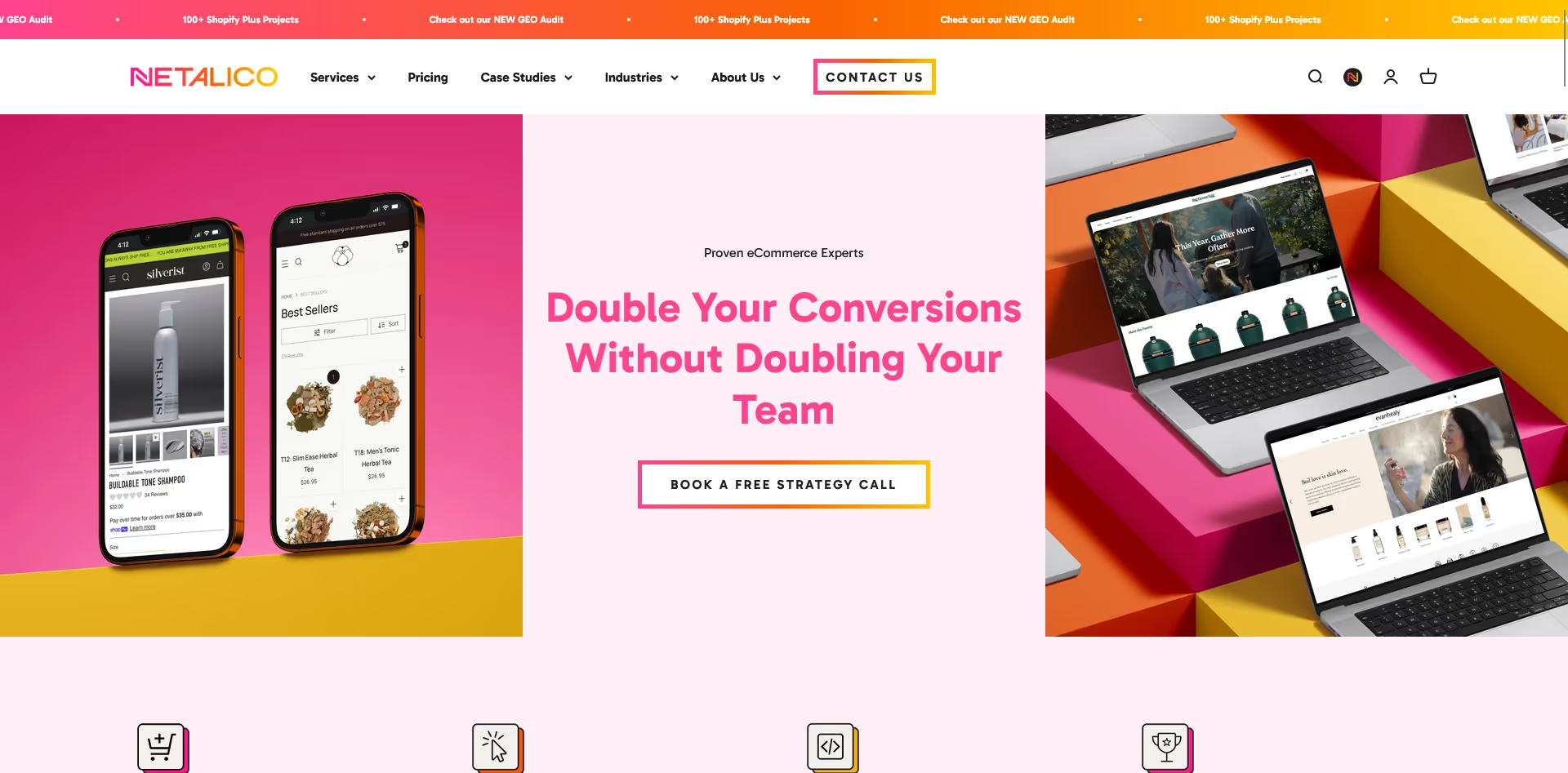
    Netalico, a Shopify agency focused on Shopify/Shopify Plus design & development.

    What Shopify Agencies Do

    The work Shopify agencies do is broad, but it tends to cluster into a handful of recurring buckets. Most agencies live in one or two of these and partner out for the rest.

    Not every agency does every one of these well, and the ones that claim to usually have a clear primary specialty underneath. Knowing what you need matters more than finding an agency with the longest service list.

    Build and migrate

    Custom theme work, headless builds, replatforming from BigCommerce or Magento, complex integrations with ERPs and 3PLs. This is the heaviest engineering work and usually the most expensive single bucket.

    Design and UX

    Visual design, mobile-first layouts, navigation and information architecture, brand systems applied across the storefront. Often paired with development, sometimes sold as a standalone discipline.

    Growth and marketing

    Paid acquisition (Meta, Google, TikTok), SEO and content, email and SMS lifecycle, organic social. Some agencies focus exclusively here and never touch the codebase.

    Conversion optimization

    Auditing the customer journey, identifying friction, running tests, and improving on-site merchandising. CRO agencies tend to bring the strongest pattern recognition because they’ve seen the same problems across many stores.
    CRO agencies like Blend Commerce are a common way for agencies to double down on one specialization

    Strategy and roadmap

    A smaller bucket, but real. Some agencies operate as fractional growth or ecommerce leadership, helping prioritize where to invest, sequencing work across channels, and translating business goals into a 12-month plan.

    The Different Types of Shopify Agencies

    Beyond the work itself, agencies differ in shape. There’s no universal definition of what makes an “agency”, exactly what an agency should do, and how they should operate.

    The shape is often what determines whether they’re the right fit, more than their portfolio.

    Full-service vs specialist

    Full-service agencies offer most of the buckets above under one roof: design, development, marketing, optimization. They suit brands that want a single partner to own a large surface area and that have the budget to support that scope. The tradeoff is that depth in any one area is rarely uniform; the development team and the paid media team are often in different leagues.

    Specialists go narrow on purpose. A CRO-only shop, a Shopify Plus development studio, a Klaviyo-focused lifecycle agency. They’re usually deeper in their lane but require you to coordinate across multiple partners. For most growing brands, a small constellation of specialists outperforms a single generalist agency, as long as someone internally can play conductor.

    Shopify Plus-focused vs broad

    Some agencies work exclusively with Shopify Plus merchants, typically brands doing $10M per year and up. Their processes, pricing, and engagement models are tuned for that scale. They’re overkill for early-stage stores and frequently won’t take them on.

    Other agencies work across the full Shopify spectrum, including newer stores. These tend to be more flexible on scope and pricing but lighter on the kinds of complex builds and integrations larger brands need.
    Some agencies, like Commerce-UI, specifically target the needs of high-revenue Shopify Plus brands

    Regional and vertical specialists

    Some agencies build a moat around a region (UK, ANZ, France, Mexico) or a vertical (wine, beauty, B2B, fashion). The advantage is that they understand the local market, common integrations, or category-specific buying behavior in a way generalists don’t. The tradeoff is a smaller pool, which matters more if you’re scaling internationally or operating across categories.

    Project shop vs embedded partner

    This one is less about how an agency markets itself and more about how they operate. 

    Project shops scope work, deliver it, hand it off, and move on. Embedded partners function more like an extension of your team. They’re in your Slack, they know your roadmap, and they think in quarters or years rather than statements of work.

    If you’re looking for a long-term partner, the project shop model usually doesn’t get you there, even if the individual deliverables are good.

    What Fits What Kind of Store

    There’s no universal best agency, only the best fit for your stage and situation.

    • If you’re early-stage DTC, finding product-market fit: A full-service Plus agency is usually too heavy. You’re better served by a small specialist or a high-end freelancer for the most acute gap, typically design or paid acquisition. Save the bigger agency relationship for when you have stable revenue and a clearer growth thesis.
    • If you’re a scaling Plus brand with a single big gap: The right move is usually a specialist. If conversion is the bottleneck, hire a CRO agency. If the codebase is the bottleneck, hire a Plus development studio. Don’t pay for full-service breadth when you only need depth in one discipline.
    • If you’re replatforming: A migration specialist or a Plus-focused development agency with a strong migration track record. SEO preservation, data integrity, and minimizing downtime are hard problems that reward experience. Look for agencies that can show you completed migrations, not only open ones.
    • If you’re an established brand needing a growth engine: A marketing-led agency or a paid-plus-lifecycle hybrid. At this stage, the codebase is usually fine; the gap is in turning steady traffic into compounding revenue. Agencies with strong CRO and lifecycle chops typically deliver more than pure paid shops.
    • If you’re a multi-region, B2B, or operationally complex brand: A Plus-focused full-service agency, or a tightly coordinated pair of specialists. Complexity rewards continuity, and these are the cases where having a single partner who knows your full stack actually pays for itself.

    The honest version of this is that most stores cycle through several agencies as they grow. 

    The first one might handle a redesign. The second might own paid. The third might be a long-term Plus partner who takes over the build. 

    You might also work with one agency that manages development for your store, another that does paid ads and CRO, and another that runs email marketing.

    That’s normal. The goal is to make each of those decisions on purpose, not by default.

    Where to Find a Shopify Agency

    Once you know what kind of agency you’re after, the search itself is the easier part.

    The Shopify Experts directory is the official starting point. It’s filterable by service type, region, and certification level (Shopify Partner, Plus Partner). It’s most useful for shortlisting, less useful for evaluating quality, since the bar to be listed is lower than the bar to be a good fit.

    Curated lists. Top-agency lists from operator-focused publications surface names that show up consistently in real conversations rather than paid placements.

    Recommendations. Talk to other brand owners, read newsletters, listen to podcasts, go to conferences, join communities, and get first-hand from successful operators who they’ve worked with and recommend to others.

    A few agencies that come with strong recommendations from operators we talk to include:

    • Netalico is a Plus-focused agency with strong technical and design depth, known for migrations and ongoing partnerships with brands like Oatly, Big Green Egg, and Feetures. (contact page)
    • Commerce-UI is a design-led Plus agency that does Liquid and headless builds for premium brands like Carhartt WIP, Oura Ring, and Pangaia. (contact page)
    • GetDevDone is an engineering-heavy partner with a large team, often used as a white-label development resource by other agencies as well as by direct clients. (contact page)
    • Blend Commerce is a Shopify marketing agency that focuses on Customer Value Optimization (CVO) – optimizing the lifetime value you get from each customer. (contact page)
    • Fourmeta is a UK-based Shopify and Shopify Plus agency focused on measurable revenue growth and long-term collaborations. (contact page)

    These are examples of what a strong, established Shopify agency profile looks like. Check out more resources online, ask around, and get recommendations from brands who have been in the same position as you, to find the right agency partner for your business.

    What Makes a Good Long-Term Partner

    The agencies that turn into long-term partners share a few things in common, and most of them aren’t about technical skill.

    They take time to learn your business before pitching solutions. The first month is heavy on questions and audits, not deliverables. They’re willing to disagree with you when they think a brief is pointed in the wrong direction. They communicate when something is going off track instead of waiting until the next status update. They’re honest about the limits of their lane and bring in other partners when the work calls for it.

    The relationship deepens because the agency keeps building context. They know what you tested last year, why a project got shelved, which campaigns are sacred and which are up for revision. That accumulated knowledge is what makes year three with the right agency more valuable than year one with any new one.

    If you’re evaluating an agency for a long engagement, less of the conversation should be about their portfolio and more about how they work. 

    How do they onboard? Who’s on the account day to day? How do they handle disagreement, scope creep, or a project that’s behind? 

    Those answers tell you whether you’re hiring a vendor or a partner.

    Building a Mobile App for Your Shopify Store

    If a mobile app is on your roadmap, that’s one of the few jobs where most Shopify agencies will refer you out. Native mobile development is a specialist discipline that rarely sits within a general Shopify agency.

    Vendrux is built for that gap. We extend your existing Shopify store into a high-quality iOS and Android app, including your theme, custom functionality, integrations, checkout, and the apps and workflows you already rely on. The result is a native app that mirrors your full site experience, not a stripped-down version of it.

    We’ve launched mobile apps for established Shopify brands including XCVI, Kiokii, MASC, and Yon-Ka Paris, with most going live in 4 to 6 weeks. Pricing starts at $1,499/month, with a one-time setup fee that covers the build and launch of your app.

    Just a few examples of successful apps built with Vendrux

    If you want to see what your app could look like, book a free app preview and we’ll build a working prototype for you to check out. We’ll present it on a call where you learn all there is to know about the process, how we work, and what a mobile app can do for your store.
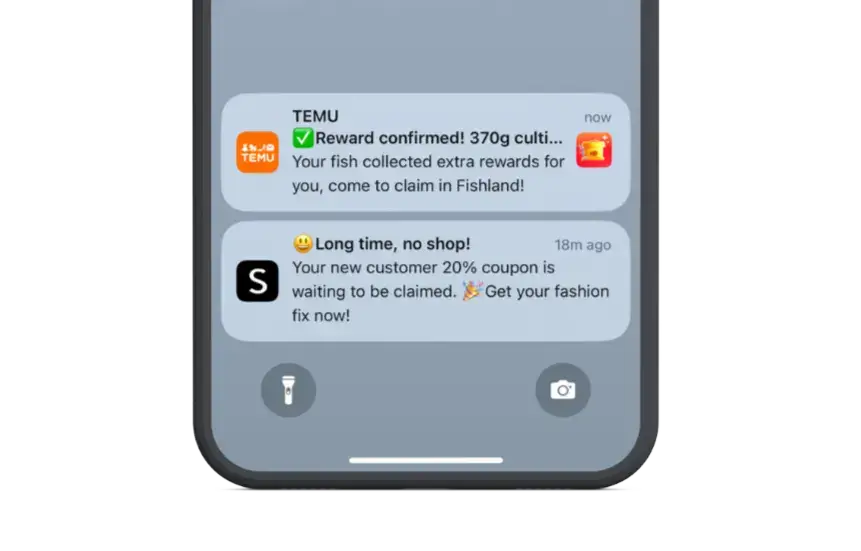
  • The Secrets Behind Shein and Temu’s Push Notifications that Drive Repeat Sales

    The Secrets Behind Shein and Temu’s Push Notifications that Drive Repeat Sales

    Push notifications are a secret weapon for eCommerce brands. They’re cheap, direct, personal, and all in all, a super-effective way to build relationships with your customers and drive sales.

    But push may not be such a secret for much longer. Shein and Temu, the fast-rising giants disrupting the eCommerce industry, both rely on push notifications as a core part of their strategy.

    Their users receive frequent notifications with discounts, gamified promotions, abandoned cart reminders, and much more – all of which help retain the customer’s attention and form a long-term habit.

    __wf_reserved_inherit

    Shein and Temu wouldn’t be the two fastest rising names in eCommerce without push notifications. Read on and learn why push notifications are so important to them, and get a peek into how these two brands utilize push to deliver sustained, long-term revenue.

    The first goal: getting you into the app

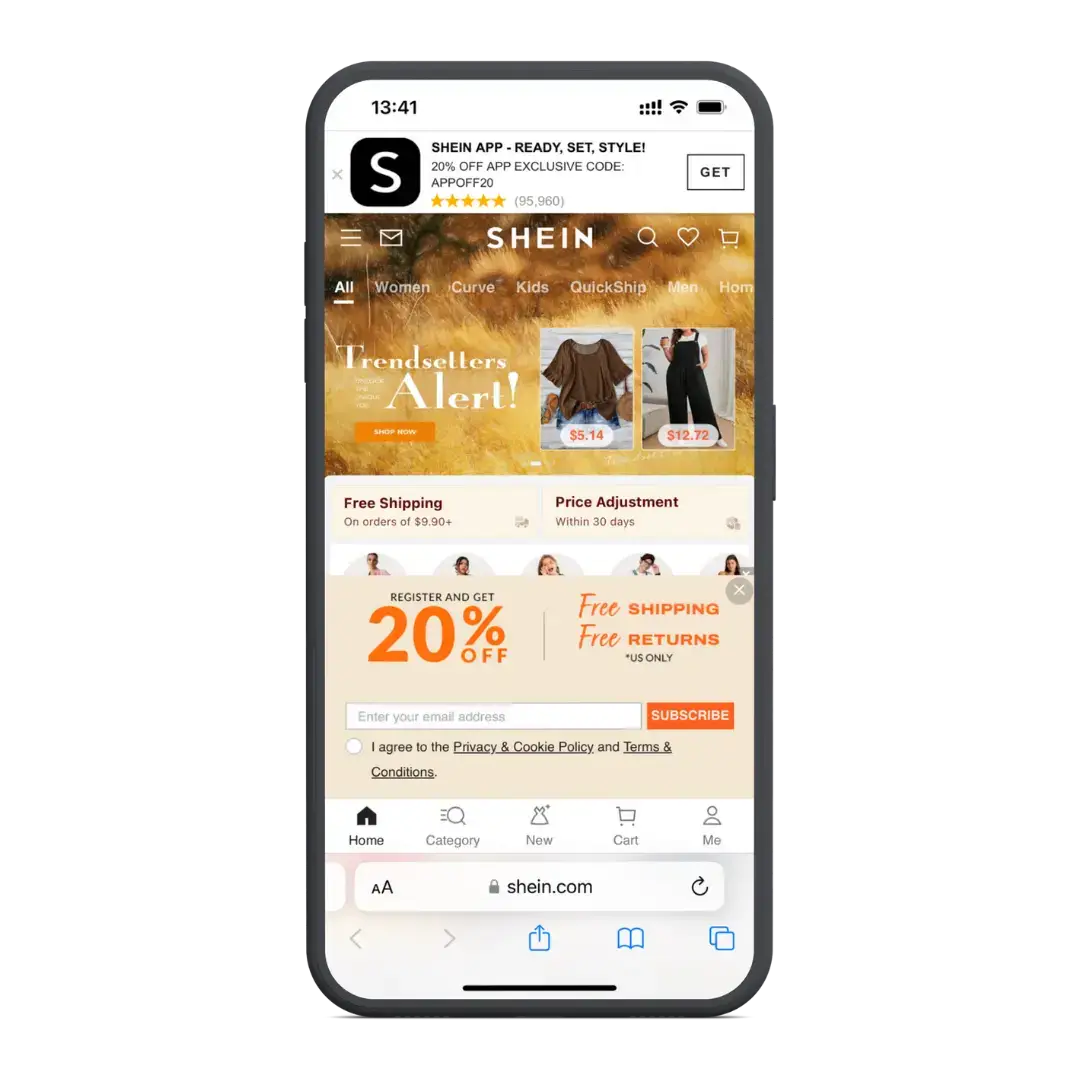
    One of the first things both Shein and Temu do when you visit their mobile website is try to get you to download their app.

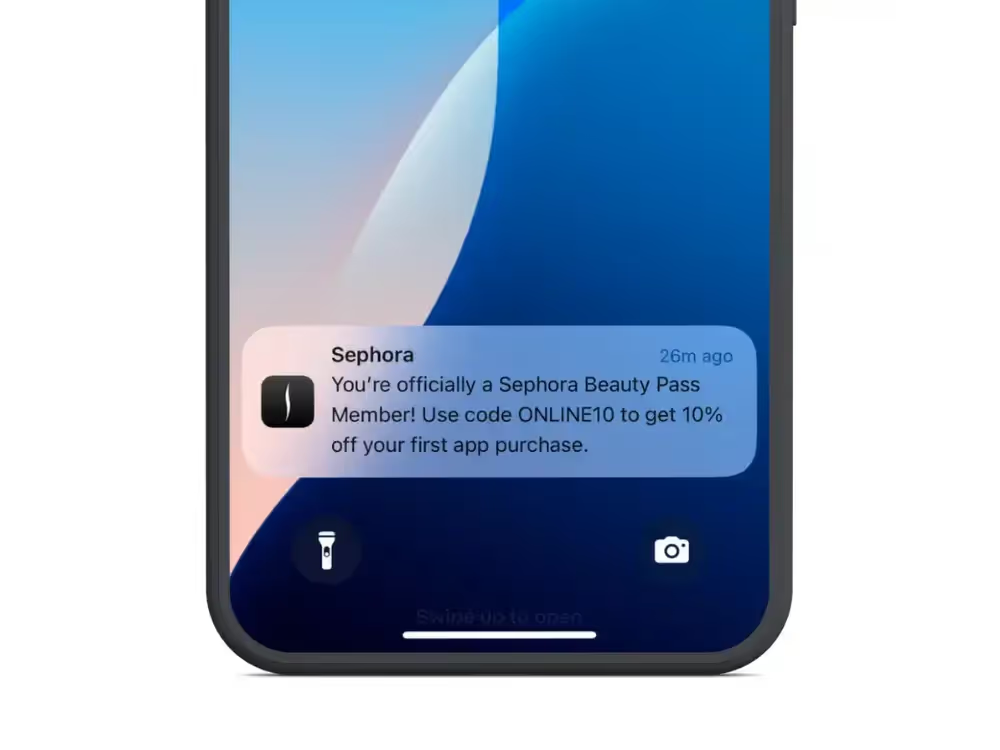
    There are banners across the top and/or bottom of the screen and the offer of an exclusive discount on your first app purchase.

    __wf_reserved_inherit

    On some of their ubiquitous “spin to win” games, you win an amazing deal that you can only redeem in the app.

    __wf_reserved_inherit

    A large part of their long-term success is tied to getting you into the app, where they can start leaning into powerful engagement tools like push notifications.

    The crucial role of push notifications in Shein & Temu’s engagement strategy

    The first thing most people think about with Shein and Temu is price.

    They’ve become known for offering a huge range of products at basement level prices (you can scroll for some time before even coming across anything that costs more than $10).

    And that’s before you take into account all the discounts you get from their in-app games.

    __wf_reserved_inherit
    Huge discounts, on top of already low prices, are a regular sight in the Shein and Temu apps

    There’s no way Shein/Temu can make money if every customer just took advantage of the great introductory offers and bought only one or two things. 

    The key is to generate purchases at a high volume and high frequency.

    They need you to come back and shop regularly – as much as multiple times per week – and when you do, you load up your basket with multiple products.

    Push notifications are key to making this happen. They command the user’s attention, ensuring the brand remains top-of-mind and shopping on the app becomes a habit.

    Attention-grabbing and habit-forming

    Shein and Temu’s use of push notifications are designed to constantly get your attention, so that you never go a day without either thinking about them, or (ideally) opening the app and looking around.

    __wf_reserved_inherit

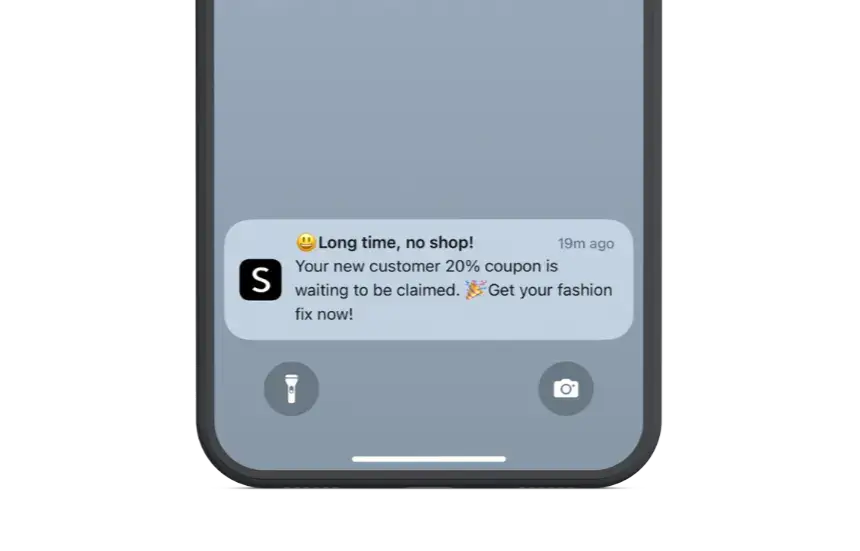
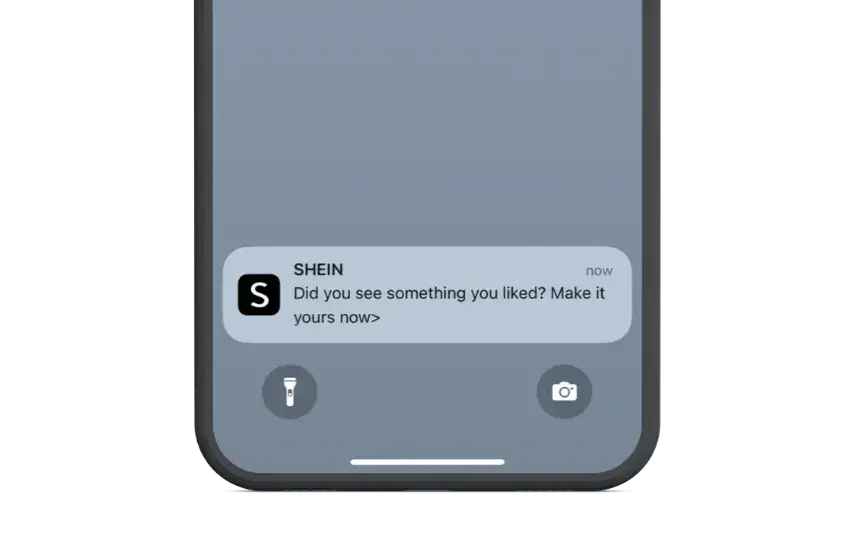
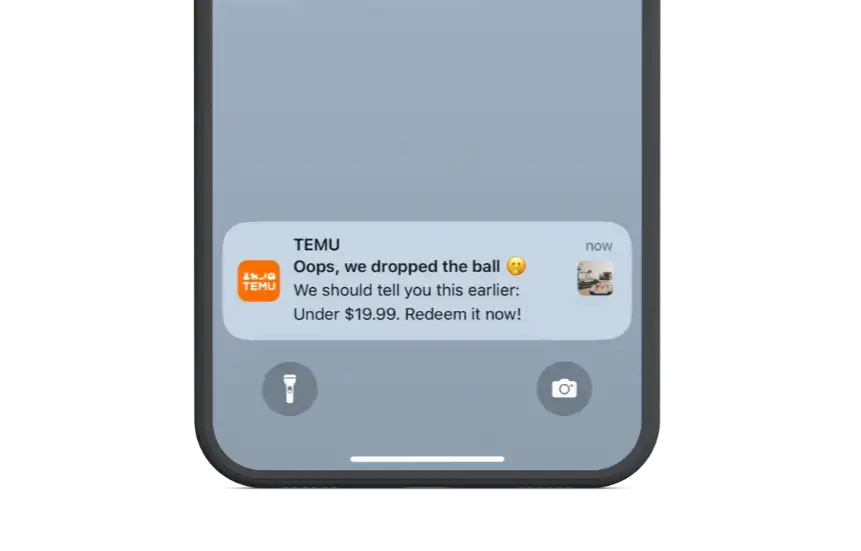
    You get notifications for new rewards, new promotions and offers, abandoned cart notifications, browse abandonment notifications and more, all letting you know what you’re missing out on by not using the app.

    __wf_reserved_inherit

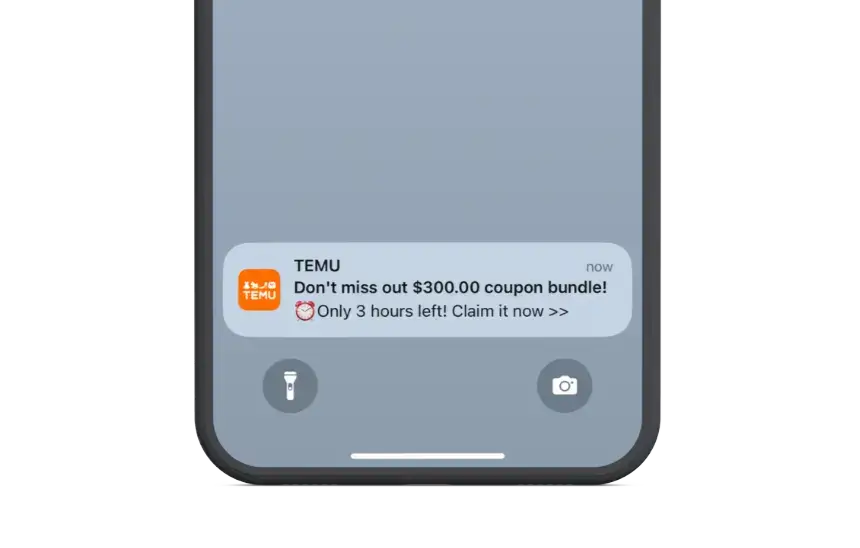
    Terms like “now”, “don’t miss out” or other words used to convey urgency are used in almost every message, playing on the user’s innate fear of missing out (FOMO).

    __wf_reserved_inherit

    The message doesn’t necessarily need to convert. It’s enough to get the user into the app, and over time, build a habit of using the app every day.

    Their apps feel at times more like a gaming app or social media app than a shopping app, with the heavy gamification and the infinite scrolling product feeds, similar to a social app’s news feed.

    Like Instagram or TikTok, they’re designed to become a routine part of your day. When you’re bored, when you’re on a break from work, on the train, you open the app and scroll away – and after enough time, you’ll probably end up buying something.

    Push notifications play a huge part in building the foundation of this habit.

    High frequency, increased retention

    An interesting thing to note about Shein and Temu’s push notifications is that the copy is not brilliant.

    Though urgency and scarcity tactics are used well, the copywriting itself is very basic, verging at times on being poorly written.

    __wf_reserved_inherit

    This shows that it’s not about coming up with the perfect message to convert the reader right there on their lock screen. It’s about occupying their attention.

    Best case, the user opens the app and starts shopping. If not, the push notification at least ensures that the brand is never far from their mind.

    __wf_reserved_inherit

    This is perhaps a key reason why brands who send more frequent push notifications have higher retention rates.

    Data shows that retention rates for retail apps are 2-5x higher when the app sends weekly push notifications, and 3-6x higher when the app sends daily push notifications.

    With push notifications being so cheap to send, with such high visibility, every message doesn’t need to result in a sale. They already pay for themselves by the impact they have in capturing a small part of your customer’s headspace, and building the foundation for a fruitful and valuable long-term relationship.

    How your brand can leverage mobile apps and push notifications for long-term revenue

    Whether or not you aim to disrupt the global eCommerce market like Temu and Shein, your brand can still take some insight from what these brands have done to build a name for themselves.

    They utilize mobile apps and push notifications brilliantly, and use these tools to build habits and occupy far more of their customers’ attention than would ever be possible with only a website and email marketing.

    Today, every brand should be doing the same, offering a mobile app alongside their website and using push notifications to grow brand awareness and drive more engagement.

    Vendrux makes this easy, by letting you launch an app for minimal effort, an affordable cost, and low overhead.

    You’ll be able to use push notifications, and hold more of your customers’ attention than ever before.

    Just see some of the other successful brands we’ve worked with, helping them build amazing apps that drive long-term revenue.

    If you want to learn more about how Vendrux can help you build and maintain low-cost, high-ROI mobile apps, fully synced with your existing website and tech stack, get in touch with us and book a free demo now.

  • How Shein and Temu Leverage Mobile Apps to Keep Users Hooked

    How Shein and Temu Leverage Mobile Apps to Keep Users Hooked

    In just a few years, Shein and Temu went from unknowns to household eCommerce names. Today, each platform draws tens of millions of users, and generates billions in annual revenue.

    Both brands utilize similar strategies to explode on the scene, centered around engagement at all costs – and their apps are a core part of their success.

    While the goal for your brand might not be to launch the next Shein or Temu, you can learn a lot about the tactics used by these brands, drawing on basic human psychology to attract shoppers and keep them as engaged, long-term customers.

    Read on and get some key insights into the factors at work behind these two brands’ success, and why they couldn’t do it without mobile apps.

    Disrupting the eCommerce market

    Launching an eCommerce platform to compete with a giant like Amazon is not something many experts would recommend.

    Yet that’s what these two brands did. Shein and Temu are currently the two most downloaded apps in the world, having been completely off the radar not so long ago.

    Shein has more than doubled its annual users since 2021, while Temu’s growth curve is even steeper, having gone from 5.8 million users in 2022 to more than 100 million.

    A lot of the same tactics are at the core of their success, including a mobile-first strategy, which represents a timely bet on the mobile commerce market which now accounts for almost 60% of all eCommerce sales worldwide.

    How mobile is the centerpiece of Shein and Temu’s strategy

    Both brands clearly have a mobile-first, app-first approach.

    The websites are fully functional and perfectly usable on their own. But the main goal of the website is to funnel users into their app.

    Mobile web visitors are immediately served with CTAs to download the app, and app-only discounts.

    __wf_reserved_inherit

    One of Temu’s trademark “spin to win” game offers the three free items, which they can only redeem in the app.

    __wf_reserved_inherit

    The goal is clear – get you into the app.

    Once they get someone to download their app, they can turn their engagement tactics up to 11, and start using push notifications to get the user hooked.

    The gamified shopping experience

    The biggest thing that stands out about these apps is the heavy use of gamification.

    Nearly every time you open the app, you get a new “spin to win” game, with the chance to win coupons offering as much as $300 off.

    It doesn’t stop there – games are followed by more games, like a chance to “cut down” the minimum purchase threshold, reducing the amount you have to spend before you can redeem your coupon.

    __wf_reserved_inherit

    Temu’s app even has a whole page of different games, with the chance to win freebies, discounts and bonus shopping credit.

    __wf_reserved_inherit

    Often, after you win a discount, you’ll enter into a shopping spree-like experience, where you have a limited time to spend your prize, or earn credit, which is presented as if you’re playing to set a high score.

    __wf_reserved_inherit


    __wf_reserved_inherit

    The apps also include referral programs and loyalty programs, which are dressed up and designed more like games than pages in a shopping app.

    __wf_reserved_inherit

    Classic engagement and CRO tactics

    Few of the tactics used by Shein and Temu are actually new.

    The apps make heavy use of urgency and scarcity, such as stating “Only X Items Left in Stock”, or putting a ticking clock alongside discounted products.

    They also leverage social proof (products show an estimated number of items sold next to their price) and price anchoring, with strikethrough pricing to show the huge discounts you can get (as long as you buy before the sale ends or stocks run out).

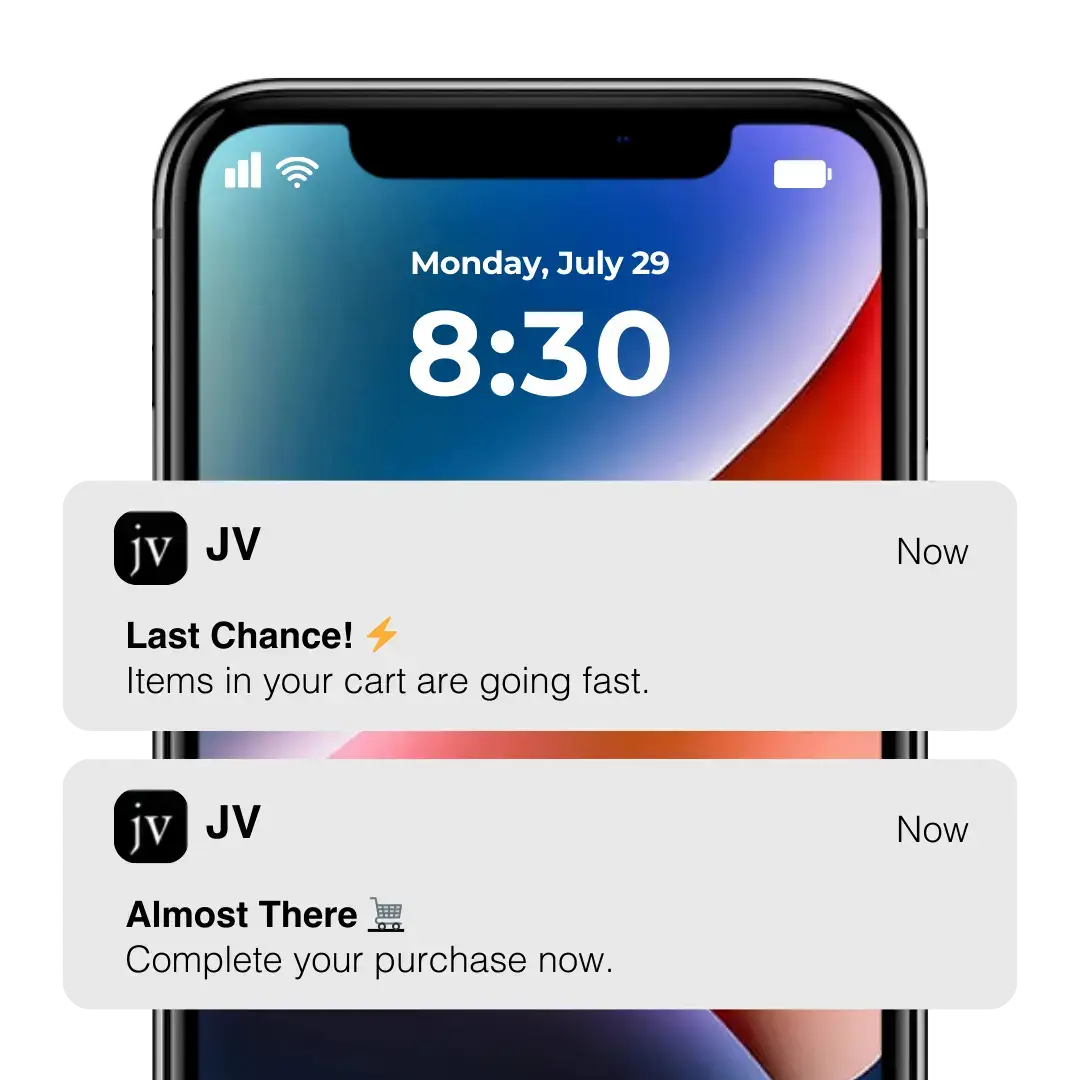
    If you dare to close the app, it won’t be long until you get a push notification pulling you back in – such as abandoned cart notifications which usually offer an additional discount to get you to finish your purchase.

    __wf_reserved_inherit

    None of this is particularly new or innovative. Retail brands have been using tactics like urgency, scarcity, price anchoring and social proof for decades, even before eCommerce and eCommerce apps were a thing. Push notifications, too, are a core part of any shopping app’s toolkit.

    What is innovative about their use of classic engagement and CRO tactics is the level to which they are utilized.

    These psychological devices are everywhere. Shein and Temu never miss a chance to offer a coupon, display a product on special, show a ticking timer, or send a push notification, to increase the chance of the user making a purchase.

    Not your typical shopping app

    The remarkable aspect of Shein and Temu’s apps is how they blur the lines between shopping, gaming, and social apps—two types of apps that are known for generating engagement on a massive level.

    As we know, gamification is a core part of their strategies. It’s not just the functional aspect of using games to dispense coupons and special offers, but the design, and the reaction the games elicit.

    At times, the apps look more like what you would expect from something like Candy Crush or Angry Birds.

    Like gaming apps, the design elicits a dopamine hit from the user, which keeps them coming back.

    __wf_reserved_inherit
    __wf_reserved_inherit

    At the same time, these apps are built almost like social media apps.

    People around the world scroll for hours a day on apps like Instagram, Facebook and TikTok.

    What draws such high levels of engagement is not necessarily the content, but the act of scrolling itself.

    It provides a constant stream of small dopamine hits, and a fun way to fill the time when you’re bored.

    For a long time, brands have sought to capture social media users’ attention with a well-designed, well-timed ad on their news feed.

    Shein and Temu have removed the middleman and given users a similar scrolling experience, where these brands instead have 100% of the user’s attention.

    The infinite scroll on these apps is essentially the same as an Instagram or TikTok feed. 

    Users can scroll, and scroll, and scroll, and the longer they do this, the more likely they are to be tempted into making a purchase.

    Shein and Temu want their app to sit next to Instagram, TikTok and Facebook, as one of the first things people open when they pick up their phone, as a way to pass the time.

    Once they’re in the app, the brands are banking on their gamification and CRO tactics to inevitably convert mindless scrolling into sales.

    What can your brand take away from Shein and Temu’s success?

    There’s no doubt that Shein and Temu’s strategy is working. There’s billions of dollars in revenue and hundreds of millions of app downloads to attest to that.

    So what are the key takeaways for other brands, who may be looking to utilize similar tactics to grow engagement and revenue?

    Here are a few points to take on board.

    Retaining users’ attention with mobile apps

    Both brands set out right away to move website visitors into their app. Once they’re in the app, it’s a lot easier to keep someone’s attention, compared to a website, where they can easily navigate away or close the browser tab.

    All about engagement

    Shein and Temu are laser-focused on generating engagement. The more they can get you to engage with their app or website, the more they believe they’ll be able to convince you to buy something.

    Time in app is key

    With their infinite scroll and numerous engagement mechanisms, Shein and Temu’s apps are designed to maximize the usage time. The longer they hold on to you, the higher the chance that you’ll end up buying something.

    Classic CRO techniques work

    A lot of their CRO tactics are not new – strikethrough pricing, urgency, scarcity. They’re not reinventing the wheel, but just playing on classic psychological tendencies, such as FOMO and price anchoring.

    Increasing retention with push notifications

    Another major reason Shein and Temu want you to download their apps is to be able to send you push notifications.

    Once enabled, you’ll get notifications everyday, constantly pushing you to open the app, spin the wheel to win another prize, and keep shopping with them over and over again.

    It can’t be stated enough how impactful push notifications are. The ability to reach out to users directly on their phones, for minimal cost and with a high rate of visibility, allows these brands to turn one-off customers into habitual users.

    Putting it into practice

    While it might not make sense for your brand to replicate everything Shein and Temu do, they do give us some interesting lessons on how to drive customer engagement and retention.

    At the center of it all are their mobile apps, which allow them to capture users’ attention for longer, implement innovative gamification features, and use push notifications to retain your attention long-term.

    So if there’s one lesson you can take away and use for your own brand, it’s the value of having your own mobile app.

    Vendrux helps eCommerce businesses launch apps, for a low cost (no need to spend hundreds of thousands on development), low overhead, and low effort, due to our full-service approach.

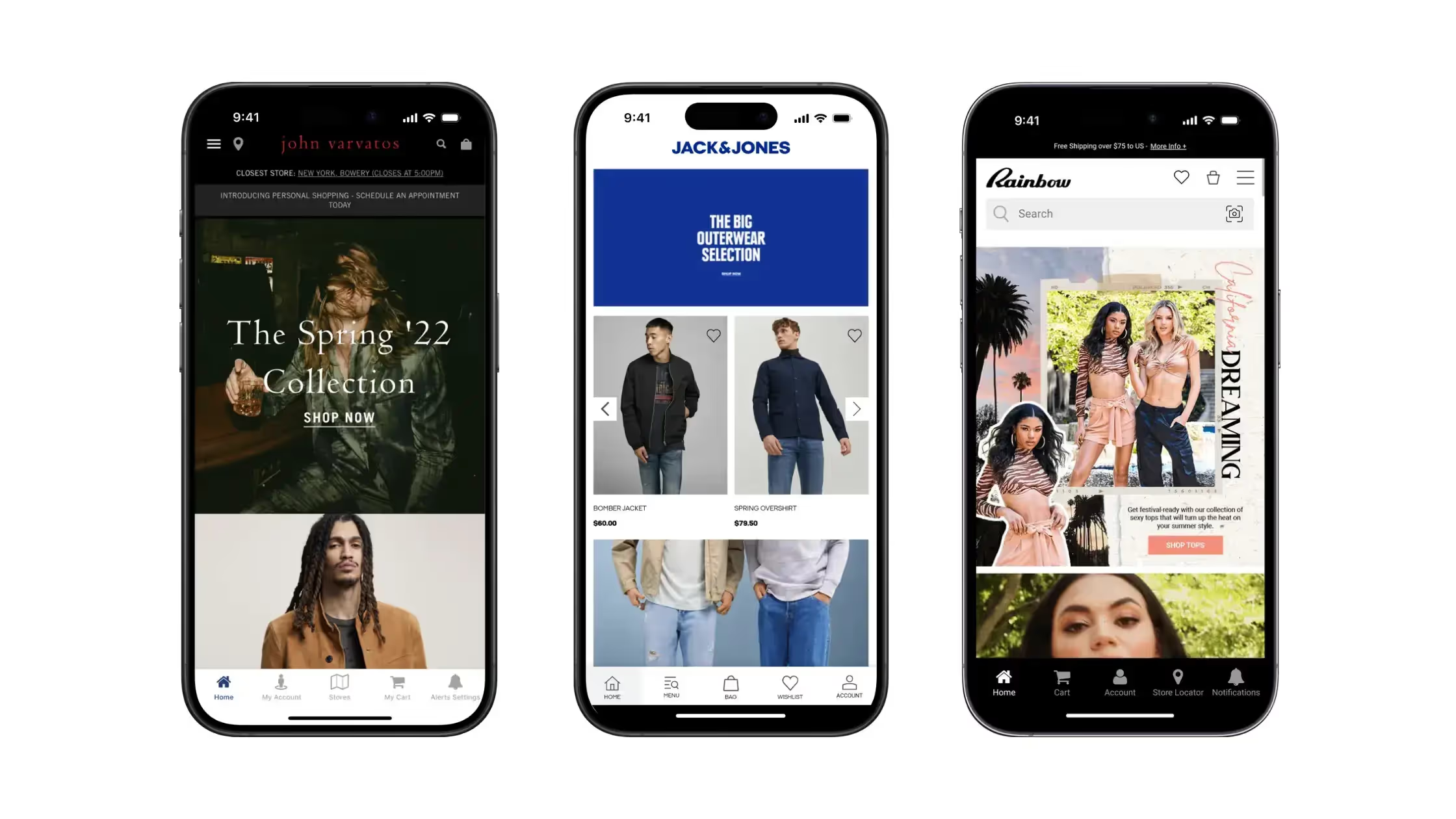
    This approach has worked wonders for many high-revenue brands already, including John Varvatos, Rainbow Shops, Bestseller, and many more.

    If you want to unlock the benefits of mobile apps, with none of the risk or downside, get in touch with us and book a free demo today.

  • Retention Marketing vs Acquisition (Why Retention-First Wins Long-Term)

    Retention Marketing vs Acquisition (Why Retention-First Wins Long-Term)

    Every DTC brand faces the same challenge: balancing customer acquisition and retention. 

    The default instinct (especially for early-stage brands) is to pour money into acquisition, running Meta and TikTok ads, optimizing for conversions, and driving new traffic to the site.

    It’s the sexy part of growth: big ad spends, viral campaigns, and hockey-stick charts. 

    But here’s the problem: acquisition costs are rising fast, and new customers don’t always mean profit.

    Want the latest insights into how 7, 8 and 9-figure brands are driving sustainable growth? That’s what you get with our weekly newsletter, The Retention Edge. Subscribe for free today.

    Retention vs Acquisition: The Growth Dilemma

    With CPMs increasing across all major ad platforms, the days of cheap customer acquisition are long gone.

    A brand that ignores retention in favor of acquisition will quickly find itself stuck in a cycle of unprofitable growth—spending more and more to acquire customers who don’t stick around.

    Yet you can’t just ignore acquisition. Every brand needs to bring in new customers in order to grow.

    But ultimately, the ROI of retention marketing works out to be more profitable long-term.

    Thesis: Why Retention Wins in the Long Run

    It’s always cheaper to sell to an existing customer than to acquire a new one. 

    Retention compounds over time; the longer a customer stays, the more they spend.

    Retention also makes acquisition more sustainable—If you increase LTV, you can afford to spend more on CAC without losing money. 

    Retention isn’t about choosing not to acquire new customers. It’s about making sure that every customer you bring in delivers maximum value over time.

    Why Acquisition Is Becoming Increasingly More Expensive than Retention

    Consider this: The average DTC brand loses 70-80% of new customers after their first purchase (depending on the industry). 

    That means your growth strategy might actually be more like a treadmill. 

    Retention flips the script by turning one-time buyers into loyal advocates, creating a flywheel effect that powers sustainable growth.

    Let’s dive deeper into why the ROI gap between acquisition and retention is getting wider by the day.

    The Cost of Paid Ads is Skyrocketing

    The days of $5 Facebook CPAs are long gone. Here’s why:  

    • Meta & TikTok CPMs are rising due to increased competition.
    • iOS privacy changes (App Tracking Transparency) mean retargeting is harder, making acquisition more expensive.
    • Organic reach is shrinking, forcing brands to rely on paid ads.  

    DTC brands that built their entire business model around cheap paid acquisition (think early Gymshark, MVMT, etc.) are now struggling to maintain profitability. 

    The playbook that worked in 2015 (hyper-targeted ads, low CPAs, and endless scaling) has been disrupted by a crowded market and stricter data regulations.

    Meanwhile, iOS 14.5’s ATT update slashed ad attribution accuracy—marketers report a 20-30% drop in ROAS (return on ad spend) overnight. 

    The result? Brands are spending more, for a lower return.

    The Math: Acquisition vs Retention

    The data shows just how much more financially efficient retention is.

    • Acquiring a new customer costs 5-7x more than retaining an existing one.  
    • A 5% increase in retention can increase profit by 25-95%.  
    • The best DTC brands get 50%+ of revenue from returning customers (compared to

    The cost benefits of sales from repeat customers are so much better.

    Since it costs less to convince an existing customer to buy (rather than someone new to your brand), and repeat customers typically spend more, retention marketing is always going to be more cost-effective.

    The CAC-to-LTV Ratio: The Metric That Really Matters

    The relationship between CAC and LTV tells a lot about the health of your business.

    • If CAC > LTV, you’re in trouble.
    • If CAC
    • If LTV increases, you can afford to scale faster and spend more on acquisition.  

    Here’s a quick example: Say your CAC is $50 and your average LTV is $75. 

    You’re netting $25 per customer. Decent, but not scalable. 

    Now, boost retention so LTV jumps to $150. Suddenly, you’re netting $100 per customer, and you can double your ad spend (and accelerate growth), without losing money on each customer you bring in.

    That’s the magic of retention. It doesn’t just save money; it unlocks growth. 

    (of course, there’s a limit to this. You can’t afford to wait years to pay back a customer’s acquisition costs, and it’s always great if you can achieve first-order profitability).

    Learn more: 11 Proven Ways to Boost Customer Lifetime Value

    The Compounding Effect of Retention Marketing

    The best part about retention marketing is that it compounds.

    The longer someone remains a customer, the more they spend, and the more profitable they become.

    Take Dollar Shave Club—they turned a $10 razor into a $1B business by locking in subscribers who reorder monthly. 

    Compare that to flash-sale brands who constantly rely on new customers coming in the door to pay the bills.

    The Power of Repeat Purchases

    A one-time customer might buy once and never return. But a retained customer:  

    • Spends more over time (returning customers have a higher AOV)  
    • Buys more frequently (more touchpoints mean more opportunities to sell)

    Example: A customer who makes four $50 purchases in a year is 4x more valuable than a one-time $75 customer.

    Why do returning customers spend more?

    Trust. 

    They know your brand, love your product, and don’t need convincing. 

    LTV Reduces Dependency on Acquisition

    A brand with strong retention doesn’t need to constantly acquire new customers to sustain growth.

    This is vital today, with so much uncertainty around traditional paid acquisition channels.

    Example:

    • Brand A (low retention): Needs to acquire 100,000 new customers per year just to maintain revenue.
    • Brand B (high retention): Can grow revenue even if new customer acquisition slows down.

    Look at a brand like Patagonia

    Their retention game is so strong—built on quality products and a loyal, values-driven community—that they can afford to scale back acquisition during lean seasons.

    Meanwhile, a low-retention competitor is stuck frantically buying ads to replace the 80% of customers who ghosted them.

    Retention = Lower Marketing Costs

    The biggest cost in ecommerce isn’t your product. It’s getting someone to buy it. 

    A high retention rate means:  

    • Lower reliance on paid ads.
    • More revenue from low-cost channels like email, SMS, and push notifications.  
    • Higher conversion rates (customers who know your brand convert faster).
    • More reach via viral/word of mouth marketing (loyal customers are more likely to tell their friends and family about your brand).

    A higher share of revenue from retention increases your overall marketing efficiency ratio, which means you keep a greater percentage of each sale you make.

    Retention Scales Infinitely (Acquisition Doesn’t)

    When optimizing acquisition, there’s always a limit to how low you can drive CAC.

    Acquisition caps out when the market’s saturated—retention just keeps climbing.

    • You can always optimize post-purchase flows, subscription models, and loyalty programs.
    • A single customer can buy 10-20x over their lifetime (especially with consumables, such as supplements or beauty products). 
    • The more customers you retain, the bigger your owned audiences (email & SMS lists, mobile app users).

    Think about a coffee brand (e.g. Death Wish). 

    One retained subscriber might order 20 bags a year ($300+ LTV) vs a one-time buyer’s $15. 

    Scale that to 10,000 subscribers, and you could cut ad spend and still have a $3M revenue stream.

    Acquisition’s Role in Your Growth Strategy

    Despite everything we’ve said, it’s unrealistic that any brand is going to switch off paid acquisition altogether, no matter how bulletproof their retention marketing strategy is.

    Even Coke and Nike run ads.

    So acquisition will always have a place, if you want to grow your business.

    Why Acquisition is Still Essential

    You can’t retain what you haven’t acquired. Acquisition fuels the funnel, and brings new customers you can mold into royal, repeat buyers.

    Acquisition is the spark; retention is the fire. 

    Early-stage brands need to lean hard into retention to grab attention and get their first customers in the door.

    From there, retention marketing can kick in and start nurturing buyers into high-value repeat customers.

    Adapting Your Strategy by Industry

    Not all brands have the same retention potential:

    • Consumables (food & beverage, skincare, supplements) → Retention is the primary growth driver. 
    • High-SKU, mid-high frequency products (apparel, consumer electronics, toys & hobbies) → Retention is key, but typically not enough on its own.
    • One-time purchases (mattresses, furniture, luxury goods) → Must prioritize acquisition + referral loops.  

    The key is to align your strategy with your product’s natural repeat purchase behavior.

    Skincare brands thrive on replenishment cycles—customers use up and reorder products at a predictable rate, meaning if customer retention is good enough it can fuel your growth without new customer acquisition.

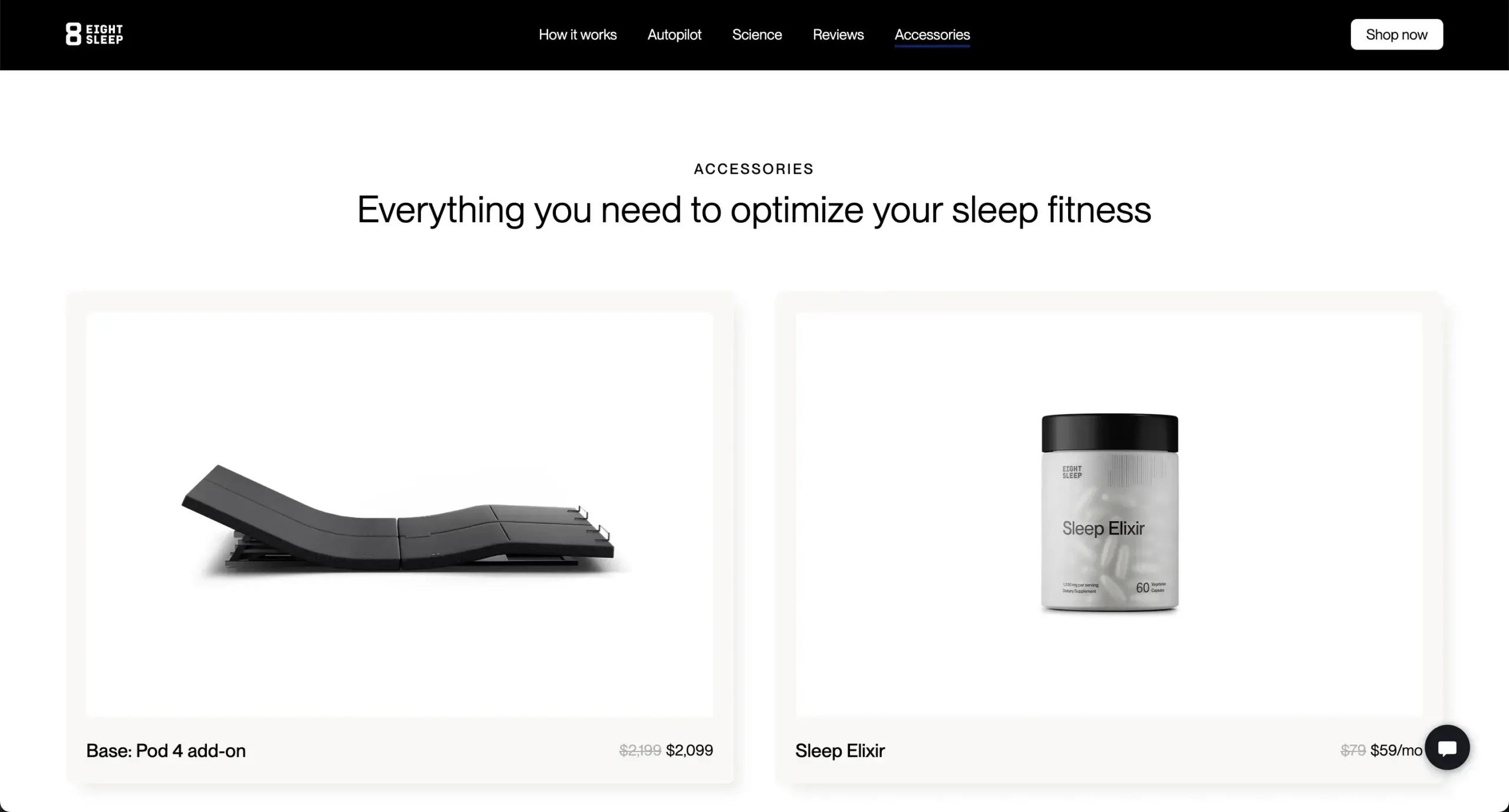
    Contrast that with a mattress company like Eight Sleep, where a long-term (10 years plus) purchase cycle means they can’t survive without acquiring new customers.

    Yet even they lean on upsells and products with a shorter purchase cycle (sheets, pillows) to stretch LTV.

    Eight Sleep has even recently launched a consumable subscription product (the Sleep Elixir sleep supplement), which tells you all you need to know about the value of high-retention products.

    __wf_reserved_inherit

    The Retention Marketing Playbook (How to Maximize LTV)

    So how can you build a bulletproof retention marketing strategy, that allows you to drive more revenue from repeat customers?

    Here’s a 5-point playbook that will help you flip your acquisition/retention ratio in favor of retention.

    1. Email & SMS Marketing

    Email and SMS are the core pillars of your retention marketing strategy.

    • Set up automated flows (post-purchase, win-back, replenishment).  
    • Use segmentation & personalization (recommendations based on past purchases). 
    • Leverage SMS for urgency (abandoned carts, limited-time offers).  

    Post-purchase emails with a “Thanks for your order!” plus a 10% off next-purchase coupon are a powerful way to lift repeat rates, while win-back flows targeting lapsed buyers—say, “We miss you! Here’s $15 off”—recover a lot of churned customers.

    Learn more: How to Craft High-Converting Abandoned Cart Sequences

    2. Loyalty & Rewards

    Build programs that incentivize customers to come back and shop more often.

    • Subscription models (Amazon Prime, Dollar Shave Club).  
    • VIP tiers that unlock benefits for high-value customers.  
    • Exclusive perks (early access, double rewards for repeat purchases).  

    Sephora’s Beauty Insider program tiers rewards by spend ($350 yearly spend unlocks exclusive gifts and higher savings, while $1,000 per year unlocks even greater rewards). 

    This is a great example of a retention machine that gives customers a reason to spend more.

    Even small brands can mimic this with points-for-purchases that redeem for discounts.

    __wf_reserved_inherit

    3. Mobile Apps

    Mobile apps are a fantastic retention tool.

    Think about it—when someone buys on your website, there’s a good chance they’ll forget about you.

    There are so many other brands out there competing for their attention. You might be sending emails, but so is everyone else. It’s not hard for emails to get buried.

    Even regularly using your product doesn’t guarantee they’ll come back (I often forget whether I got my shirts from H&M, Uniqlo, or Muji).

    But if they download your app, they won’t forget you.

    The app icon is free real estate on their phone’s home screen (which they look at 58 times per day), and push notifications give you a free way to get their attention, without the noise of email or the cost of SMS.

    __wf_reserved_inherit

    Don’t have your own mobile app yet? You’re at risk of falling behind. Vendrux can help you turn your existing web store into amazing mobile apps in less than a month. Book a free consultation to get a free preview of your app, and see how Vendrux can supercharge your retention marketing efforts.

    4. Product Expansion & Upsells

    Ultimately, driving repeat purchases will be difficult if your products aren’t naturally high-retention.

    • Introduce new variations for customers to try (think brands like OLIPOP or Surreal launching new flavors).
    • Launch new SKUs (apparel brands like John Varvatos or Bean Goods launching new designs).
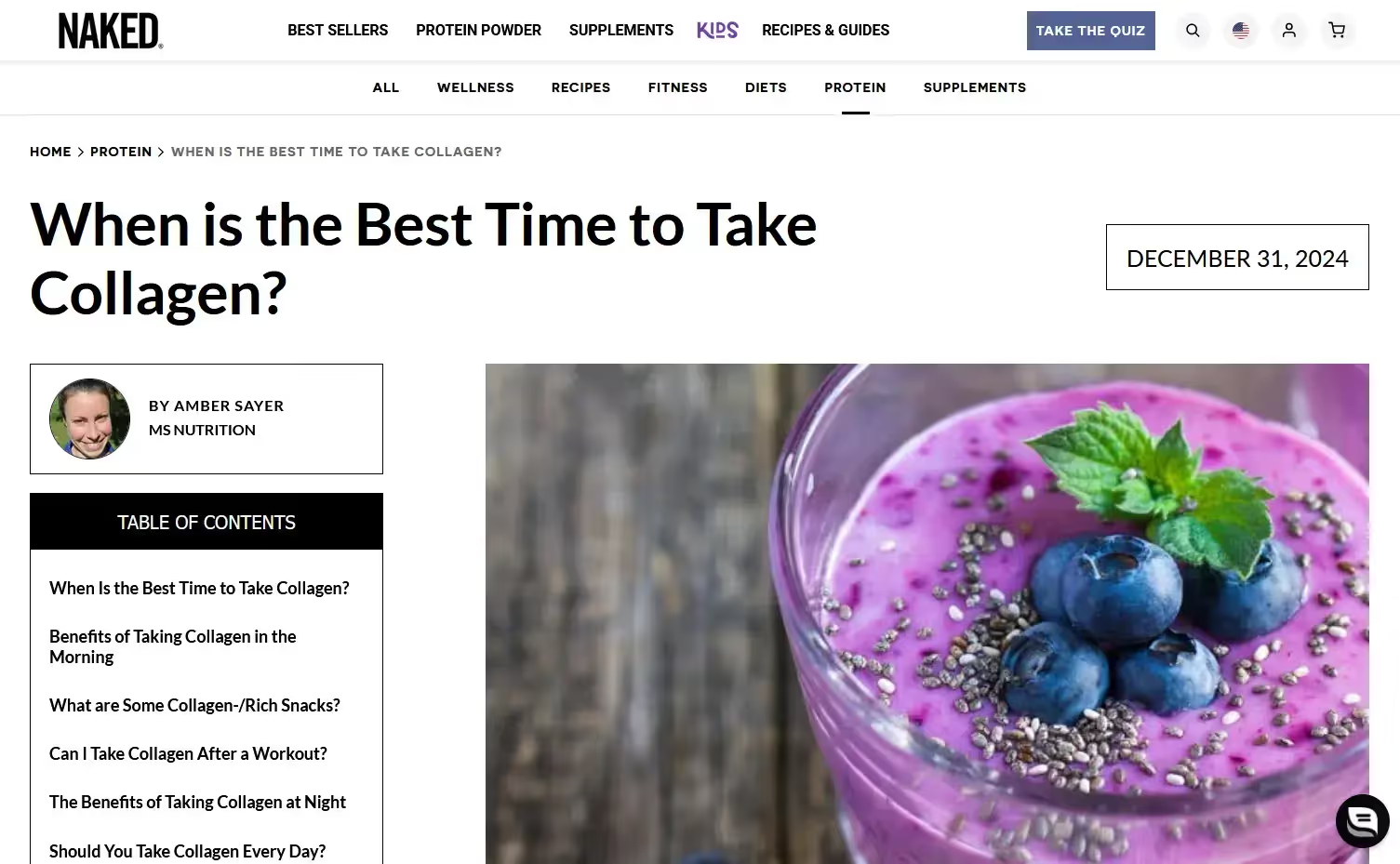
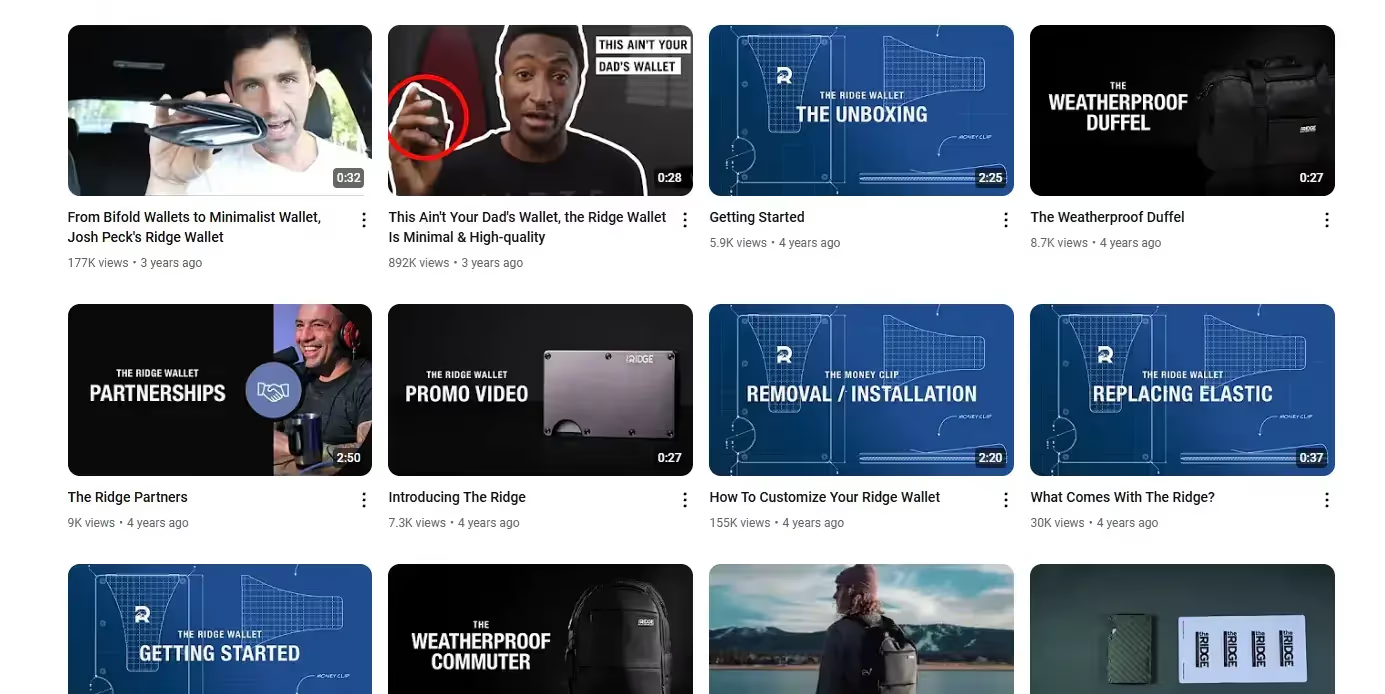
    • Add complementary product lines (e.g. Ridge launching keycases, rings, luggage alongside their flagship wallets, supplement brands like Obvi or Naked Nutrition launching new products).
    • Launch accessories for your main product (Solo Stove introducing accessories for their Fire Pits and Pizza Ovens).

    Think—if a customer already bought from you, what reason do they have to buy again?

    You can only have so many shirts, and a tub of protein can only be eaten so fast.

    If you want customers to buy more often, give them more things to buy.

    5. Community & Brand Building

    Build a community around your brand.

    Community is one of the most underrated retention marketing strategies.

    Not only does it build an audience you can contact any time, for free, but at a certain point it begins to grow by itself, giving you a self-sustainable, owned marketing channel.

    • Leverage UGC & customer reviews in your marketing (social proof drives loyalty, and also makes acquisition more efficient).
    • Build a community-driven brand (regularly engage with customers on social media, like Glossier, or set up real-world events, like Lululemon).
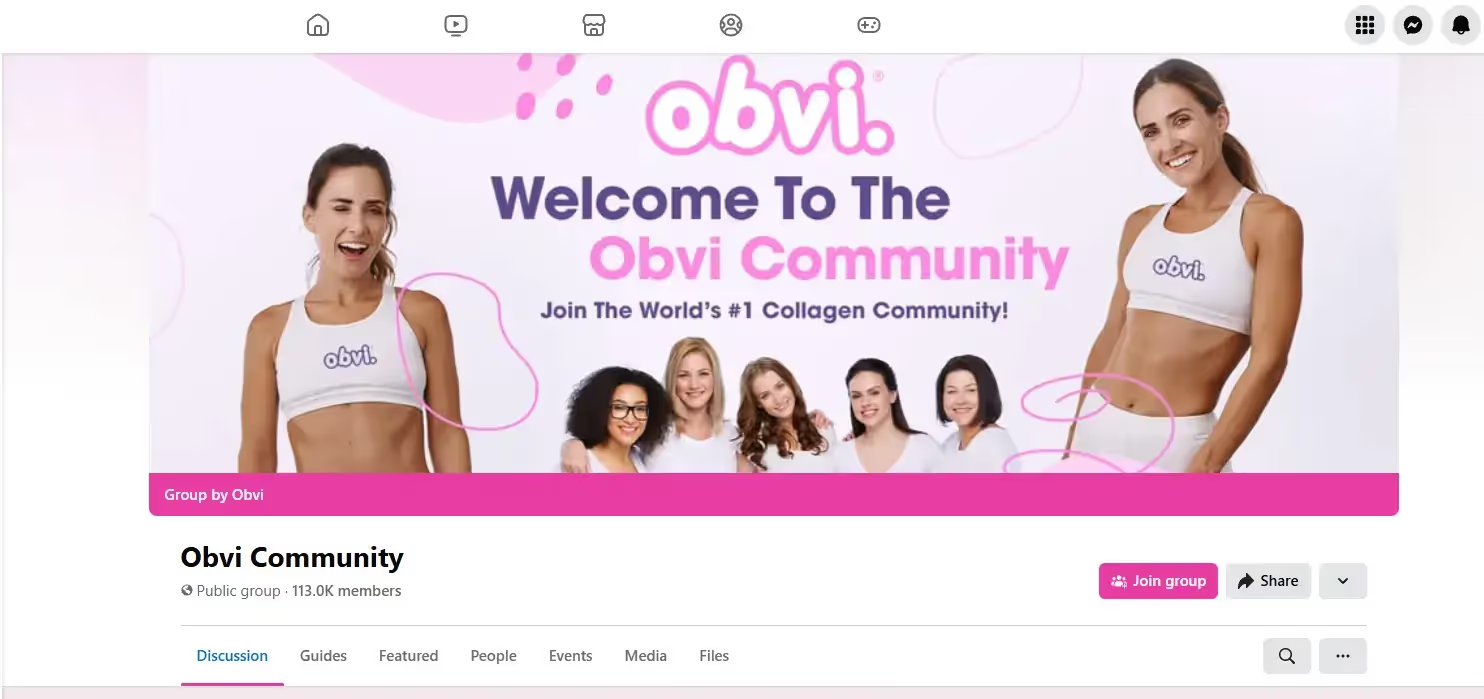
    • Create an online for your customers (like Obvi and Kitsch do with Facebook communities).

    The one thing people want more than anything else (even more than the shirt they bought last month in a new color), it’s to be part of a community.

    Give them that and they’ll stay engaged with your brand for the long haul.

    The Ultimate DTC Growth Strategy (Retention + Acquisition Working Together)

    The best DTC brands get a significant share of their revenue from existing customers, rather than pacing the acquisition treadmill 24/7 just to keep the lights on.

    The best part is that higher retention actually feeds acquisition.

    And acquisition, in return, fuels retention.

    • Acquisition brings in new customers.  
    • Retention marketing works to boost lifetime revenue from these customers past the first order.  
    • Higher LTV lets you spend more on paid acquisition and scale faster.  

    Think of it as a relay race: Acquisition passes the baton to retention, which runs the marathon. 

    To optimize your retention marketing strategy, start tracking the following metrics:

    • Repeat Purchase Rate (RPR): How many customers come back?
    • Customer Lifetime Value (LTV): How much does the average customer spend with you, in total?
    • Customer Churn: How many customers leave after one purchase?  
    • Retention-Driven Revenue: What % of revenue comes from returning customers?  

    Next Steps

    Here’s how to turn your brand into a profitable, retention-first business.

    • Audit your retention efforts (What % of revenue is from repeat customers?)
    • Build automated email/SMS flows (Post-purchase, win-back, and replenishment flows).  
    • Create assets for your brand that drive higher retention (Mobile apps, communities).
    • Optimize your offerings for retention (Subscription models, loyalty perks, and upsells).

    Brands that prioritize retention-first growth will outlast those chasing one-time sales. 

    Because at the end of the day, the best customers aren’t the ones you acquire—they’re the ones you keep.

  • Retail App Development Blueprint (How to Save $100k+ and Assure a Positive ROI)

    Retail App Development Blueprint (How to Save $100k+ and Assure a Positive ROI)

    Mobile shoppers in the US spend more than $500 billion per year (and over $2 trillion worldwide). 

    Apps still contribute a fairly low percentage of this revenue, but it’s rising, with approximately 15% growth in shopping app revenue each year.

    If you’re thinking about building your own retail app, there’s never been a better time. But, despite the benefits to be had of launching a retail app, there are very real risks that put many retailers off the idea.

    We’re going to give you a blueprint for retail app development to avoid almost all of the risk, without robbing you of the potential benefits of launching your own app.

    We’ve been in the app development business for more than 10 years, and know what it takes to launch a great app, and we know that the process can get out of hand fast if you’re not careful.

    Keep reading to learn how to avoid the downsides and maximize the upside in retail app development.

    Why Traditional Retail App Development is Risky

    Every business decision involves a cost/benefit analysis.

    You need to weigh the benefits you expect to gain, with the cost it will take to achieve.

    With retail app development, the risks often outweigh the benefits, at least when we’re talking about the traditional way to build apps.

    Generally, this means hiring developers, a development agency, or using in-house talent to develop native apps for iOS and Android.

    Mobile app development is a brand new area for most retail businesses. Even those with a successful eCommerce presence managed in-house likely only have experience with web development.

    App development is another area altogether. It can be costly, complex, and there’s no guarantee that you’ll get a positive result from it.

    App Development is An Expensive, Complicated and Drawn-Out Process

    It takes a long time, and costs a lot of money, to build a high-quality native app.

    The actual cost can vary greatly depending on multiple factors. 

    Some apps are just simpler, with less to build, than others. And you can find developers in many different price brackets (but generally, you do get what you pay for).

    A broad estimate is that a mobile app can cost anywhere from $20,000 to $300,000.

    A retail app is likely to come in at the lower to middle end of this range. So you’re looking at $50,000-$100,000 to build.

    In terms of the time frame, expect it to take anywhere from three to nine months.

    And all these figures are assuming that everything goes more or less according to plan.

    There are many moving parts in software development, issues come up, and timetables invariably get pushed back.

    As development time lengthens, so does the cost.

    So we’ll say, if you’re fortunate, you can get an app for $50,000, in around six months’ development time.

    “We did consider building a custom app. But we don’t have a developer we’re comfortable with, and having to go through iterations and then parts not working… and as a small business, it’s just not worth it.”

    – Jamie from Sleefs

    The Cost of Maintaining Native Apps

    A big mistake many businesses make when deciding to build an app is ignoring the ongoing cost of having an app, outside of the initial investment.

    You don’t build an app and never have to touch it again.

    Apps require constant updates and maintenance. You need to make sure your app remains fast and bug-free, you need to build new features, improve existing features, and continually work on your app to keep it current.

    That means keeping developers on staff, or a development agency on retainer, which costs money.

    So expect to spend 10-15% of the initial cost (at a minimum) each year on maintaining your app (assuming you go with a custom native build).

    “If we had unlimited time and money, we would probably go for a custom native app, but that is half a million to a million a year to maintain.”

    – David Cost, Rainbow Shops

    “When you develop an app you can’t just have one person. When we built our app in 2014, the maintenance became very heavy. To keep a platform like this in-house I feel like you’d probably need around six people.”

    – Kenneth Chan, Tobi

    If You Build It, Will They Come?

    The popular phrase, “if you build it, they will come,” doesn’t usually translate well to software.

    You can spend hundreds of thousands building an app, but there’s no guarantee that people will use it.

    If you don’t promote it well, or you don’t build an experience that’s as good or better than your mobile website, you could be left with an expensive “asset” that only a small share of your customer base uses.

    This is an important part of the cost-benefit analysis – the likelihood that the benefits will actually come to fruition.

    Simpler Alternatives Can Be a Sunk Cost Altogether

    There are ways to reduce the cost of building a retail app, such as using no-code app builders.

    With an app builder, you don’t need to hire expensive developers, and can launch an app for a couple of hundred dollars (or less).

    While this is tempting, the results are often underwhelming. These apps tend to look like stock apps built from a template.

    Worst, you’ll struggle to recreate the experience on your mobile website. The app builder may not be able to integrate all the apps and plugins on your website, and any custom features or any tweaks you’ve made to optimize UX and boost conversions.

    If your app is just a weak reflection of your mobile website, why are customers going to use the app in the first place? They’ll just shop on your website instead.

    You might save hundreds of thousands of dollars on your app by using an app builder, but if you can’t build something that’s at least as good as your website, there’s little to no upside, even if you promote it well.

    “The app needs to be at least as functional as the website. It doesn’t need to be better than the website, but the user experience can’t be worse.”

    – David Cost, Rainbow Shops

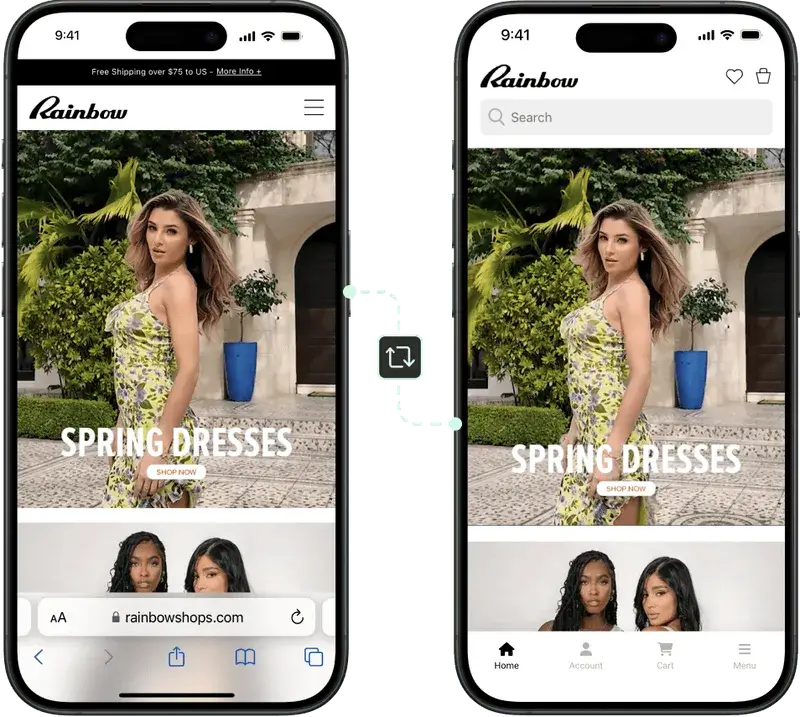
    Rainbow Shops’ mobile app is essentially a recreation of their website, with minor changes to optimize the user experience in the app.

    Is Building an App Worth It?

    So, after all of that, is it really worth it to build a mobile app, if you’re a retail business?

    The answer is yes – with the caveat that you need to find the right development approach.

    Assuming you market your app well, and assuming it provides a user experience as good or better than your website, you can estimate that 15-30% of your web customers will download your app. 

    You should get somewhere between 1.5-3x the conversion rate on the app as you do on your mobile website, and around a 20% higher average order value.

    There will likely also be a higher lifetime value from people who download your app.

    These figures need to match with the estimated cost. If you’re spending $100,000 on your app (plus tens of thousands per year in maintenance), it’s hard to make the math work.

    But finding a simpler and more cost-effective approach to retail app development (that doesn’t sacrifice on quality), you can get it to where the app only needs to do a fraction of these estimated figures, and it will already pay for itself.

    Vendrux lets you build amazing retail apps with no risk. Read on to find out how.

    The Best Way to Build a Retail App (and Almost Guarantee a Positive ROI)

    With Vendrux, you can build a retail app with zero risk, and be confident that you’ll come away with a positive return on your investment.

    Vendrux is a full service app builder that lets you convert any website into mobile apps, without rebuilding anything, and without the huge cost that comes with traditional retail app development.

    The apps are native, with all the features you need, such as native UI, push notifications, and fully customizable branding and design.

    Your iOS and Android apps will be fully synchronized with your website, and everything from your website will work inside of the apps.

    App users will get the same shopping experience as they do on your website (realistically a slightly better experience, with the quality of life enhancements they get from the app).

    Vendrux removes the risk in retail app development, meaning even with a small boost in revenue from the app, you’ll have made back your investment and then some.

    Why Vendrux is Virtually Risk-Free

    Here’s why Vendrux carries almost zero risk, compared to other forms of retail app development:

    • It’s a low cost, starting from as little as a few hundred dollars per month. You’re not spending hundreds of thousands of dollars for a speculative investment.
    • It takes less than a month to get working apps. You don’t need to wait half a year to a year to find out whether your app will actually work out.
    • You don’t need to hire developers or manage the project in-house. Everything is done for you, by an experienced team.
    • The apps fully replicate everything on your website, so you can be sure that they will be at least as good as your website – if not better.
    • You still have the freedom to make changes exclusive to the apps, such as removing elements from your website or adding app-only experiences.
    • There’s minimal overhead. Technical maintenance is included for a low monthly cost, and you can update the UI, UX or add new features yourself, just by adding them on your website.
    • Vendrux also handles the app store publishing process, and guarantees your apps will be approved by Apple and Google.
    • On top of everything, Vendrux offers a 60 day money-back guarantee if for whatever reason you’re not happy with the end product.

    With the low cost, almost no effort required, and complete feature parity with your website, there’s no downside.

    Even very small eCommerce sites can expect to get a boost in revenue of at least $1,000-$2,000 per month from launching an app, which is enough to pay for the app and then some.

    How to Build a Retail App with Vendrux (Step by Step)

    Part of what makes Vendrux risk-free is how simple it makes retail app development.

    It takes just a few steps, and minimal effort, to launch your own eCommerce app, and get in the app stores alongside some of the world’s largest retail brands.

    1. The first step is to ensure your website is fast and mobile-friendly. If your site is already optimized for mobile, it’s likely good enough to be turned into an app.
    2. Get in touch with the Vendrux team. We’ll show you a free, interactive preview of your site as an app to see what’s possible before committing to anything, and you’ll be able to talk with our team about any concerns you may have, or share any special requirements.
    3. Give the go-ahead, and sit back and wait while our team builds your apps.
    4. Test the apps before launching, to be sure the end result is something you’re happy with.
    5. Finally (and within a month, in most cases), we’ll get your apps published on the Apple App Store and Google Play Store.

    In just a few weeks, you can have your own app, live in the app stores and ready for customers to download.

    Vendrux is perfect for businesses on any eCommerce platform, from Shopify to BigCommerce to custom-built websites. All your plugins and integrations will work in the app, and you can easily make changes to the app through your website, without having to hire new developers. Book a demo now to learn more about how we help you build the perfect retail app.

    Wrapping Up: A Blueprint for Launching Risk-Free, High-Return Retail Mobile Apps

    As a retailer, launching your own app can have some amazing benefits. But if you’re paying hundreds of thousands of dollars for an app, the risk can just seem too much.

    With Vendrux, you get the perfect approach to retail app development.

    You can get native apps for a low investment, which takes just a tiny increase in revenue in order to recoup.

    Your apps will be at least as good, if not better, than your website, giving every incentive for your best customers to use the app and spend more money.

    All of this with no work from your team, no addition to your workflow, virtually no overhead, and a money-back guarantee on top of everything else.

    Get in touch now for a free preview of your app, and to talk with our team about how to make your project a success.

  • What’s a Good Repeat Customer Rate in Ecommerce? (Latest Benchmarks for 2026)

    What’s a Good Repeat Customer Rate in Ecommerce? (Latest Benchmarks for 2026)

    DTC ecommerce brands need repeat customers.

    Repeat customers are where most of your profit comes from. It costs a lot of money to acquire customers (some brands barely break even on the first sale), but when they come back a second time, the customer typically spends more, and costs less.

    So, with that in mind, what kind of repeat customer rate should you be aiming for? How do you know if your returning customer rate is good enough (or if your retention funnel is actually a leaky bucket)?

    Read on and we’ll help you know where your business stands, and what constitutes a good repeat customer rate, with the latest benchmarks from around the ecom world.

    Want the latest insights into how 8 and 9-figure brands are driving sustainable growth? That’s what you get with our weekly newsletter, The Retention Edge. Subscribe for free today.

    What Is Repeat Customer Rate?

    Your repeat customer rate is the percentage of customers who come back and buy from you more than once within a given time period (usually 12 months).

    The formula is straightforward:

    Repeat Customer Rate = (Number of customers who purchased more than once / Total number of customers) x 100

    If you had 1,000 customers last year and 280 of them bought from you at least twice, your repeat customer rate is 28%.

    It’s one of the clearest signals of whether your business is building lasting relationships or constantly chasing new buyers.

    What’s the Average Repeat Customer Rate in Ecommerce?

    Most sources put the average somewhere between 25% and 30%

    Shopify stores specifically average around 27%. Bluecore’s benchmark report, which analyzed 100+ retailers, found a somewhat lower average of 16.5%, though that study used a narrower measurement window.

    Here’s the quick breakdown:

    • Below 20%: You’re likely losing customers faster than you should be. There’s significant room to improve.
    • 20-30%: You’re in line with most ecommerce brands. Solid, but there’s still upside.
    • 30-40%: You’re outperforming the average. Your retention efforts are working.
    • Above 40%: You’re in strong territory, often seen with subscription models or high-frequency consumables.

    The “right” number depends heavily on what you sell. A furniture brand with a 20% repeat rate is doing well. A supplement brand with the same number has a problem.

    Repeat Customer Rate by Industry

    Here’s how repeat customer rates typically break down across major ecommerce categories. 

    (Industry-level data is drawn primarily from Bluecore’s Customer Growth Benchmarks Report and Opensend’s repeat purchase rate analysis, supplemented with company-specific data where noted.)

    Industry Repeat Customer Rate Key Driver
    Grocery & Food Delivery 40%+ Weekly replenishment cycle
    Pet Supplies 30–40%+ Autoship subscriptions, brand loyalty
    Health & Supplements ~29% Consumable products, auto-refill
    Fashion & Apparel 20–26% Seasonal buying, style loyalty
    Beauty & Cosmetics ~21–26% Replenishment cycles, deal-hunting
    Sporting Goods & Outdoor ~21% Mix of consumables and durables
    Electronics & Tech ~18% Long product lifecycles
    Home & Furniture ~15% Infrequent, high-ticket purchases
    Luxury Goods & Jewelry ~10% High price points, long consideration

    Grocery and Food Delivery

    Repeat rate: 40%+

    Grocery is at the top because people need to eat every week. About 40% of online grocery shoppers order weekly, and repeat purchase intent reaches roughly 65%

    Once someone gets comfortable with a delivery service, switching costs feel high (they’ve saved their favorites, they know the interface), even if they’re not actually locked in.

    Pet Supplies

    Repeat rate: 30-40%+

    Pet owners buy the same food, treats, and supplies on a regular cycle, and they’re not inclined to experiment with what their pet eats. 

    Chewy is the poster child here: roughly 78% of their sales come through auto-ship subscriptions, and about 90% of revenue comes from existing customers.

    Health and Supplements

    Repeat rate: ~29%

    Supplements and health products are consumable by nature, and customers who find something that works tend to stick with it. Auto-refill and subscription options push repeat rates even higher. This is one of the strongest categories for retention outside of grocery.

    Fashion and Apparel

    Repeat rate: 20-26%

    Apparel has a solid but not exceptional repeat rate. People buy clothes regularly, but they also shop around. Bluecore puts apparel at about 20%, while other sources cite closer to 25-26%. Seasonal trends and personal style loyalty both play a role.

    Beauty and Cosmetics

    Repeat rate: ~21-26%

    Beauty lands in a similar range to apparel. Deal-hunting behavior is common in this category, which drags the average down. But brands with strong loyalty programs and replenishment cycles (think skincare routines) can push well above 40%.

    Sporting Goods and Outdoor

    Repeat rate: ~21%

    A mix of consumable accessories (golf balls, supplements, socks) and bigger-ticket equipment keeps this category in the low twenties. The repeat rate depends heavily on how much of your catalog is replenishable vs. durable.

    Electronics and Tech

    Repeat rate: ~18%

    People don’t buy a new laptop or pair of headphones every few months. Long product lifecycles naturally suppress repeat rates. Brands that sell accessories and consumables alongside their hardware do better here.

    Home and Furniture

    Repeat rate: ~15%

    This is one of the lowest categories, and that makes sense. You buy a couch once every several years. 

    Bluecore’s data shows a 14.7% repeat purchase rate. Wayfair is a notable exception, reporting that nearly 80% of orders come from repeat customers, but they’ve built a massive catalog across home goods, decor, and smaller items that people reorder more frequently.

    Luxury Goods and Jewelry

    Repeat rate: ~10%

    Luxury has the lowest repeat purchase rate. Bluecore found that only about 9.9% of first-time luxury and jewelry customers made a second purchase within a year. High price points and long consideration cycles make this the hardest category for repeat purchases. 

    That said, when luxury customers do come back, they tend to spend significantly more.

    Why Repeat Customers Matter So Much

    Excuse me if it sounds dramatic – but most ecommerce businesses will live and die based on how many repeat customers they get.

    You’ve probably heard the stats, but they’re worth revisiting because the gap between new and repeat customers is genuinely dramatic.

    They cost less to convert

    Acquiring a new customer costs 5-25x more than getting an existing one to buy again. The probability of selling to someone who’s already bought from you is 60-70%. For a new prospect, it’s 5-20%.

    They spend more per order

    Repeat customers spend roughly 67% more per order than first-time buyers, according to BIA Advisory Services. Bluecore’s more recent data is consistent, showing active buyers spending about 69% more than new customers.

    They drive a disproportionate share of revenue

    About 65% of a company’s revenue comes from existing customers. The top 5% of customers alone generate 35% of total ecommerce revenue. Stores with a 40% repeat customer rate generate about 50% more revenue than stores sitting at 10%.

    The second purchase is the hardest

    After a first purchase, there’s roughly a 27% chance a customer will return. But once they make that second purchase, the probability of a third jumps to 54% or higher. Everything you do to earn that second order compounds from there.

    Small improvements have big payoffs

    A 5% increase in customer retention can boost profits by 25-95%, according to research from Bain & Company and Harvard Business School. That’s not a typo. The range is wide, but even the low end is significant.

    What Drives Repeat Purchases?

    Before jumping into tactics, it helps to understand the main factors that influence whether someone comes back.

    Product type and purchase frequency

    This is the biggest factor, and it’s largely outside your control. If you sell something people use up and need to replace (food, supplements, skincare), you’ll naturally see higher repeat rates than brands selling durable goods.

    Product quality

    57% of shoppers cite product quality as a top driver of loyalty. This is table stakes. If your product is good, people come back. If it’s inconsistent, they don’t.

    Customer experience

    45% of consumers have switched brands due to poor customer service. Fast shipping, easy returns, and responsive support aren’t differentiators anymore; they’re the baseline.

    Personalization

    About 60% of consumers say they’re more likely to become repeat buyers after a personalized experience. That could mean product recommendations based on past purchases, targeted email flows, or personalized offers.

    Loyalty programs

    83% of consumers say loyalty program membership influences their repurchase decisions. Well-structured programs with tiered rewards achieve 1.8x higher ROI than flat programs.

    Convenience and friction reduction

    Subscription options, one-click reordering, and saved payment methods all reduce the effort required to buy again. The easier you make it, the more likely it happens.

    How to Improve Your Repeat Customer Rate

    Here are the highest-impact levers, roughly in order of how quickly they can move the needle.

    1. Nail the post-purchase experience

    The period between a customer’s first order and their second is the most critical window you have. Use it well:

    • Send order confirmations and shipping updates promptly
    • Follow up after delivery to check satisfaction
    • Share product tips, care instructions, or usage ideas
    • Time your next outreach based on your product’s natural replenishment cycle

    Brands that send personalized post-purchase communications see up to 45% higher second-purchase rates.

    2. Launch (or improve) a loyalty program

    If you don’t have a loyalty program, start one. If you do, make sure it actually rewards meaningful behavior. 

    The best programs create a reason to consolidate spending with your brand rather than spreading it around.

    Tiered structures work particularly well because they give customers something to work toward. The feeling of “almost reaching Gold status” drives behavior in a way flat discounts don’t.

    Learn more: Best Shopify Loyalty Program Apps

    3. Offer subscriptions or auto-replenishment

    If you sell anything consumable, subscriptions should be part of your model. They take the decision-making out of repeat purchases and dramatically reduce churn. 

    Give customers a small discount (10-15%) for subscribing, and make it easy to skip, pause, or cancel.

    Learn more: Best Shopify Subscription Apps

    4. Personalize your marketing

    Generic email blasts don’t drive repeat purchases. Segmented, behavior-based campaigns do. At minimum:

    • Recommend products based on purchase history
    • Send replenishment reminders timed to your product’s usage cycle
    • Trigger win-back campaigns for customers who haven’t bought in a while

    5. Reduce friction everywhere

    Look at your reorder experience through the eyes of a returning customer. Can they reorder a previous purchase in two taps? Are their payment details saved? Is checkout fast on mobile?

    Free shipping increases repeat rates by about 20%. Easy returns add another 12%. These aren’t perks; they’re expectations.

    6. Build a mobile app

    Mobile apps are one of the best ways to increase loyalty and retention

    This one deserves its own section:

    How a Mobile App Drives Repeat Purchases

    A mobile app is one of the most effective tools for turning one-time buyers into repeat customers. The data backs this up consistently.

    App users buy more often

    Brands with mobile apps see up to 50% higher repeat purchase rates compared to mobile web alone. 60% of first-time app buyers go on to make additional purchases. App users purchase about 33% more frequently than non-app users.

    The reason is simple: your app sits on the customer’s home screen. It’s a persistent, low-friction path back to your store, compared to expecting someone to remember your URL or find you through a search engine again.

    Push notifications bring people back

    Push notifications are the single biggest retention advantage apps have over mobile web. They let you reach customers directly, without competing in a crowded inbox or paying for ads.

    The numbers are compelling:

    Push gives you a direct, owned channel to re-engage customers at exactly the right moment, whether that’s a restock reminder, a price drop alert, or a flash sale.

    The conversion and engagement gap is huge

    Mobile apps don’t just drive more repeat visits. They convert better when people do come back:

    • Apps convert at roughly 3x the rate of mobile websites
    • Average order value runs 10-50% higher in apps than on mobile web
    • Cart abandonment drops to about 20% in apps, compared to 86% on mobile web
    • Users spend 18x more time per month in shopping apps vs mobile web

    App users are worth more over their lifetime

    All of this adds up. App users generate 2.8-5x higher lifetime value than web-only shoppers. They visit more often, spend more per order, and are less likely to churn.

    For ecommerce brands doing meaningful mobile traffic, a well-built app is one of the highest-ROI retention investments available.

    Get the latest data on ecommerce mobile apps in our Benchmark Report.

    You don’t need to rebuild anything to get one

    This is where most brands stall out. Building a native app from scratch is expensive, time-consuming, and adds a second codebase to maintain. 

    For ecommerce brands, it’s overkill.

    Vendrux takes a different approach. We turn your existing website into a fully native iOS and Android app, so you get all the retention benefits (push notifications, home screen presence, native performance) without rebuilding your store or maintaining a separate platform.

    Everything you’ve already built, your checkout flow, your integrations, your loyalty program, your content, all of it works in the app from day one.

    Curious whether a mobile app could move the needle on your repeat customer rate?

    Get a free app preview to see what your store would look like as a native app – book a free consultation and we’ll present you with the preview, plus walk through your retention strategy and show you how a mobile app could help.

  • 15 Ways to Reduce Cart Abandonment in Your eCommerce Store

    15 Ways to Reduce Cart Abandonment in Your eCommerce Store

    On average, 7.52% of online shopping sessions result in a product being added to a cart. Yet the average conversion rate for eCommerce stores is only 1.89%

    The difference is all the shopping carts left abandoned.

    Over two-thirds of all carts are abandoned without resulting in a purchase – which presents a huge opportunity for eCommerce brands.

    Whether you reduce cart abandonment by reducing friction in your checkout process, or by reaching out to cart abandoners and convincing them to come back, there’s a huge amount of revenue on the table.

    If you want to realize part of this revenue, read on, and we’ll share a complete list of actions you can take to reduce cart abandonment in your eCommerce store.

    Is your store on Shopify? If so, check out these Shopify Cart Abandonment Apps that make recovering abandoned carts a breeze.

    What is Cart Abandonment?

    Cart abandonment is any time a shopper on your site adds a product to their cart but doesn’t check out and pay.

    Abandoned carts apply for any online purchase where the user begins the checkout process but doesn’t complete it, such as a signup flow for a software product or a booking form on a travel site. But we’ll be looking at this from the lens of an eCommerce store.

    On average, 70.19% of eCommerce carts are left abandoned.

    Cart abandonment happens more on mobile and tablet devices than on desktop, and varies greatly from category to category.

    __wf_reserved_inherit

    Experts believe there’s more than $260 billion in recoverable revenue from abandoned carts.

    If your brand can just take a tiny slice of that figure, you could seriously change the long-term outlook for your business.

    Why Do Shoppers Abandon Carts?

    The first step on your quest to reduce shopping cart abandonment is to understand why people leave a site without checking out.

    Once you know why, solutions will become clear.

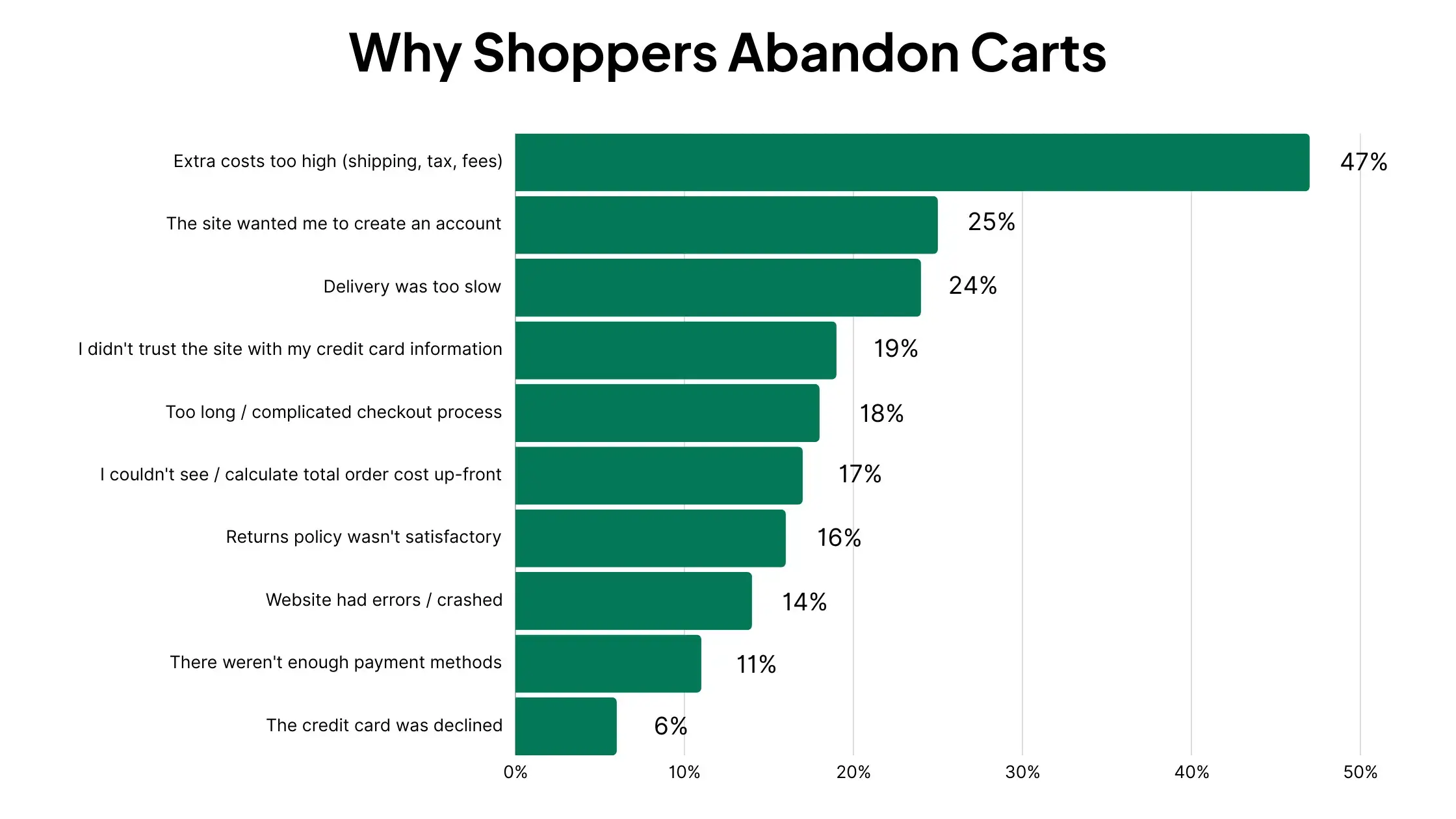
    Research from Baymard gives us a number of common reasons people leave without checking out:

    __wf_reserved_inherit
    • Extra costs (shipping, tax, fees) – 47%
    • The site wanted me to create an account – 25%
    • Slow delivery – 24%
    • Didn’t trust the site with my credit card information – 19%
    • Too long or complicated checkout process – 18%
    • I couldn’t see the total order cost up-front – 17%
    • Returns policy wasn’t satisfactory – 16%
    • Website had errors or crashed – 14%
    • Not enough payment methods – 11%
    • The credit card was declined – 6%

    Using this information, here are five board categories why cart abandonment happens.

    Friction

    With more friction comes more opportunity for potential customers to drop off.

    Shoppers want an online shopping experience that requires as little effort as possible.

    Once you require them to enter a lot of details, or go through multiple pages to complete their checkout, the likelihood of an abandoned cart drastically increases.

    Distractions

    There are a number of distractions that can derail a sure sale.

    Some distractions come from everyday life (the person could get called away, leave their device, and forget about their cart).

    Other distractions exist on the user’s device.

    The average internet user has between 2-4 browser tabs open at one time. 

    That’s only an average – it’s even common to have 11+ tabs open at the same time.

    Online shoppers are particularly guilty of this, as many consumers have a habit of browsing multiple stores at the same time.

    For brands, this means that you only have a shopper’s attention for so long.

    It takes just a split second for the shopper’s attention to go somewhere else, at which point they may not come back.

    Confusion

    Shoppers are not ready to do hard math or complete a puzzle just to figure out how to finish their purchase.

    We expect everything to be easy and spoon-fed. Especially with online shopping. The idea is convenience, and once it’s no longer convenient, most shoppers are out.

    If it takes work to find the checkout, or if details about price, sizing or delivery are unclear, the shopper will look for a simpler option somewhere else.

    Lack of Trust

    Trust is an important part of the online buyer’s journey.

    And adding a product to their cart doesn’t mean the shopper has complete trust in your website.

    They could still be on the fence, or have objections that are not yet answered.

    Any trust issues are amplified the closer it comes to entering payment details and hitting “Buy”. These issues make it more likely the customer will abandon their cart.

    Cost

    Cost is always one of the biggest obstacles to completing a purchase

    Price perception is lower on a product page, compared to when you’re in the checkout, typing your credit card details.

    Shoppers are often hit with extra costs in the checkout process, such as shipping costs and taxes, which make what seemed like a great deal turn into a high-ticket purchase.

    So whether the shopper changed their mind when it came time to put their money where their mouse click was, or the final price ended up being significantly more than they expected, many abandoned carts are financially driven.

    How to Reduce Shopping Cart Abandonment

    Now that you know the major reasons why shoppers leave their carts abandoned, you can work on a strategy to combat it.

    There are many ways to reduce cart abandonment. Some, you may already be doing, but there’s almost certainly at least one opportunity here to lower cart abandonment by a few percentage points.

    Here are 15 tactics to achieve a lower cart abandonment rate:

    1. Clear CTAs
    2. One-Page Checkout
    3. Offer a Range of Payment Options
    4. Flexible and Affordable Shipping
    5. Save Customer Details
    6. Offer Guest Checkout
    7. Show Savings During Checkout
    8. Live Chat
    9. Exit-Intent Popups
    10. Build More Social Proof
    11. Address Common Objections
    12. Avoid Hidden Costs
    13. Send Abandoned Cart Notifications
    14. Retargeting Abandoned Carts
    15. Get People Into Your Mobile App

    Let’s dive deeper into these actionable cart abandonment strategies now.

    1. Provide Clear CTAs

    The path to purchase must be clearly signposted for the user.

    Don’t leave anything up to assumption or require any unnecessary thinking.

    Use a call to action to make it clear when a product has been added to the customer’s cart, and show big, clear and obvious buttons showing how the customer can get to the checkout page and complete their purchase.

    Source: Goli

    2. Use a One-Page Checkout

    Every additional step in your checkout process is an opportunity for the customer to get frustrated and give up, or for their attention to drift away.

    Make checking out as simple as possible, with all the necessities on one page. Don’t add unnecessary work by introducing extra clicks.

    3. Offer a Range of Payment Options

    Payment information is one of the biggest points of friction in the checkout process.

    It’s cumbersome to have to get up, find your card and type your credit card details in, particularly on mobile.

    There’s also a trust issue, with a lot of customers hesitant to provide their credit card details to a strange website.

    You will overcome both these problems by offering multiple payment options. Many consumers prefer to use secure mobile payment services like Google Pay, Apple Pay, Shop Pay or PayPal, especially when shopping on a new site.

    Also consider offering Buy Now Pay Later options like Klarna and Afterpay.

    Source: Culture Kings

    4. Provide Flexible and Affordable Shipping Options

    Shipping makes a huge difference in eCommerce. We want fast, reliable, and cheap (ideally free) shipping.

    The ability to offer better shipping options than anyone else is a big reason why Amazon is so popular.

    High shipping costs are the most common reason for shopping cart abandonment. Yet for some shoppers, it’s more important to get the product fast than to get it with free shipping.

    According to a study from Advantec, free shipping is the most important delivery consideration for 49% of people, with an additional 9% prioritizing “low cost” shipping. For 31% of people, the most important thing is fast or same-day shipping.

    Ideally you’ll be able to provide shipping that’s both free and fast.

    If not, let customers choose between different options depending on what’s most important to them – pay for fast delivery, or minimize shipping costs and wait a few more days to get their product.

    5. Save Customer Details for Smooth Checkout

    Repeat sales to loyal customers becomes much easier by saving their details for an expedited checkout process each time they come back.

    Entering card details and delivery info in checkout is a significant point of friction.

    It’s even worse on mobile, where form input is more troublesome, which is a big reason why cart abandonment on mobile is much higher than desktop.

    Cut out this friction and allow your returning customers to finalize their payment in just a few clicks.

    Source: Maguire Shoes

    6. Offer Guest Checkout Options

    While saving customer details makes it easier for repeat customers to check out, many people don’t want to do this.

    25% of shoppers abandon their cart because they were required to create an account (the 2nd most common reason for cart abandonment).

    Offering guest checkout as an option will appeal to these users, giving them a way to make a purchase without handing over a bunch of personal information to an eCommerce site they don’t know.

    7. Show Savings at Checkout

    As discussed earlier, price perception is a lot different on a product page compared to the checkout page.

    Shoppers get squeamish about the price when it comes time to actually pay.

    To combat this, remind customers of how much they will save, on discounted products, bundles, or discount codes applied.

    Source: Goodfair

    By doing this, you shift the shopper’s attention away from how much they’ll pay, to how much free value they’re getting from their purchase.

    8. Enable Live Chat

    Live chat can help answer any questions or issues that are preventing the shopper from finalizing their order.

    These questions are often easy to answer, and can be dealt with by a support rep (or even an AI chatbot).

    But if the customer has to search and find these answers themselves, it’s more likely that they’ll bounce and go somewhere else.

    Source: Kirrin Finch

    9. Use Exit-Intent Popups

    Exit-intent popups are one of the most common tools used by eCommerce retailers to prevent cart abandonment.

    These popups trigger when a customer navigates away to another tab or moves their cursor towards the “X” button.

    If it looks like the customer’s about to leave, you will display a popup that reminds them to return and finish their purchase.

    __wf_reserved_inherit
    Source: Adoric

    10. Build Social Proof

    Trust is another thing that prevents online shoppers from completing the checkout process.

    It requires much less trust to click “Add to Cart” than to enter your payment details and click “Buy”.

    So if you have a high cart abandonment rate, you may not have enough social proof to get unsure customers over the line.

    You can build social proof with reviews on product pages, but also provide reviews and positive testimonials in the checkout flow, to provide an infusion of trust right when it’s needed most.

    Source: Pot Gang
    Source: Inspired By Blue

    11. Address Common Objections

    You will have an idea of the most common objections customers have that stop them from making a purchase.

    Get ahead of these objections by addressing them on your product pages, or even during checkout.

    Answer common objections in your product description, or directly address them in an FAQ section. You could also do this via a chat bubble that provides automatic answers to common questions.

    Source: Cocofloss

    12. Avoid Hidden Costs

    Avoid giving your customers nasty surprises with hidden costs in the checkout.

    We spoke on shipping costs earlier, but some stores hide other costs like taxes, service charges or setup fees, only to spring them on the customer when they go to pay.

    Not only does this make price more of an obstacle, it can also degrade the trust you’ve worked hard to build and make the customer feel uneasy about continuing with their purchase. 

    13. Send Abandoned Cart Follow Ups (Email & Push Notifications)

    Reducing cart abandonment is not just about stopping people from leaving without checking out.

    You can achieve the same result (more completed purchases, more revenue) by recapturing these abandoned carts later.

    Every site needs an automated workflow to reach out to people who leave their carts abandoned, through channels like email and push notifications.

    __wf_reserved_inherit
    __wf_reserved_inherit

    Push notifications, in particular, are a powerful way to recover abandoned carts.

    When someone shops in your app, you can set up an automated push sequence that sends a notification if they add a product to their cart but don’t complete their purchase.

    These notifications can recover a crazy amount of revenue – some of our users at Vendrux recovered as much as $200k in just 30 days!

    __wf_reserved_inherit

    14. Use Retargeting to Follow Up with Cart Abandoners

    Retargeting is another great way to recapture abandoned carts.

    Set up a campaign to automatically serve ads to people who left without paying for their cart.

    Overall this tactic might be even more effective than abandoned cart emails, as it allows you to follow up with people even if they didn’t log in or provide an email address.

    Of course, it costs more, as you need to pay to serve ads, but if you recover enough purchases you’ll make a clean profit.

    15. Get People to Shop in Your App

    App users are less likely to abandon carts. They’re also easier to reach with abandoned cart notifications.

    An app is a more enclosed shopping experience, with fewer distractions (such as other browser tabs) that could lead to cart abandonment.

    The checkout process is often smoother as well, compared to a mobile browser.

    The sub-standard mobile browser experience is a large reason why cart abandonment is significantly higher on mobile.

    You’ll improve this experience with a native app.

    Apps also make a brand more trustworthy (another barrier to purchasing), and as mentioned above, give access to native push notifications, which are incredible for sending abandoned cart follow ups.

    How to Build an App For Your Store and Reduce Cart Abandonment

    All eCommerce stores can reduce cart abandonment through website optimizations, such as improving your checkout flow and using intuitive UX practices leading customers toward a purchase.

    If you’ve done all this and want to reduce cart abandonment further, and your brand doesn’t already have a mobile app, you should absolutely launch one.

    App shoppers convert at a higher rate, spend more, abandon their carts less, and are easier to follow up with if they do.

    Launching your own app is easier (and cheaper) than you think.

    You don’t need to spend hundreds of thousands on developers and build a mobile development team, when Vendrux allows you to launch an app for a fraction of the time, cost and effort.

    Examples of real shopping apps built with Vendrux

    Vendrux simply converts your existing, mobile-optimized website into an app, completely synced with your website.

    It works no matter what eCommerce platform you use, and unlike most app builders, any custom features, apps or alterations on your site will work the same in your app.

    This gives you all the benefits of a native app for a negligible cost, with minimal work required (both upfront and ongoing), launched in less than a month.

    If you want to learn more, get in touch with us to schedule a free demo.

    We’ll give you an in-depth look at the process that companies such as John Varvatos, Rainbow Shops, Bestseller and Perfume.com used to launch mobile apps hassle-free, without compromising on quality, and explain how you can leverage an app to reduce cart abandonment and grow sustainable, long-term revenue for your brand.

  • How to Drive Organic Traffic (And Sales) To Your Ecommerce Site in 2026

    How to Drive Organic Traffic (And Sales) To Your Ecommerce Site in 2026

    In 2024, CAC for ecommerce brands increased by 30%. 

    If your brand relies on paid traffic, this is a problem.

    The solution? 

    Organic traffic that compounds over time, bringing you customers without burning through ad spend.

    Paid ads are, and always will be, table stakes. Even Coca Cola runs ads. You’ll never get to the point where you stop running ads altogether.

    But organic traffic (and sales) are the ideal hedge, keeping you afloat when your ads’ performance dips, or the cost spikes.

    Organic traffic is one of the most important diversification plays for ecommerce brands in 2026. Keep reading and we’ll explain why, as well as everything else you need to know to start driving valuable and scalable traffic to your store.
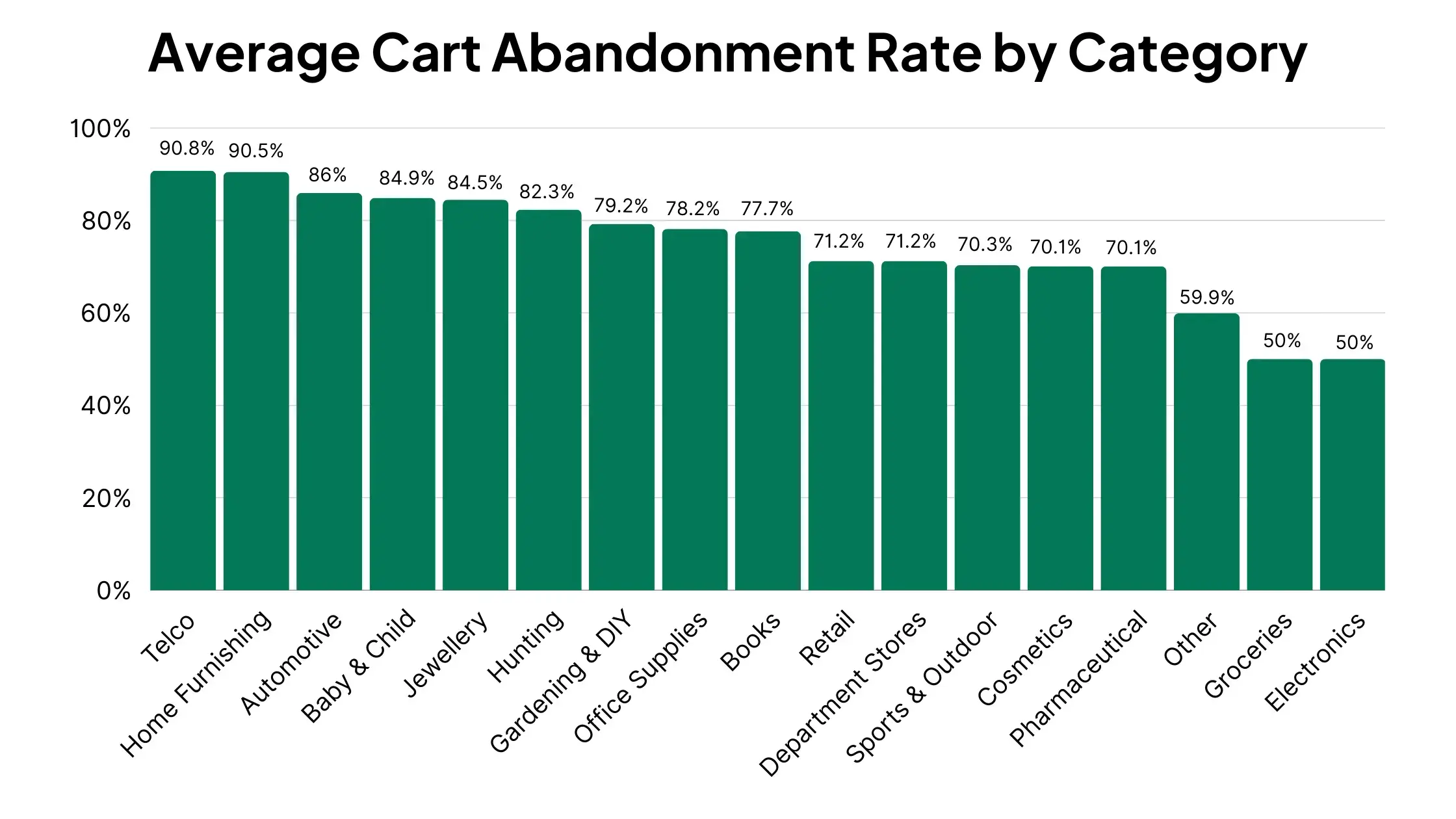
    Looking for more high-level insights from the ecommerce & retail world?

    Check out The Retention Edge, our podcast and newsletter where ecom and retail leaders share their hot takes on the future of CX and retention.

    Why Organic Traffic Matters (More Than Ever) in 2026

    Organic traffic is the lifeblood of sustainable ecommerce growth.

    It’s how you reduce reliance on paid ads, build long-term brand equity, and acquire customers at a lower overall cost. 

    Unlike paid acquisition (which stops the moment you turn off spend), organic traffic compounds over time, creating a flywheel of recurring visitors, brand trust, and higher LTV.

    Here are four points that illustrate why organic traffic is a worthwhile play in 2026:

    Paid ads are more expensive & less reliable than ever

    Everyone in DTC knows that CAC is higher than it’s ever been.

    With platform saturation, higher competition, plus privacy changes (iOS 17+, Google’s cookie deprecation), profitable push-button traffic from Meta/Google is becoming harder to rely on.

    The potential is still there – and paid ads are still the backbone of any multi-million dollar brand – but keeping all your eggs in this basket is a risky move.

    Margins are getting tighter

    It’s not just paid ads that are putting the squeeze on. There’s also increased shipping costs, tariffs, and more economic conditions that are leading to tighter profit margins.

    Brands need a cheaper source of sales to provide some breathing room.

    Organic traffic converts better, with higher retention

    Though not all organic channels are exactly alike, most organic customers are valuable, high-intent shoppers.

    Someone scrolling through social media is not necessarily in “buy mode” right then. Your brilliant copy and creative may have stoked their interest, but they didn’t set out to spend money.

    Organic visitors are usually those who are actively searching for a solution, or actively engaging with your brand.

    That leads to higher conversion rates, and higher buy-in from the customer, which makes them more likely to come back and shop again.

    Long-term ROI of organic is unmatched

    Your competitors are thinking short-term.

    It’s not their fault. It’s human nature to put more value into what’s right in front of you. And short-term success is necessary if you want to stay in business.

    But businesses built for long-term success think long-term. And investing in organic traffic is just that – an investment, that pays off down the road.

    What is Organic Traffic, Anyway?

    There’s no universal definition of “organic” traffic.

    Some would say that organic is just a synonym for SEO. Other would say that organic means passive traffic – customers who come to your store without any kind of direct communication or marketing.

    The simplest way to define organic traffic (in our opinion) – If you stop spending money on it today, will the traffic still come in?

    This excludes channels like paid ads and influencer marketing, while including channels like:

    • Search traffic
    • Product listings
    • Owned platforms

    We could sit here for hours discussing what is and isn’t organic traffic. But we won’t.

    Read on below and we’ll get right into how to leverage organic channels to grow your sales.

    Best Organic Traffic Channels (and How to Use Them)

    SEO

    The first thing that comes to mind when we talk about organic traffic is SEO (more accurately, Google SEO).

    It can be a goldmine for ecommerce.

    “But isn’t SEO dead?”

    Not at all.

    There are still more than 8 billion searches on Google each day.

    Some traffic is being eaten up by AI overviews and AI search engines. And there’s certainly more volatility on Google these days.

    But it will be a long time before it’s no longer a viable acquisition channel.

    People still Google things, and you want your brand to be there when they do.

    And the playbook for showing up in ChatGPT searches (and other AI tools) is very similar to ranking on Google.

    SEO is becoming more effective for ecommerce

    It may be easier for ecommerce brands to get visibility in Google search now.

    Part of Google’s algorithm changes in recent years has been prioritizing real businesses, and reducing the visibility of affiliate websites and product review sites.

    That means, if someone searches for “running shoes”, Google will show more product or category pages from brands’ websites than roundup articles on affiliate sites.

    Fantastic news for DTC brands with a strong focus on SEO.

    There could even be more opportunity for brands to generate top of funnel SEO traffic, too.

    The higher volatility and stricter ranking criteria is making many affiliate sites (or those monetized by display ads) no longer viable.

    That means lower competition for mid/top of funnel terms… which you could swoop in on to build brand authority in your niche and generate leads that can ultimately turn into engaged buyers.

    Playbook:

    • Ensure your product and category pages are optimized for SEO
    • Build links to your site, and put investment/effort into growing your website’s authority
    • Create content for informational queries your customers are searching for in Google
    • Optimize your funnel to turn top of funnel search traffic into email opt-ins, and bottom/mid of funnel traffic into clicks to your product pages

    See how 21 Seeds creates recipe pages for tequila-based cocktails to generate search traffic that serves search intent while also promoting their product:

    Or how Naked Nutrition creates informational fitness & nutrition content to draw ICP search traffic to their website:

    Social Media (Instagram/TikTok)

    Organic reach on social media is not what it used to be.

    But that doesn’t mean organic Instagram, Facebook, TikTok etc is not a viable channel for your brand.

    It just requires a less direct, long-term approach, and focusing on creation rather than marketing.

    You can’t just post your ads as organic posts and expect them to drive free sales.

    This kind of content gets no visibility, and doesn’t attract followers.

    At the same time, you can’t just post random content and expect to build an audience of potential buyers.

    Post the kind of content that people actually want to see in their feeds.

    A few types of content that work:

    • “Try-On” & “POV” Content – Show products in real-life scenarios (not just polished studio shots).
    • Founder/Team Videos – If your founder is charismatic and wants to get in front of the camera, leverage their face and voice.
    • UGC Loops – Repost customer videos with compelling captions to reinforce social proof.

    Bugaboo’s Instagram is a great example of using organic social effectively, and putting real faces at the front of your content.

    Additionally, build content that generates engagement.

    Social platforms reward posts that get a lot of likes, comments and shares. So if you want to grow your reach, create the type of content that attracts user engagement.

    See how Glossier does this – inviting comments on that post that build a sense of community, as well as growing their organic reach.

    Ultimately organic social is more difficult, but the rewards are still there for brands willing to put in the work.

    Playbook:

    • Create useful content (not just content blatantly promoting your brand)
    • Tailor content to the platform (don’t post the exact same content on Insta/TikTok/Pinterest)
    • Leverage UGC – put real people in your content
    • Stimulate engagement as much as possible
    • Make your followers feel part of a community

    YouTube

    YouTube is an underutilized channel for brands.

    It’s part SEO, part social media.

    YouTube isn’t just a video platform. It’s the second-largest search engine in the world. 

    And with Google integrating video results into search more than ever, brands that invest in YouTube build an evergreen traffic machine.

    It’s like Google, in that you can generate passive traffic once your content begins to rank.

    But the advantage is that YouTube content is much more engaging. It’s typically easier to get someone excited about your product with a video than a written blog post.

    Another benefit is that you can easily repurpose videos into content for other channels.

    Create the full video for YouTube, then cut down and post on YouTube shorts, Instagram, TikTok and Facebook.

    The biggest reason more brands don’t make a killing with YouTube is generally one of the following:

    • They don’t have the resources to (or don’t want to) create good quality video content
    • They don’t create the right kind of content (boring, ad-style content that gets zero engagement)

    It’s true there’s a higher barrier of entry for YouTube. But that just means more opportunity for those who do the work.

    See how Ridge Wallet creates educational videos showing off their product while also generating engagement.

    YouTube is also the backbone of Luxy Hair’s marketing strategy, with a channel boasting over three million subscribers, and videos generating hundreds of thousands of views.

    Is it easy to create engaging content for YouTube, and grow a channel like this? No.

    But that’s why it’s such a big competitive advantage for those who do.

    Playbook:

    • Play the YouTube SEO game (long-tail keywords = free traffic)
    • Make product-focused content (without feeling like an ad)
    • Leverage YouTube shorts for discovery and organic reach
    • Drive traffic to your site with strategic links & CTAs

    Retail Marketplaces

    If we’re talking about search traffic, Google is not even the #1 player when it comes to ecommerce.

    Only 21% of product searches start on Google. The majority – 56% – come on Amazon.

    Amazon (along with other online marketplaces, like Walmart), can be a goldmine for organic sales.

    You’re putting your brand in front of buy-ready shoppers, and piggybacking off their brand name, social proof and CRO, leading to higher conversion rates than DTC websites.

    Of course, it’s not all sunshine and rainbows.

    • There are lower margins, as the marketplace takes a cut
    • You don’t own your traffic; it’s difficult to follow up with customers and drive LTV
    • The marketplaces can boot you off at any time
    • There’s a lot of competition – many marketplaces are hard to get traction without spending on ads

    Yet as long as Amazon is as big a name as it is now, the benefits of being on Amazon outweigh the downsides for most brands.

    And, with some effort to build your SEO specifically for the platform, they can be powerful sources of organic traffic.

    Just don’t make marketplaces your only business.

    Playbook:

    • Expand to marketplaces like Amazon after growing your DTC business (or, if you start on Amazon, expand to DTC as soon as you can to negate the platform risks)
    • Invest in SEO for the platform to grow your organic reach and sales

    See how Boka leverages both Amazon and their DTC site; getting Amazon’s Best Seller badge (and selling over 300,000 units) for their fluoride-free toothpaste product.

    Mobile Apps

    Every brand has a website – but not many have a mobile app.

    With mobile shopping becoming more and more popular, mobile apps are becoming a powerful traffic channel.

    App sales are organic sales. Every time someone pulls out their phone, opens your app, and makes a purchase, that’s an organic sale.

    It’s a powerful retention tool. There’s a reason some brands generate as much as 700% LTV from their app users.

    You won’t get as many visits to your store as you do on your website, because of the extra friction required to download it.

    But those who do shop in your app will convert at a higher rate, spend more, and spend more often, all in a channel that you have 100% control over.

    See BoozeBud, a liquor retailer who drives 10% of their total revenue through their app, with 4x higher ARPU and 5x higher LTV from app users.

    $90 million brand Obvi is another great example – 21.8% of their total revenue comes through their app, with 2x the conversion rate in the app and 15.2% higher AOV than their website.

    Having an app also opens up push notifications as a low-cost traffic channel.

    You’ll be able to benefit from the high open rates and engagement rates of push, to drive traffic to your site quickly and easily, and offset the rising cost of paid acquisition.

    Playbook:

    • If you don’t have an app already, convert your website into a mobile app to launch in less than a month, without hiring developers
    • Promote your mobile app on your website, to your email list, and on social media
    • Use creative strategies such as app-only discounts and exclusive product launches to encourage people to download your app
    • Once you have people in your app, use push notifications to build a habit of regular engagement

    If you want to launch your own mobile app, without spending 6 figures+ on developers, check out Vendrux. As long as you have a mobile-friendly website, we can turn it into a full-featured, custom mobile app, fully synced with your web store.
    Keen to learn more? Book a free consultation now!

    Email/Push

    Some would argue that email (and other direct marketing channels, like push notifications) don’t count as “organic”.

    But these channels have much of the same benefits as truly organic channels.

    You can use these channels to get traffic to your site for basically no cost. Emails cost virtually nothing to send, and clicks from automated email campaigns fit the definition of passive traffic.

    These passive email campaigns are even shown to perform better.

    According to Omnisend, automated emails (such as abandoned cart emails, welcome messages, and browse abandonment emails) have:

    • 52% better open rates
    • 332% higher click rates
    • 2361% better conversion rates

    than manual email campaigns.

    And while the overall reach of email is declining, Omnisend reports that click-to-conversion rates grew by 27.6% in 2024 (so those who engage with your emails are more likely to lead to a sale).

    Email is still a high-ROI play, and requires little investment to get results.

    The bigger your list, the more you can profit.

    Push notifications fall in this category as well.

    Though it’s harder to get subscribers (an app download is a lot more friction than an email signup), push notifications are much more effective on a user by user basis, thanks to higher visibility).

    Like email, automated push notification campaigns are particularly powerful – such as abandoned cart notifications, which passively recover sales that would have been otherwise lost.

    Top brands make owned channels like these a key part of their marketing strategy, in order to take more control over their audience and offset rising acquisition costs.

    Playbook:

    • Focus on building your email list and push subscribers
    • Set up automated sequences that drive traffic on autopilot
    • Regularly message your list
    • Constantly test and optimize your campaigns to increase engagement

    Learn more about the best ways to use push notifications for ecommerce, including real examples from real brands making a killing with push.

    Converting Organic Traffic Into Sales

    Traffic, of course, is just the first part.

    If you choose to make organic traffic a key part of your marketing strategy in 2026, it’s important to spend the time to plug up any leaks in your conversion funnel.

    Key website optimizations to turn organic traffic into sales:

    • Fast, mobile-first pages (soon, if not already, the majority of your traffic will be mobile)
    • Product detail pages that follow CRO best practices
    • Intuitive navigation, making it easy for customers to get to your money pages
    • On-site search optimization (so customers find what they want)
    • Consistent branding and voice on your website as whichever channel the customer arrived from
    • Trust signals (getting a click to your site is easy; to give someone the confidence they need to buy is another story)

    Why It’s Not Buy or Bust (Or, Nurturing Low-Intent Organic Traffic)

    CRO should be nothing new. If you’re running paid ads, you’re aware of the impact a strong conversion funnel can have.

    But the difference between organic and paid traffic is that organic traffic can have varying levels of intent.

    Some – like someone who searches for “guatemala coffee beans” and lands on your product page – are high-intent.

    But those who come from top of funnel keywords, or who find you from a viral Instagram post or a YouTube video, may not have the same buying intent.

    The biggest difference you need to make with organic traffic is to cater to customers at different awareness stages, and nurture those who are not yet holding their credit card in front of them.

    • High-intent traffic: send to PDPs, show product recommendations
    • Medium-intent traffic: offer discount codes in exchange for email signup or app download
    • Low-intent traffic: offer free content – ebooks, tutorials, video courses, etc – in exchange for email signup

    Just getting someone on your email list from an organic Google/social click is a big win. That’s now a customer you can contact directly, and potentially sell to, basically for free.

    With low-cost traffic, you can afford to play the long game, unlike paid traffic where you need to convert in order to make your money back.

    Don’t make the mistake of going all out for the immediate sale and ignoring everything else.

    Final Takeaways: The New Organic Growth Formula for Ecommerce

    The days of easy, profitable paid acquisition are over. With rising CAC, tighter margins, and the ongoing unpredictability of ad platforms, organic traffic is no longer optional… it’s a necessity.

    DTC brands that win in 2026 will prioritize a multi-channel organic growth strategy that compounds over time, reducing reliance on paid while increasing long-term profitability.

    Focus on:

    • SEO – taking advantage of the fact that Google has made the affiliate site model more or less unfeasible in 2026.
    • A content-first social media strategy, building community with human content on Instagram, TikTok and YouTube.
    • Leverage marketplaces to drive buy-ready organic traffic (while maintaining DTC as your primary channel).
    • Owned channels like email and push (automated campaigns are, functionally speaking, another form of organic traffic).
    • Mobile apps – your secret weapon to drive more engagement from your best customers and increase LTV.

    Understand that organic growth is an investment, not a quick win. 

    Organic doesn’t necessarily mean free. It costs money, time and effort to grow these channels; whether it’s creating Instagram content, building links to your website, or promoting your mobile app.

    But like any good investment, organic pays off over time.

    Brands that commit to it will build sustainable acquisition channels, lower their CAC, and outlast competitors who are still addicted to expensive, unpredictable paid media.

  • Optimizing the Checkout Process to Reduce Abandoned Carts

    Optimizing the Checkout Process to Reduce Abandoned Carts

    Cart abandonment is a major profit-killer for ecommerce brands. On average, 70% of shoppers who add items to their cart leave without completing their purchase. That’s a massive leak in potential revenue.

    According to the Baymard Institute, 35.3% of these lost checkouts are recoverable through better design and optimization.

    Across the U.S. and EU ecommerce markets, this represents an estimated $260 billion in potential sales recouped. Even a modest 5-10% reduction in cart abandonment can yield substantial revenue gains.

    This guide shares proven, actionable tactics that leading DTC brands use to optimize their checkout experience, recover more abandoned carts, and maximize conversions.

    Want more insights from what 8 and 9 figure brands are doing to boost retention, LTV, and build sustainable revenue streams? Check out our new podcast and newsletter, The Retention Edge.

    7 Actionable Ways to Plug Revenue Leaks in Your Checkout

    We’re going to help you build and execute a CRO audit that will stop potential sales leaking out of your funnel due to common issues such as trust, friction and usability.

    Of course, a lot of this you’ll want to test for yourself, and analyze what the data says. There are a lot of best practices, but best practices don’t always translate from paper to practice.

    So follow this as a guide, but be ready to override if your own data finds better results from a different approach.

    Let’s get into it.

    1. Prioritize Page Speed

    A sluggish checkout experience is conversion suicide. Here’s why:

    • A 1-second delay in page load time can lower conversions by 7%.
    • 53% of mobile users abandon a site if it takes longer than 3 seconds to load.
    • Deloitte found that a 0.1-second improvement in mobile site speed led to an 8.4% increase in retail conversions.

    We’re used to sites that load instantly. No one’s waiting around for a slow-loading site anymore.

    If your site isn’t blazing fast, fix it asap.

    • Compress images and scripts, leverage a fast hosting service/CDN.
    • Offer express checkout options like Shop Pay, PayPal, and Apple Pay.
    • Enable autofill for addresses and payment details.
    • Use Google’s Lighthouse to diagnose and fix slowdowns.

    2. Minimize Form Fields

    Friction = abandonment.

    Every additional form field increases drop-off rates. 22% of shoppers cite ‘too long/complicated checkout’ as their reason for abandoning a purchase.

    Baymard Institute’s UX benchmarking shows that an optimal checkout flow can be as short as 7–8 form fields. However, the average US checkout flow contains about 15 form fields by default. 

    Most sites could remove 20-60% of their form content while still collecting all necessary info.

    You really only need:

    • Email address (for sending order info & remarketing)
    • Shipping address
    • Payment details

    Auto-fill these wherever you can. Show inline validation errors as they happen vs after submitting the form. The less effort required, the higher the completion rate.

    Additionally, express checkout options (and saving returning customers’ info) are essential for providing the most frictionless buying experience possible.

    3. Build Instant Trust & Eliminate Doubt

    18% of shoppers abandon carts because they “don’t trust the site with credit card information.”

    Overcome this with:

    • SSL certificate and “https” in your domain (par for the course today)
    • Consistent branding (make sure it doesn’t look like the customer has been taken to another site for their checkout – keep your logo and brand visible)
    • Digital wallet payment options (e.g. Shop Pay, Apple Pay, PayPal)

    Customers also need to be able to trust that the product they’re getting is the real deal, and not some cheap knockoff.

    You can get past these trust issues with:

    • Money-back guarantees and free return policies 
    • Responsive customer support via live chat or chatbot
    • Social proof like customer reviews and real-time purchase notifications (which can lift conversions by up to 15%)

    HexClad‘s checkout is a masterclass in trust signals.

    __wf_reserved_inherit
    • Reviews & star rating
    • Advertises free shipping / money back guarantee / lifetime warranty / 30-day return policy
    • Gordon Ramsay’s blessing

    It’s just what you need to make conversions for high-ticket products, like the example above.

    You can also follow Divi‘s example:

    __wf_reserved_inherit
    __wf_reserved_inherit

    Two things to note:

    1. The padlock icon and “Secure Checkout” wording is a small touch that makes the shopper feel more comfortable making a payment
    2. Shipping protection offered in checkout, helping to overcome the fear that the customer’s shipment could get lost and they’ll be out $65

    Checkout is the moment of truth, where the smallest lack of trust can kill the sale. Do all you can to give your customer 100% trust that you’re going to deliver.

    4. Offer Flexible Payment Options

    Let shoppers pay how they want, or they won’t pay at all.

    Each person has a different preferred payment method. You want to provide enough options to make sure you cover all the bases for your target audience.

    Include:

    • Credit/debit cards
    • Digital wallets (PayPal, Apple Pay, Google Pay) 
    • Buy Now Pay Later (Affirm, Afterpay, Klarna)
    • Subscription payments for repeat orders
    • Localized options, where applicable, for international markets

    The impact of adding a range of flexible payment options can be huge.

    According to Stripe, enabling Apple Pay increased checkout conversions up to 250% for some merchants. And adding a BNPL option increased revenue up to 14% in one A/B test, with two-thirds of that being net-new sales.

    That’s because it’s not just a desire to pay a certain way – payment options like Apple Pay also address other common CRO issues we discussed above (lack of trust, friction).

    Instead of asking the customer to get up, find their credit card, then type their card number into a strange website, they could click “Pay with Apple Pay” and make a payment in just a single click, without handing over their actual payment details to the website.

    Google/Apple Pay, PayPal and Shop Pay (for Shopify brands) is a minimum today (as seen in Dr Squatch‘s checkout):

    __wf_reserved_inherit

    Be sure to balance against simplicity. Offering 20+ payment options will become overwhelming, and will be more likely to kill conversions.

    But covering the major bases will meaningfully lift conversion rates and recover sales that otherwise wouldn’t happen.

    5. Create Urgency & Reduce Decision Fatigue

    Remove the “I’ll buy later” mentality.

    Often customers abandon carts not due to a concrete obstacle but because they tell themselves they’ll buy it later, or simply get distracted or second-guess the purchase. 

    Introducing urgency (a reason to buy now) and minimizing distractions (to keep focus) are powerful techniques to combat those scenarios.

    You have someone on the hook – now don’t let them get away.

    Use:

    • Countdown timers (“Order within 10:00 minutes!”)
    • Low stock alerts (“Only 2 items left at this price!”)
    • Special offers (“Use Code 10OFF – Ends at Midnight!”)
    • Exit intent popups with limited-time discounts
    • One-page checkout, removing all unnecessary distractions

    Scarcity and urgency compel customers to commit now vs deferring the decision and likely forgetting.

    At the same time, focusing the entire page on the purchase keeps the customer’s attention from drifting away.

    An Optimizely case study showed removing navigation menus in checkout increased revenue per visitor by 14%.

    You might think that encouraging customers to keep shopping for longer will increase AOV, but it’s just as likely that they’ll either become distracted, or start to second-guess the decision.

    See Chamberlain Coffee‘s checkout as an example:

    __wf_reserved_inherit

    It doesn’t lock you in – clicking on the logo takes you back to the home page, in case you really need to add something to your order.

    But there’s no navigation, no up-sells.

    It’s all about getting the customer to finish their purchase as soon as possible – strike while the iron’s hot.

    6. Optimize for Mobile-First Buyers

    Over 70% of ecommerce sales now happen on mobile. Your checkout must be mobile-native.

    As mobile shopping becomes the norm, conversion rates and cart abandonment will get worse.

    Why? Because mobile just makes usability and friction problems worse.

    That’s why the average mobile conversion rate is half of desktop, and cart abandonment is higher (86% vs 69%).

    To make your checkout mobile-friendly, do the following:

    • Ensure tap-friendly buttons and adequate space between fields
    • Include a sticky “Checkout” button that’s always visible
    • Eliminate distractions like pop-ups and crowded visuals
    • Allow mobile wallet payments for one-tap purchasing

    German online supermarket AllyouneedFresh saw a 14% increase in mobile conversion rate, 51% increase in mobile transactions and 21% fewer drop-offs from their order confirmation page after a mobile checkout UX overhaul.

    Osmo Salt ticks all the boxes for mobile checkout optimization:

    __wf_reserved_inherit
    • Clean layout
    • Range of payment options (including BNPL)
    • Option to save info for easy repeat purchases

    Too many brands still don’t realize the importance of building a customer experience catered to mobile shoppers, and the impact this can have on conversions.

    7. Save the Sale with Abandoned Cart Follow-Ups

    Some carts will be abandoned no matter how tight your checkout process is.

    Maybe the doubt was too much, or the card declined, or real life got in the way.

    Don’t treat this as the end of the relationship. Follow-up, if you can, in the following ways:

    Abandoned cart emails can be extremely simple, and automated to require zero lift; as show by Waterboy‘s example:

    __wf_reserved_inherit

    Push notifications are even simpler. See examples from Muscle Republic and Tobi:

    __wf_reserved_inherit
    __wf_reserved_inherit

    Take a multi-pronged approach. Research from Klaviyo found that sending 3 cart recovery emails resulted in nearly 7x more sales than sending just one.

    It may also pay to retarget shoppers in multiple channels – email, SMS, push, and if they still don’t convert, add them to a retargeting campaign.

    Final Takeaway: Small Fixes = Big Wins

    Optimizing your checkout is all about eliminating points of friction, doubt and distraction that cause customers to abandon their purchase. 

    By implementing these tactics, you’re removing barriers and making it as easy as possible for more shoppers to convert into buyers. Even a small lift – an extra 5 in 100 – can mean major revenue gains.

    The key is testing, iterating, and doubling down on what moves the needle for your unique customer base and checkout flow. 

    Start optimizing your checkout this week and watch your sales climb. The effort is well worth it.

    Next Steps

    1. Audit your checkout process today and find friction points.
    2. Implement 2-3 of these quick wins this week.
    3. Test & iterate: track conversions and keep optimizing.

    Start optimizing today, and watch your abandoned carts turn into completed checkouts, while revenue and ROAS go up, and CAC goes down.

  • How to Offset Rising CAC with Retention Marketing

    How to Offset Rising CAC with Retention Marketing

    The golden era of cheap Facebook ads for DTC brands is long gone.

    Increased competition, privacy regulations (RIP third-party tracking), and consumer fatigue with digital ads are all causing CAC to go up and to the right.

    It’s quickly turning into a losing game, with CAC up as much as 60% for some brands, and the average marketing spend for US brands up by 41%.

    The math doesn’t lie anymore. If you’re still pouring your budget into acquisition without a solid retention strategy, you’re playing a losing game. What worked for DTC darlings like early Gymshark or MVMT simply isn’t viable in 2026. The winning formula has fundamentally changed.

    Retention is your lifeline; and brands with a clear and effective retention marketing strategy will soon rise to the surface, while those who depend on profitable acquisition will begin to fall off.

    In this guide, we’ll break down how to maximize retention to counteract rising CAC—with real-world DTC examples, actionable tactics, and quick wins to implement today.

    Want the latest insights into how 7, 8 and 9-figure brands are driving sustainable growth? That’s what you get with our weekly newsletter, The Retention Edge. Subscribe for free today.

    The Economic Reality – CAC Is Only Going Up

    Let’s face reality: those acquisition costs aren’t coming back down. 

    We’re facing a perfect storm of factors driving CAC skyward. Every brand is competing for the same eyeballs, resulting in a brutal bidding war. iOS privacy changes and cookie restrictions have decimated targeting efficiency. 

    Meanwhile, consumers trust ads less than ever, and engagement metrics keep sliding downward.

    The Business Model Shift: From Acquisition-First to Retention-First

    The business model that worked just a few years ago is officially obsolete. 

    The old playbook (spend heavily on acquisition and hope customers return) has been replaced by a new mandate:

    • Acquire strategically
    • Retain aggressively
    • Maximize lifetime value at every turn.

    Why Retention is Now Essential For Survival

    Once upon a time (in a land not so far away), brands were able to pump $1 into Meta ads, get $4-5 back, and rinse and repeat to build a successful business.

    Now, it’s not so easy. Many brands struggle to consistently get enough immediate profit on each sale, once ad costs are taken away, to cover operating costs and fuel growth.

    Yet you can absorb low initial margins (and even negative CAC) if your customers consistently come back and buy again.

    Acquiring a new customer costs five times as much as selling to an existing customer, and existing customers spend 67% more on average than new customers.

    This is because you don’t need to pump money into the Meta machine to convert most people a second time.

    They remember your brand. You have their email, possibly their phone number, they may have downloaded your app.

    Repeat customers are pure margin—offsetting a small profit (or even a loss) on the initial sale.

    If you don’t have this dependable retention revenue, your business quickly becomes unsustainable if you’re not able to consistently drive large margins on each new customer acquisition.

    The Retention Formula – Driving More LTV per Customer

    To drive dependable retention revenue, you need a formula in place to consistently re-engage customers after their first purchase.

    You can’t just scramble to send an email blast every now and then when you realize that profits have dried up. 

    It needs to be a deliberate strategy that shows you can rely on a certain number of customers buying multiple times, contributing enough revenue to cover the cost to acquire each customer.

    1. Product Strategy Designed to Maximize Repeat Purchase Rate

    As much as we want to talk about retention marketing, retention really begins with your product.

    If your business isn’t built for repeat purchases, no amount of email flows or loyalty points will magically drive LTV. Some products just aren’t designed for high purchase frequency.

    It may seem counterintuitive, as they’re now a nine-figure brand, but book at Ridge as an example.

    They sell durable wallets with a lifetime warranty. Nobody’s buying a second wallet unless they lose the first one. That’s a low-LTV product by nature.

    As CEO Sean Frank admits

    “Building Ridge today would not work because attention costs 10x what it did a decade ago. Medium AOV, low LTV, big TAM. On the surface, I would give Ridge’s thesis a 5/10. We were an early advertiser, and we got super lucky to be there.”

    They scaled because they were early to paid media, but that strategy alone wouldn’t work today.

    They had to expand their product line—rings, luggage, apparel—just to create second-purchase opportunities. Without that, they’d be stuck fighting for new customers forever.

    You need to give customers a reason to buy again.

    Ideally, repeat business should be built into your business model:

    • Complementary products – Apparel wins because people don’t buy just one shirt or one dress. 
    • Newness & novelty – Fashion, tech, collectibles; people always want the latest drop.
    • Consumables – Beauty, supplements, food; things that run out forces repeat purchases.

    Retention marketing works when there’s something to retain. 

    If your product isn’t built for LTV, fix that first. If you can’t do this, your only choice is to maintain first-order profitability.

    2. A Dependable Retention Strategy (Running on Autopilot)

    Closing the first sale is just step one. If you don’t have a system in place to turn one-time buyers into repeat customers, you’re leaving money on the table.

    Your post-purchase strategy should run on autopilot—nurturing, re-engaging, and guiding each customer toward their next purchase without extra effort. Here’s what that looks like:

    • Post-purchase sequences that build momentum for repeat purchases.
    • Value-driven educational content – Increase product adoption, usage, and satisfaction to make repeat purchases a no-brainer.
    • Pulling customers into owned channels – Email, SMS, mobile apps, and communities lock in engagement beyond paid ads.
    • Timely replenishment reminders – If your product runs out (beauty, supplements, etc.), customers should never have to remember to reorder.
    • Loyalty programs & VIP communities – Gamify retention and make customers feel like insiders.

    You can set all of this up with automated workflows that run in the background of your business, with zero operational overhead.

    Here’s a simple but effective automated email sequence to drive repeat sales:

    • Thank You + Cross-Sell Email (1 day post-purchase) – “Here’s how to get the most out of your [product].” Include complementary product recommendations.
    • Educational Content Email (7 days post-purchase) – Teach them how to use and enjoy the product. At the bottom, promote your mobile app and loyalty program (FOMO sells).
    • Replenishment Reminder (30-45 days later, if relevant) – “Running low? Reorder now with 10% off.”
    • Win-Back Offer (90 days later, if no repeat purchase) – “We miss you—come back and save 15% on your next order.”

    These workflows turn one-time buyers into lifelong customers—all on autopilot.

    If you’re not doing this, you’re missing the easiest money in ecom.

    Read more: How to Craft High-Impact Welcome Emails and Push Notifications

    3. Building Owned Channels

    Retention isn’t just about getting customers to buy again. It’s about owning the relationship so you’re not dependent on paid ads forever. 

    The key to long-term profitability is building and nurturing owned channels that let you drive sales at near-zero cost.

    Owned channels are pure profit:

    • Email: High-margin, scalable, and still one of the best-performing sales drivers.
    • SMS: High open rates, direct-to-customer reach, perfect for urgency.
    • Mobile apps: Push notifications convert at 3x the rate of email (and cost you nothing).
    • Loyalty programs: Gamify repeat purchases, increase AOV, and deepen retention.
    • Communities: Whether it’s a Facebook group, Discord, or forum, an engaged customer base sells itself.
    Mobile apps and push notifications are a simple, yet effective way to keep the conversation going and drive repeat sales

    Read more: Does Your Brand Need a Mobile App?

    Obvi’s Facebook community is a powerful owned channel, with over 110k fans of their brand they can reach any time, for zero cost

    Why Owned Channels Outperform Paid Ads

    Paid ads give instant sales, but they come with a never-ending cost.

    Owned channels take time to build, but once they’re running, they drive sales without needing constant investment:

    • A massive email list or a mobile app with push subscribers means every sale is all margin—no ad spend required.
    • Loyalty programs & communities feed themselves, creating habitual engagement and organic sales without constant selling.
    Sephora leverages both their mobile app and loyalty program together to drive long-term retention

    The Biggest Mistake Brands Make? Thinking Short-Term.

    Many brands chase short-term sales instead of long-term retention. 

    Their entire post-purchase strategy is “Buy this, buy this, buy this.” That’s a transactional mindset that burns customers out.

    Winning brands build relationships first, educating, engaging, and keeping customers in their ecosystem. 

    When the time comes to buy again, they don’t need an ad to remind them—you’re already in their inbox, texts, and notifications.

    4. Seek Out High-Value Customers

    Instead of chasing one-off buyers, focus on acquiring customers who are more likely to become repeat purchasers and high-LTV customers.

    Your top customers aren’t random. They have common traits. Identify them and double down on acquiring more of them.

    • Analyze your highest-LTV customers – Who buys again and again? What do they have in common?
    • Follow the 80/20 rule – 80% of revenue typically comes from 20% of customers—find those 20% and scale them.
    • Identify what makes them tick – Look at demographics, behaviors, and purchasing patterns to understand why they stay loyal.

    You can turn these insights into a high-ROI acquisition strategy:

    • Segment high-LTV customers – Create VIP cohorts and build retention strategies around them.
    • Build lookalike audiences – Use your best customers as the blueprint for finding more buyers who fit the same profile.
    • Speak directly to their pain points & aspirations – Generic ads won’t cut it—use messaging that resonates with what they actually care about.
    • Invest more in what works – Stop spreading your budget across every segment—prioritize the customers who actually drive profit.

    Instead of throwing money at every type of buyer, put your resources into attracting and retaining customers who will keep buying from you. This isn’t about more customers…. it’s about the right customers.

    5. Optimize Messaging & CX for Retention

    Retention doesn’t come from blasting another discount email. It comes from the entire customer experience. If people don’t love shopping with you, no email or SMS campaign is going to fix that.

    A seamless, memorable shopping experience builds more loyalty than any email flow ever will. If buying from you feels effortless, people will come back, not because of a discount, but because they want to.

    Your marketing shouldn’t just be a constant push to “BUY NOW.” Brands that give as much value as they ask for build long-term relationships. Instead of treating post-purchase emails like a sales pitch, use them to:

    • Educate – Teach customers how to get the most out of their purchase (the more value they get, the more likely they are to come back).
    • Engage – Share community-driven content, behind-the-scenes insights, or user-generated content.
    • Reward – Give them a reason to stick around with loyalty perks, early access, or VIP benefits.

    Many brands struggle with retention because they’re too focused on immediate ROI. They want to see a return from every marketing effort right now. 

    But that mindset keeps you stuck on the acquisition treadmill.

    Retention is how you break free. The brands that win play the long game—focusing on customer relationships instead of one-time sales. 

    Do that, and you’ll build a business that grows on its own, without constantly paying for new customers.

    Read more: How to Own Your Website Traffic (Building Unstoppable Moats)

    Execution Plan – Apply This Now

    Ready to start making more from every customer?

    Here are short and long-term plans to help you do it, and reduce the impact of those rising CACs.

    Quick Wins for Immediate Impact

    1. Audit Your Email & SMS Automations – Are you missing re-engagement opportunities?
    2. Launch Post-Purchase Upsells – Increase AOV/LTV instantly.
    3. Examine Owned Channels – Are you building assets like an email list, mobile apps, brand community that lead to cheap long-term revenue?

    Long-Term Retention Playbook

    • Quarterly LTV Analysis – Track cohorts, ID churn risks, and optimize retention flows.
    • Reinvest Retention Profits into High-ROI Channels – Use direct mail, SMS, and community-building for deeper engagement.
    • Leverage First-Party Data for Proactive Retention – Track early churn signals and re-engage before customers leave.

    Conclusion: The Brands That Win Retention, Win DTC

    The brands that prioritize retention will outlast those who chase cheap CAC.

    There’s only so low your CAC can go, and the landscape for advertisers is getting tougher and tougher.

    Yet in terms of retention and LTV, the sky is the limit.

    It’s not about cost-saving; it’s about limitless growth.

    • Retention marketing isn’t just a cost-saving strategy—it’s a profit-generating machine.
    • If you’re not doubling down on retention, you’re leaving easy money on the table.
    • Your move: Implement 2-3 retention-boosting tactics, and start stacking LTV against CAC.

    Retention isn’t a bonus strategy—it’s survival. The future belongs to brands that turn every customer into a repeat buyer.