Category: Ecommerce

  • How to Reduce Customer Acquisition Cost for eCommerce Stores

    How to Reduce Customer Acquisition Cost for eCommerce Stores

    Customer acquisition cost (CAC) is a one of the most important metrics for eCommerce businesses.

    CAC is an indicator of how effective, and sustainable, your marketing sales strategies are.

    Reducing CAC will lead to higher profits, and more opportunities to scale your business.

    Keep reading and we’ll share our top tips on achieving a lower customer acquisition cost, to help you build a more sustainable business.

    What is Customer Acquisition Cost?

    Customer acquisition cost is the average amount spent to attract a new paying customer.

    CAC takes into account the cost of marketing, advertising, and anything else contributing to a sale, and divides this figure by the number of new customers you acquired over a specified period.

    Example time:

    Let’s say you spend $4,000 on ads, and another $2,000 on associated costs (like software, wages, ad creative).

    This comes to a total of $6,000.

    If you acquired 500 new customers from these ads, your CAC would be $12 ($6000 / 500) – $12 spent per customer acquired.

    Why Does Customer Acquisition Cost Matter?

    Customer acquisition cost matters because it directly impacts profitability, growth potential, and long-term sustainability.

    A low CAC means you can take more profit from each sale, and bank it or reinvest it into growing your business.

    Alternatively, when you can spend less to acquire customers, you can sell your products at lower prices and undercut the competition.

    Imagine you pay $10 for every customer, while your competitor, pays $20 for every customer.

    They won’t be able to match you for price, because doing so would mean they’re losing money (or breaking even at best) on each sale.

    This gives you a huge competitive advantage.

    CAC in Relation to AOV and LTV

    While customer acquisition cost is a valuable metric, it matters most in relation to average order value (AOV) and customer lifetime value (LTV).

    On its own, CAC doesn’t mean much.

    For example, how would you know if a $50 CAC is good?

    $50 to acquire a customer is amazing if you’re Apple, selling $1,000 iPhones.

    It’s not so good if you’re selling $10 t-shirts.

    That’s why you need to take average order value into consideration when judging your CAC.

    How much does it cost to acquire a customer, relative to the amount they pay you?

    The more your customers spend in each transaction, the more you can afford to spend to acquire them.

    LTV:CAC

    Customer lifetime value (LTV) is also important – perhaps more so than AOV.

    Lifetime value is the total amount a customer typically pays you over their lifetime as a customer.

    If people typically come back and buy from you multiple times, they’ll have a higher LTV, and you can afford to spend more to acquire them.

    If your LTV is high enough, you may be able to sustain a higher CAC than your average order value.

    For example, if your AOV is $50, and customers only ever buy once, your CAC has to be well below $50 for you to make a profit.

    But if your AOV is $50, and customers typically come back and buy from you 5-7 times, you can afford to lose money on the initial sale, because you know the overall value you get from these customers will make up for the money spent to acquire them.

    In fact, it’s not uncommon for businesses to lose money on each new customer. This report finds that merchants on average lose $29 for every new customer acquired.

    You typically want to aim for a 3:1 LTV:CAC ratio – meaning for every $1 you spend acquiring a new customer, you generate at least $3 over their lifetime.

    9 Ways to Lower Customer Acquisition Cost

    Now we know what customer acquisition cost is, and how to judge it in relation to other metrics, let’s look at how to reduce CAC for your eCommerce business.

    1. Improve Your Conversion Rate

    Conversion rate is a key factor in whether or not your CAC is sustainable.

    Think about it.

    If you spend $10,000 on sales and marketing, get 5,000 people to your website, and 1% convert, that’s an average CAC of $200 (50 converting customers; $10,000 / 50 = $200 average CAC).

    Now if your conversion rate was 2%, instead of 1%, what would the equation look like?

    • $10,000 total cost
    • 5,000 website visitors
    • 100 buyers (5,000 x 2%)
    • $100 CAC ($10,000 / 100)

    Through no changes to your advertising, you’ve made a significant improvement in CAC.

    The first step to improving your CAC is analyzing how effectively your website converts visitors into customers.

    Some things you can do to improve conversion rates include:

    • Making your website mobile friendly (conversion rate is typically lower on mobile, because many websites are not mobile friendly).
    • Cut out unnecessary steps in your purchase flow.
    • Optimize your call to action buttons.
    • Improve your product images.
    • Display reviews and social proof.
    • Show personalized experiences to every visitor.

    Most stores have many opportunities to improve conversion rate, and therefore reduce CAC too.

    2. Recover Abandoned Carts

    Abandoned carts are another opportunity to reduce customer acquisition cost.

    Abandoned carts represent a lost sale. But bringing this customer back and recovering the sale costs less than acquiring a brand new customer.

    These customers often have a small objection stopping them from buying, such as price, shipping, or a lack of trust, which is relatively easy to overcome.

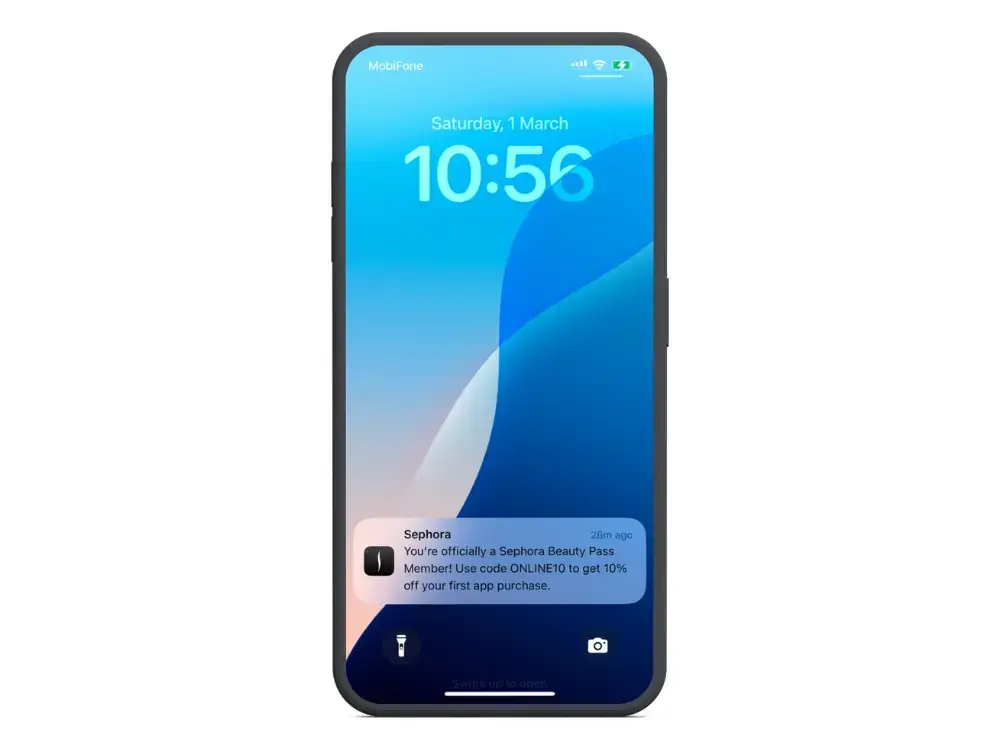
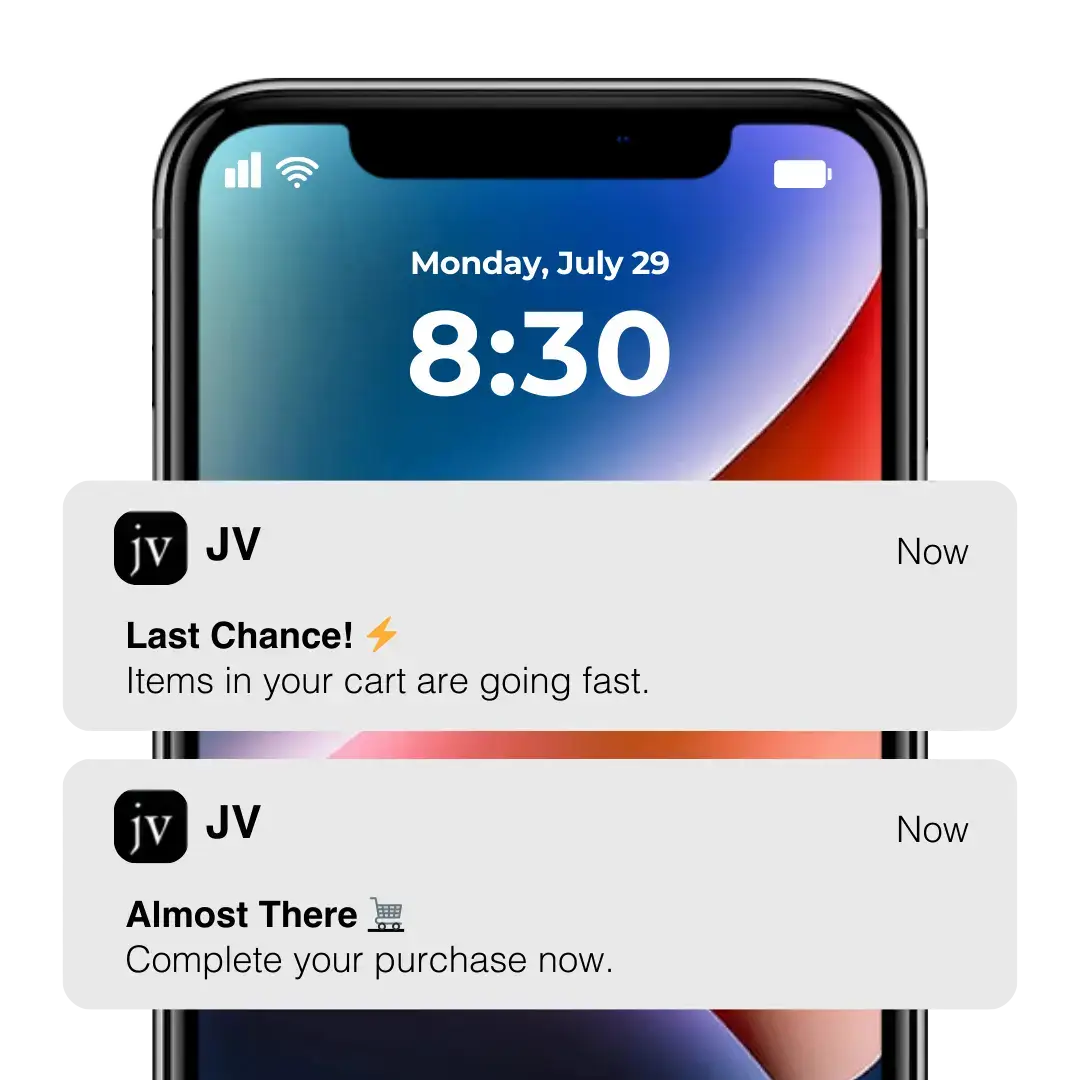
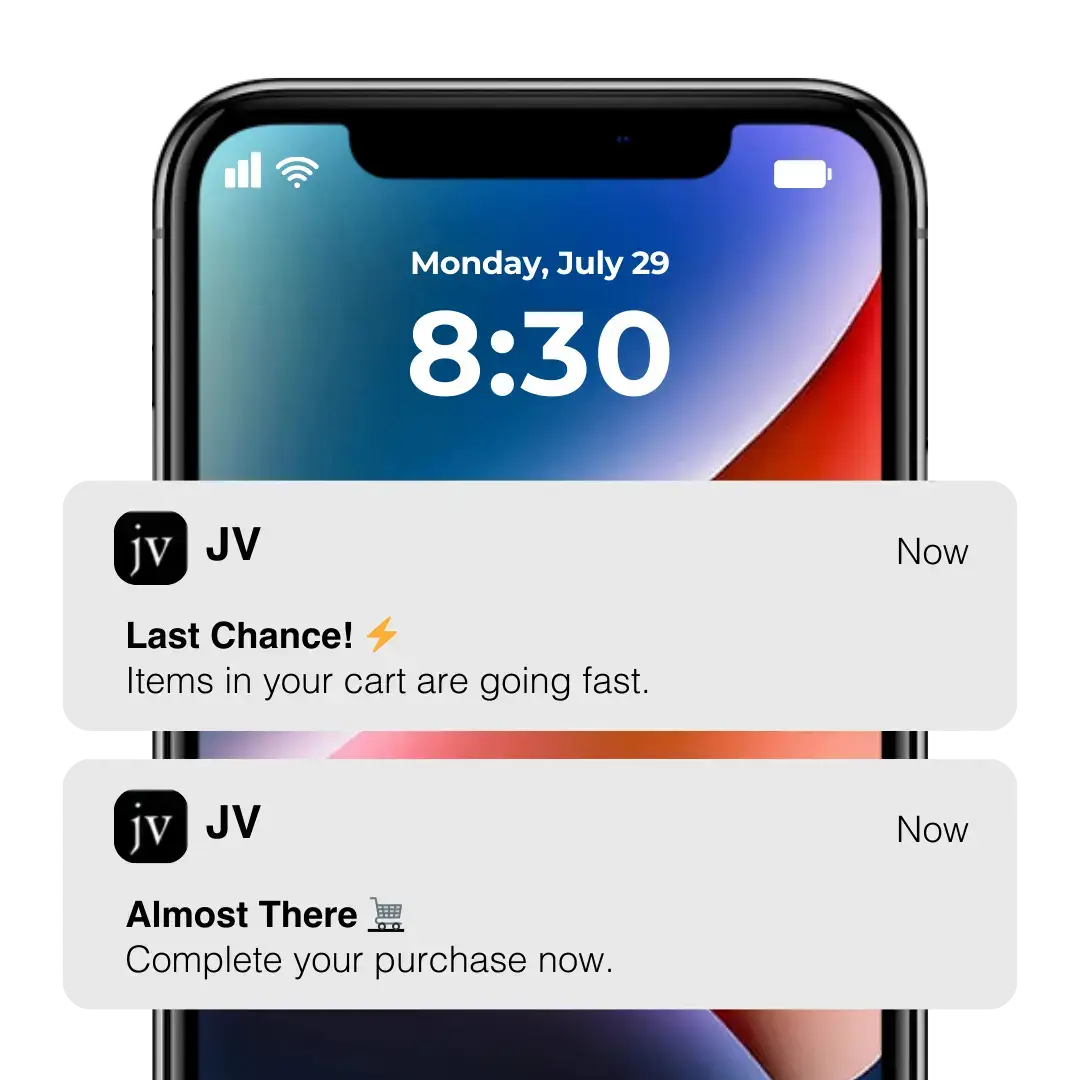
    Many customers with abandoned carts simply forgot to check out, and a quick email, SMS or push notification can be enough to recover the sale.
    __wf_reserved_inherit

    Approximately 70% of online shopping carts are left abandoned, which means there’s a significant opportunity to reclaim lost revenue, increase the number of customers, and lower your customer acquisition cost.

    __wf_reserved_inherit

    3. Narrow Your Target Audience

    If your ad spend is too high, you might be trying to advertise to too many people.

    It’s natural to want to get in front of as big a market as possible, but a smaller, more targeted audience will often be more cost-effective.

    This lets you tailor your copy, customer experience, design and messaging to a specific segment, rather than trying to please everyone.

    Do some research and figure out what your most profitable segments are, and consider doubling down on these people as your primary target audience.

    4. Invest in SEO and Content Marketing

    Consider branching out to cost-effective channels acquisition channels.

    SEO is one of the most economical traffic channels, and can deliver an incredible ROI if done right.

    Growing visibility in Google (and other search engines, such as the app stores), allows you to generate sales for very little cost.

    As a plus, content marketing and SEO helps position your brand as an authority in your field, increasing trust and conversion rate.

    SEO takes time, and some investment. But it is not nearly as expensive as paid ads, and adding a steady number of low-cost sales will help offset more costly acquisition channels.

    5. Utilize Email, SMS and Push Notifications

    Direct communication channels like email, SMS and push notifications are more cost-effective alternatives (or complements) to paid ads.

    In the retail, eCommerce and consumer goods sector, email marketing has an average ROI of $45 for every $1 spent.

    And with email becoming more saturated, and more people today going mobile-first, SMS and push notifications can be even more effective.

    __wf_reserved_inherit

    Focus on getting contact information from people who land on your website but don’t buy.

    Offer an incentive for them to sign up to your email list, to give you their phone number, or to download your app.

    This gives you the ability to market to them further, and acquire sales for a much lower cost than other acquisition channels.

    6. Start a Referral Program

    Referrals are yet another cost-effective way to get new customers.

    A study by Wharton Business School found that customer acquisition costs were significantly lower for referred customers (20 euros, or $22-23 lower in their study).

    What’s more, they found that referred customers delivered 25% more value than non-referred customers.

    With the low cost and low effort required to manage referral programs, this is a great opportunity to reduce your CAC and offset your more expensive channels.

    7. Partner with Influencers/Brand Ambassadors

    The ROI of influencer marketing can vary a lot, but brands who do influencer marketing well see an incredible return on their money.

    Influencer Marketing Hub finds an average ROI of $5.78 for every dollar spent on influencer marketing, while the top 13% of businesses are able to generate $20 of revenue per dollar invested.

    Look for influencers to partner with, whether it’s on Instagram, TikTok, podcasts, or any other platforms where your audience consumes content. 

    Larger brands can consider signing brand ambassadors to represent them, a tactic major brands have been doing for decades to grow visibility and build trust and credibility in their niche.

    8. Test, Test, Test

    You can listen to as much advice as you want, on how to get a better ROI from your paid ads, how to improve your conversion rate, which channels to use for a better CAC… but it won’t always work out as you expect.

    The best way to figure out what works and what doesn’t, is to test.

    Test everything – test pricing, test different audiences to target, test ad copy and creative, test different images on your product pages.

    Your tests will result in many micro-optimizations, which add up to a significant improvement in your customer acquisition cost in time.

    9. Launch a Mobile App

    Finally, launching your own mobile app is an incredible way to lower CAC (plus increasing AOV, LTV and more).

    Mobile apps help you improve conversion rate for mobile users, by offering a smoother, self-contained experience on mobile.

    They give you access to push notifications, which you can use for promotional campaigns, and to recover abandoned carts.

    They help you get more loyal, repeat customers, who become valuable assets for your referral program and send new customers your way.

    Mobile apps also let your business get into the app stores, a powerful authority signal, boosting trust with your customers and increasing visibility.

    There’s a reason so many brands today have their own app.

    The mobile commerce market is booming, to the tune of more than $2 trillion per year worldwide, and shoppers on the whole prefer apps to mobile websites, spending more time and money and converting at a higher rate in mobile apps.

    How to Launch a Mobile App (And Reduce CAC)

    If you don’t already have a mobile app, and think you simply can’t afford such an investment, think again.

    With Vendrux, launching an app is quick, affordable, and easy. And best of all, you don’t need to sacrifice anything in quality.

    __wf_reserved_inherit

    Vendrux helps you convert your existing website into iPhone and Android apps.

    It takes zero effort on your part – we do all the work for you, and simply use what already works for you on the web to deliver a great app experience, fully synced with your website.

    The cost is a fraction of what it costs to build a fully custom app, and it comes with none of the complexity and overhead.

    Your app updates with your website, so you have nothing extra to maintain, while you get all the benefits of having your own app.

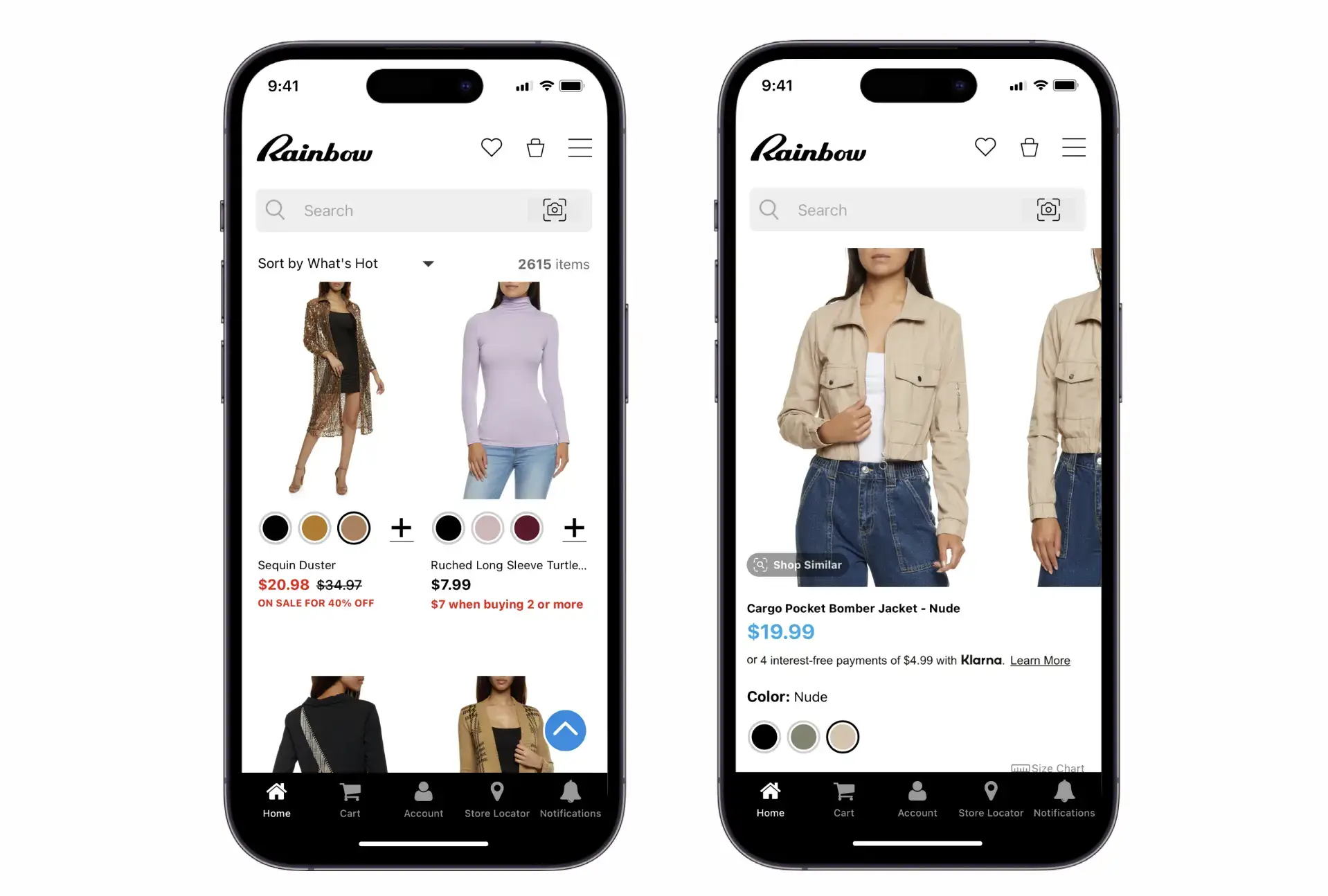
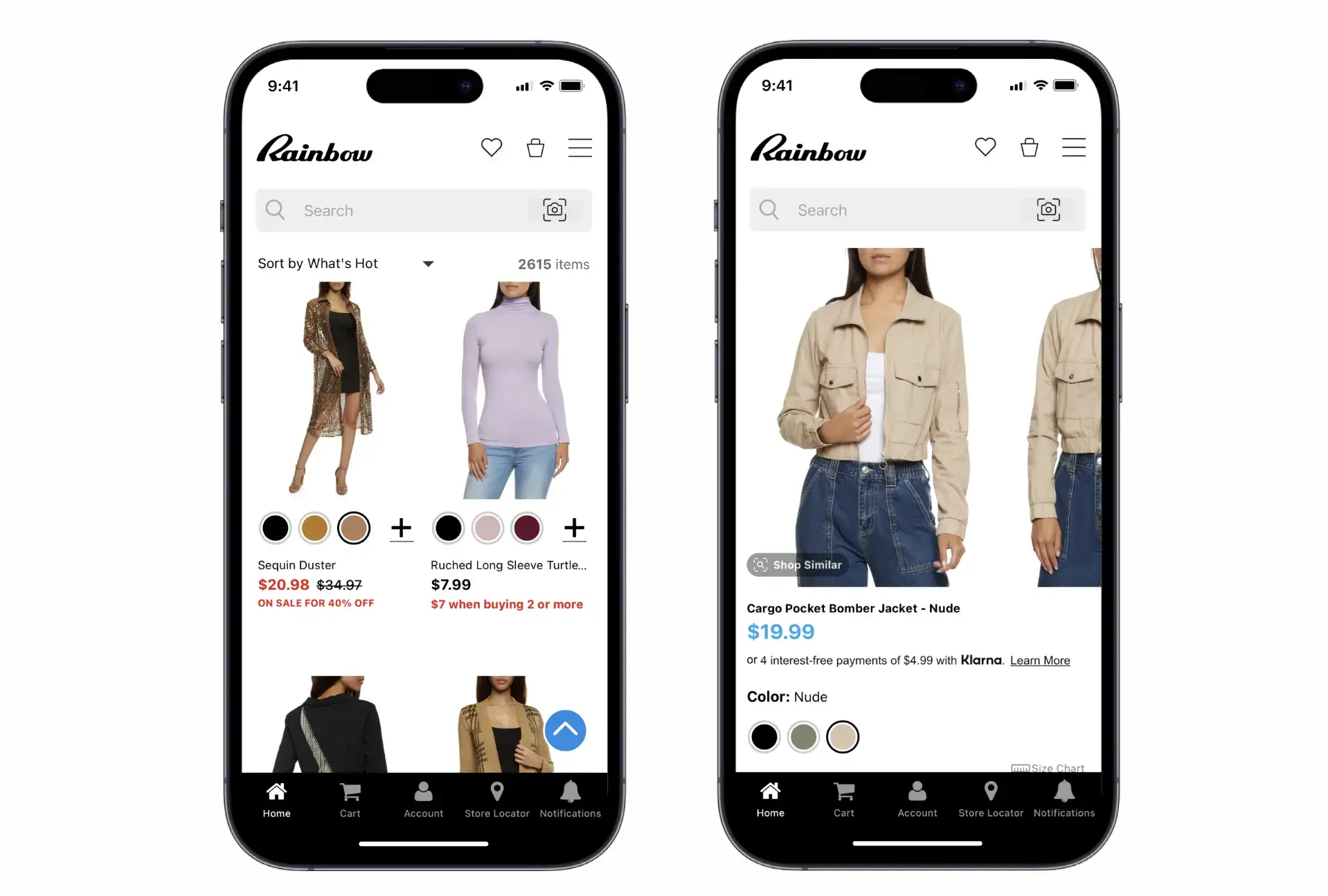
    High-revenue brands such as Rainbow Shops, John Varvatos and BESTSELLER all used Vendrux to build apps which drive significant revenue for them for very little cost.

    __wf_reserved_inherit

    Your app could be live and in the app stores in less than a month, all for a low cost, with no major changes to your workflow.

    Get in touch now to learn more about what’s possible.

    Lower Your CAC and Boost Loyalty and Retention Now

    It’s worth the time and effort for any eCommerce business to figure out how to spend less money acquiring customers and make more profit on every sale.

    There are so many opportunities to optimize your CAC, whether it’s by improving conversion rate, investing in low-cost acquisition channels, or improving the efficiency of your ads.

    You can also launch a mobile app, which will not only help you reduce CAC, but boost long-term revenue and loyalty, delivering more value from the money you spend on marketing and sales.

    Get in touch and book a free demo to learn how easy it is to grow your business and reduce CAC with Vendrux.
  • How to Own Your Website Traffic: Building Unstoppable Moats

    How to Own Your Website Traffic: Building Unstoppable Moats

    DTC brands are at a crossroads.

    Most rely on traffic they don’t control—Facebook and Instagram ads, Google search rankings, and influencer promotions.

    These channels are effective, but they’re rented land… subject to algorithm changes, rising costs, and platform risks that can cut off your lifeline overnight.

    To survive (much less to thrive), you need to own your audience and traffic.

    Read on to learn how to transform your website into an owned traffic machine, to scale profitably and survive as ecommerce becomes more and more cutthroat.

    Want the latest insights into how 7, 8 and 9-figure brands are driving sustainable growth? That’s what you get with our weekly newsletter, The Retention Edge. Subscribe for free today.

    Why Owning Your Website Traffic is Crucial

    Most brands today are addicted to traffic they don’t own. They rely on Facebook and Instagram ads, Google search rankings, and influencer shoutouts to bring in customers. 

    These can all be powerful ways to scale a brand. But here’s the problem—every single one of those platforms can change their rules overnight, leaving your brand scrambling for a new sales channel.

    We’ve seen this before:

    • Facebook’s iOS14 update slashed tracking capabilities, making paid ads less efficient.
    • Google’s algorithm updates can nuke organic rankings, wiping out years of SEO work.
    • Influencer fatigue means customers trust organic recommendations over paid sponsorships​.

    If you’re building your brand on borrowed land, you’re at risk.

    Even putting aside platform risk, the competition in ecommerce is rising at a staggering rate.

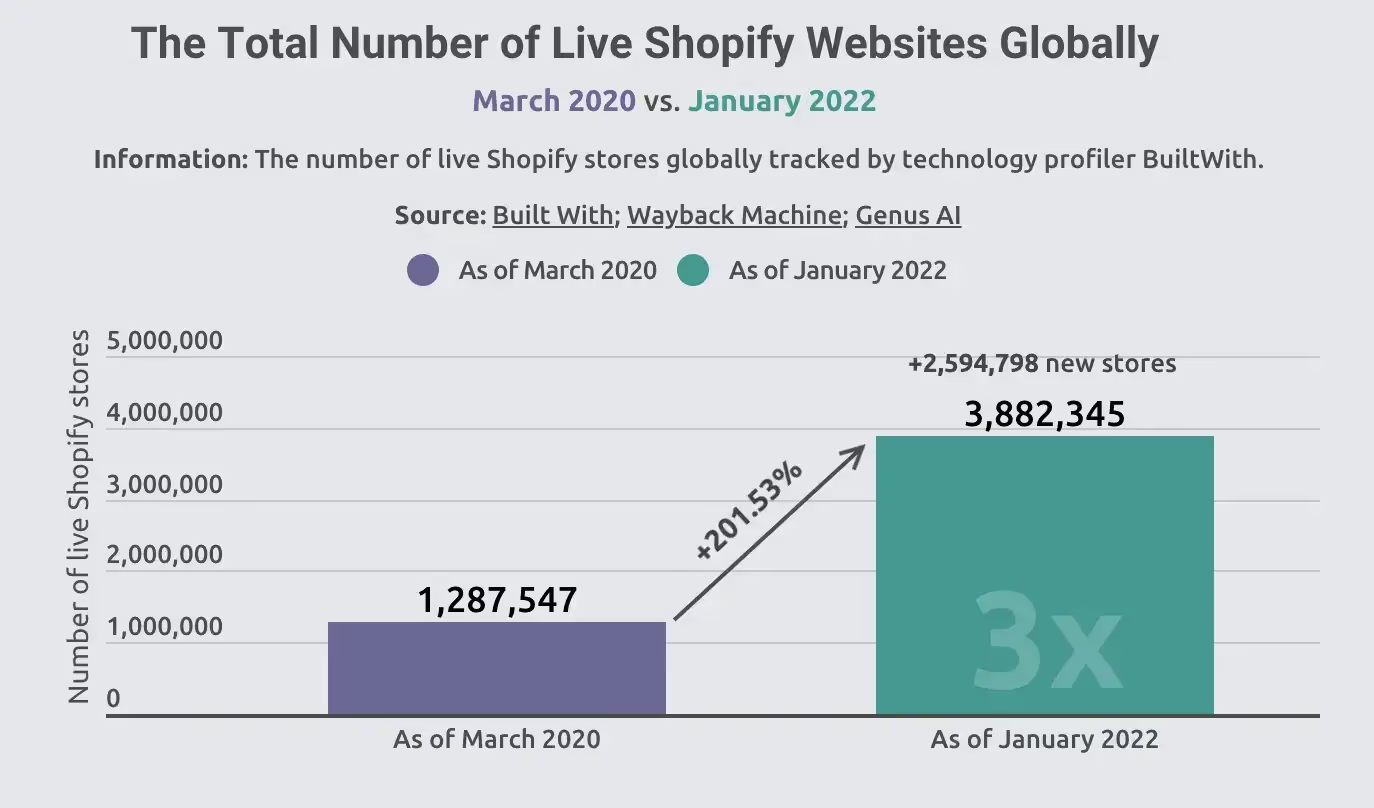
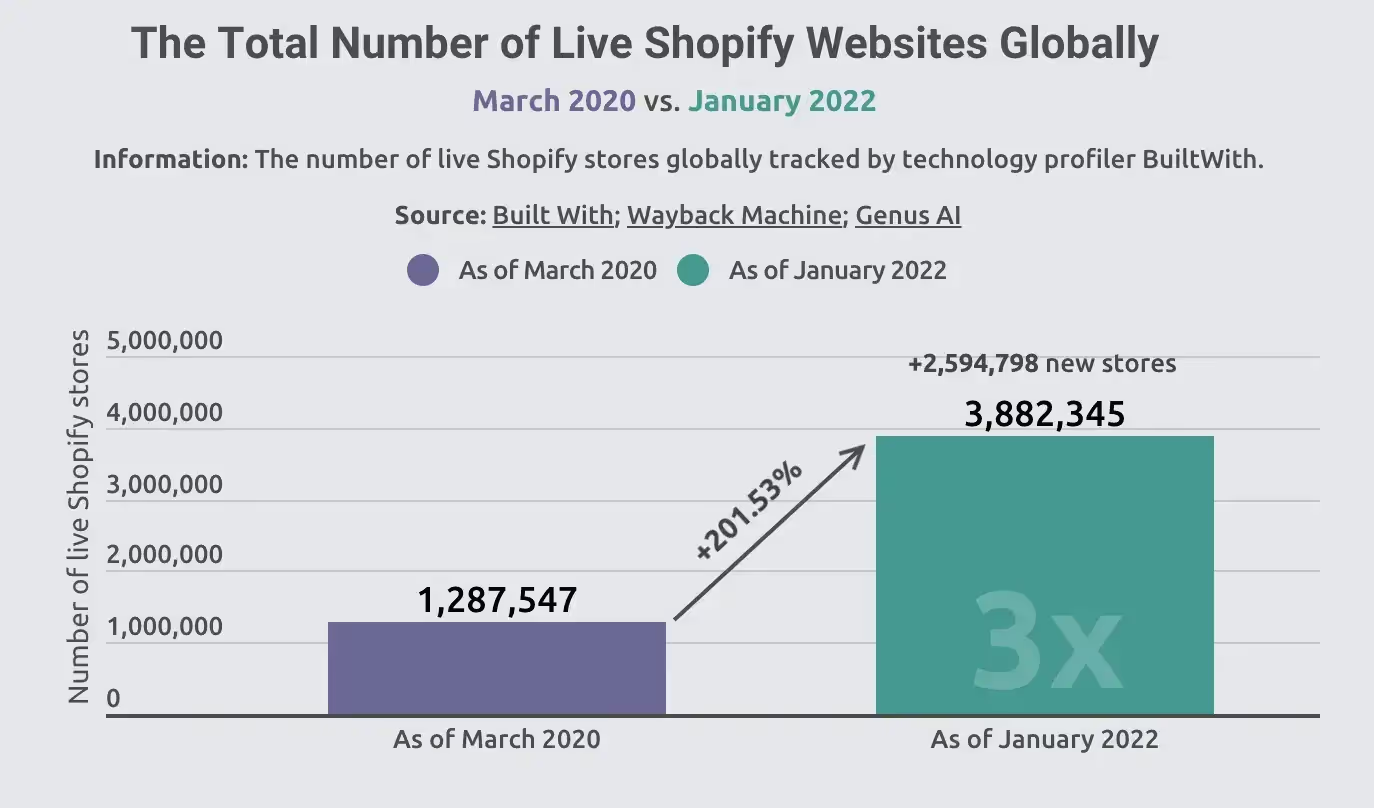
    Between March 2020 and January 2022, the number of live Shopify websites increased by more than 2.5 million (a 201% rise).

    Source: Relo

    With more brands competing for their share of your customer’s wallet, there’s less room for error than ever before.

    The result is roughly 60% higher CAC, compared to five years ago.

    The solution? 

    Own your traffic.

    What “Owning Your Traffic” Really Means

    Owning your website traffic means controlling how you acquire and communicate with your audience. 

    Instead of renting visibility from ad platforms and search algorithms, you:

    1. Create content that not only ranks, but builds brand affinity.
    2. Capture visitor data to re-engage them via email, SMS, or your app.
    3. Build communities around your brand that sustain themselves.
    4. Optimize for repeat visits and higher LTV, reducing reliance on paid ads.

    This isn’t just a neat idea. It’s a necessary strategy for survival, with ad targeting getting harder and CAC going to the roof.

    Read more: the difference between Paid, Earned and Owned Media Channels

    The Framework for Building Owned Traffic Moats

    A moat is a competitive advantage that protects your business from competition. It’s whatever stops a competitor from stepping in and replicating your business overnight, or a third-party platform from wiping out all your sales in one swift algorithm change.

    Your website can be a strong moat or a flimsy one. The key is to leverage your website to create brand assets.

    1. Engaging content that attracts and retains customers
    2. Email & SMS lists
    3. Owned assets like a mobile app or a community

    These are all assets you control, with no algorithms, no gatekeepers.

    The Owned vs Rented Traffic Equation

    Most growth channels are rented traffic.

    This is fine; renting is more immediately scalable. You can get a much quicker return on your investment.

    But long-term, your success is tied to that channel, and changes (ad accounts getting banned, acquisition costs going up) can make it hard to sustain your business in the future.

    Rented Traffic = Constant Spend

    • You pay a toll every time someone visits (ads, influencers, SEO that’s at risk of Google updates).
    • Costs increase over time as competition rises.

    Owned Traffic = Scalable & Repeatable

    • Traffic grows as you nurture audiences through content, email, and SMS.
    • Costs decrease as customer retention increases.

    SEO & Content as a Moat (The Foundation of Long-Term Retention)

    SEO traffic is not an owned channel; it’s earned.

    It’s not owned because you’re not in total control. You can follow all the best practices, but you’re still ultimately at the mercy of Google’s algorithm.

    It also takes time to see a return on your results—hence why this traffic is earned (you earn traffic from SEO based on past work and investment).

    SEO is, however, a great way to build owned traffic moats.

    Google search delivers cheap, scalable traffic to your website, which you can turn into owned audiences (email, SMS, mobile apps).

    But most brands don’t play it this way. If they invest in SEO at all, it’s only to generate buy-now traffic to their product and collection pages.

    What they don’t understand is that their target audience is so much bigger than those who are actively in-market.

    The smartest stores treat SEO optimization as ongoing maintenance, instantly spotting and fixing hidden errors that silently tank traffic and rankings.

    To simplify the process, they use apps that offer SEO all-in-one solutions (like Tapita SEO & Speed Optimizer) to stay ahead of issues Google would otherwise penalize.

    By thinking about SEO as a stepping stone to owned moats, you can start to build wider audiences that contribute far more revenue (and profit) in the long run.

    Converting Your Earned and Paid Web Traffic into Owned Channels

    A key part of your SEO strategy (as well as paid acquisition) has to be converting web traffic into owned channels.

    For the hard work (and investment) it takes to get someone to your website, you need to retain their attention for longer than just one browsing session.

    Step one is getting traffic.

    This is where SEO is great. It’s cheap and scalable, allowing you to attract people who are both in and out of market.

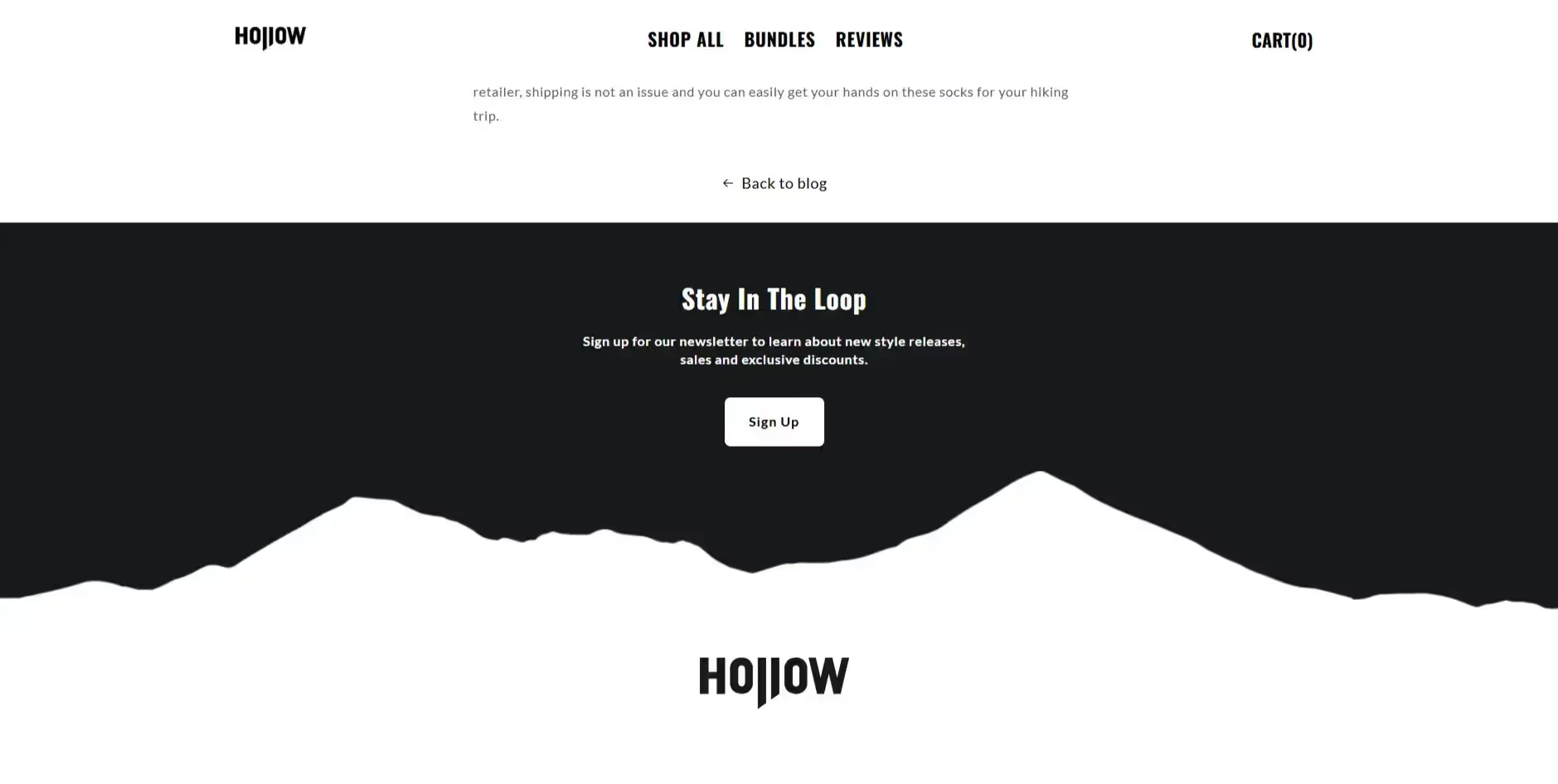
    See how Hollow Socks and True Classic do it.

    They have articles that attract a wider audience, educate and nurture people who are not yet laser-focused on buying.

    These pages either direct people further down the funnel (to product pages), or try to get you to join their email list.

    Alternatively, you could pitch other owned channels, like your mobile app or a members-only community.

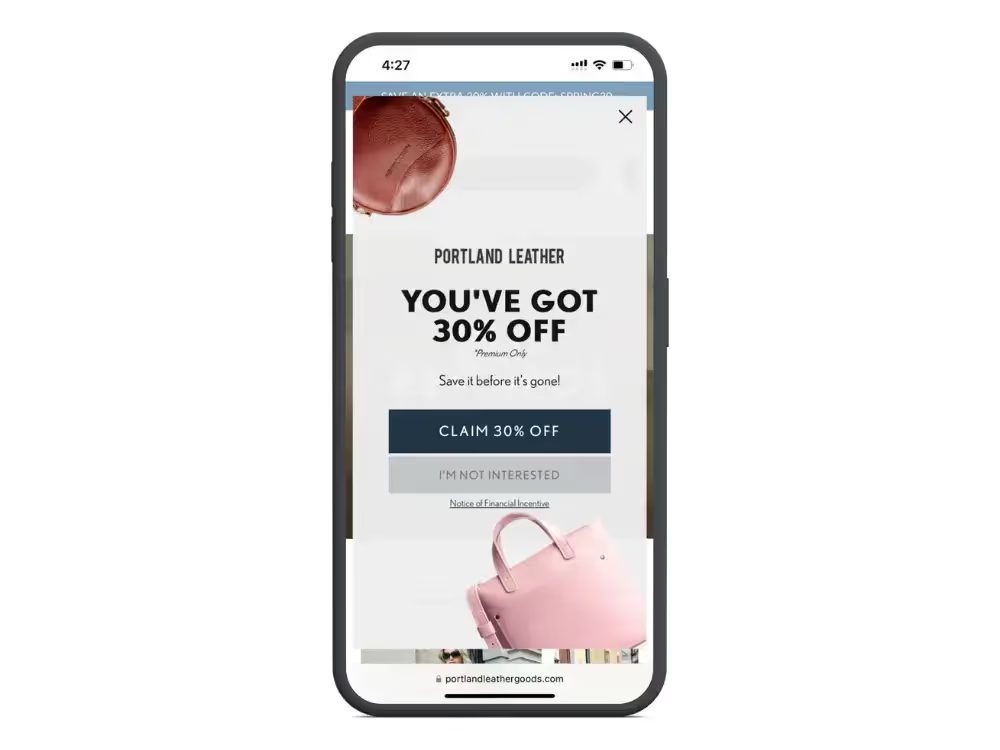
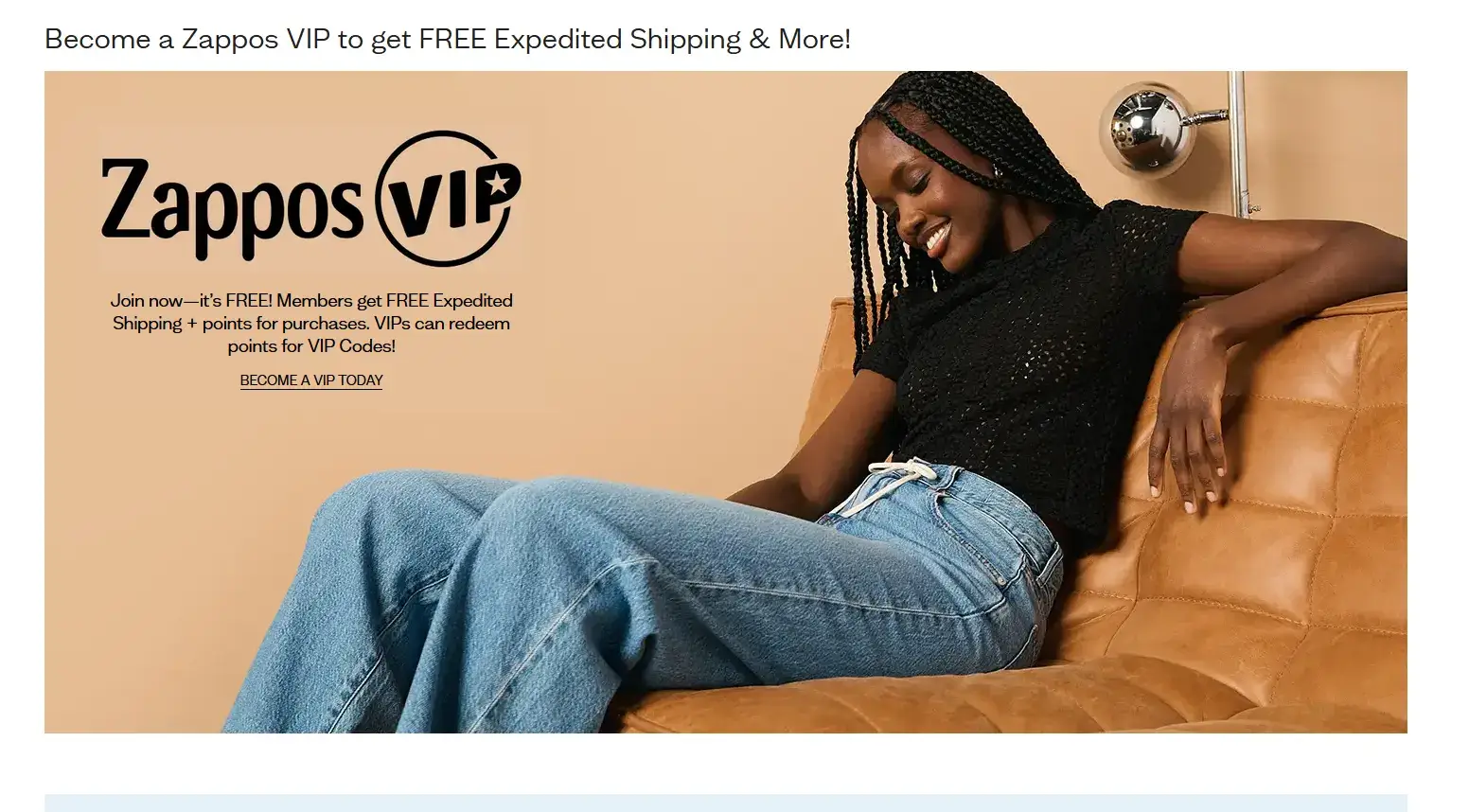
    This is why every ecommerce website you land on, whether it’s the home page, product pages or a blog post, serves you an opt-in with the offer of a discount or some other incentive if you join their list.

    Now let’s look at a few of the best owned traffic moats to focus on.

    Email & SMS – Your Direct Line to Revenue

    Email & SMS are still high-ROI channels​.

    • Email has an average ROI of 36:1, meaning for every $1 spent, you get $36 back​.
    • SMS sees 6x higher click-through rates than email​.
    • Retargeting people via email/SMS is 10x cheaper than acquiring new customers via paid ads.

    Best of all, they’re owned channels. You control the audience and the messaging. You don’t have to constantly pump money in to get returns, like with paid ads, and you can’t get shut out as easily (though email deliverability is getting tighter of late).

    This direct line to your customers, and to potential revenue, is crucial in today’s DTC landscape.

    Building a High-Value List

    Here’s how to start building a powerful and valuable list, leveraging your existing website traffic.

    1. Optimize website pop-ups for email/SMS capture (exit intent, timed, and scroll-triggered).
    2. Use quizzes & gated content to increase sign-ups (e.g., skincare quiz to recommend products).
    3. Offer exclusive perks for subscribers (early product drops, VIP pricing).

    The Role of Automated Flows

    The incredible value of channels like email comes from their simplicity and lack of overhead.

    Automated emails (which actually have significantly better engagement than email campaigns) require little to no ongoing work to maintain.

    Set these up once, and they print money:

    • Welcome Series (45-60% open rates)
    • Cart Abandonment Flow (Recover up to 15% of abandoned carts)
    • Post-Purchase Flows (Drive repeat orders & referrals)
    • Win-Back Campaigns (Re-engage lapsed customers)

    Read more: Why Email, SMS & Push Are Your Brand’s Most Dependable Revenue Channels

    Mobile Apps as a Moat

    One of the best, and most overlooked, owned moats? Your own mobile app.

    An app gives you direct control over your audience. It’s real estate on your customer’s home screen. Your brand remains constantly top of mind, and you can contact them (with extremely high visibility, and essentially for free) with push notifications.

    Why Every DTC Brand Should Consider Building an App

    If you’re in a high-retention, high purchase frequency industry, an app can be an incredibly powerful growth lever.

    • Apps convert 3-4x higher than mobile web.
    • Apps drive higher repeat purchase rates and LTV.
    • Push notifications have 30x better engagement than email​.

    As for launching an app, the biggest misconception is that apps are only for huge brands with endless capital.

    Thanks to no-code solutions like Vendrux, any brand can build their own app, without spending a ton of money.

    All you need is an optimized mobile website. Converting your website into a mobile app is easy—and you don’t need to hire developers to do it.

    Check out this article for more on whether or not your brand needs an app. To learn more about how Vendrux makes it happen, get a free consultation now.

    Tactics for Driving App Adoption

    You can grow your app with largely the same methods you would an email list, or a community.

    Offer incentives for people to download it (e.g. discounts), or exclusive benefits they only get in the app (e.g. early access to new product drops).

    • Offer exclusive in-app perks (discounts, early access).
    • Incentivize app downloads at checkout.
    • Use QR codes in packaging to drive app installs.

    Each app user is far more valuable than an email subscriber, which is more valuable again than someone who just lands on your website and bounces. So it’s worth investing in these assets (as your investment will pay off in the future).

    The Role of UGC & Community-Driven Content

    Another owned moat is the community you build around your brand.

    There are two sides to this.

    One is an actual community. Obvi, for example, has a Facebook group with over 100,000 members.

    This is something they own (not quite to the degree of a mobile app or email list, as Facebook can still technically control it. But it’s far more ownership than a branded page with diminishing reach).

    On the other hand, you’ve got the de facto community of users who use your products and post about them online (UGC).

    UGC is typically considered earned, rather than owned, but it’s a moat nonetheless.

    It’s a following that doesn’t disappear because you stop spending advertising dollars, or because Meta decides to scupper your ad accounts.

    So these are other things you can use your website traffic to build.

    Create engaging content, and focus on building an amazing customer experience, and a brand that resonates.

    Retention is the New Acquisition – Monetizing Owned Traffic

    The brands winning in 2026 aren’t just throwing money at Meta ads. They’re owning their audience.

    Why more brands don’t focus on owned channels is that they don’t have the same immediate payoff as paid acquisition.

    You spend $1 to get someone on your email list, and that money disappears (for now).

    But in time, that dollar can turn into $10, $20, $40—even more.

    While paid acquisition, even if you’re consistently putting in $1 to earn $2, is always reliant on money going in.

    If the equation changes, and now $1 only earns you $0.90, you’re finished.

    Final Action Plan

    1. Audit your traffic reliance: What % of your sales come from owned vs rented traffic?
    2. Invest in email & SMS automation: Set up the essential flows.
    3. Ramp up content & SEO: Build authority in your category.
    4. Consider launching an app: If you have high repeat purchase rates, this is a no-brainer.
    5. Double down on retention: Your existing customers are your highest-margin growth channel.

    Own your audience. Own your future.

  • How to Increase Customer Lifetime Value in Ecommerce: 14 Proven Strategies

    How to Increase Customer Lifetime Value in Ecommerce: 14 Proven Strategies

    In ecommerce, there’s one metric that moves the needle more than anything else: customer lifetime value.

    Strong lifetime value is the key to a scalable, sustainable business. It means customers are coming back and buying regularly, and each dollar you pump into new customer acquisition is going further.

    Keep reading for the complete guide on how to boost your store’s customer lifetime value – including the one massive lever that most ecommerce brands aren’t using.

    14 Strategies to Increase Customer Lifetime Value

    Here’s the secret to increasing customer lifetime value:

    There’s not one magic bullet waiting for you. There are numerous levers you can pull – and it’s not hard to stack multiple improvements to engineer a meaningful lift in LTV.

    Here are 14 ways to lift LTV. Execute on just half of them, and you could see a major change in your unit economics and cash flow.

    1. Launch a Mobile App

    Mobile app users consistently generate the highest lifetime value of any ecommerce channel. According to the Vendrux Ecommerce Benchmark Report, app user CLV is 2.8-5x higher than web-only shoppers, and 60% of first-time app buyers go on to make additional purchases.

    Why the gap is so large:

    • Higher purchase frequency. App users purchase roughly 33% more often than non-app users. The app icon sits on their home screen next to Amazon and Instagram, which means your store is one tap away instead of a Google search away.
    • Higher conversion rates. Apps deliver 1.7-3x higher conversion rates than mobile web. One wellness brand in the benchmark study converts at 9.1% in-app vs. 1.1% on mobile web.
    • Higher order values. Apps provide 10-50% higher AOV than mobile web, likely because the streamlined checkout and saved payment details reduce friction.
    • Push notifications. You get a direct, low-cost re-engagement channel. Automated abandoned cart pushes alone generated $10,000-$200,000+ in additional monthly revenue for the brands studied.

    Rainbow Shops saw a 7x increase in mobile customer lifetime value after launching their app. John Varvatos generates 10x more revenue per app user than mobile web, with a 4x higher purchase rate.

    “The app’s been invaluable to us. The cost we’re paying versus what we’re getting back is tenfold.”
    — Nick Barbarise, Director of IT at John Varvatos

    The best part: you don’t need to build an app from scratch. With a service like Vendrux, you can turn your existing website into a native iOS and Android app in about a month, keeping all your existing features, integrations, and design intact. 

    This could be the fastest and most effective way to elevate your customer lifetime value.

    2. Launch (or Improve) Your Loyalty Program

    Loyalty program members generate 12-18% more revenue than non-members, according to Accenture. And 85% of shoppers say they’re more likely to buy from brands with loyalty programs.

    The key is designing a program that rewards the behavior you want. Points-per-dollar is the default, but the programs with the highest CLV impact use tiered structures. 

    • Sephora’s Beauty Insider (Insider, VIB, Rouge tiers) creates aspiration where customers spend more to reach the next level. 
    • Starbucks Rewards combines points-per-dollar with status and convenience (order-ahead, free drinks), which is part of why their app drives such high repeat purchase rates. 
    • Amazon Prime takes a different approach entirely: a paid membership that locks in loyalty through shipping benefits, creating switching costs that keep customers buying repeatedly.

    What to look for in a loyalty platform:

    • Tiered rewards that create progression (not just flat points-per-dollar)
    • Points for non-purchase actions like reviews, social shares, and referrals
    • Integration with your existing stack so points display correctly across web, email, and app

    Tools like Smile.io, Yotpo, and LoyalLion are the most popular options on Shopify. 

    Yon-Ka Paris, a Vendrux customer, integrates their Yotpo loyalty program with their mobile app, offering extra points for in-app purchases, which drives both app adoption and repeat buying.

    This is a lever that a lot of brands are using, but not to its full potential.

    3. Subscriptions

    Subscriptions transform one-time buyers into recurring revenue with dramatically longer customer lifespans. 

    Dollar Shave Club built a billion-dollar brand largely on the strength of subscription CLV; customers who subscribe stay longer and spend more than those who buy one-off.

    If you sell consumable products (supplements, skincare, coffee, pet food), giving customers a subscribe-and-save option is one of the simplest ways to lock in higher CLV. 

    The model works because it solves a real problem: customers don’t have to remember to reorder, and they often get a small discount (typically 10-15% off) for committing.

    For the brand, it’s a recurring revenue stream that’s one of the most reliable ways to keep customers buying from you for longer – and spending more over their lifetime as a customer.

    Read more: Best Subscription Apps for Shopify Stores

    4. Use Push Notifications, Email, and SMS Strategically

    Direct marketing channels are the backbone of lifetime value. The core channels in your stack are email, SMS and push notifications.

    Each channel has a different strength, and using them together drives more repeat purchases than any single channel alone.

    Push notifications are your most effective channel on a user for user basis: visible, low-cost, and land inside the native app where checkout is one tap away.

    Email is still the foundation for lifecycle marketing. Welcome sequences, post-purchase flows, and win-back series are where tools like Klaviyo and Omnisend shine. Email is best for longer-form content: product education, brand storytelling, and detailed promotions.

    SMS works for time-sensitive messages: flash sales, back-in-stock alerts, and shipping updates.

    The highest-performing brands layer all three. A customer abandons their cart; they get a push notification within an hour, an email the next morning, and an SMS 24 hours later if they still haven’t converted.

    For a deeper breakdown, see our comparison of push notifications vs email vs. SMS.

    5. Personalize the Shopping Experience

    77% of consumers have spent more money or recommended a brand that offered a personalized experience, according to Twilio. Personalization increases CLV by making every interaction feel relevant, which boosts both conversion rate and purchase frequency.

    The most impactful personalization tactics for CLV:

    • Product recommendations based on purchase history. If a customer bought running shoes, show them running socks and insoles, not random bestsellers. Certain Shopify apps together with Shopify’s native recommendations make this automated.
    • Segmented email flows. A customer who’s bought three times should get a different email than a first-time buyer. Segment by purchase count, product category, and average spend.
    • Dynamic homepage content. Show returning visitors their recently viewed items, back-in-stock products from their wishlist, or category-specific promotions.
    • Personalized push notifications. Instead of blasting the same promo to everyone, segment by purchase behavior. A customer who bought from your skincare line gets notified about new skincare arrivals, not shoe sales.

    The key is using the first-party data you already have (purchase history, browse behavior, email engagement) rather than relying on third-party cookies that are going away.

    6. Set Up Automatic Cross-Sells and Upsells

    Once someone has made a purchase, they’ve demonstrated trust. That makes the post-purchase window the best time to sell them more.

    • Cross-sells recommend complementary products. A customer buying a camera gets shown memory cards and a carrying case. A skincare customer buying moisturizer sees the matching serum.
    • Upsells encourage upgrading. The customer adding the basic plan gets shown the premium version with its additional features.

    The most effective placements:

    • Cart page / checkout: “Frequently bought together” bundles.
    • Post-purchase page: The “thank you” page is prime real estate for a one-click add-on offer.
    • Email: Post-purchase emails sent 3-7 days after delivery with related product suggestions.

    Brands like XCVI see 30% higher AOV in their mobile app, partly because the streamlined shopping experience makes it easier for customers to browse and add complementary items.

    7. Optimize Your Post-Purchase Experience

    The gap between clicking “buy” and receiving the product is where many brands lose future revenue. A great post-purchase experience turns a transaction into a relationship.

    What matters the most is:

    • Fast, proactive shipping updates. Don’t make customers check tracking manually. Send automated updates at key milestones (shipped, out for delivery, delivered).
    • A memorable unboxing experience. Branded packaging, a handwritten thank-you card, or a small surprise sample. These are inexpensive and make customers feel valued.
    • Easy returns. A frictionless return process increases the likelihood of a future purchase, even when the current one didn’t work out.
    • Follow-up check-in. A simple email 7-10 days after delivery asking if everything arrived okay and if they need help. This prevents negative reviews and opens the door for repeat buying.

    The brands that treat post-purchase as an active retention strategy, rather than a logistics afterthought, see measurably higher repeat purchase rates.

    8. Nail the First-Purchase Experience

    The biggest drop-off in customer lifetime value happens between the first and second purchase. If a customer never comes back after their first order, their CLV is whatever that single order was worth.

    Strategies to maximize the first-to-second purchase conversion:

    • A welcome series that starts immediately. After the first purchase, trigger a 3-5 email sequence that introduces your brand story, showcases best-selling products, and offers a time-limited incentive for the second order.
    • A “second purchase” discount. Something modest (10-15% off) with a 30-day expiry creates urgency without training customers to wait for discounts.
    • Prompt the app download. If you have a mobile app, the post-purchase confirmation page and email are ideal placements for a download prompt. Customers who move to the app are 5x more likely to make a repeat purchase than those who stay on mobile web.
    • Ask for a review. It deepens engagement with your brand and increases the chance they return. Time the ask for 7-14 days after delivery.

    9. Build a Referral Program

    Referral programs serve double duty: they bring in new customers at a lower acquisition cost, and they deepen the referrer’s own loyalty. When someone recommends your brand to a friend, they’re publicly associating themselves with you, which makes them more likely to buy again themselves.

    Structure matters. The most effective referral programs reward both sides (the referrer and the new customer), use a clear dollar-off incentive rather than percentage discounts, and make sharing frictionless (unique referral link via email, SMS, or social).

    There are a number of cost-effective apps you can install that make setup straightforward. For more on what works, see our roundup of Shopify referral program apps.

    10. Increase Your Prices

    This is the most direct way to increase CLV: if each order is worth more, the customer’s total lifetime value goes up proportionally.

    If your average order is $20 and customers buy three times, your CLV is $60. Raising your price to $22 (a 10% increase) bumps CLV to $66, assuming purchase frequency holds steady.

    The risk is that higher prices reduce conversion or purchase frequency. But most brands undercharge, especially in DTC where consumers are often willing to pay more for quality, better packaging, or faster shipping. 

    Test incremental price increases (5-10%) on a subset of products and measure the effect on conversion rate and repeat purchase rate before rolling it out broadly.

    11. Sell Complementary Product Lines

    If your catalog is narrow, customers run out of reasons to come back. Expanding into complementary products gives existing customers more to buy.

    A shoe brand adds socks, insoles, and shoe care products. A supplement company adds protein bars and shaker bottles. A skincare brand adds body care and tools.

    The key is staying adjacent to what your customers already buy from you. Don’t diversify into unrelated categories. The goal is more purchases from the same customer, not a different customer base.

    12. Collect and Act on Customer Feedback

    Asking customers what they think, and visibly acting on it, is one of the cheapest retention strategies available.

    • Post-purchase surveys. A short NPS or CSAT survey 7-14 days after delivery. Focus on 1-2 questions, not a 20-question form.
    • Review solicitation. Customers who leave reviews are more engaged and more likely to repurchase.
    • Close the loop. When customers report issues and you fix them, follow up to let them know. This turns detractors into promoters.

    The brands that treat feedback as a real retention input (routing complaints to CS, adjusting products based on repeated criticism, publicly responding to reviews) see measurably higher loyalty than those that collect feedback and ignore it.

    13. Win Back Lapsed Customers

    Not every customer who stops buying is gone permanently. Many just need a reason to come back. Win-back campaigns target customers who haven’t purchased in a set timeframe (typically 60-120 days, depending on your purchase cycle).

    Effective win-back tactics:

    • Automated email sequences triggered by inactivity. Start with a “we miss you” message, follow with a product recommendation based on their purchase history, and close with a time-limited discount.
    • Push notifications for app users. A well-timed push to a lapsed app user is more visible than an email and costs almost nothing to send.
    • Retargeting ads. Show lapsed customers their previously browsed or purchased products on social media.

    The economics make sense: re-engaging a lapsed customer is significantly cheaper than acquiring a new one, and they already know and (presumably) liked your product.

    14. Segment Customers by Value and Use Predictive Analytics

    Not all customers contribute equally to your revenue. Segmenting by CLV lets you allocate your marketing budget and attention where it matters most.

    A practical starting point: RFM segmentation (Recency, Frequency, Monetary value). Score each customer on how recently they bought, how often they buy, and how much they spend. This gives you clear tiers:

    • High-value loyalists: Reward them with VIP treatment, early access, and exclusive offers. These are your app users, your loyalty program top tier, your brand advocates.
    • Mid-value customers with growth potential: Nudge them toward higher frequency with targeted campaigns. Loyalty program enrollment, subscription offers, and app download prompts work well here.
    • Low-value or one-time buyers: Automated win-back sequences and second-purchase incentives. Don’t over-invest manually; let automations do the work.

    Beyond RFM, cohort analysis helps you track how CLV evolves over time. Group customers by their acquisition month and compare their spending patterns at 30, 60, 90, and 180 days. 

    This reveals whether your retention efforts are actually working and which acquisition channels produce the highest-value customers.

    The next level is predictive CLV modeling, which uses purchase history, browse behavior, and engagement signals to forecast a customer’s future value before they’ve finished buying. 

    Tools like Klaviyo’s predictive analytics, Shopify’s customer segmentation, and Google Analytics 4’s predictive audiences can identify customers likely to churn or likely to become high-value, so you can act before the outcome is decided.

    The insight from segmentation is often surprising: a small percentage of customers typically drives a disproportionate share of revenue. Junior Couture illustrates this perfectly: just 5% of their users are on their app, but those users generate roughly 50% of their sales.

    How Mobile Apps Drive the Highest CLV Gains

    Several of the strategies above (push notifications, personalization, loyalty programs) work even better inside a mobile app. That’s not a coincidence. Apps create a different kind of relationship with your customers than a website does.

    Here’s why apps consistently produce the highest CLV numbers:

    • Your store is always one tap away. When your app icon sits on a customer’s home screen, you’re next to the apps they use every day. There’s no searching, no typing a URL, no navigating browser tabs. That accessibility translates directly into higher purchase frequency – app users average 2.1-4.7 sessions per user, compared to 1.1 on mobile web. 
    • The shopping experience is faster and more focused. Mobile browsers are cluttered: other tabs, bookmark bars, cookie consent popups. An app is a dedicated environment for your store. Saved login credentials, stored payment methods, and no distractions. That’s why apps deliver 1.7-3x higher conversion rates and 10-50% higher AOV.
    • Push notifications are a direct line to your best customers. Push notifications appear on the lock screen, cost effectively nothing to send, and lead directly into your app when tapped. That’s why automated cart recovery pushes generated $10K-$200K+ monthly for the brands in our benchmark study.
    • Apps self-select your highest-value customers. Someone who downloads your app is signaling real intent. They’re invested enough to give your brand permanent space on their phone. That’s why the revenue-to-traffic ratio is so lopsided: Kiokii sees 10% of users in their app generating 35% of total online revenue. Pharmazone drives 63% of online revenue from their app.

    “We find that users who prefer to interact via an app are more loyal, buy from us more often and spend more time with our content.”
    — David Cost, VP of Ecommerce & Marketing at Rainbow Shops

    Your brand should be on the most valuable real estate in ecommerce: the customer’s home screen

    For more data on how apps compare to mobile web, see our full breakdown of ecommerce mobile app statistics.

    Turn Your Website Into a CLV-Driving Mobile App

    If you already have a mobile-optimized website, you don’t need to rebuild anything to get a native app.

    Vendrux turns your existing website into native iOS and Android apps that keep all your features, integrations, and design intact. Your loyalty program, subscription flows, search, checkout, everything works in the app because it’s powered by the same website your customers already use.

    Vendrux turns your website into a clean, full-featured mobile app

    That means no maintaining two separate systems. When you update your website, your app updates with it.

    The process is simple:

    1. Book a strategy call. Fill out the form with your website URL. We’ll discuss your goals, assess fit, and answer your questions. No commitment.
    2. Get a custom app preview. Our team builds a personalized preview so you can see exactly how your store looks and feels as a native app.
    3. Launch in about 30 days. We handle the build, App Store and Google Play submissions, and go-live. You focus on your business.

    Curious whether a mobile app makes sense for your brand? Book a free strategy call or try our app revenue calculator to estimate the impact it could have on your business.

  • 13 Ways to Increase Conversion Rates on Your Shopify Store

    13 Ways to Increase Conversion Rates on Your Shopify Store

    In this article, we’ll share some of the best tips to increase conversion rate for your Shopify store.

    Conversion rate is one of the most important metrics for any online store. Anything you can do to boost conversions will have a direct impact on your bottom line and profitability.

    Increasing your conversion rate is doable with some careful planning and thinking. Keep reading to learn our top 13 ways to increase your Shopify store’s conversion rate.

    Three Things to Know About Conversion Rates

    Before you start reading into your conversion rate, make sure you know what a conversion is, how conversion rate works, and a little context around conversion rate.

    A conversion can be anything you want it to be; sometimes an email signup or a form submission can count as a conversion. But with ecommerce websites, a conversion usually means a sale.

    Aside from knowing what a conversion means for your business, here are three more things you should know in the context of your Shopify conversion rate.

    How to calculate your conversion rate percentage

    The formula used to calculate conversion rate is:

    Conversion rate = (number of orders / visits to your ecommerce store) * 100

    So if you have 2000 visits to your ecommerce store and 75 of them buy something, then your conversion rate is (75/2000) * 100 = 3.75%

    Conversion rate is based on visits, not users

    Generally, conversion rate is based on visits (meaning each time someone lands on your site), rather than users (each unique visitor to your site).

    One user can record multiple visits to your Shopify store. If you take calculate it by user rather than visit, you can end up with an inflated conversion rate compared to the average.

    Unless you specifically want to calculate how many users (i.e. unique website visitors) convert into customers, make sure you take the number for “visits” in your analytics when calculating your Shopify conversion rate.

    Even a good conversion rate is still relatively low

    The average conversion rate for ecommerce is 1.89%. This is important context to know when looking at the conversion rate on your Shopify site.

    You might think, for example, a 3% conversion rate is low. But this would actually be significantly above average.

    Also understand that the average conversion rate varies depending on industry and many other factors. Check out this post to find benchmarks on conversion rate by industry, device, traffic source and more.

    13 Ways to Increase Conversion Rate for Shopify Stores

    Now let’s dive into some of the best ways to increase conversions on your Shopify store and get more sales from your traffic.

    1. Make sure your store is mobile-friendly

    More than half of the US population have made at least one purchase using their phone. And mobile commerce in the US is projected to be worth more than $710 billion in 2025.

    Today, your store needs to be mobile-friendly. You’re leaving too much money on the table if you give a sub-par user experience to approximately half of your potential customers.

    To really optimize your store for mobile, take it one step further and create your own mobile app. Only 12% of consumers think shopping on the mobile web is convenient; mobile apps make it much easier for shoppers on mobile devices.

    Mobile apps boast even higher conversion rates than mobile websites. An app icon on a user’s phone screen is a constant reminder of your ecommerce store. It also is far easier to use than a mobile website and lets you send push notifications and offer other things, such as exclusive mobile coupons.

    The Rainbow Shops app (read their story here)

    To learn how you can turn your Shopify store into a mobile app (without development experience or a huge budget), click here to book a demo of Vendrux, together with an interactive preview of your site as an app.

    2. Get email signups

    Email might seem old-fashioned, but it is still extremely powerful.

    One important stat to note is that the average conversion rate from email is 5.20% – significantly higher than the overall average of 1.89%.

    The more traffic you’re able to send to your site from your email list, the higher your conversion rate should be, as you’ll have more warm, familiar customers coming to your site.

    Using emails, you can send exclusive offers, remind shoppers of what you offer, and keep your brand at the front of your customers’ minds.

    3. Personalize everything

    Another great way to boost conversions is to personalize the shopping experience for your customers.

    Taking what you know about your customers and using that info to target content directly at them can help deliver huge benefits. It’s particularly useful for existing customers. Once someone creates an account on your store, you can take advantage of their shopping habits and past purchases.

    Use this info to recommend additional purchases, target your audience more closely by offering different products to different groups, or send customized emails to your biggest customers. The possibilities are endless, so start brainstorming what data you have and how you can use it.

    4. Show shoppers what other people are buying

    Social proof is a powerful way to boost conversions. And the simplest way to show social proof is to give an idea of what other shoppers are doing on your site.

    A “best sellers” or similar section in your app and website is a great way to take advantage of this. If space is at a premium, even a “best seller” badge attached to a product can make a difference.

    5. Make your call to action (CTA) clear and concise

    It should be simple, quick and obvious for anyone to add a product to their cart from any product page.

    This could be a “Buy Now” button or “Add to Cart”. Whatever wording you use, make sure it’s clear and stands out on the page, leaving no confusion for shoppers.

    6. Make checking out easy

    Keep your checkout simple and hassle-free. A complicated checkout experience is sure to end up with frustrated customers and high cart abandonment rates.

    You can do a few things to avoid this and ensure your checkout experience always meets a certain bar.

    That includes accepting multiple payment options, simplifying text inputs (saving information for repeat customers), and keeping your whole checkout flow on one page.

    7. Offer guest checkout

    As mentioned earlier, a great way to get data on your shoppers is by having them create an account with your Shopify store. However, forcing them to do this can hurt conversions.

    Offering a guest checkout option will increase conversion rate and reduce cart abandonment by capturing potential customers who don’t want to create an account.

    8. Have accurate product descriptions

    This might sound basic, but make sure you describe your products accurately. That means their names, what they can do, and how they could benefit buyers.

    Don’t exaggerate – this often turns people off. Instead, be clear and direct about what a product does and how it could help someone if they purchased it. Remember to clarify why the product is unique to you and why they should buy it from you and not elsewhere.

    9. Display high-quality product images

    Images are the first thing people look at on your product pages, and they do a large part of selling the product.

    Make sure you include relevant lifestyle product photography along with more standard product images – especially for brands competing in competitive categories.

    These help shoppers see the product being used in real life, and gives a better idea of the size, shape and dimensions of the product.

    10. Reviews and social proof

    Customers trust other people, not brands. That’s why displaying customer testimonials and reviews is an essential part of conversion rate optimization.

    Product reviews should be clearly written by real users and available on all your product pages. Make sure the reviews on the page match those specific products, too.

    Don’t curate your reviews; showing a mix average or negative reviews alongside good reviews helps make your best reviews feel more trustworthy.

    11. Use urgency and scarcity

    Play on human psychology to boost conversions by using urgency and scarcity.

    This makes the customer feel like they have to act immediately to take advantage of a time-sensitive discount, or a product that’s running out of stock.

    Try indicating low stock numbers, time-limited coupons, or offers that only apply to the next 100 shoppers. These tactics are widely used by ecommerce sites and proven to deliver higher conversion rates.

    12. Make it easy to find things

    Make it easy for shoppers by providing clear navigation and a smooth search experience.

    Searching for products on your website should be simple and fast. A universal search bar on every page is a good start. Also, ensure it offers methods to filter search results, such as by price, rating, or other attributes.

    Make sure your product hierarchy makes sense and that your categories are relevant. This helps people dig around and find what they’re looking for in your Shopify store, which will translate to a higher conversion rate.

    13. Clear and honest pricing

    Unexpected fees or add-ons are a major driver of abandoned carts in ecommerce. It dissolves trust and hurts your conversion rate if your Shopify store shows one price upfront and another upon checkout.

    Shipping is a common offender. Offer free shipping to reduce sticker shock; clearly state your shipping charges in product descriptions if you can’t.

    Include relevant fees like taxes in the product’s price, instead of hitting the customer with unexpected fees once they reach checkout.

    Final Thoughts on Conversion Rate Optimization for Shopify Stores

    Increasing Shopify conversion rates is big business. Shopify store owners pay a lot of money for agencies, marketing professionals or apps that claim they can increase conversion rate for their store.

    Yet doing so is not rocket science; it doesn’t require four years of college, or a special set of skills. It only requires you to understand user behavior, and apply this, along with some best practices, to your Shopify store and product pages.

    If we were to pinpoint one thing to do right now to increase conversion rate for your Shopify store, it would be to provide a better mobile experience.

    The average conversion rate for mobile is about half that of desktop. Many ecommerce businesses are not mobile friendly. If yours is, you’re ahead of the curve.

    Building a mobile app is the best way to mobile-optimize your business. And it doesn’t take a huge investment or a specialized team of developers to build one, if you use Vendrux.

    Get started with a free preview of your app, or schedule a free, personalized demo to find out how easy it is to create a mobile app based on your existing website with no coding required, and get a higher average conversion rate, along with improvements in many other key metrics for your Shopify site.

  • 10 Proven Strategies to Increase Average Order Value for eCommerce

    10 Proven Strategies to Increase Average Order Value for eCommerce

    In business, there are three ways to make more money:

    1. Get more customers;
    2. Get your existing customers to buy more often;
    3. Get customers to spend more in each order (increase average order value).

    The third is the low-hanging fruit – getting more money from each sale.

    Increasing your average order value (AOV) will typically result in higher profit, better return on ad spend, increased cashflow, and more overall revenue, without increasing acquisition cost.

    Ultimately, your business will have more potential for growth if you know that the average customer pays you more in each transaction.

    In this article, we’ll help you scale your AOV. Keep reading for ten proven tips on how to increase average order value for eCommerce stores.

    Want to see the benchmarks for average order value and average item sale price across various industries in eCommerce? We broke it all down in this article.

    How to Increase Average Order Value

    There are many actions you can take to increase average order value.

    Generally, this means enticing customers to buy more products, or pushing them towards higher-priced products.

    At a strategic level, you can test a lot of things, and see which have the biggest impact for your store.

    Here are ten tips we recommend for online stores to boost average order value:

    1. Set a free shipping threshold
    2. Create product bundles
    3. Cross-sell and up-sell
    4. Show personalized recommendations
    5. Use urgency and scarcity
    6. Create a loyalty program
    7. Sell higher-priced products
    8. Offer BNPL
    9. A/B testing
    10. Launch a mobile app

    These are all actionable strategies that can result in a higher average purchase amount.

    Let’s dive in now.

    1. Set a Free Shipping Threshold

    Free shipping is a powerful psychological lever for eCommerce brands.

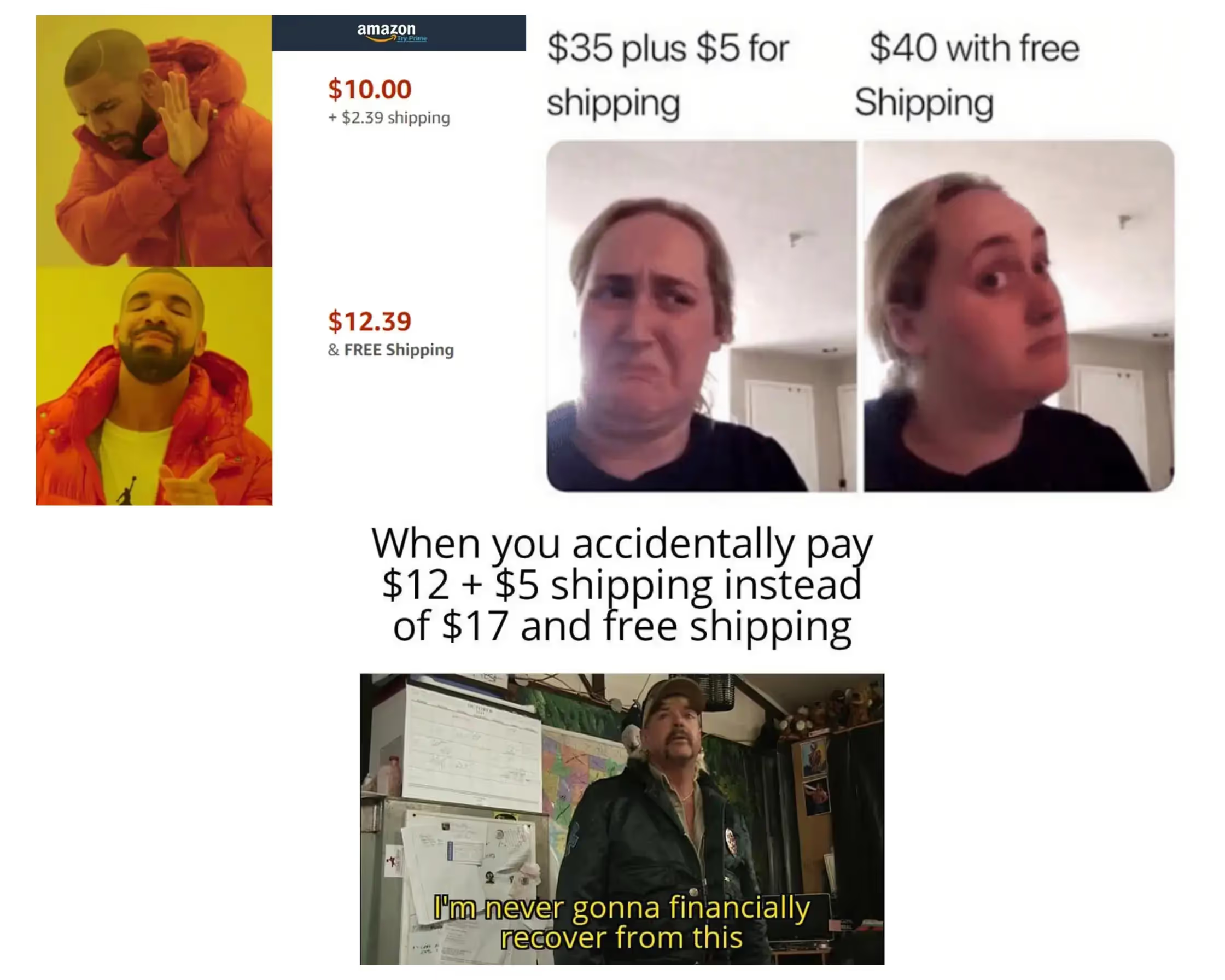
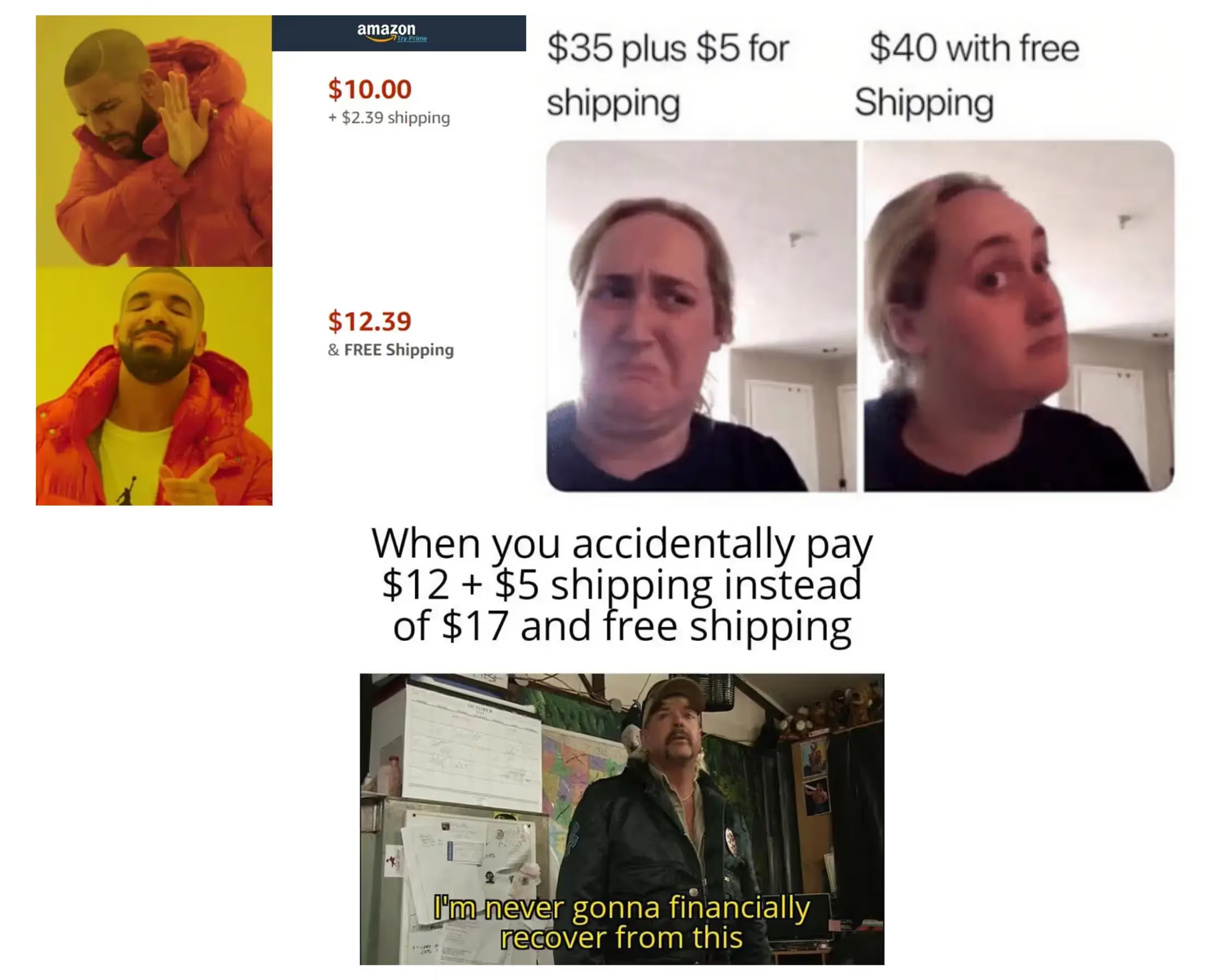
    Today’s shoppers really don’t want to pay for shipping. And it’s not always logical – I’m sure you’ve seen the memes.

    Jokes aside, it works.

    Setting a minimum spend for customers to receive free shipping will mean a lot of customers add extra products to their basket to avoid the shame of paying for shipping.

    It doesn’t have to be free shipping, either.

    It could be a free gift, or a discount, or any other incentive you think will pique your customers’ interest.

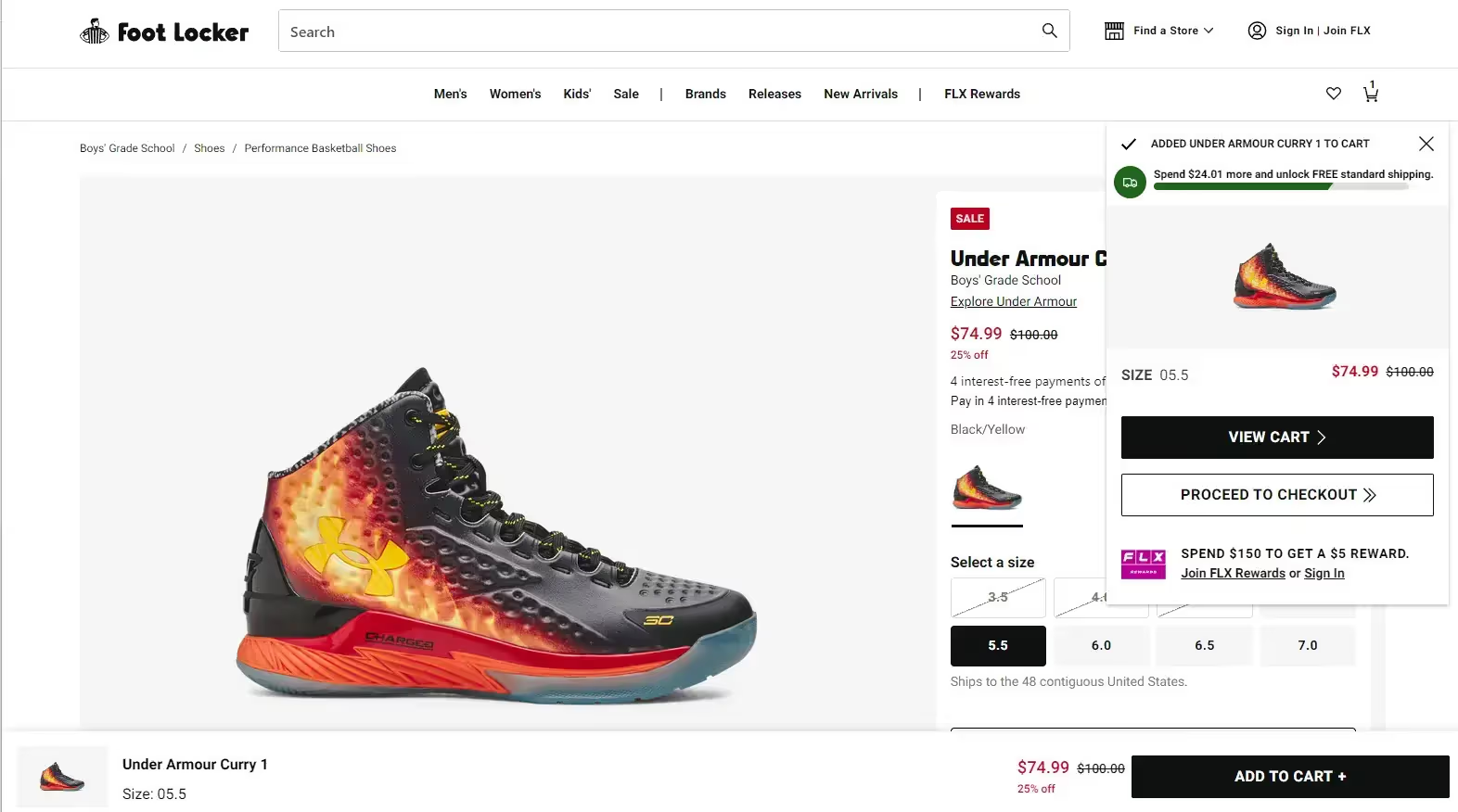
    Footlocker updates the shopper on how close they are to the free shipping threshold, and offers a $5 reward for spending $150.

    You want to set this threshold a little above your current average order value.

    So if your AOV right now is $35, and you might set the minimum spend for free shipping to $40.

    Do this, and watch a lot of those $30-$35 customers scramble to spend more money to save on shipping.

    2. Create Product Bundles

    Don’t just sit and hope that your customers will find more things to buy. Give them ideas.

    You probably sell multiple products that go well together – shoes and socks, pots and pans, toothpaste and orange juice (ok maybe not the last one).

    Put these products in a bundle, and display these bundles on your site with a convenient “buy now” button to allow the customer to add all the products to their cart at once.

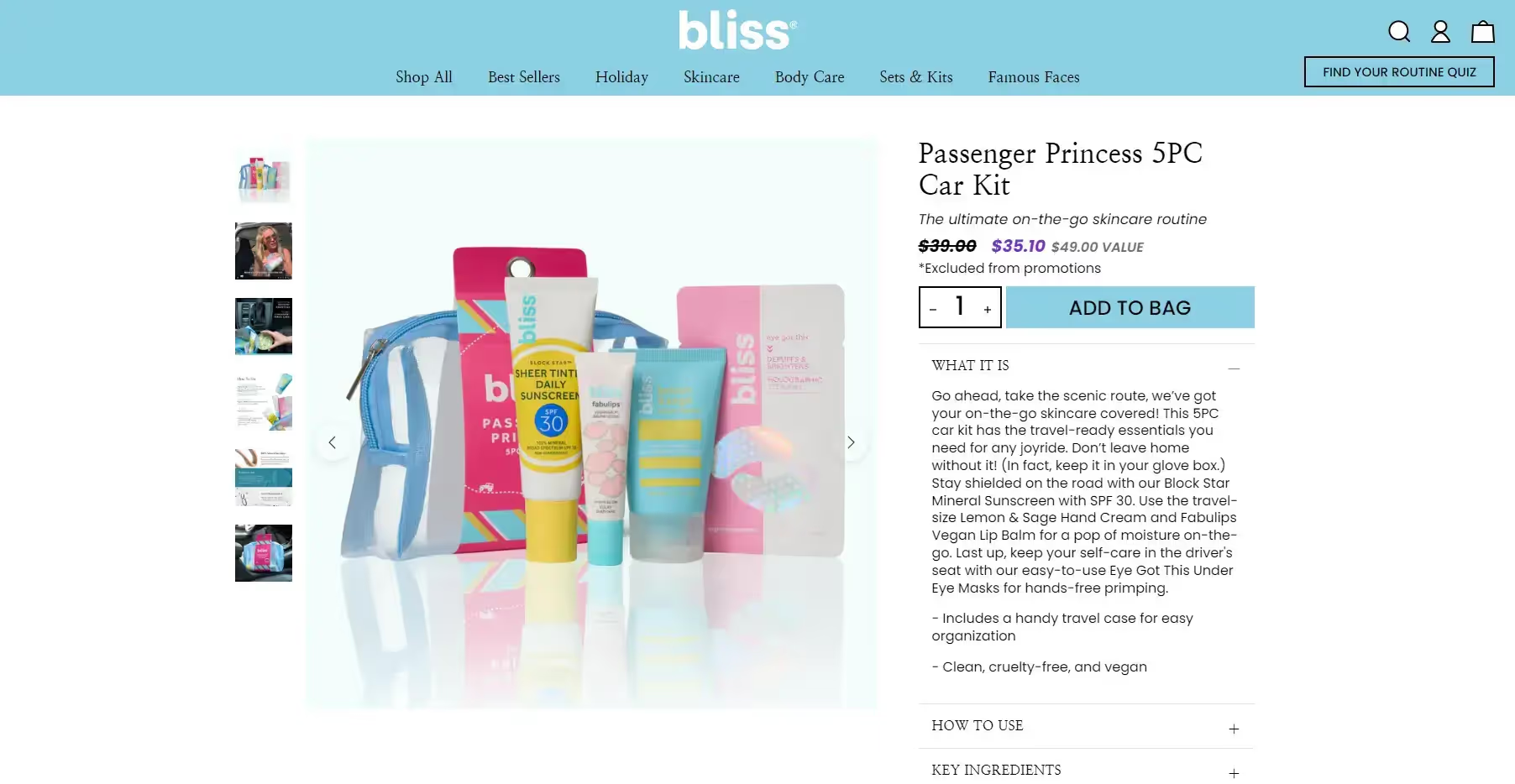
    Bliss bundles multiple products together, offering customers a discount compared to buying each individually

    You could offer special pricing for the bundle to make it more attractive.

    Amazon features a “Frequently bought together” section on every product listing, which recommends complementary products in what is essentially a bundle.

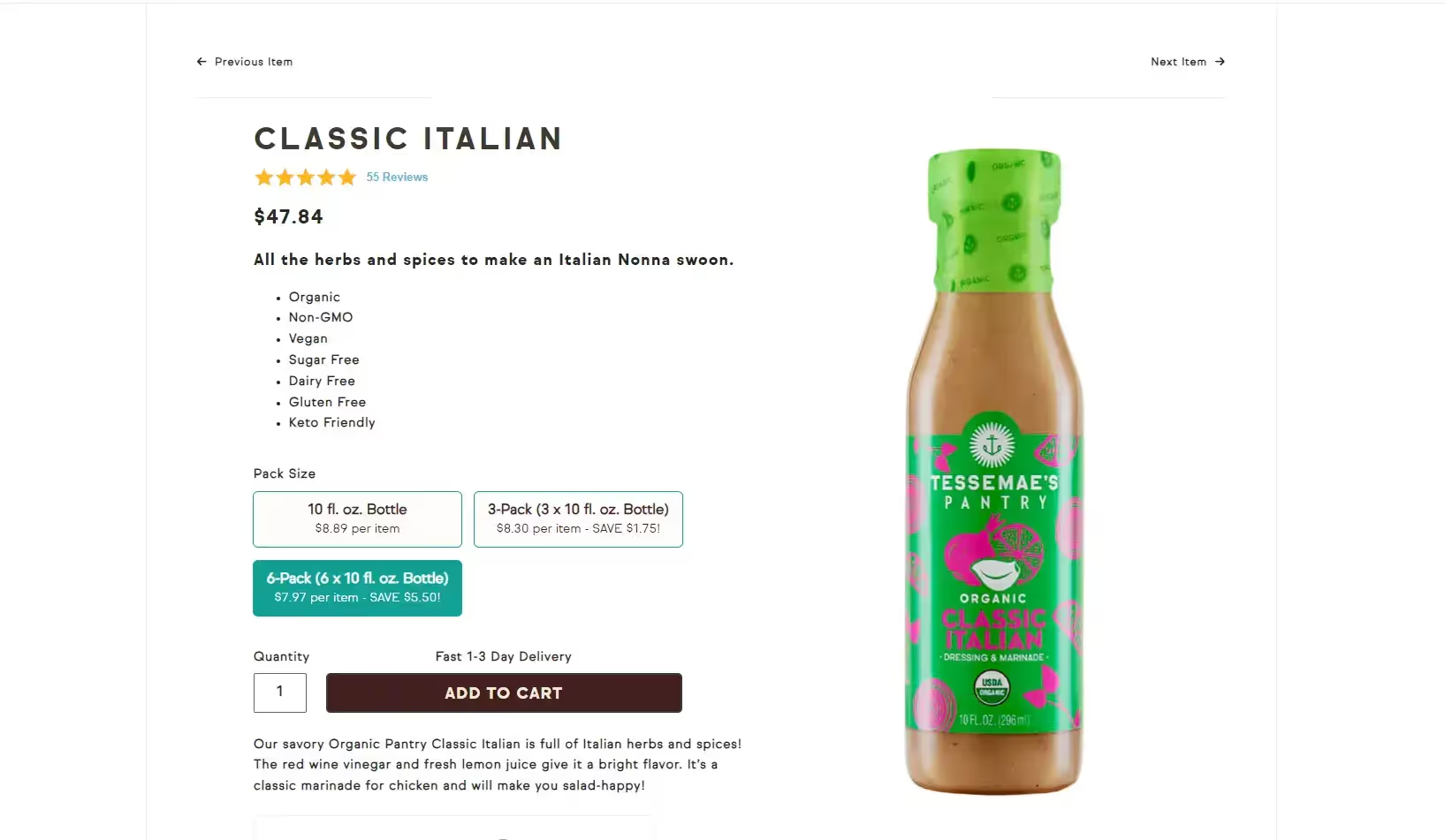
    Another option is to offer a bundle where customers can save by purchasing multiple units at a time, as Tessemae’s does:

    3. Always Cross-Sell and Up-Sell

    “Would you like fries with that” is a six-word combo that has made billions of dollars for McDonalds over the years.

    This strategy works. Once someone’s already in the mood to buy, and they’re ready to check out, it becomes much easier to convince them to buy some more.

    Like McDonalds, you can suggest small add-ons that go well with what they’re already going to buy.

    Something that makes the customer think, “sure, why not?”

    You can also up-sell the customer to a premium or more expensive version of whatever it is they’re about to buy (“would you like to make that a large?”)

    The trick is to recommend items that logically go well together (such as accessories/add-ons to their main purchase), and don’t push too hard on up-selling to where it becomes intrusive or annoying.

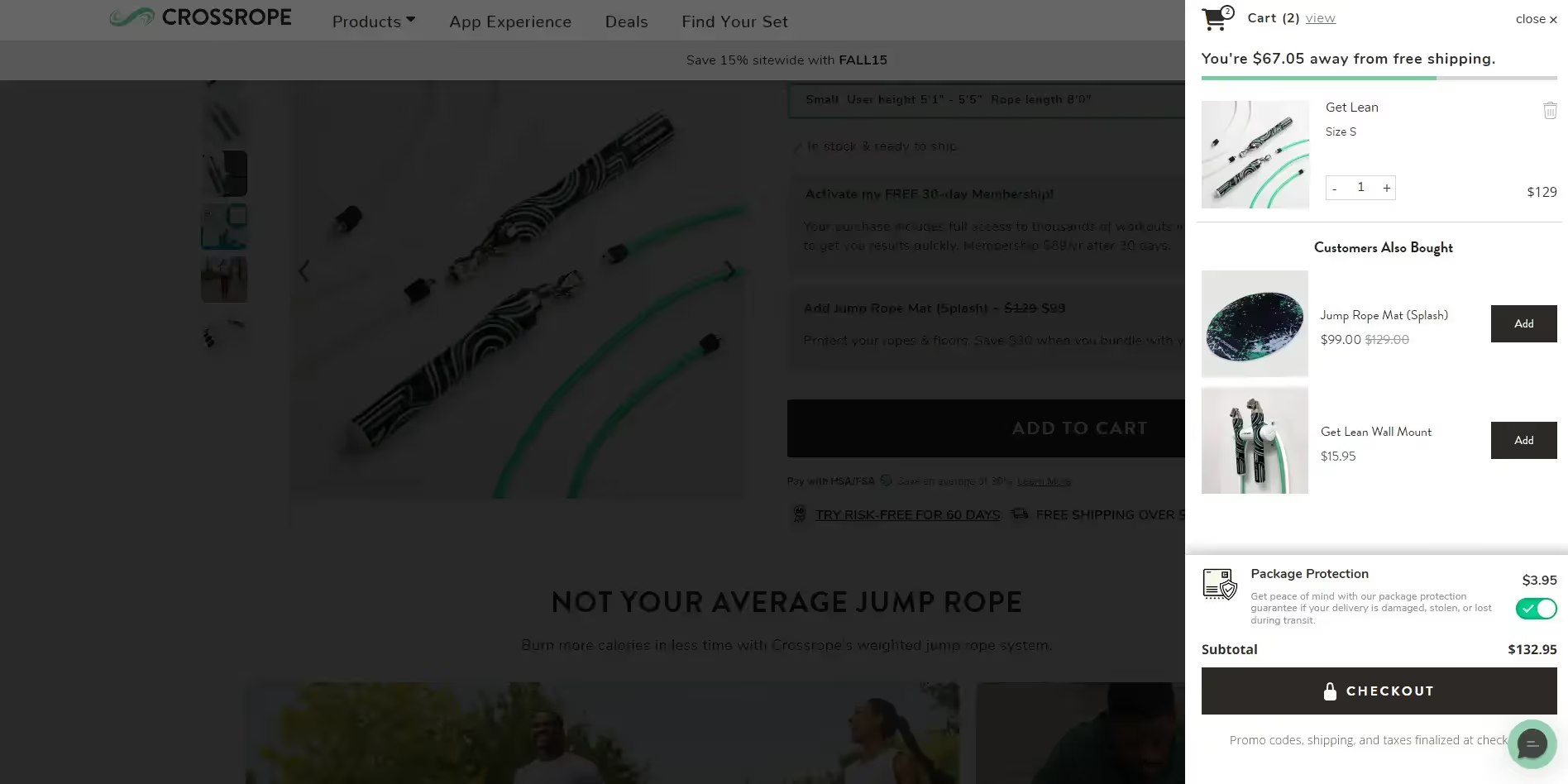
    Crossrope does a great job of recommending complementary products after adding an item to your cart

    4. Show Personalized Product Recommendations

    Product recommendations are a ubiquitous part of any eCommerce website today, whether they’re similar products, complementary products, or otherwise.

    Recommended products give customers more options to compare, letting them shop around to find the perfect buy without leaving your site.

    They also act as a cross-sells or up-sells, giving shoppers ideas for other items to add to their cart and boost their order value.

    But the key to product recommendations is to use personalization and ensure that what you recommend is relevant to each customer.

    “Personalization is no longer a nice to have, it’s an expectation. When we tailor product suggestions to each customer’s preferences and past behavior, we see significantly higher engagement and conversion rates,” says Saulius Meilutis, CEO of leading print on demand provider, Podbase.

    Use customer data, such as order history and browsing history, to show hyper-relevant recommendations that have a higher chance of catching their attention and learning in their cart.

    5. Use Urgency and Scarcity

    Urgency and scarcity are classic CRO tactics that are still super-effective.

    The reason they work so well is because they play on human nature – our natural inclination towards FOMO (fear of missing out).

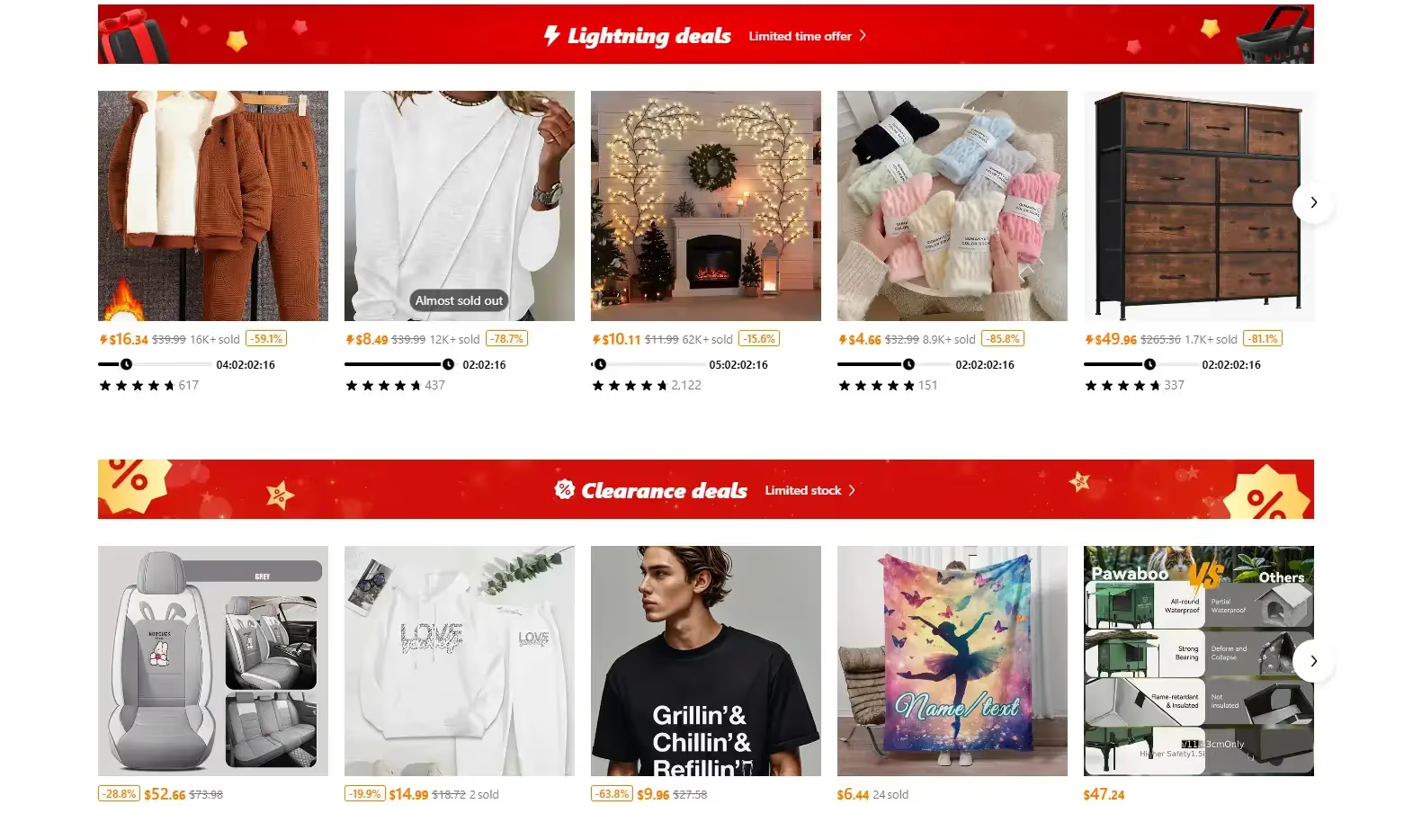
    If you want extreme examples of how urgency and scarcity can be used to boost sales, see Shein and Temu, the two new heavyweights of eCommerce, both of whom use urgency and scarcity tactics throughout their site and marketing channels.

    The words “limited-time sale”, “limited stock available”, “almost sold out” are all plastered across their websites and apps, making shoppers feel like they need to act fast to get the great deals in front of them.

    You don’t have to use it as overwhelmingly as these stores do. But simple limited-time offers, or displaying a notice on products with stocks running low, will convince a lot of customers to act quickly rather than face the terror of missing out.

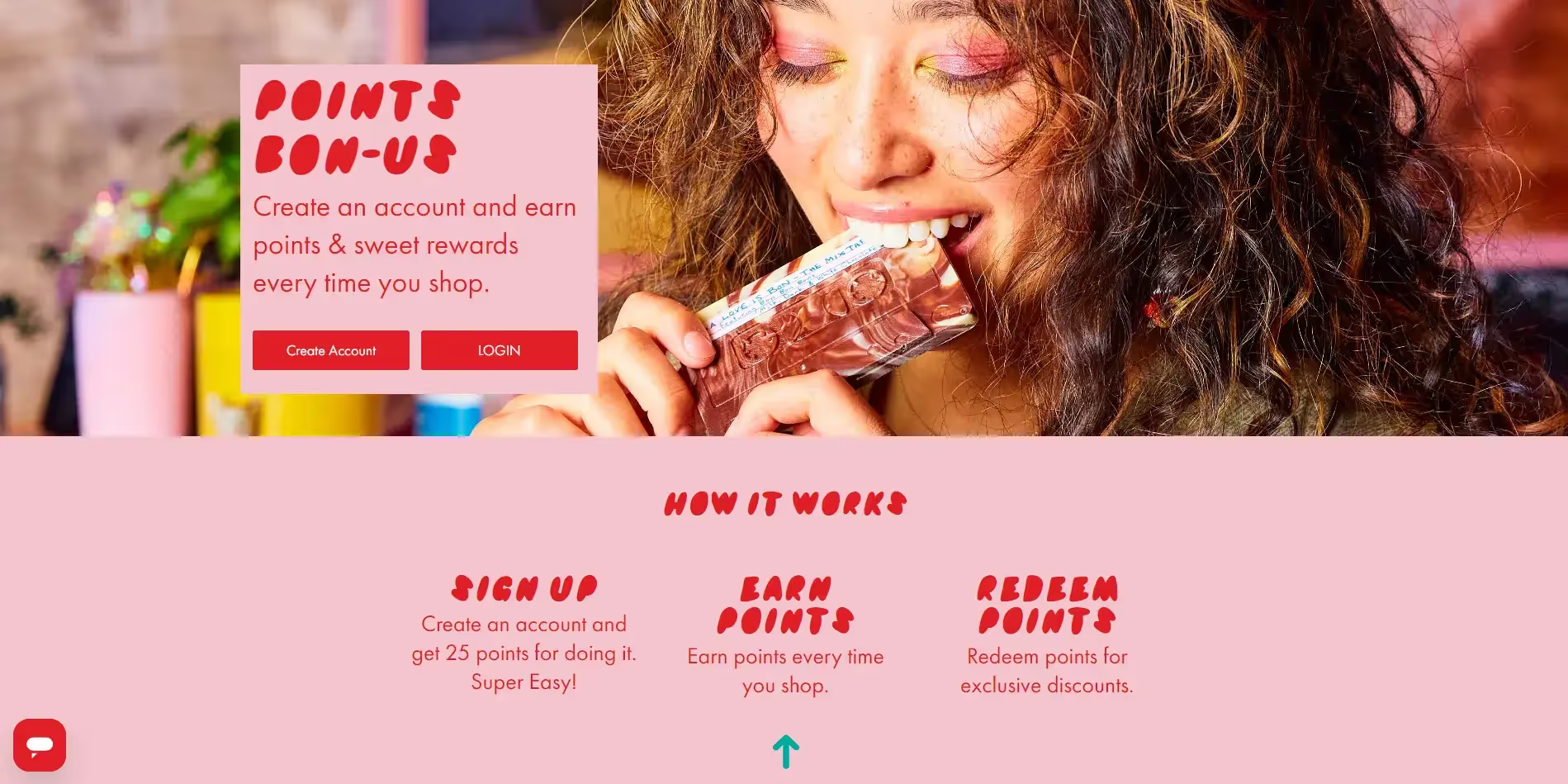
    6. Create (and Promote) a Loyalty Program

    Loyalty programs are another classic tool that works for increasing revenue and AOV.

    When customers earn points on the money they spend, they’re incentivized to spend more money.

    It makes recommending cross-sells and add-ons much easier. The product itself might not be as exciting to the customer as the prospect of earning more points.

    Many customers scrape, scrounge and hoard points – but don’t even use them. That’s how powerful the psychology of earning points is.

    If you don’t offer a loyalty program, you’re basically leaving AOV on the table, particularly with the many apps that make setting up a loyalty program so easy.

    Bon Bon Bon‘s rewards program is simple, yet effective

    However, don’t just set up a loyalty program and hope customers figure it out. Make sure you promote it as well.

    Let customers know how much they’ll earn if they buy something, and constantly update them on their point balance, in places like their account page, as well as updates via email and push notifications.

    7. Sell Higher Priced Products

    You don’t necessarily need to get people to add additional products to their order to boost AOV. You could just get them to spend more on each item they buy.

    There are a couple of ways to do this.

    First, you could simply increase your prices. If you sold shirts, for example, at $25, you might be able to increase the price to $27 without hurting conversion rate, and make the easiest $2 ever.

    But you have to make sure that your price increase doesn’t have such a negative impact on sales velocity that you make less money as a result.

    Another option is introducing new products at a higher price point.

    If these products sell, even at a lower volume than your other products, you will still come away with a higher basket value on average.

    8. Offer Buy Now Pay Later

    What about those customers who want to spend more, but get anxiety about the large number coming out of their bank account?

    Buy Now Pay Later (BNPL) is becoming a normal part of our lives today.

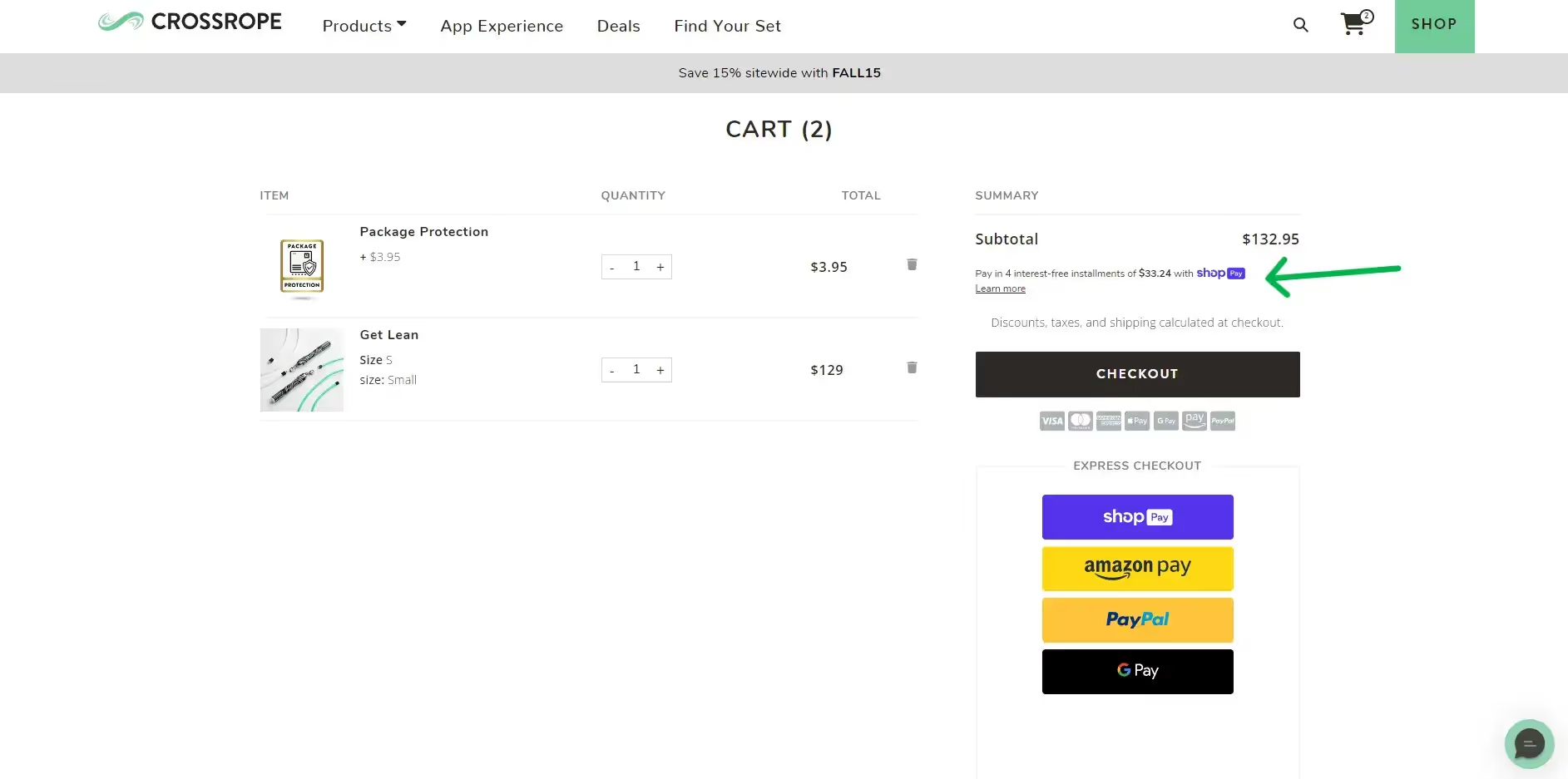
    Services like Afterpay, Shop Pay, Klarna, Affirm and more make it easy for customers to pay a smaller amount up front, and easier for brands to convince customers to purchase more in each order.

    Crossrope offer customers the ability to pay in installments with Shop Pay

    Some experts suggest that Buy Now Pay Later will be used for 12% of total eCommerce spend in 2025. Globally, more than $350 billion per year is spent using BNPL services.

    By reducing the price barrier for larger purchases, adding BNPL to your checkout flow may be all you need to add a few dollars to your AOV.

    9. A/B Test Everything

    Whether you’re looking to increase conversion rate, average order value, pages per session, or any other metric, the best way to find out what works is to test it.

    Want to know whether people buy more when you advertise product bundles? Test, and see the results.

    Want to know whether people are more likely to spend more if you offer BNPL in checkout? Test it.

    Want to know if people add more products to their cart if your add to cart button is blue or black? Test it.

    There are so many little things you can test in your store.

    Some won’t make a difference, but others, though seemingly insignificant, might add up to make a sizable impact.

    And as much advice we can give you, the only way to truly know what will deliver results and resonate with your customers is to test, and see what the data tells you.

    10. Launch a Mobile App For Your Store

    One more powerful way to increase average order value is to launch your own mobile app.

    Modern shopping tendencies are moving more and more in favor of mobile. Mobile commerce makes up 38% of all digital spending in the US, and 57% of all eCommerce sales worldwide.

    Having a well-optimized mobile website is the first step, but the mobile web experience still isn’t ideal.

    In general, people prefer to use apps – 88% of mobile web usage comes on apps, vs mobile websites.

    By offering an app, you offer shoppers a better mobile shopping experience, with fewer distractions, and everything set up for users to spend more time in your store and buy more products.

    Along with 157% higher conversion rates, mobile app users view 4.2x more products per session than on mobile websites.

    With users spending a longer time shopping, and less likely to be pulled away by distractions, brands typically see anywhere from 10-20% higher average order values in apps, compared to their websites.

    With many more incredible benefits to having your own app, like increased brand authority, higher mobile conversion rates, and higher LTV, launching an app might be the one thing on this list that will move the needle the most.

    Want to see how much value you can add? Use our free App Revenue Calculator to get an estimate of how much new revenue your brand can make by launching an app.

    How Vendrux Helps eCommerce Stores Increase Average Order Value

    Once upon a time, it took a six-figure investment or an in-house team of 5-10 specialist developers to launch your own mobile app.

    That’s why shopping apps were originally gated to only the biggest brands – the Amazons, Nikes, H&Ms of the world.

    Today, any brand can launch their own app and compete with these heavyweights, with Vendrux.
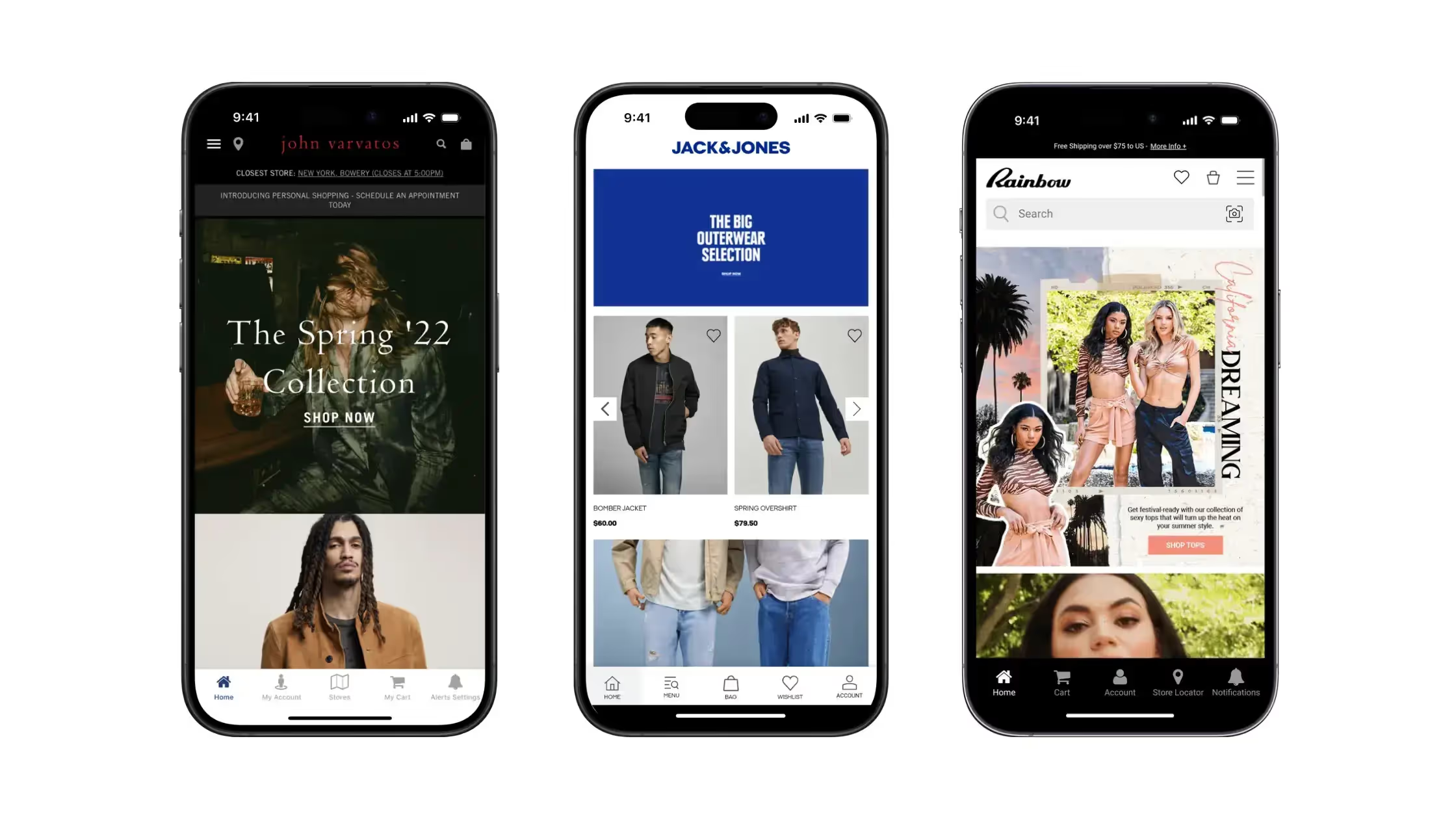
    Vendrux lets you convert your website into mobile apps, which are fully synced with your website at all times.

    Your apps retain all the same features as your website, with the addition of mobile-specific features like native menus and push notifications.

    The content on your apps update with your website, meaning any changes you make only need to be made once, and automatically reflect across all your platforms.

    Vendrux does all the building, testing, deploying, and ongoing maintenance for you. There’s no need to hire additional staff, or make any changes to your existing workflow.

    Your app can be live in less than a month, for a low-four figure investment up front. With the done-for-you service, plus the cost structure (launch for low-four figures, then just a few hundred per month then on), it’s completely risk free, and easily the best way for your brand to branch out into the world of mobile apps.

    Boost Your Average Order Value Now

    Vendrux has helped over 2,000 businesses, including many high-revenue eCommerce brands (such as John Varvatos, Jack & Jones, Rainbow Shops, and many more) build their own mobile apps with a low investment and little to no overhead.

    Your brand can do the same.

    You don’t need to be a billion-dollar company to launch an app – all you need is a website that works well on mobile, and we’ll turn it into an app that looks like it cost a million dollars.

    In doing so, you’ll launch a great vehicle to increase your average order value, and boost profit, revenue, and much more.

    If you want to see what’s possible for your brand, get a free demo now and we’ll explain the process, show you real examples of similar branded apps, and help you understand if Vendrux is the right option to launch your mobile app and grow your business.

  • How to Get More Returning Customers (Turning One-Time Customers into Loyal Fans)

    How to Get More Returning Customers (Turning One-Time Customers into Loyal Fans)

    While new customers are important for growth, long-term success banks on your brand converting a significant percentage of your buyers into returning customers.

    This is where the real profit is. Returning customers cost less to sell to, convert at a higher rate, and spend more.

    For each repeat sale, your operating and marketing costs related to that sale go down; and you keep a larger percentage of what the customer spends.

    Someone who has bought from your brand more than once is also more likely to spread the word and tell others about your brand (leading to more high-margin word of mouth sales).

    If you don’t have a regular flow of returning customers, you’re wholly reliant on first-order profitability, which is getting harder and harder to consistently achieve, with CACs steadily rising.

    Brands that master the art of turning one-time buyers into loyal fans are the ones building businesses with staying power.

    Want the latest insights into how 7, 8 and 9-figure brands are driving sustainable growth? That’s what you get with our weekly newsletter, The Retention Edge. Subscribe for free today.

    Three Pillars of Retention (How to Increase Repeat Customers)

    There are many things you can do to drive repeat sales (send an email; post a letter; knock on the customer’s door).

    But building a profitable retention engine at scale comes down to three key pillars, which maximize the chance of newly acquired customers turning into loyal, repeat buyers.

    Let’s dive into these pillars now.

    Pillar 1: Post-Purchase Experience

    The moment after checkout isn’t the end of the customer journey; it’s just the beginning.

    This is a critical window to put forward an amazing experience that gets customers excited to buy from you again.

    Miss this window, and you become just another online brand, and you’ll need to invest all over again to rekindle the relationship.

    Key touchpoints in the post-purchase experience include:

    Post-purchase emails

    Your post-purchase email flow (the same can apply for SMS and push notifications) plays a huge role in the customer experience.

    • Order confirmation: Reassure and excite the customer.
    • Shipping updates: Build anticipation.
    • Unboxing guide: Educate them on how to get the most from their purchase.
    • Personalized follow-up: Ask for feedback, introduce the next product.

    The product experience

    The best retention hack is a product—-and a product experience—that sparks joy.

    When your customer has an awesome experience with your brand, they’re much more likely to come back.

    • Invest in custom packaging, QR codes for exclusive offers to build an awesome unboxing experience.
    • Surprise and delight: Free samples, handwritten notes, VIP discount codes. (Do the things that don’t scale.)
    • User guides: Actively help customers get more value out of your product.
    • Use post-purchase surveys to understand friction points and improve your buying experience.

    Customer support

    Support isn’t just about answering questions or solving problems.

    It can be a revenue driver too (especially for complaints).

    68% of people are willing to pay more to buy from a brand that’s known for great customer service, and 93% are more likely to make repeat purchases from a brand if they receive good customer service.

    Even if the support request comes from a problem with the product or the order (such as a defect), dealing with a complaint in a positive manner (and going above and beyond expectations) can turn what would have been an unhappy customer into a new fan of your brand. 

    Pillar 2: The Offer (Getting the Second Purchase)

    The second pillar is the offer that convinces a one-time customer to buy for a second time.

    Purchase #2 is a key milestone. Once you break this barrier, the floodgates open, so to speak, and it becomes much more likely this person will buy a third and fourth time as well.

    So this should be your core goal—not getting someone to buy ten times and spend thousands of dollars with you, but just convincing them to buy twice.

    The rest will take care of itself.

    But to get a second purchase, you need to offer the customer a reason for them to buy again.

    You can provide an amazing experience in the first purchase, and send beautifully constructed emails to the customer every week, but it won’t matter if there’s no good reason for them to make another purchase.

    There are three ways to craft an offer that gets someone to come back and buy a second time.

    Product offers

    Let your products be a natural reason for the customer to buy again.

    • They ran out and need to re-up (consumable products, such as supplements or beauty products).
    • They loved the first and want to buy another (products where it makes sense for the customer to buy multiple units; apparel, yes. Mattresses, no.)
    • Complementary products (cross-sell products that go well with the original purchase; accessories, non-competing product lines like pants and shirts.)

    Convenience offers

    Customers pay for quality; they also pay for convenience.

    Is it convenient for them to buy from you again?

    For example, subscription products work because they’re convenient. The customer doesn’t need to think about running out and then having to go and buy again; it happens automatically, saving them from having to think about it.

    A mobile app works well here too, making it more convenient to buy again from you (by opening the app rather than searching and finding another brand via the browser).

    Learn more: How Mobile Apps Affect Profitability for DTC Brands

    Discount offers

    The third type of offer is a discount or financial incentive.

    In competitive categories this is often a necessity. And it’s usually worth it, as it’s cheaper to reach out to an existing customer (usually through low-cost channels like email or push), and because of the value of extracting that second purchase.

    This could be a discount (15% off, $10 off), a free shipping offer, a “Buy One Get One”, a discounted bundle, or any other type of financial incentive.

    This also includes loyalty programs, where the customer earns points (and eventually discounts or freebies) for making multiple purchases.

    Your goal is to make it worth their while to buy their next shirt from you, not some other brand that pops up on their feed.

    __wf_reserved_inherit

    Timing it right

    Timing your offer makes a big difference in whether you’re successful in getting the second purchase.

    For most products, the sweet spot is within the first 30-60 days. But it depends on what you sell. 

    If you’re offering add-ons (like accessories for a gadget), it’s best to promote them right after the purchase, while the excitement is fresh. 

    For consumables like supplements or beauty products, wait until they’re likely to need a refill (e.g. 25 days after delivery if it’s a 30-day supply). 

    And for higher-ticket items like apparel or electronics, give them time to fall in love with their first purchase before pitching the next one. 

    Use data to figure out the right cadence, and test different timings to see what works.

    Pillar 3: Long-Term Retention

    The third pillar is your long-term retention strategy.

    How are you keeping your customers engaged and coming back consistently?

    This is where your owned channels print money over time. These channels work constantly to convert new buyers into loyal, returning customers.

    Emails

    • Regularly email your list (multiple emails per week.)
    • Personalized product recommendations based on past purchases.
    • Winback email campaigns for lapsed customers.
    • Regularly test and optimize your emails.

    SMS

    • Costs more than email; use for VIP customers, high-value offers.
    • Restock reminders for consumables.
    • Some customers will respond better to SMS. Test this.

    Mobile apps & push notifications

    • Launch an app to create a direct line to your customers.
    • Regular push notifications (multiple per week at least) keep your brand top of mind.
    • App-exclusive offers and product drops.
    • Goal is to build a shopping habit with your app. Make it the first place they go.

    Communities & UGC

    • Encourage customers to share their experience and tag your brand.
    • Build a loyal following of fans on social media.
    • Consider launching dedicated communities (e.g. Facebook groups) for followers of your brand.

    Loyalty programs

    • Exclusive discounts & perks for repeat customers.
    • Reward customers for coming back and buying again.

    Read more: Why Email, SMS & Push Are Your Brand’s Most Dependable Revenue Channels

    Tactics to Boost Retention for Different Business Models

    Not all retention tactics work for every business.

    Craft your retention playbook to your product type:

    High AOV, Low Frequency (Luxury, Furniture, Electronics)

    For high-ticket items that people don’t buy often, focus on creating a white-glove experience. 

    Offer concierge-level support, like personalized thank-you calls or product tutorials to help them get the most out of their purchase. 

    Extended warranties and VIP programs are also great for building trust and loyalty. 

    Send a thoughtful follow-up gift to encourage repeat purchases, especially around holidays or birthdays.

    Low AOV, High Frequency (CPG, Beauty, Apparel)

    For products with a lower average order value but higher purchase frequency, focus on convenience and engagement. 

    Replenishment reminders via email or SMS are a no-brainer for consumables, and a “Subscribe & Save” option with flexible delivery can lock in recurring revenue. 

    Apps work great at providing a low-friction, easy way for customers to come back and make subsequent purchases.

    Gamify your loyalty rewards to keep things fun—think points for purchases, referrals, or social shares. The goal is to make buying from you a habit, not a one-off.

    Seasonal & Trend-Driven Products (Fashion, Holiday Items)

    If your products are tied to seasons or trends, you need to keep the excitement alive year-round. 

    Offer pre-sale exclusives for repeat buyers to make them feel special, and use personalized styling recommendations via email or SMS to inspire their next purchase. 

    And don’t underestimate the power of “surprise and delight”—toss in a bonus gift or a limited-edition item for returning customers to keep them coming back.

    Execution Playbook: Quick Wins vs Long-Term Strategies

    If your business is struggling to keep up with rising CACs and increasingly saturated acquisition channels, converting a greater percentage of your new customers to repeat buyers will make a massive difference.

    Here’s a simple playbook to execute to first drive quick wins by addressing low-hanging fruit, as well as building a long-term retention strategy that sets your brand up for sustainable growth.

    Quick Wins (Next 30 Days)

    1. Set up win-back and second-purchase email flows. Use your email platform to automate these—trigger a “We miss you” email for lapsed customers and a “Thanks for your purchase, here’s your next deal” email for new buyers.
    2. Implement post-purchase follow-ups (SMS and push notifications are best for this). Send a quick “How’s your [product] treating you?” message a week after delivery, with a link to customer support or a survey.
    3. Audit your purchase flow and find opportunities to decrease friction and improve CX.

    Long-Term Retention (3-12 Months)

    1. Look at your product lines—is there a good reason for customers to buy multiple times? If not, consider launching new, complementary product lines. Set up a subscription model for consumable products.
    2. Launch a mobile app to make regular purchases easy, and unlock push notifications for engaging past customers (check out Vendrux for a way to do this with minimal effort and maximum upside).
    3. Test and optimize your email flows—look, in particular, at the timing of your post-purchase follow-ups, and improve based on the findings.
    4. Optimize your loyalty program with better perks. Look at your data to see what rewards drive the most repeat purchases, and double down on those. Add tiers or exclusive benefits to make it irresistible.
    5. Build community around your brand; encourage happy customers to post about their experience, and share UGC across social media.

    Retention is the key to long-term profitability. 

    Acquisition is important, but turning new customers into repeat buyers is where the bulk of your profit comes from.

    In this article we’ve given you an A-Z overview of how to build a high-margin brand by increasing return customer rate.

    Use this playbook as a guide for your own brand to start relying less on expensive new acquisition and more on dependable, sustainable retention revenue.

  • How to Build a Marketplace App: The Complete Guide for 2026

    How to Build a Marketplace App: The Complete Guide for 2026

    Marketplaces can be a phenomenal business model. Whether it’s an ecommerce marketplace like Amazon or eBay, a service marketplace like Upwork or Airbnb, or any other form of platform connecting buyers and sellers, the upside is huge.

    But the biggest hurdle: getting and maintaining activity. For a marketplace, this is everything.

    In this article, we’re going to explain how to launch the asset that every marketplace needs: a mobile app.

    We’re assuming that you’ve already got a functioning marketplace on the web, and want to bring it to life as a mobile app. If this is you – keep reading. We’ll explain how to do it in just a few weeks, without sacrificing any of the features that make your marketplace great.

    Why Every Marketplace Needs a Mobile App

    Three words define whether your business thrives or withers away: The Network Effect.

    Marketplaces live and die by activity. The more buyers on your platform, the more sellers. The more sellers, the more selection, the more likely for buyers to come back. 

    This flywheel depends on one thing: how easy it is for both sides to show up, repeatedly.

    That’s exactly what mobile apps do better than any other channel.

    A mobile app puts your marketplace one tap away on your users’ home screens. There’s no URL to type, no search to run, no bookmark to dig up. 

    The result is measurably higher session frequency: brands with mobile apps typically see 3-7x more sessions per user compared to mobile web visitors (via Vendrux’s Mobile App Benchmark Report). 

    According to Adjust’s 2025 Shopping App report, marketplace apps have the highest Day 1 retention of any shopping app category at 24.8%, and the longest average session length at nearly 11 minutes.

    For a marketplace, that higher session frequency has a compounding effect. When buyers check in more often, they discover more listings. When sellers see faster responses and more inquiries, they list more inventory. 

    The marketplace gets more liquid, and both sides get more value.

    Push Notifications: The Biggest Reason to Build a Marketplace App

    Push notifications are the single best reason for a marketplace to have a mobile app. They’re also a channel that literally does not exist without one.

    Think about what notifications mean for a two-sided marketplace:

    • For buyers: new listing alerts, price drop notifications, back-in-stock updates, order status, personalized recommendations
    • For sellers: new order alerts, buyer inquiries, review notifications, inventory reminders, payout confirmations

    These aren’t marketing emails that sit unread, getting lost in a secondary inbox, or only seen two days after they’re sent.

    Push notifications show up instantly, directly on the lock screen (and cost nothing to send).

    For marketplaces specifically, faster seller response times mean better buyer experiences, which means more transactions, which means more sellers want to join.

    Higher Conversion Rates and Larger Orders

    Mobile apps consistently outperform mobile web on conversion metrics. Apps convert at roughly 3x the rate of mobile websites in ecommerce (Criteo), and across Vendrux’s customer data specifically, apps deliver 1.7-3x higher conversion rates and 10-50% higher average order values compared to mobile web.

    Apps load faster, have fewer distractions (no browser tabs, no URL bar, no competing sites), and offer a focused experience that keeps users engaged longer. That leads to more completed transactions (and higher AOVs when people do check out).

    The Marketplaces Setting the Standard

    Look at the most successful marketplaces in the world, and you’ll notice something they all have in common: their app is the primary experience for most users.

    Your users have the same expectations. They expect to browse, buy, and communicate from their phone, with the same speed and convenience they get from the apps they already use.

    Luckily, you don’t need Amazon’s engineering budget to do it.

    What Your Marketplace App Needs

    A common misconception is that a mobile app needs to be a brand new channel, reinventing how you do business.

    If your marketplace website already handles the full buyer and seller experience, then your app needs to do exactly the same thing.

    Your core goal isn’t to think up a whole new user experience. It’s feature parity with your website.

    Here’s what that means for a marketplace:

    Buyer experience:

    • Search and filtering across listings
    • Detailed listing pages with images, descriptions, reviews
    • Messaging with sellers
    • Secure checkout and payment
    • Order tracking and history
    • Wishlist or saved items

    Seller experience:

    • Vendor dashboard (listings, orders, earnings)
    • Inventory and catalog management
    • Buyer communication
    • Analytics and sales data
    • Payout tracking

    Marketplace-wide:

    • Push notifications (for both buyers and sellers)
    • Home screen icon and app store presence
    • Multi-language and multi-currency support (if applicable)
    • Location-based discovery (if applicable)

    How to Build a Marketplace Mobile App

    There are a number of different ways to build and launch a mobile app. But not all are necessarily the right fit.

    You might already be making thin margins as you try to grow your marketplace, putting money into acquisition and keeping fees low to incentivize activity.

    So you want a solution that’s not another massive expense denting your profitability. Yet at the same time, it needs to be powerful enough to grow and scale with you.

    Turn Your Existing Marketplace into a Native App with Vendrux

    If your marketplace already works on the web, the most practical way to launch a mobile app is converting what you’ve already built into native iOS and Android apps.

    Vendrux takes your existing marketplace website and turns it into native apps that are published to the Apple App Store and Google Play. 

    Everything your site already does, your checkout flow, vendor dashboards, search, messaging, reviews, all of it works in the app because it’s powered by your existing website.

    On top of that, you get the features that make native apps valuable in the first place: push notifications, a home screen icon, and full app store distribution.

    Example of a travel & booking marketplace built with Vendrux

    Vendrux works with any web platform. Whether your marketplace runs on WooCommerce with Dokan, Magento, CS-Cart Multi-Vendor, Sharetribe, or a fully custom build, Vendrux can convert it into a fast and powerful mobile app.

    The timeline is roughly 6-8 weeks from kickoff to app store launch. Pricing starts from $1,499/month, with a one-time setup fee that covers custom design, configuration, testing, and app store submission. 

    Vendrux handles the full build and all ongoing technical maintenance, so there’s very little for you to worry about regarding the app. You just keep running your website, and the app looks after itself.

    Kazderni, an Airbnb-style booking marketplace for Lebanon, built their marketplace on WordPress and WooCommerce, then used Vendrux to launch their mobile app. The result: 400,000+ downloads and the #1 travel app in Lebanon.

    “17 apps in Lebanon do what we do. We have more downloads than all of them combined.”
    — Mohamad, CEO, Kazderni

    Their CEO put it well when explaining why they went web-first: “The web market is just so much more mature, and it’s so much easier to build a website than it is to build an app.” Vendrux let them get both without building twice.

    Already running an online marketplace?

    Your marketplace website already handles listings, vendor dashboards, checkout, and buyer-seller communication. Vendrux turns all of that into native iOS and Android apps, with push notifications, app store distribution, and no separate codebase to maintain.

    Get a free app preview to see what your marketplace would look like as a mobile app.

    Get a Free App Preview

    Vendrux vs Custom Native Development

    The traditional way to build a mobile app means coding it from scratch, and building custom APIs to link all the backend data with your website.

    Custom native development gives you full control over every screen, animation, and interaction. 

    But it also costs a lot. And ultimately, for a marketplace, there’s little you really need that absolutely has to be built natively.

    You’re looking at likely a $150K+ development cost, 6-12 months to go live, then significant ongoing maintenance costs. All to more or less recreate what your website already does.

    You’ve built everything already. Vendor dashboards, checkout flows, search, messaging. Rebuilding it in an app means a huge cost, but more importantly, adds a lot of ongoing complexity, because you’re now maintaining two separate surfaces.

    Vendrux’s approach eliminates that duplication. When you update your website, your app updates automatically. One codebase, one team, two platforms.

    Alternative Marketplace App Solutions

    Full-stack marketplace platforms like Sharetribe, Arcadier, and CS-Cart Multi-Vendor bundle the web marketplace and mobile app together. If you’re starting a marketplace from scratch and want an all-in-one solution, these platforms can be a convenient starting point.

    However, if you’ve already built your marketplace on a widely used ecommerce platform (WooCommerce, Magento, Shopify) or a custom stack, rebuilding on a full-stack marketplace platform to get an app doesn’t make much sense. 

    You’d be migrating your entire business, including all your data, seller relationships, and integrations, to a new platform just to get mobile functionality.

    It’s generally more scalable to build your marketplace on established, flexible infrastructure and then use Vendrux to extend it to a mobile app. 

    You keep full control over your web platform, avoid vendor lock-in, and benefit from the much larger ecosystem of plugins, integrations, and developer talent that comes with mainstream ecommerce platforms.

    These full-stack solutions also tend to have limitations in customization and scalability compared to building on open platforms. What works at 50 sellers may not work at 500 or 5,000.

    Marketplace App Cost: Vendrux vs Custom Development

    Here’s a straightforward comparison of what it costs to build a custom marketplace app, and what it costs with Vendrux:

    Custom Development Vendrux
    Upfront cost $150K-$500K+ ~$5K
    Monthly cost $10K-$30K+ (dev team) From $1,499/mo
    Time to launch 6-12 months 6-8 weeks
    Feature parity Built from scratch Automatic (mirrors website)
    Ongoing maintenance Your team Handled by Vendrux
    Codebase Separate web + app Single (web powers both)
    Team required iOS + Android devs Your existing web team
    Platform flexibility Any (you build it) Any web platform
    Best for Complex native features (AR, Bluetooth, offline) Marketplaces with a working website

    The total cost of ownership for a custom app can easily exceed $1 million when you account for the initial build, ongoing maintenance, feature parity updates, and the team required to manage it all. 

    Vendrux’s total cost over the same period is a fraction of that, and you launch months sooner.

    For the majority of marketplace operators, the web experience IS the product, and Vendrux is the most efficient way to turn it into an app.

    Even some of the world’s biggest marketplace apps don’t use a fully custom approach with their mobile apps. They integrate parts of their website with native elements, like Vendrux does.

    That should tell you all you need to know about which approach is the most effective way to launch a mobile app.

    How To Launch Your Marketplace App with Vendrux

    Vendrux’s process is designed to get marketplace operators from website to live app as efficiently as possible. Here’s what it looks like:

    1. Free consultation and app preview. Vendrux’s team walks you through a preview of what your marketplace would look like as a native app. You’ll see your actual website, rendered as it would appear in an app, discuss any customizations, and get an exact quote on the cost.
    2. Vendrux builds the app. The Vendrux team handles everything: app design, configuration, native feature setup (push notifications, deep linking), and thorough testing across devices. You’re involved in the design process, but you’re not managing developers.
    3. App store submission. Vendrux submits your app to both the Apple App Store and Google Play, handles the review process, and ensures approval. We’ve done this for 2,000+ brands, so we know what the app stores expect.
    4. Ongoing maintenance. After launch, Vendrux handles all technical maintenance, OS updates, app store compliance changes, and infrastructure management. When you update your marketplace website, your app updates automatically. No separate deployment process.

    For marketplaces, the most important detail is that you get full feature parity with your web marketplace, by default.

    Your vendor dashboards, checkout flows, search functionality, buyer-seller messaging, review systems, and whatever else your website does, all of it works in the app, because the app is powered by your website.

    On your free strategy call, you’ll get an interactive preview of your site as an app, so you can see for yourself how Vendrux ensures all of these crucial elements carry over to your app.

    Build the Perfect Mobile App for Your Online Marketplace

    If your marketplace already works on the web, you don’t need to hire a development team and spend six figures rebuilding it from scratch.

    Vendrux turns your existing marketplace into native iOS and Android apps, with full feature parity, push notifications for buyers and sellers, and app store distribution. Your web team keeps managing one codebase. Vendrux handles the rest.

    Here’s how to get started:

    1. Book a free strategy call. Vendrux’s team will walk you through a free app preview, answer your questions, and break down the business case for your marketplace app.
    2. Vendrux builds the app. The team handles everything: setup, design, configuration, testing, and app store submission.
    3. Go live. Your marketplace app launches on iOS and Android. Vendrux handles all ongoing technical maintenance.

    Your marketplace needs an app. Vendrux is the most efficient way to launch it. Get in touch and see how we’ll help you put your brand next to Amazon and Airbnb on your customers’ phones.

  • Holiday Shopping Trends, Consumer Spending and More Statistics for 2025

    Holiday Shopping Trends, Consumer Spending and More Statistics for 2025

    For retail brands, the whole year builds up to the holiday shopping season.

    This period – which some will say starts from Thanksgiving, others from the first of November – can generate a huge chunk of a retailer’s entire yearly revenue. It’s competitive, it’s cutthroat, and it’s extremely important for any retail business.

    In this article we’ve collated some of the top holiday retail trends, holiday spending statistics, consumer habits and more, to help you understand how the last two months of the year generally shake out, and what (if anything) you can expect to be different this year.

    23 Holiday Shopping Statistics

    Did you know that more than half of all consumers research deals on Amazon?

    Or that more eCommerce sales now come on mobile than desktop during the holiday season?

    Read more about these, and more, statistics below. We’ve put together everything you need to know about the holiday season, primarily for eCommerce brands, but also touching on the retail industry as a whole.

    So read on and broaden your understanding of this crucial part of the shopping calendar.

    Over $1.3 Trillion Spent in Total Holiday Retail Sales in the US

    According to data from eMarketer Insider Intelligence, total retail sales in the US during the 2023 holiday season totaled $1.309 trillion.

    This represents a YoY rise of 3.9%.

    $253 Billion in Holiday eCommerce Sales

    Total retail eCommerce sales over the holiday period added up to $253.71 billion in 2023.

    This represents an increase of more than 11%, continuing the steady growth of eCommerce, which has seen total holiday sales more than double since 2018.

    __wf_reserved_inherit

    50% of Holiday eCommerce Sales Come on Mobile

    One of the most interesting holiday shopping trends is the growth of mobile commerce.

    Mobile made up slightly over half of all holiday eCommerce sales in 2023.

    __wf_reserved_inherit

    This is a notable trend for Cyber Week in particular, where mobile has eclipsed desktop for two years in a row now, reaching as high as a 59% share of sales on Thanksgiving day.

    Cyber Monday is the Busiest Online Shopping Day in the US

    Cyber Monday has proven to be the busiest day of the year for eCommerce in the US.

    Sales in 2023 totaled $12.4 billion – a few billion ahead of Black Friday, to make it the centerpiece of the holiday season as far as online retail goes.

    __wf_reserved_inherit

    Black Friday and Cyber Monday are Now Global

    Already a fixture on the US shopping calendar, Black Friday and Cyber Monday are also huge shopping events in many other markets.

    Consumer awareness for Black Friday is over 90% in many major countries (Australia one notable market lagging slightly behind), while Cyber Monday is slowly rising in popularity as well.

    __wf_reserved_inherit

    Single’s Day – The Next Big Holiday Shopping Event?

    One holiday shopping event not yet entrenched on the US shopper’s calendar is Single’s Day (11/11).

    Just 17% of consumers in the US are aware of Single’s Day – an event with much higher popularity in markets such as Germany, Poland and Switzerland.

    With room to grow, and Cyber Week becoming more competitive, it’s possible we see this become more prominent in the US soon as well.

    73% of Shoppers on Major Shopping Days Plan to Buy Gifts

    For those who plan to shop on Black Friday, Cyber Monday and/or Single’s Day, the majority plan to shop for gifts.

    Among US consumers, 34% plan to buy gifts, 39% plan to make gift purchases and purchases for themselves, while 18% plan to shop only for themselves.

    63% of Gift Shoppers Plan to Shop with Online-Only Retailers

    A large number of consumers in the US plan to shop for gifts at online-only stores.

    63% of shoppers plan to buy gifts from online retailers – ahead of mass merchants (53%), department stores (24%) and Warehouse clubs (24%).

    58% Plan to Shop for Clothes, Shoes & Accessories

    Clothes, shoes and accessories are the most popular product category with US consumers over the holiday period – 58% of shoppers plan to make a purchase in this category.

    Consumer electronics ranks second at 43%, followed by Toys and Games (35%), Childrens’ Clothes/Shoes/Accessories (29%) and Beauty and Perfumes (26%).

    Consumers Expect a Minimum of 30% Off

    No surprise, Black Friday shoppers expect a big discount.

    Shoppers expect at least 30% off in most categories, the most being adults clothes, shoes and accessories, with consumers looking for a minimum of 34% off from promotions.

    __wf_reserved_inherit

    Store-Wide %-Off Discounts Are Most Popular

    Of different promotion types, 60% of people are most attracted to store-wide percentage-off discounts.

    58% of shoppers look for high discounts on specific items, while bundle deals (e.g. Buy One Get One) and free shipping promotions come in a little further behind.

    __wf_reserved_inherit

    72% of Consumers Expect Higher Prices

    Though people are still flocking to stores in droves looking for great deals, most of us expect prices to be higher than they were last year.

    72% of people anticipate higher prices across the board – just 6% of optimists think prices will be lower.

    __wf_reserved_inherit

    In terms of category, 86% of consumers expect Food and Beverage products to be more expensive, with Clothing and Accessories and Electronics close behind.

    __wf_reserved_inherit

    Gift Card Spending Up 38%

    Always a safe bet for those who are hard to buy for, shoppers are planning to spend a lot on gift cards this holiday season.

    Purchases of gift cards are expected to reach $300 average per person – a rise of 38% on a year ago.

    US Shoppers Spend Over $16 Billion Using BNPL During the Holiday Season

    Buy Now Pay Later services are becoming a go-to way to avoid missing out on great deals, no matter consumers’ bank balance.

    Last year, BNPL facilitated nearly $1 billion in sales on Cyber Monday alone. For the holiday season as a whole, more than $16 billion was spent by US shoppers through payment plan services like Klarna, Afterpay, Affirm and more.

    Average Holiday Spending Tops $1,600

    The average spend for the holiday season last year was $1,652, around $200 more than the year before.

    Of this, over $600 (10% growth YoY) comes from “Experiences” – things like entertainment, restaurants, concert tickets.

    $554 (9% growth YoY) comes from gifts, and $466 (25% growth YoY) comes from non-gift purchases.

    __wf_reserved_inherit

    29% of US Consumers Start Searching for Deals in October

    Though the holiday shopping season may not officially start until late November, it starts in our minds a lot sooner.

    Over a quarter of US shoppers begin looking for holiday season deals in October, with a further 37% starting their search in November.

    This pattern is similar in other major markets, though Australian consumers are a little more likely to leave their product research late.

    __wf_reserved_inherit

    51% of Holiday Spending Comes in Late November-Early December

    As for actual money spent, half of US holiday shoppers open their wallets around Cyber Week.

    29% of US holiday shopping spend comes in late November, with a further 22% coming in early December.

    There is a significant share of sales coming earlier, however, so there’s definitely some value to be had for brands starting promotional campaigns earlier.

    __wf_reserved_inherit

    55% of Consumers Research Deals on Amazon

    Amazon ranks as the most popular way for consumers to research and find their big holiday purchases.

    55% of people research deals on Amazon, making it the go-to resource for consumers.

    49% use Google to research deals, 26% on brand websites, and a smaller percentage looking for deals on social media, such as Instagram (14%), Facebook (14%) and TikTok (11%).

    __wf_reserved_inherit

    More than 80% of US Shoppers Plan to Shop for Gifts on Amazon

    Amazon, unsurprisingly, is also the top place consumers look for gifts. 

    More than 80% of people in the US plan to use Amazon to find gifts, well ahead of the next most common, Walmart (58%) and Target (42%).

    Amazon Generated Over $100 Billion in Holiday Sales in 2023

    It’s not just talk – Amazon generates a huge chunk of revenue in the holiday season.

    The eCommerce giant made more than $100 billion for the holiday season in 2023, nearing half of all eCommerce sales in the US.

    This dwarfed other major names, such as Walmart, Apple, Target, eBay and Best Buy, who don’t add up to Amazon’s sales combined.

    __wf_reserved_inherit

    Shoppers Returned $211.76 Billion in Online Purchases in 2023

    Returns are a growing concern for online retailers.

    More than $200 billion worth of products bought online were returned in 2023, a large share of those purchases made during the holiday season.

    66% of Retailers Charge for Returns

    With the rising cost and frequency of returns in eCommerce, many retailers are putting a stop to free returns.

    As of March 2023, 66% of online retailers had a charge for shoppers to make a return, which was up from 60% half a year earlier.

    87% of Shoppers Will Stop Shopping With a Brand With No Free Returns

    Retailers need to weigh up the financial benefit of cutting back on free returns with the impact it will have on their image, and on conversion rate.

    87% of shoppers say they’ll no longer shop with a brand if they don’t allow free returns, showing that a certain number of returns may just be the cost of doing business in eCommerce.

    Takeaways and Final Thoughts

    So what insights can your brand take away from the holiday shopping trends and statistics above?

    Here are a few things.

    • The holiday shopping season is bigger than ever. Despite concerns about rising prices, holiday sales are not slowing down – particularly eCommerce, which is growing at a faster rate.
    • The mobile shopping experience is crucial. More people are shopping on mobile than desktop, so it’s essential for brands to deliver a great experience for mobile shoppers.
    • The holiday season is becoming more spread out. It’s not just Black Friday and Cyber Monday; consumers are now in holiday shopping mode for the best part of two months.
    • Consumers still expect great deals. The holiday season is competitive, people go shopping looking for bargains, and there are more ways for them to research and find great deals with various online channels. You need a strong strategy to stand out from the field.

    Mobile apps are a powerful tool for brands come the holiday season. They help you provide a superior mobile shopping experience, and are a way to drive cheap traffic that gives you a competitive edge.

    Vendrux is the best way for eCommerce brands to build apps. To learn more about how you can build an app in less than a month, with minimal investment and overhead, check out our website or book a free demo now with one of our eCommerce experts.

    Sources

    Statista [1] [2] [3] [4] [5] | eMarketer [1] [2] [3] [4] | Boston Consulting Group | Deloitte

  • The Ultimate Guide to Holiday Push Notifications for eCommerce

    The Ultimate Guide to Holiday Push Notifications for eCommerce

    The holiday season is the most crucial time of the year for eCommerce stores. Consumers’ spending jumps significantly, and getting your piece of the pie is a great way to generate momentum (and cash flow) going into the new year.

    This guide will explain everything brands need to know to utilize push notifications, one of the most efficient and cost-effective communication channels, in their marketing over the holiday season. We’ll run through some general tips and best practices for push notifications, specific strategies to follow during the Christmas period, and then share some specific examples of push notifications to send.

    Keep reading to learn how to make this holiday season (and every holiday season to follow) a success for your brand.

    Holiday Season Shopping Stats: a Trillion-Dollar Pie for Retailers

    It’s not exactly breaking news that people spend more money during the holidays. But just how much?

    Some estimate that holiday sales amount to 20 percent of retailers’ total annual sales. Currently, holiday retail sales in the US total more than $950 billion, and are projected to reach $1 trillion soon. 

    Nearly one-quarter of Americans spend over $1,000 in the holiday season. 45% spend more than $600.

    There’s a lot of money to be had here, each year a bigger share of which goes to eCommerce, with an increasing number of people preferring to shop online than in-person.

    And of those people, many are gravitating towards mobile. During Cyber Week 2023, more than half of all online sales came on mobile.

    This is a big reason why push notifications should be a core part of your marketing strategy. They’re mobile-friendly, as well as being cheaper and more effective than email and SMS. 

    The personal, direct nature of push notifications helps you stand out in a day where so many brands are competing for consumers’ attention.

    We’re sharing these statistics to impress upon eCommerce brands the importance of getting your holiday marketing strategy right.

    Do it right, and you’ll be in line for a big windfall, and momentum you can use to invest in and grow your business in the new year.

    Do it wrong, and it could be the beginning of the end for your business, as you fall behind competing brands who nailed the holiday season.

    Foundational Principles of Push Notification Marketing

    Push notifications can be a huge driver of engagement and revenue for eCommerce brands, if you do them right.

    To help, we’ll share everything you need to know about marketing with push notifications. Later in the guide, we’ll look at some specific ways to approach push notification marketing during the holidays, but first some general best practices to follow in regards to push marketing, no matter the time of the year.

    Keep your copy concise

    You have limited space to work with in a push notification, so make the most of it. You generally have a little as 40 characters to get your message across and convince the user to click through. Practice writing effective micro-copy that fits the medium.

    Use clear CTAs

    Your push notifications should have a call to action, clearly telling the user what action you want them to take next. This should be clear, specific, and again, concise.

    Create a sense of urgency

    Once you have the user’s attention, you need to encourage them to act immediately, before their attention strays and they forget about your message.

    This is true throughout all forms of marketing, but particularly important for push notifications. If a user is interested, but doesn’t feel a sense of urgency about what you send, they’ll often dismiss the notification, where they’ll most likely forget about what you sent.

    Adding something like “act now” to your copy, or better yet, setting a deadline for the user (e.g. “save X% today only”, “this deal ends tomorrow”) will foster this feeling of urgency and result in more clicks/conversions from your notifications.

    Create a sense of intrigue

    Another important feeling to convey is one of intrigue, or making the user want to know more.

    Your goal when sending promotional push notifications is to get the user to click through to your site/app and give you their attention.

    Though you might show the user a great offer, which definitely interests them, it’s easy for it to slip their mind and not lead to anything, especially with push notifications, where the bulk of the user’s attention may be elsewhere.

    Yet if you stoke their curiosity, you can get them to click through from the notification to learn more, where you’ll be able to capture and hold their attention easier.

    It’s working along the same lines as the concept of urgency –  you want the user to act now, before other things fill their headspace and push your brand to the side.

    You’ll want to find the right balance between conveying enough information to get the user interested, while keeping them wanting more, to where they’re willing to move deeper into your sales funnel.

    Send at the right time

    Timing is important for push notifications. As we established when discussing the importance of urgency and intrigue, it’s really easy for someone to dismiss a push notification, tell themselves they’ll check back on it later, then forget about it.

    For eCommerce brands, you want to send notifications at a time when the user has the free time to browse your store and buy something.

    Though the hours of 12-2pm have been shown to have the highest CTR for push notifications, it’s hard to give a one size fits all answer for this. The best time to send push notifications depends on the industry, but can also differ from user to user.

    The best way to figure out when to send push notifications is to test. You’ll want to experiment with different timings and find out what seems to work best for your user base.

    Personalize your push notifications

    One key tip to make your push notifications more effective is to use personalization. Personalization has been shown to lead to as much as four times higher open rates.

    Use whatever information you have about your user to send them hyper-relevant, personal, targeted push notifications.

    Here are some ideas to personalize your notifications:

    • Use their name in the copy (Kate, get 50% off on your next purchase)
    • Use their location (These products are popular with shoppers in Columbus)
    • Use purchase history to send targeted product offers (Get this pair of shoes to go with the glasses you just bought)

    Of course, you don’t always need to call out personalization in the copy. Using someone’s name is a great way to make an offer feel like it’s personally crafted for that customer, but personalization is just as effective when the user doesn’t know it’s happening.

    This can mean segmenting users based on their interests, and sending different offers or messages to each segment.

    It could also mean personalizing the timing of your messages. If you have a lot of data to work from, you might be able to segment users into those who respond most to messages at night, and those who respond during the day.

    You can get really granular with personalization. The more personalized your push notifications are, the better your results are likely to be.

    A/B test and use what works

    Ultimately, we can give you a hundred tips and best practices for sending push notifications, but this advice won’t hold true for everyone. The only way to know for sure what works and what doesn’t is to test.

    You’ll want to run A/B tests for different variables, such as:

    • Different types of copy
    • Different CTAs
    • Rich content vs plain text
    • Timing
    • Different promotional methods (e.g. $ off vs % off vs BOGO)

    Find out what works, file away your findings, and stick with what produces the best results.

    Push Notification Strategies to Make Your Holiday Marketing Campaigns a Roaring Success

    The holidays are a great time to run promotions and market to your customers via push notifications. Unfortunately, every other brand is doing the same, creating a lot of competition for your customers’ attention (and their money!)

    Here are some tips to help you get better results during the holiday season from your push notification campaigns.

    Lean into the holiday spirit

    First, take advantage of the excitement surrounding the holidays, and really lean into the Christmas/holiday spirit.

    Sprinkle ho ho hos, Christmas-themed emojis and images that conjure the holiday spirit throughout your marketing campaigns and push notifications.

    The holidays come with a lot of positive emotions, and tapping into this emotion with your customers will result in a lot more engagement.

    Use past data to understand what works

    The best way to know how to shape your holiday marketing campaigns is to look back on past years.

    If it’s not your brand’s first holiday season, you should have insights as to what worked and what didn’t in years past.

    Replicate approaches that worked well, and steer away from approaches that didn’t produce results.

    Create specific segments for holiday shopping

    During the holidays, a lot of your customers aren’t necessarily shopping for themselves; they may be shopping for gifts for others.

    With that in mind, you might want to switch up your personalization for the holiday season. Instead of segmenting users based on all their past purchases, try looking back on what people purchased during the holidays in previous years.

    It could happen that you have a treasure trove of data on what your customers generally buy as gifts, allowing you to serve hyper-targeted product recommendations.

    When to start your holiday marketing campaigns

    There’s a lot of debate over when the ideal time is to start marketing for the holiday season.

    Some brands start as soon as Black Friday-Cyber Monday is over. Yet some start earlier, keeping in mind that many consumers do their holiday shopping earlier, often taking advantage of Cyber Week sales.

    You can generally feel comfortable starting any time from the start of November onwards.

    Don’t leave it too late; if you only start marketing for the holidays in the middle of December, a lot of people will have already done all their holiday shopping.

    However, you don’t want to use that as a reason to stop your holiday marketing campaigns early. There are still a lot of people out there who leave it to the last minute and don’t finish their holiday gift shopping until a few days before Christmas.

    This is a great opportunity for brands to send a “last minute gift ideas” push notification deep into December to capture a revenue boost from these shoppers.

    Use the holidays to deepen customer relationships and brand loyalty

    Don’t see the holiday shopping season as just a money grab. It can be an opportunity to build brand loyalty and cultivate deeper customer relationships, which pay off big in the long run.

    This could mean offering your customers a great deal in which you make little to no profit, or a free gift with no strings attached.

    It could simply mean sending a push notification to wish your customers a happy holiday season and a prosperous new year.

    Cut down on non-promotional notifications

    Though you may send a last-minute “happy holidays” notification, in general, if you regularly send non-promotional push notifications (e.g. sharing educational content), you might want to slow or pause these notifications during the holidays.

    Most brands will want to send a lot of promotional notifications during the holidays. If you send these, along with your regular, non-promotional notifications, your users can easily get overloaded.

    This could lead to negative effects, such as your push notifications getting ignored, or users disabling push notifications altogether.

    Finding the sweet spot where you message your customers regularly, but not too much, is important. Save space on your push notification schedule for campaigns with a high return during this time.

    Utilize abandoned cart notifications

    Abandoned cart notifications are super effective, and a must-use no matter the season. But it’s particularly important to run abandoned cart campaigns during the holidays.

    On average, 70% of eCommerce shopping carts are left abandoned, without the user finishing their purchase.

    You’ll likely have more traffic during the holidays, which means a higher total number of abandoned carts to try and reclaim.

    Realistically, you may actually have a higher abandonment rate during the holidays, as shoppers deal with more distractions and competition for attention is at a premium.

    Automated abandoned cart notifications are simple to set up, and can net you a big increase in revenue that would otherwise be lost.

    Run non-discount promotions to stand out

    Typically, your default marketing strategy during the holidays will likely be to promote discount promotions to your audience.

    This is not a bad way to go – a discount is an attractive, dependable incentive to boost sales.

    But if you want to stand out, consider doing something different. Aampe found that 81% of eCommerce push notifications contain a discount.

    During the holidays, 95% of eCommerce push notifications contain a discount.

    If you’re offering a discount, you’re going to blend in with the competition. If you can raise the curiosity of your customers with something else – such as a free gift, giveaway, bundle, product recommendations or gifting guides – you could be able to stand out from the crowd.

    Send product recommendations

    As just mentioned, product recommendations can be one way to do push notifications a little differently to other retailers. It can also be a really powerful way to provide value to your customers, and give them something they want more than just a discount.

    For some, money isn’t as much of a concern during the holiday season as the stress of wondering what to get for their loved ones.

    This presents a big pain point that you can solve. If you can recommend the perfect gift, you save a lot of work and a lot of stress for the customer, and will likely close the sale – potentially even at full price.

    This is not just a hypothesis – push notifications work. Aampe studied 1.2 million messages, sent to 800,000 users, and found that messages with product recommendations drove 300% as many clicks and 289% more checkout events.

    A report by Salesforce found that product recommendations drove 7% of visits to eCommerce sites, but drove 24% of orders and 26% of revenue.

    Combining product recommendations with personalization, as we discussed earlier, can be the backbone for a holiday marketing campaign that takes your revenue to a whole new level.

    21 Push Notification Examples for the Holiday Season

    If you’re looking for inspiration for how to send push notifications to your customers during the holiday season, here are 21 examples for you to work with.

    Discount

    The most straightforward way to run a promotion during the holidays is to offer a discount to your customers – and push notifications are the ideal medium to let your loyal shoppers know about it.

    Free shipping

    If you want to offer something a little different, run a free shipping promotion. The idea of free shipping just hits different, even if it’s the same or less value than a straight up monetary discount.

    BOGO

    Another promotion idea is a Buy One, Get One (BOGO) promotion. These promotions are super effective for consumable products, as they can easily lead to repeat purchases and an increase in customer lifetime value (CLV).

    Abandoned cart

    There’s no question, you should be sending abandoned cart push notifications over the holidays. Just set up your automation, let it run passively, and you can easily recover 10-15% of orders that would otherwise have been lost.

    Flash sale

    Flash sales are great because they automatically create a sense of urgency, encouraging the customer to act immediately, before the deal expires. Push notifications are particularly well-suited for flash sales, as they’re generally seen by the customer right away, allowing you to run very quick sales (as little as a few hours) and maximize urgency.

    Deal of the week

    A deal of the week promotion is another way to stimulate urgency and scarcity (deal of the day works great too). The best part is that you can personalize this for different customer segments, showing hyper-targeted deals to each customer.

    Bundle offer

    Bundles are a tried and tested way to increase average order value. You can offer customers extra value if they buy several products together, or just cross-sell complementary products can capture more revenue from each buyer.

    Giveaway/contest

    Giveaways and contests tend to deliver an excellent ROI, as well as generating a sense of excitement and boosting visibility for your brand. You can enter all customers in the draw to win a prize, run a “spin to win” type of contest, or get creative. This is an excellent idea if you want to stand out from all the competition who just offer a straight discount.

    Free gift

    A free gift during the holidays is the perfect token of appreciation for your best, most loyal customers. It could be a gift with purchase (make any purchase and you give them something for free), or even a gift with no strings attached, just to say thanks.

    Holiday gift guide

    The one thing many of us want more than a discount during the holiday season is inspiration for what to buy for our loved ones. A gift guide, offering different ideas for different members of the family, costs basically nothing to create, yet delivers a ton of value. You could also sweeten it with promotions for your top gift ideas.

    Personalized gift recommendations

    If you’ve got the data, you can get personal with your gift recommendations. If you know that certain customers are likely to be shopping for their parents, brother, sister, spouse or kids, you can make their life a lot easier, and close the sale as a result.

    Gifts under $X

    Another great idea to get more specific with gift ideas is to recommend products under a certain amount, helping your customers stick within their desired budget.

    Stocking stuffers

    Stocking stuffers are a perfect opportunity to up-sell and increase revenue with small, cheap, quirky products that are a good fit for the family’s xmas stockings.

    Gift ideas for ____

    Create gift guides targeted at different individuals – “Gift Ideas for Dad”, “Gift Ideas for Mom”, “Outdoorsy Gift Ideas”, “Gift Ideas for Sport Lovers”. Pair this with personalization for amazing results.

    Gift cards

    For the people who are impossible to buy for, there are always gift cards. If you offer gift cards, send a push notification to your users reminding them about this as a great fallback if they can’t decide on the perfect gift idea.

    Last minute gift ideas

    A “last minute gift ideas” notification is a great way to capture revenue from those who leave their holiday shopping late. These people are likely to be scrambling to find something for their loved ones before it’s too late, making them more likely to take you up on your suggestions.

    Last minute promotion

    You can also run last minute promotions, and let money do the talking for those who are still shopping for gifts and want to keep their Christmas shopping on-budget.

    Stock alert

    Use stock levels to your advantage, by creating an air of scarcity that encourages people to act fast. This could be a notification that certain products are running low on stock, pushing customers to buy before there’s none left, or a notification that products are back in stock, with the implication that stocks will only last for a limited time.

    Christmas delivery schedule/holiday countdown

    One of the biggest anxieties facing those who do their holiday shopping online is whether or not their gifts will arrive in time. Send a push notification telling customers that there’s still time to order a product and get it in time for Christmas, and use this urgency to drive sales.

    Shipping & delivery notification

    Once someone’s made a purchase, they’ll still feel that anxiety over whether it’s going to arrive in time, up until the parcel lands on their doorstep. Put your customers at ease (and reduce the chance of people getting worried and canceling their order) by providing updates on the delivery status.

    Thank you/happy holidays

    Finally, this push notification requires little effort, no discounts, no free gifts or giveaways. Just a notification to say thank you to your customers and wish them a happy holidays. 

    Mobile vs Web: How to Unlock the Full Power of Push Notifications

    There are different ways to send push notifications. You can send push notifications on desktop via web browsers, on mobile via web browsers, or send mobile push notifications through your mobile app.

    There’s no question, mobile apps give you the best use and full power of push notifications.

    • Mobile is the ideal platform for push notifications, allowing you to reach your customers at any time, wherever they are.
    • More than half of all Black Friday-Cyber Monday online sales in 2023 came on mobile, proving that mobile is becoming most peoples’ favorite way to shop.
    • Apps allow you to reach all users on all devices (some browsers/operating systems don’t support mobile web push notifications).
    • Apps give you more options for personalization and segmentation.

    If your brand has an app, you’ll want to send your push notifications from the app.

    If you don’t have an app yet, check out Vendrux. Vendrux lets you convert your eCommerce store into an app for a minimal investment in time and money, with no technical expertise required.

    Examples of eCommerce apps built with Vendrux

    Our team handles everything for you, fully converting your website to native apps, complete with all your existing apps, integrations, plugins and features.

    It’s fully synced with your web store, and requires little to no upkeep and maintenance from you, letting you benefit from an app store presence, plus the full power of push notifications, without major changes to your workflow.

    If you want to level up your mobile revenue and build a retention machine, get started with a free preview of our app, or get in touch with us now and talk to one of our experts about how Vendrux can help.

  • Ten Headless Ecommerce Platforms Powering Agile Online Brands in 2026

    Ten Headless Ecommerce Platforms Powering Agile Online Brands in 2026

    Headless ecommerce platforms provide the backend commerce engine (products, inventory, pricing, checkout, orders) while leaving the frontend entirely up to you. 

    It’s a modern, and (arguably) more flexible way to build an online store; instead of being locked into a theme or template system, you build whatever storefront you want and connect it to the backend via APIs.

    The platforms on this list range from traditional ecommerce platforms that now offer headless capabilities to purpose-built headless-first systems designed around APIs from the ground up. 

    Some are best for mid-market DTC brands; others are built for enterprise-scale operations with complex requirements.

    Read more: The Top Examples of Headless Commerce from Major Brands

    Ten Popular Headless Commerce Platforms in 2026

    Maybe you’re thinking of going headless. Perhaps you’ve made the decision already, you’re just looking for the right platform.

    It makes sense to take your time and do your research – after all, this is the foundation of your digital storefront we’re talking about.

    We work with numerous ecommerce brands, of various scales, operating on headless platforms. With that as a starting point, plus extensive research into the landscape, we gathered a list of contenders and assessed each platform on:

    • Headless architecture quality: API depth, frontend flexibility, developer experience
    • Ease of adoption: How much development work is required to go headless
    • Ecosystem: App/integration availability, developer community, third-party support
    • Pricing transparency: Whether you can evaluate cost without a sales call
    • Scale fit: Which business size and complexity level the platform serves best

    You’ll want to do your own research in parallel, of course, but this should give you a good starting point for picking the right platform for your brand.

    Now let’s dive deeper.

    1. Shopify Plus (Hydrogen/Oxygen)

    shopify headless ecommerce platform

    Best for: Shopify merchants who want full frontend control without leaving the Shopify ecosystem

    Shopify’s headless offering is built around Hydrogen (a React-based storefront framework) and Oxygen (Shopify’s global hosting for Hydrogen apps). Shopify Plus itself is not exclusively a headless platform; but it offers the option to go headless.

    If you’re already on Shopify Plus, going headless doesn’t mean migrating to a new platform. It means replacing your Liquid theme with a custom React frontend while keeping Shopify’s backend running your commerce operations.

    The Storefront API (GraphQL) provides access to products, collections, carts, and customer data. Checkout is managed by Shopify’s hosted checkout, which has been expanded through checkout extensibility to allow more customization than before.

    The developer ecosystem is Shopify’s biggest advantage here. Finding React developers who can work with Hydrogen is easier than finding specialists for most other headless platforms. Shopify’s documentation, starter templates, and community support are strong.

    For a deeper look at when Hydrogen makes sense (and when it doesn’t), see our Shopify headless commerce guide.

    Pricing: Shopify Plus starts at $2,300/month. Hydrogen and Oxygen are included at no additional hosting cost.

    Key strength: Lowest-friction path to headless for existing Shopify merchants.

    2. Commercetools

    commercetools - headless ecommerce platform

    Best for: Enterprise brands building a fully composable commerce stack

    Commercetools is headless-first. There’s no built-in frontend, no theme editor, no “standard” way to build a storefront. Everything is accessed through APIs, and the platform is designed to be one component in a larger composable architecture.

    This makes it extremely flexible but also more complex to implement than platforms like Shopify or BigCommerce. You’ll need experienced developers (or a systems integrator) to build the frontend, integrate a CMS, set up search, and configure the rest of the stack.

    Where Commercetools shines is backend flexibility. Custom data models, complex pricing logic (multi-currency, B2B tiered pricing, market-specific rules), and multi-tenant architectures are natively supported. 

    It’s a MACH Alliance certified platform built for the kind of complexity that enterprise brands deal with.

    The 60-day free trial lets you evaluate the platform before committing to a custom quote.

    Pricing: Custom pricing (60-day free trial available).

    Key strength: The deepest backend flexibility for enterprise-scale composable architectures.

    3. BigCommerce

    bigcommerce headless platform

    Best for: Mid-market brands that want headless flexibility with more out-of-the-box functionality than a headless-first platform

    BigCommerce’s headless approach lets you use the platform’s backend (products, checkout, orders) with any frontend framework. They support Next.js, Nuxt.js, and Gatsby.js with official starter kits, and integrate with headless CMS platforms like WordPress, Contentful, and Prismic.

    The advantage over a pure headless-first platform like Commercetools is that BigCommerce gives you more out of the box: 

    • A capable product management system
    • Built-in checkout
    • Native features (multi-storefront, multi-currency, complex catalog support) that would need custom development on a headless-first platform.

    The advantage over standard BigCommerce is full frontend control. If your brand has outgrown BigCommerce’s built-in themes but doesn’t want to migrate off the platform, headless is the middle path.

    API support is extensive, covering catalog, cart, checkout, customer, and order management. The developer community is smaller than Shopify’s but active, and BigCommerce’s support team is well-regarded in reviews.

    Pricing: Enterprise plans are custom-quoted. Standard plans with API access start at $29/month, though headless implementations typically require Enterprise.

    Key strength: A balanced blend of headless flexibility and built-in commerce features.

    4. Adobe Commerce (Magento)

    magento headless for ecommerce

    Best for: Large enterprises that need deep customization and are already in the Adobe ecosystem

    Adobe Commerce (formerly Magento) has been a major ecommerce platform for over a decade, and its headless capabilities have expanded significantly. The platform offers GraphQL APIs for storefront data, PWA Studio for progressive web app development, and integration with Adobe Experience Manager for enterprise-grade content management.

    The customization depth is Adobe Commerce’s core strength. With access to the full codebase (especially on the open-source Magento version), developers can modify virtually anything. 

    This same depth is its challenge: implementations are complex, expensive, and typically require specialized Magento developers or a certified agency.

    Adobe Commerce headless makes the most sense for brands already invested in the Adobe ecosystem (Experience Manager, Analytics, Target) where the platform integrations add compounding value.

    Pricing: Adobe Commerce Cloud pricing is custom-quoted and typically starts well into six figures annually. The open-source Magento version is free but requires self-hosting and significant development investment.

    Key strength: Unmatched customization depth for enterprise brands in the Adobe ecosystem.

    5. Salesforce Commerce Cloud

    Best for: Enterprise organizations already embedded in the Salesforce ecosystem

    Salesforce Commerce Cloud (formerly Demandware for B2C, CloudCraze for B2B) is the natural headless option for businesses running Salesforce CRM, Marketing Cloud, and Service Cloud. 

    The native integration between commerce and CRM data is its defining advantage: customer purchase history, service interactions, and marketing engagement all inform the commerce experience.

    The platform comes with comprehensive APIs and supports flexible frontend framework selection. Commerce Cloud’s B2C and B2B capabilities are both strong, making it a fit for brands selling to both consumers and businesses.

    The pricing model is revenue-based (a percentage of gross merchandise value), which aligns cost with performance but can become expensive at scale. Implementation typically requires Salesforce-certified partners.

    Pricing: Revenue-based pricing (historically ~1-3% of GMV for B2C). Contact for current pricing.

    Key strength: Native CRM integration for brands already in the Salesforce ecosystem.

    6. Fabric

    headless ecommerce platform - fabric

    Best for: Brands looking for a modular, API-first commerce platform that covers the full customer journey

    Fabric positions itself as a modular commerce platform covering everything from merchandising to fulfillment. Its API-first architecture is designed for both B2B and B2C implementations, with a focus on reducing the development overhead typically associated with headless builds.

    The platform includes modules for product information management (PIM), offers and promotions, orders, and inventory, all accessible via APIs. Fabric’s pitch is that you get the flexibility of headless with less complexity than assembling a fully composable stack from independent vendors.

    It’s a newer entrant compared to Shopify or Adobe Commerce, so the ecosystem is smaller. But for brands that want a single vendor covering the commerce backend modularly (without the weight of a legacy platform), Fabric is worth evaluating.

    Pricing: Custom pricing (demo required).

    Key strength: Modular API-first platform that covers more of the commerce backend than most headless-first options.

    7. Spryker

    spryker headless ecommerce platform

    Best for: Enterprise B2B and B2C brands with complex, multi-channel commerce requirements

    Spryker’s fully composable architecture comes with over 900 API endpoints (built on its GLUE API layer), giving developers extensive access to every part of the commerce system. 

    The platform supports B2B, B2C, and marketplace models, making it one of the more versatile enterprise options.

    Spryker is fairly popular in European enterprise markets and is particularly strong for brands with complex B2B workflows (custom pricing, quote management, approval flows) alongside consumer-facing commerce.

    The platform requires significant development investment to implement, and the ecosystem is more specialized than Shopify’s or BigCommerce’s. It’s an enterprise tool designed for enterprise teams.

    Pricing: Enterprise pricing (contact required).

    Key strength: B2B + B2C versatility with deep API coverage for complex enterprise requirements.

    8. Medusa

    Best for: Developer teams that want a fully open-source, customizable headless commerce engine

    Medusa is an open-source headless commerce platform built on Node.js. It’s designed for developers who want full control over every aspect of the commerce backend without vendor lock-in or licensing fees.

    The platform provides APIs for products, orders, customers, carts, and payments out of the box, with an extensible plugin architecture for adding functionality. It’s particularly appealing for brands with strong in-house development teams that want to own their commerce infrastructure entirely.

    The tradeoff is that you’re responsible for hosting, scaling, maintenance, and building everything that proprietary platforms include by default. There’s no managed checkout, no built-in payment processing, no customer support team to call when something breaks.

    Pricing: Free and open-source. Costs are infrastructure and development.

    Key strength: Full ownership of the commerce backend with no licensing fees.

    9. Saleor

    Best for: Brands that want an open-source, GraphQL-native headless commerce platform

    Saleor is another open-source headless option, distinguished by its GraphQL-native architecture. Every interaction with the platform goes through GraphQL (not REST), which aligns well with modern frontend frameworks that use GraphQL natively.

    Saleor includes a dashboard for product and order management and offers Saleor Cloud as a managed hosting option for teams that don’t want to handle infrastructure themselves. The platform supports multi-channel, multi-warehouse, and multi-currency out of the box.

    Like Medusa, Saleor requires a development team to implement. The open-source version is free; the cloud-hosted version is priced based on usage.

    Pricing: Open-source version is free. Saleor Cloud pricing is usage-based.

    Key strength: GraphQL-native architecture with the option of managed cloud hosting.

    10. Centra

    centra - headless ecommerce platform

    Best for: Fashion and luxury brands with multi-market requirements

    Centra is a headless commerce platform built specifically for fashion and lifestyle brands. Its core strengths are multi-language, multi-currency, and multi-region support without the plugin complexity that most general-purpose platforms require for international selling.

    The API-first approach gives developers full frontend flexibility while the backend handles the complexities of international fashion commerce: wholesale (B2B) alongside DTC, complex size/variant matrices, and market-specific pricing.

    Pricing: Custom pricing (demo required).

    How to Choose the Right Headless Ecommerce Platform

    The decision usually comes down to three questions:

    Are you already on a platform? If you’re on Shopify Plus, going headless with Hydrogen is the simplest path. If you’re on BigCommerce, Adobe Commerce, or Salesforce, their headless capabilities keep you in your existing ecosystem. Migrating platforms AND going headless at the same time doubles the project scope.

    How complex is your commerce operation? Simple DTC catalog on Shopify? Hydrogen or even a well-optimized standard theme might be enough. Multi-brand, multi-market, B2B+B2C? You’re looking at Commercetools, Spryker, or Salesforce Commerce Cloud.

    What’s your team’s technical capacity? Headless-first platforms (Commercetools, Medusa, Saleor) require strong development teams. Platforms with headless options (Shopify, BigCommerce) offer a gentler on-ramp because you can lean on the platform’s built-in capabilities while building out the frontend.

    Ultimately, we can’t tell you what the best headless platform is. It’s down to what offers the best fit for you, business-wise.

    But this should give you a good idea of the options, and a solid foundation to zero in on the top contenders to evaluate in more detail.

    Headless Site to Mobile Apps

    One thing to keep in mind as you search for the right headless commerce platform: how you’re going to extend your storefront to mobile apps.

    A common misconception about headless is that it makes it simple to launch both a web storefront and an app.

    Technically, yes, it’s easier than with rigid, packaged platforms. But it still requires a lot of custom development (from developers with different skillsets from your web team), and a lot of complexity and moving parts.

    Or you can use Vendrux.
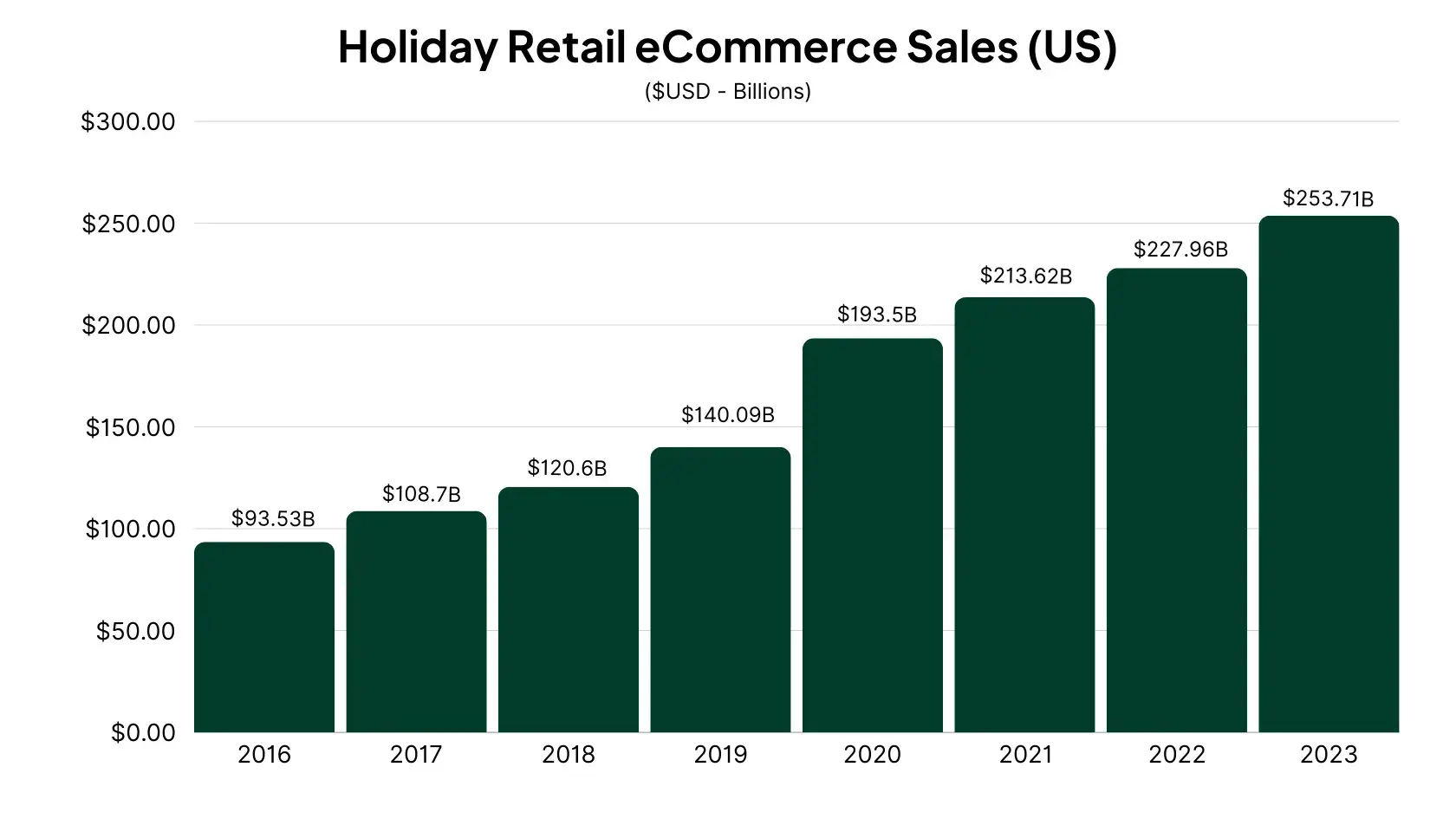
    Vendrux works with any headless platform on this list. It takes the web storefront you’ve built (regardless of which backend powers it) and delivers it as a native mobile app with push notifications, deep linking, App Store distribution and a home screen icon.

    It’s just an easier, more efficient way to build a mobile app for your headless site, compared to building and managing a separate frontend in React Native/Flutter/Swift/Kotlin.

    For a detailed look at how mobile apps work with headless architecture, see our guide to headless commerce mobile apps.

    Ready to see your headless storefront as a native app? Want to discuss how the platforms you’re looking at fit with apps? Book a free strategy call and talk it over with our mobile app experts.