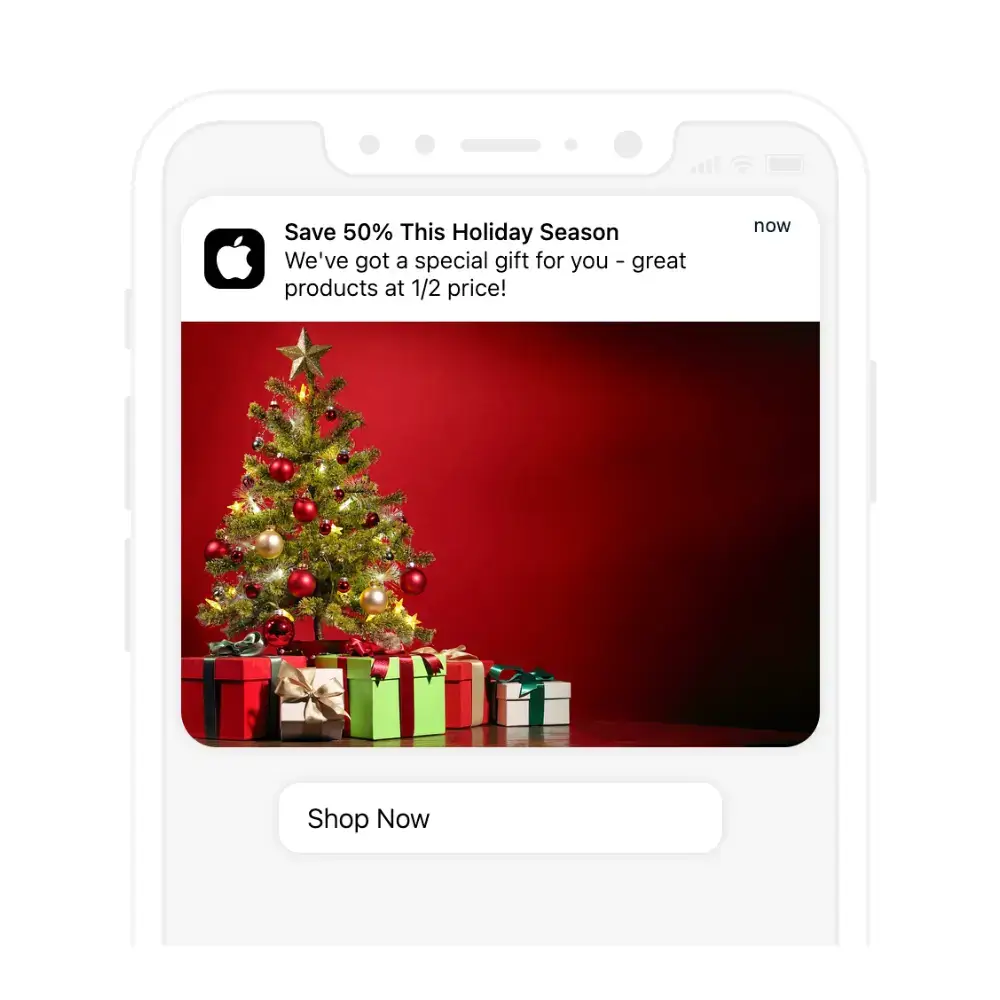
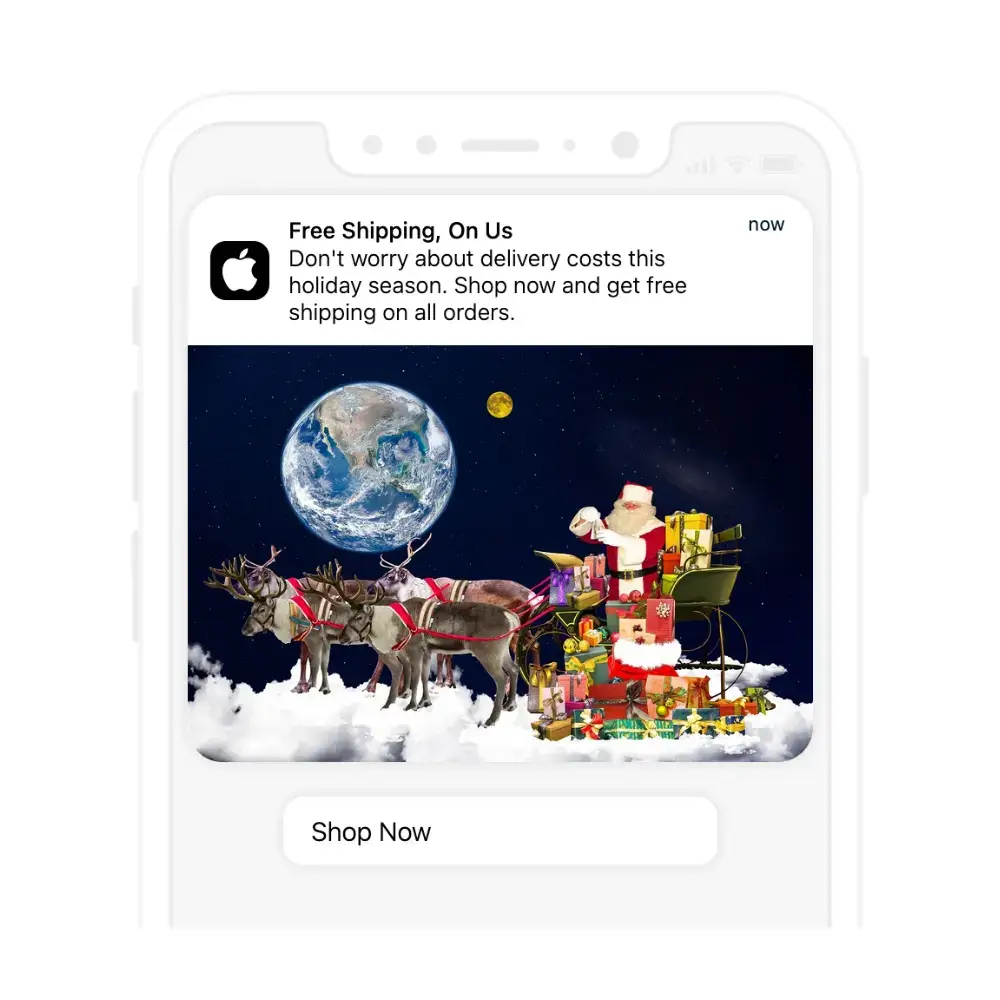
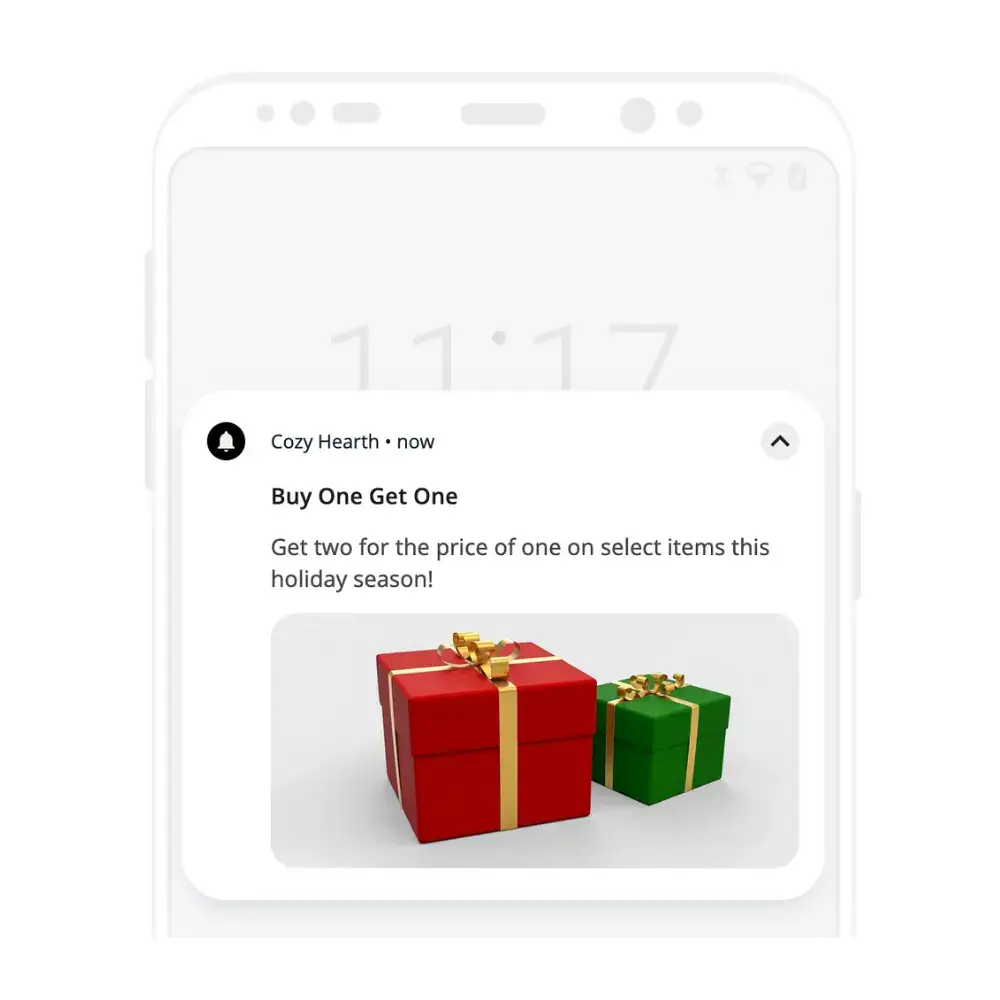
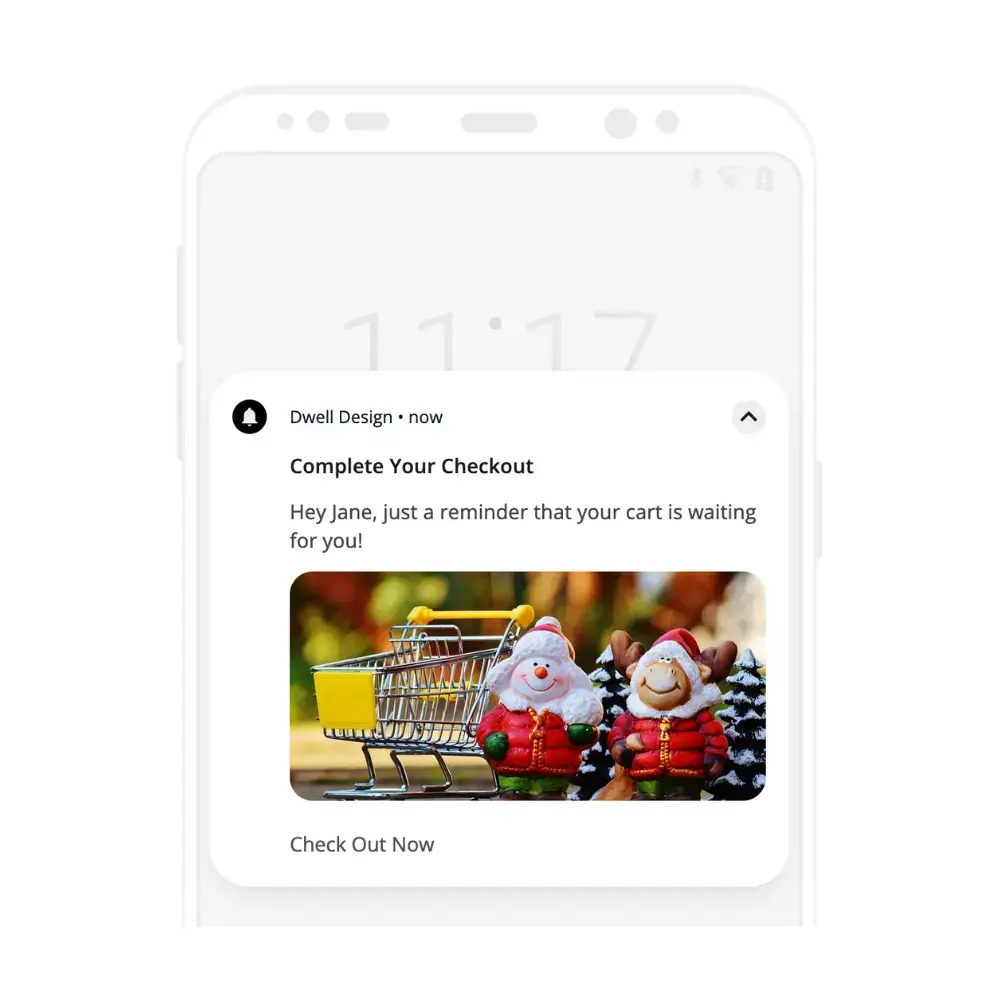
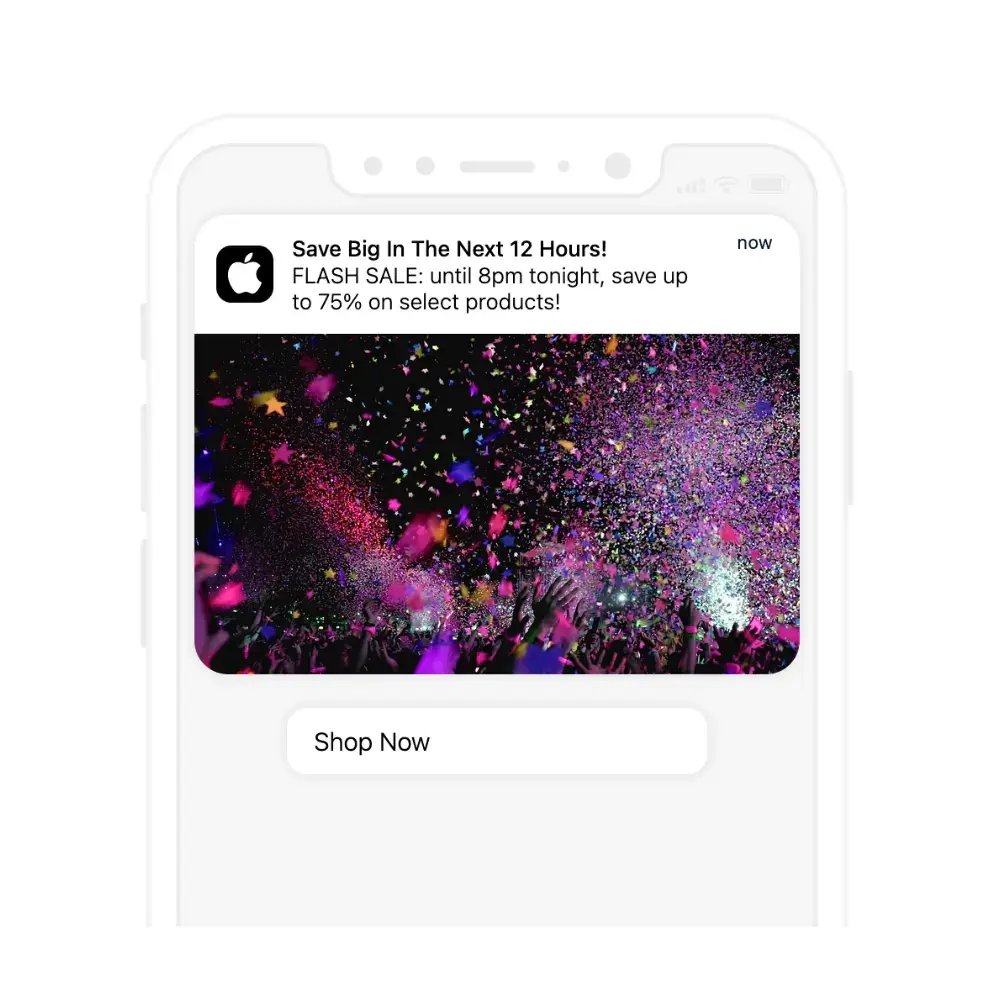
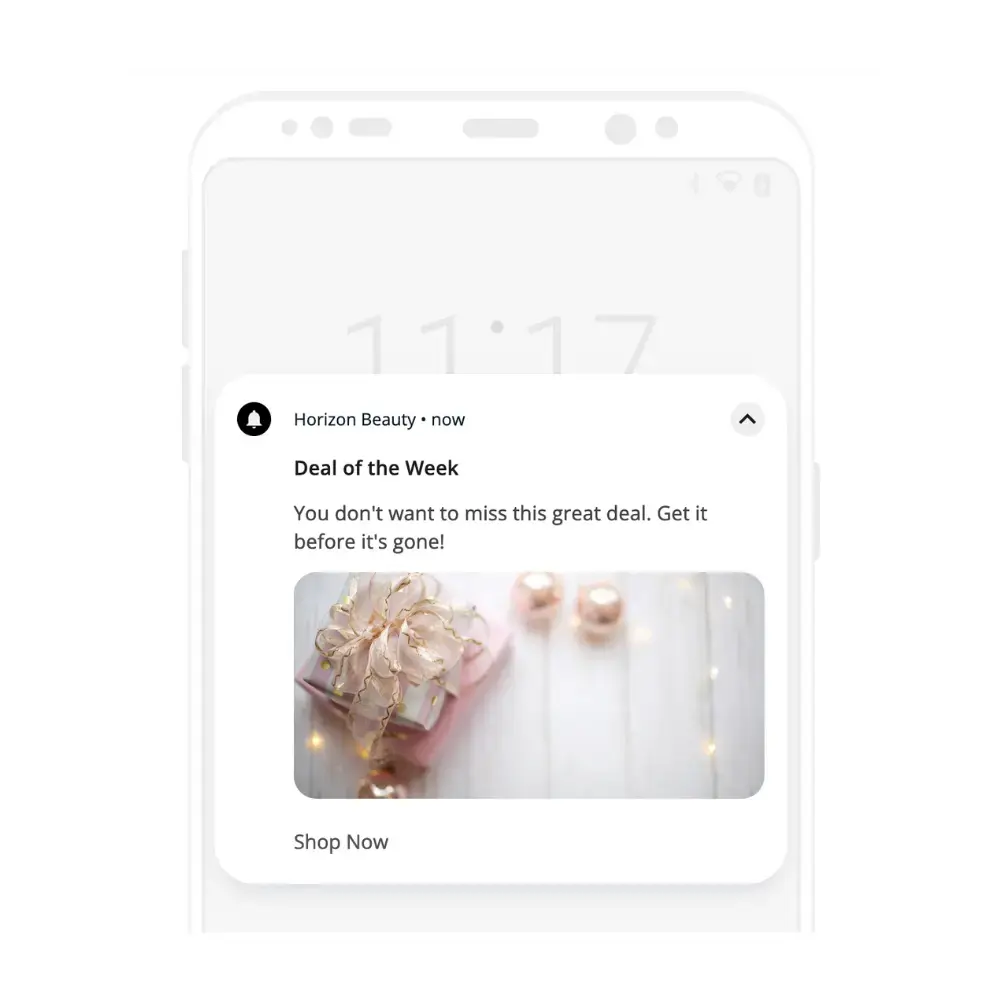
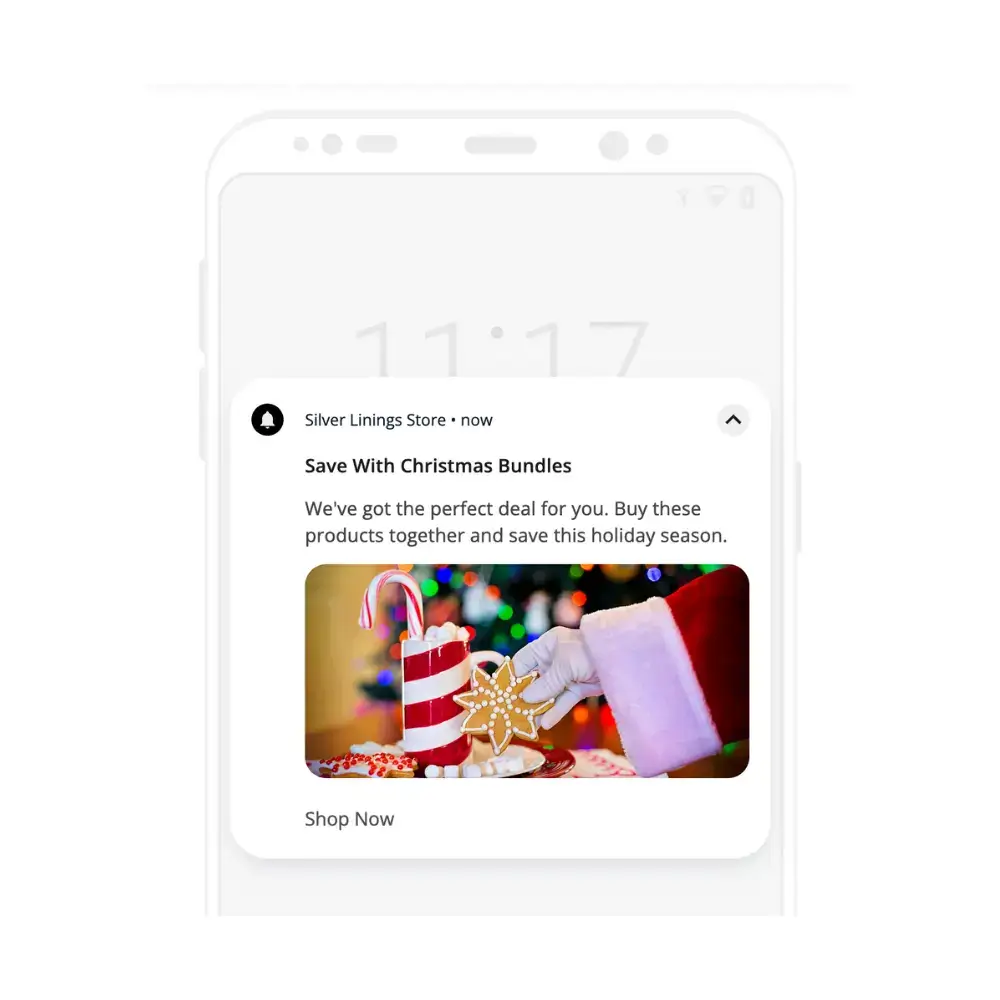
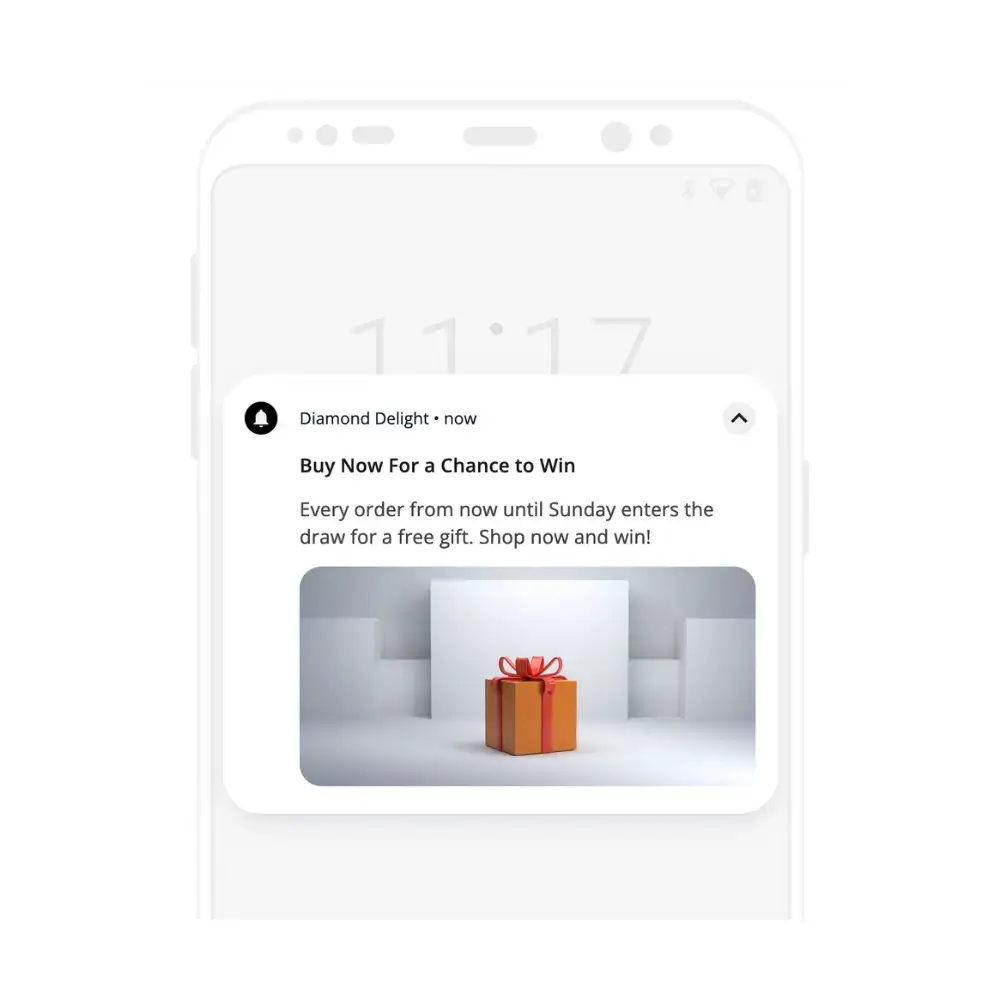
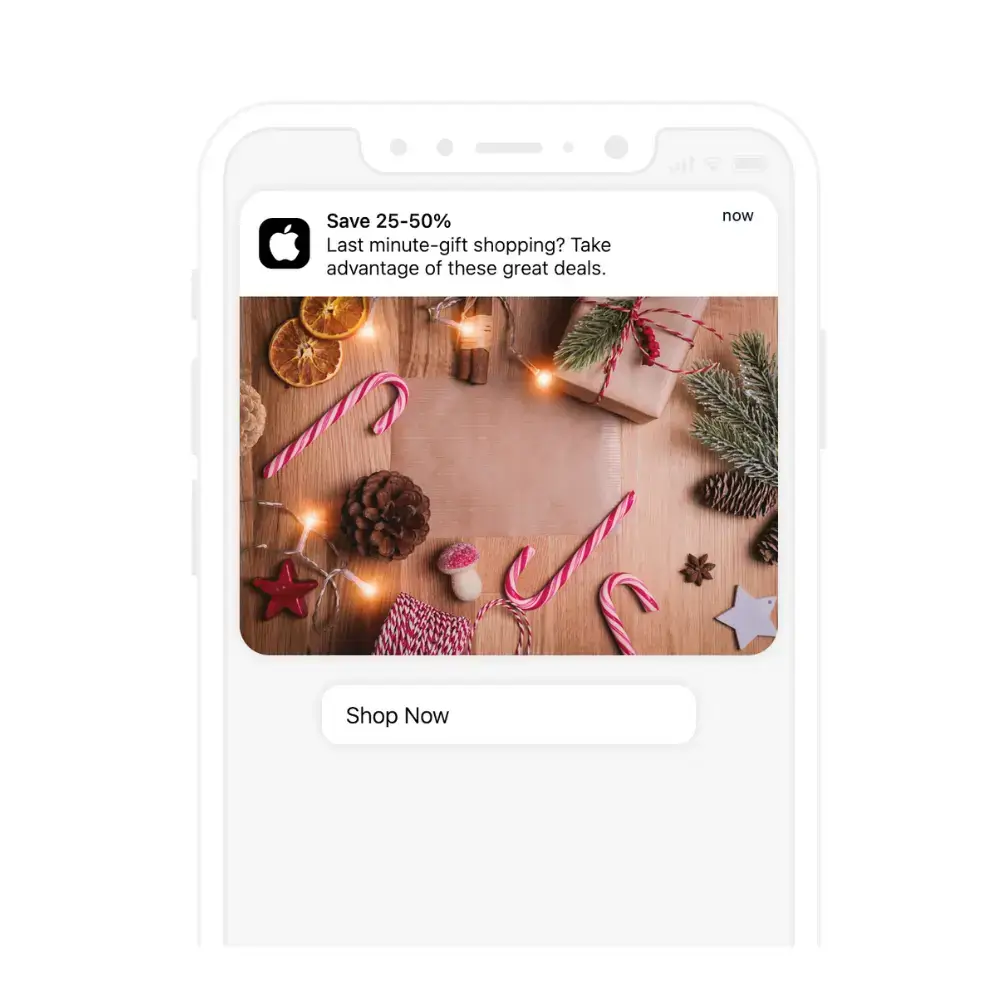
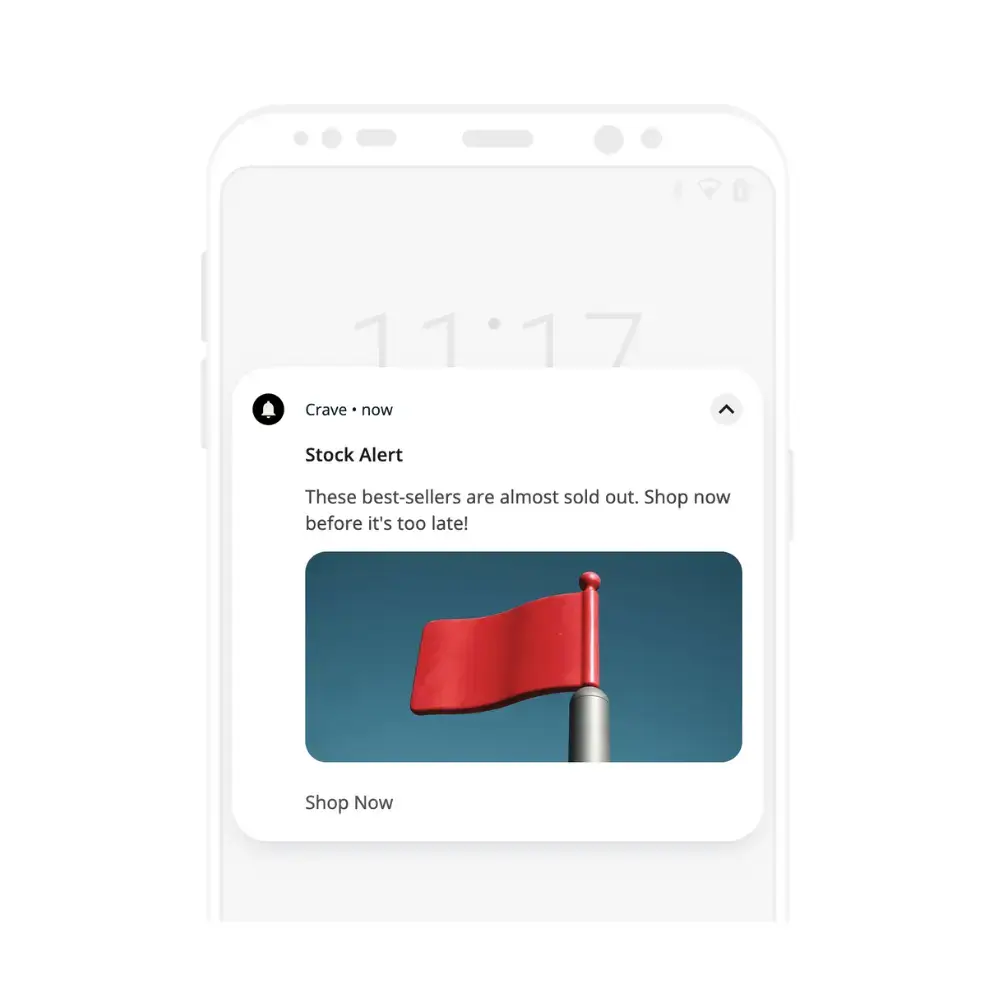
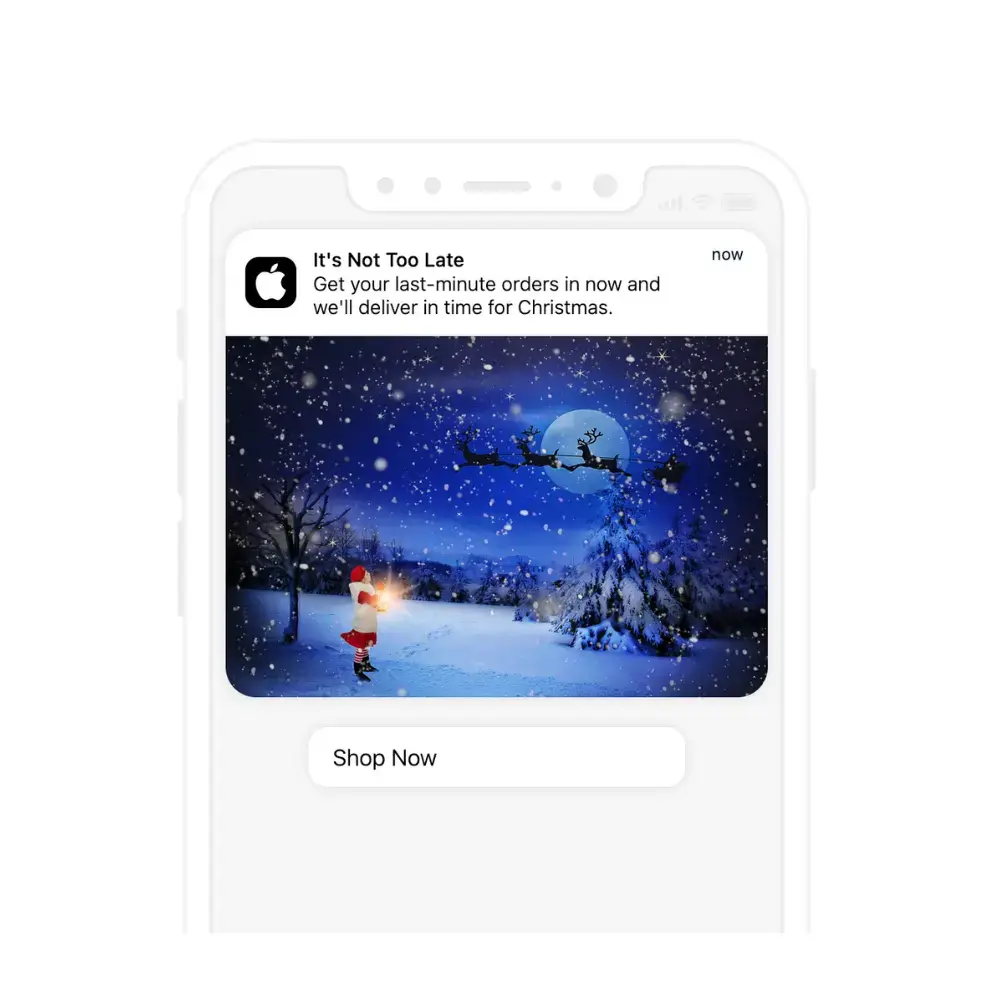
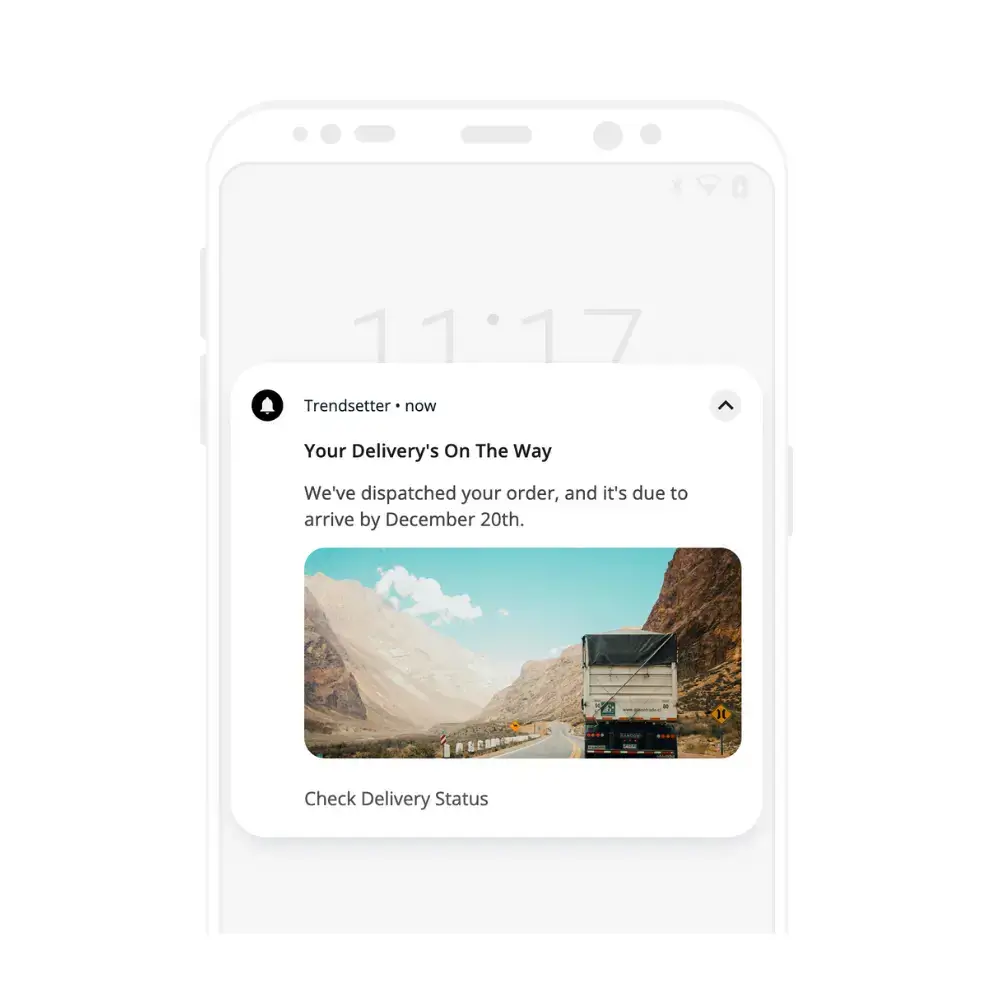
It is a common belief that push notifications drain a mobile device’s battery. Is it true?
Short answer: not really, the effect is vastly exaggerated.
Long answer: they can, and it depends. In this article we’ll explain in detail, along with ways that mobile users can preserve their batteries and how developers can send notifications from their apps that cause minimal battery hits.
Let’s get into it.
Push Notifications’ Impact on Battery Life
In today’s world mobile battery life has become a precious commodity, with many people experiencing “low battery anxiety”.
Users often look for ways to optimize their device’s battery, and one commonly cited culprit for rapid battery drain is push notifications. But is there any truth to this claim?
What are Push Notifications?
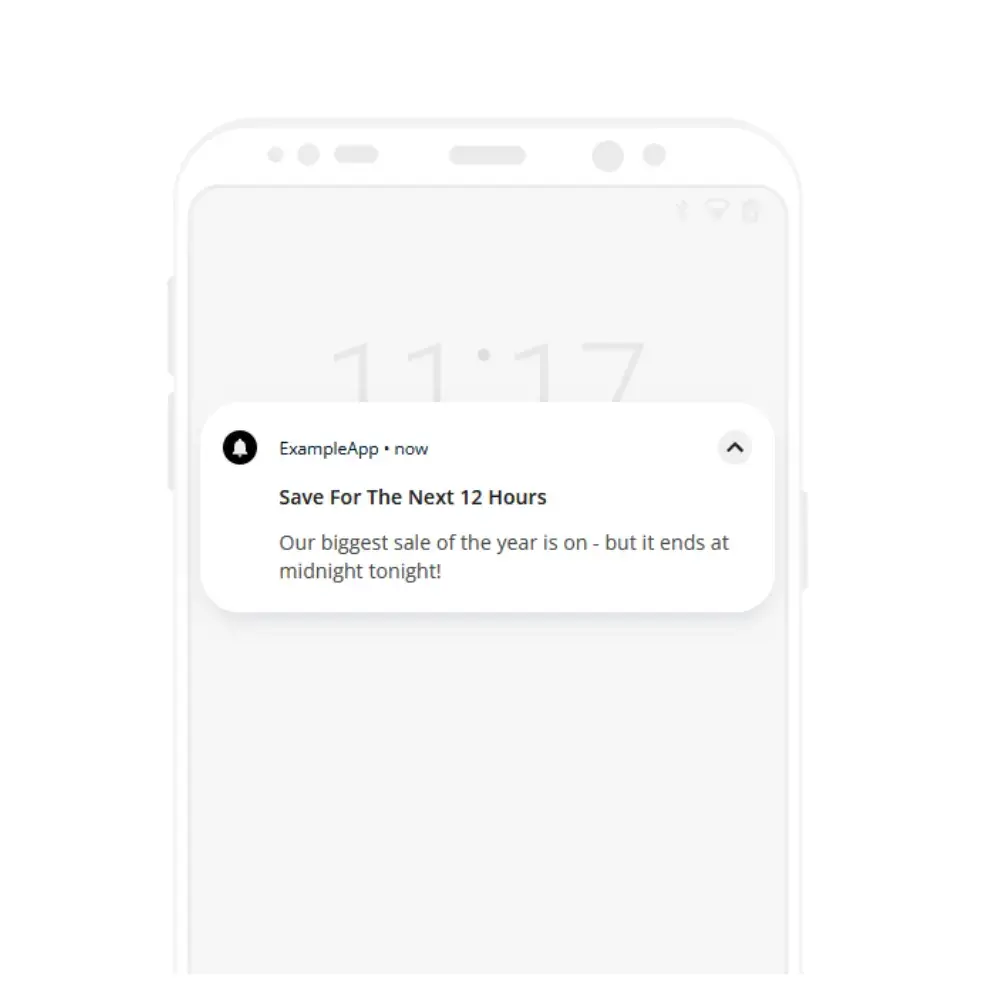
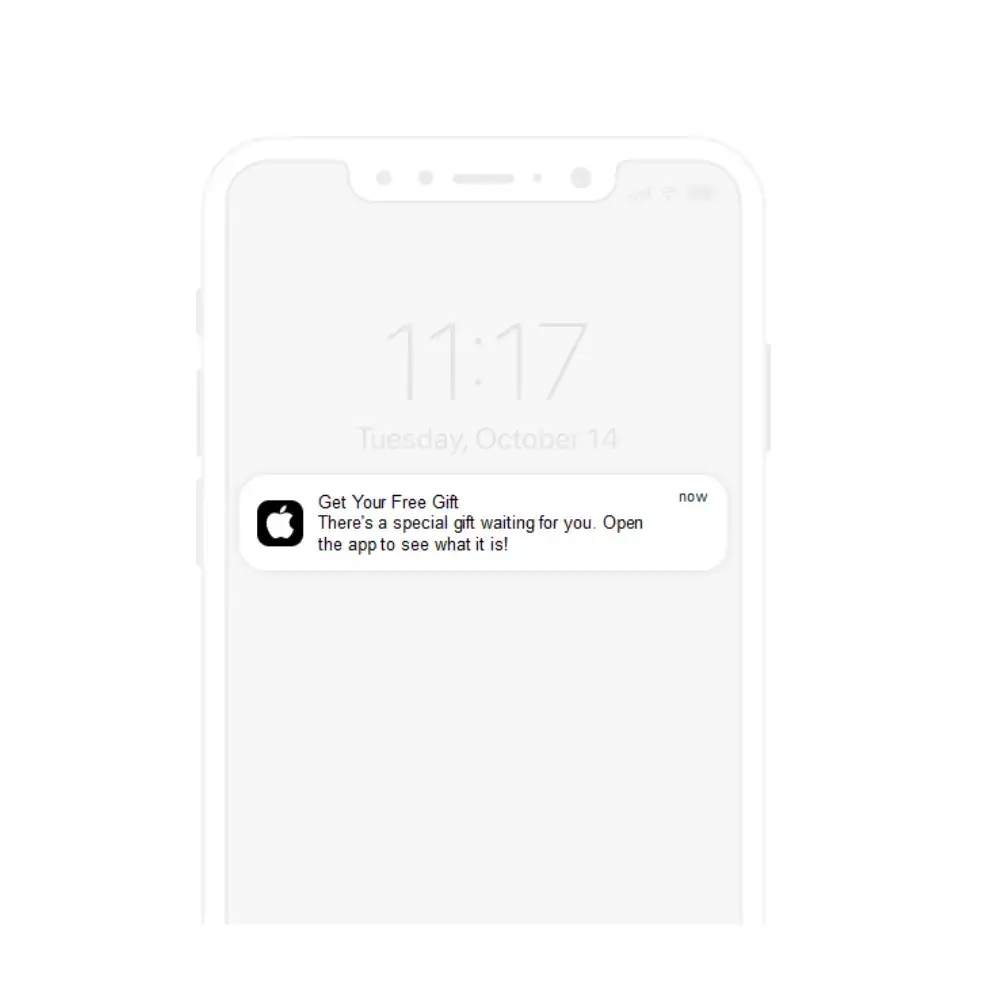
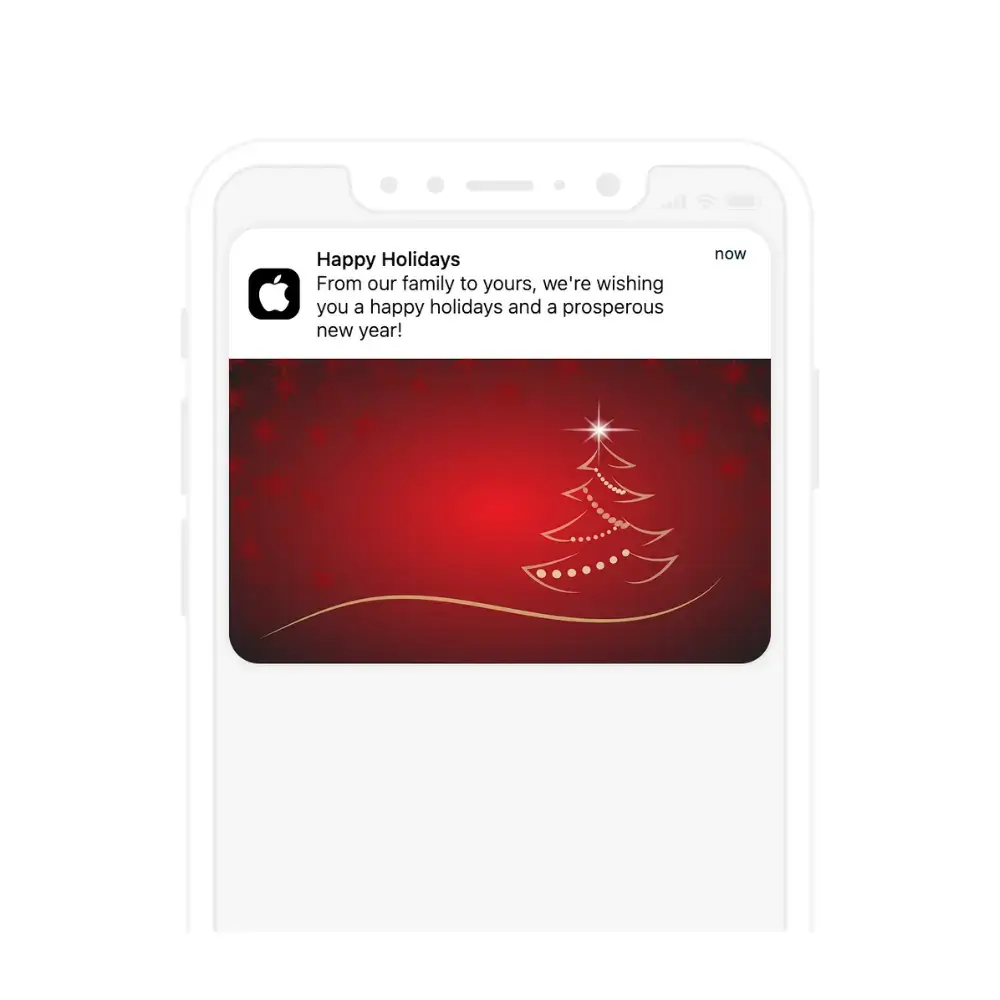
Push notifications are short messages sent by apps or websites to inform users of updates, reminders, or new content. They can pop up even if the app is not actively running, ensuring that users don’t miss out on important alerts.
Modern push notifications, by design, have a minimal impact on battery life. They operate on efficient connection protocols that maintain a relatively “light” link to the server.
The app or device does not continuously poll and check for new messages, which could indeed use up a lot of battery. Rather, the server “pushes” (hence the name) a message out which is then picked up by the device.
This event-driven model, combined with modern power-saving techniques implemented by mobile operating systems, means that the battery consumption of push notifications remains negligible for the average user.
That’s not to say there’s no impact though. Excessive and poorly executed notifications can indeed use up unnecessary power. Here are a few situations where push notifications can cause battery problems:
High volume: if an app sends an excessive number of push notifications in a short time, it can cause frequent wake-ups of the device, leading to battery drain.
Background Processes: some push notifications can trigger background processes. For instance, a weather app might send a notification about an upcoming storm and then update its data in the background. This continuous activity can consume more power.
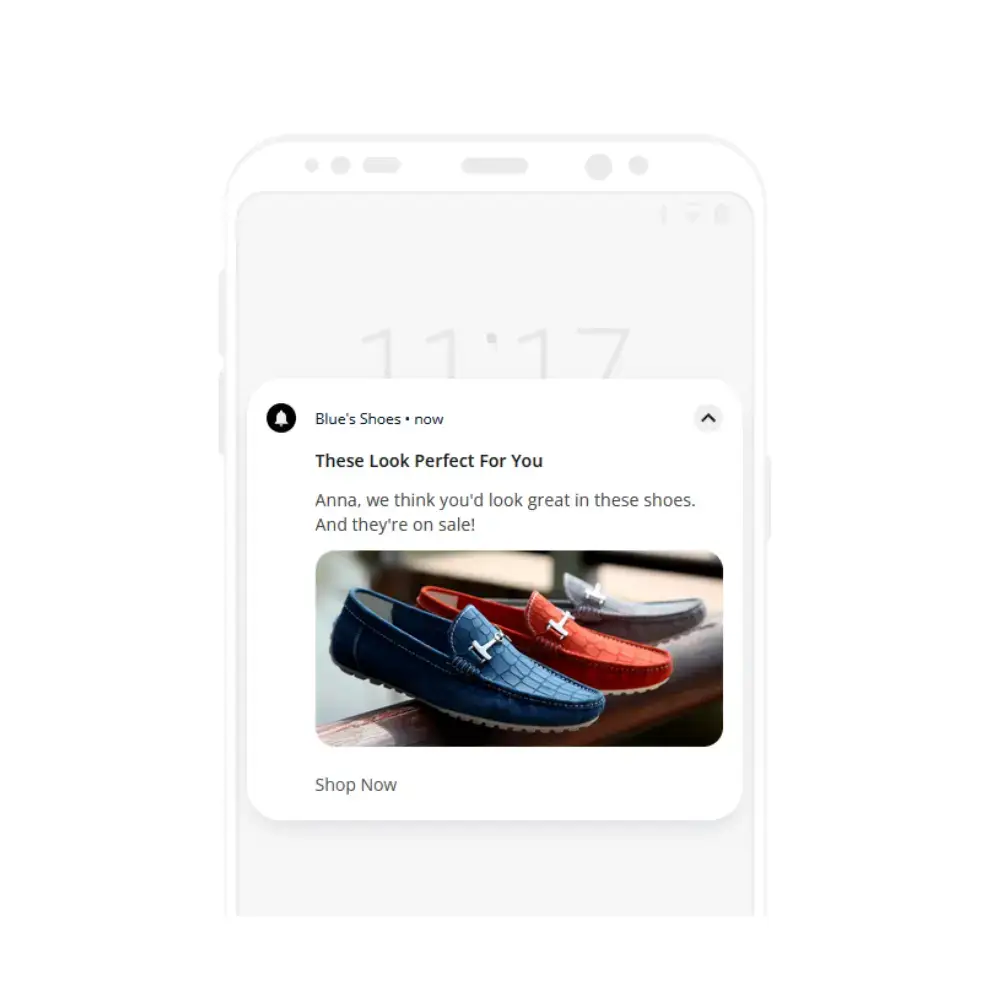
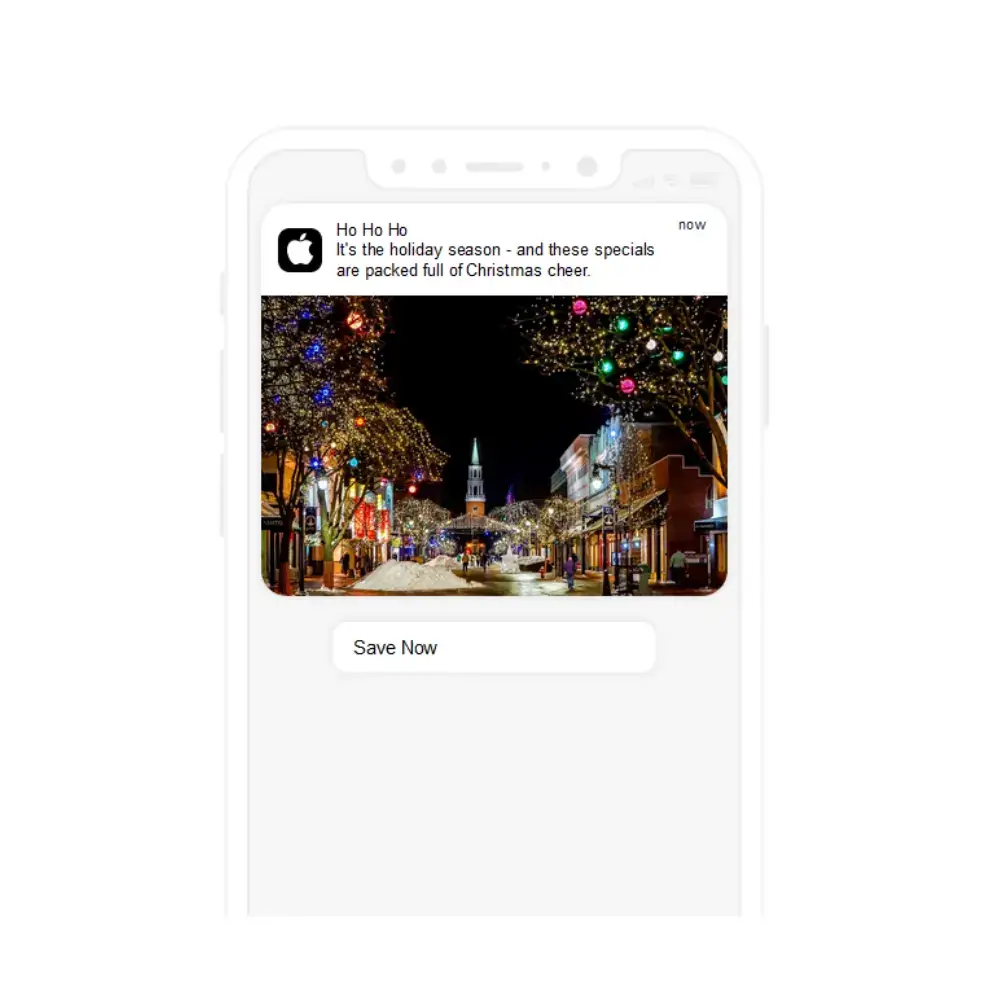
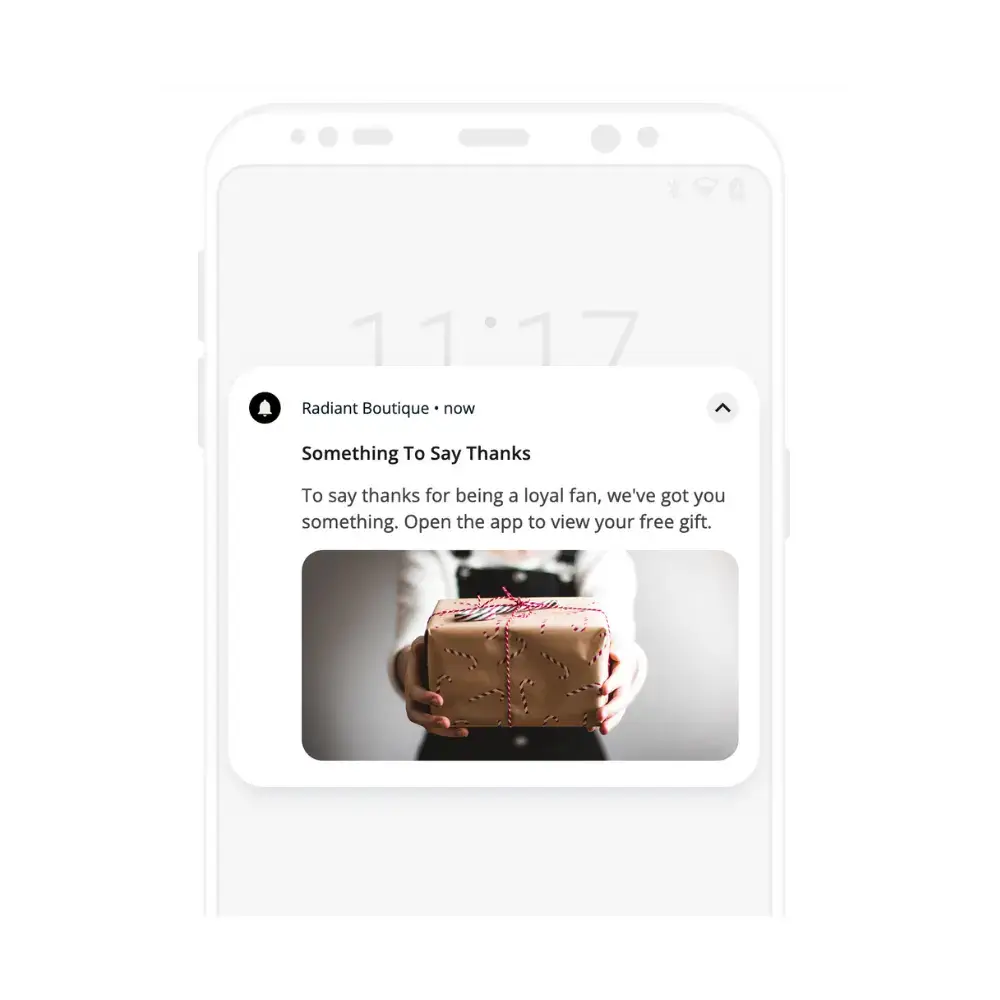
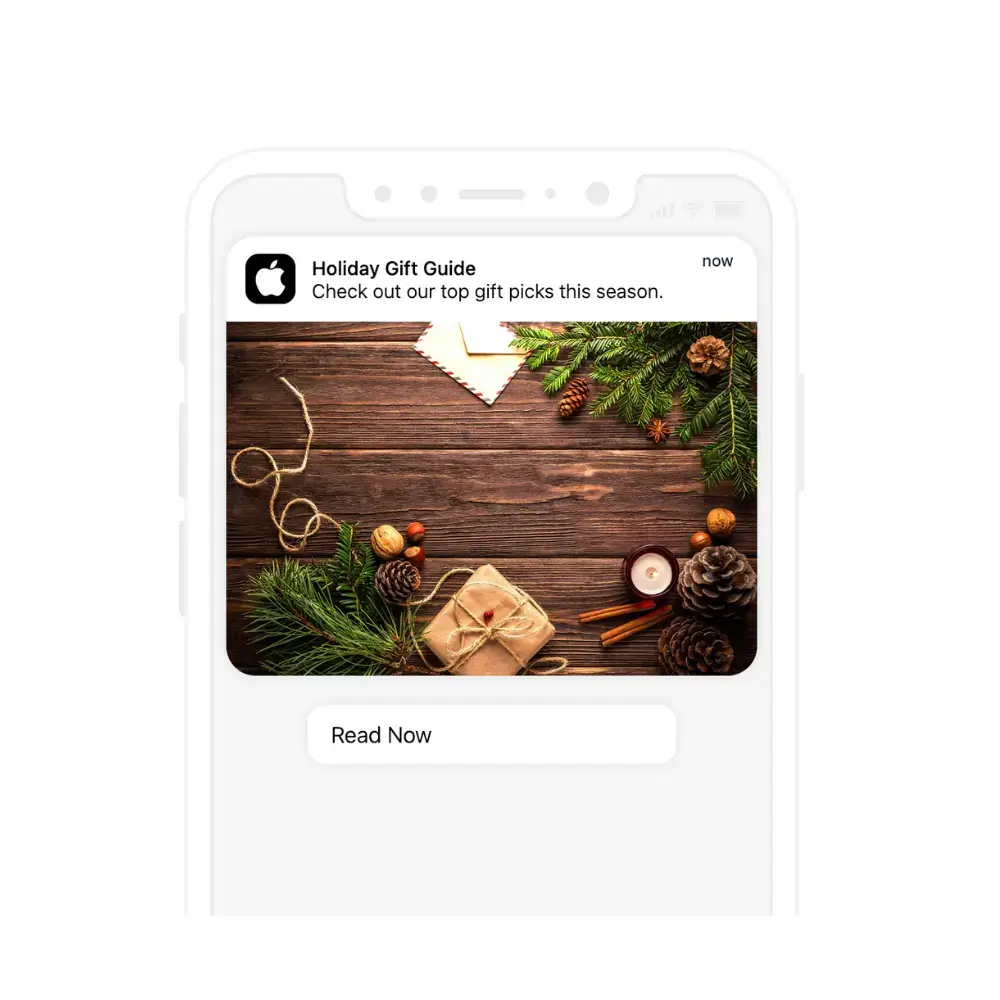
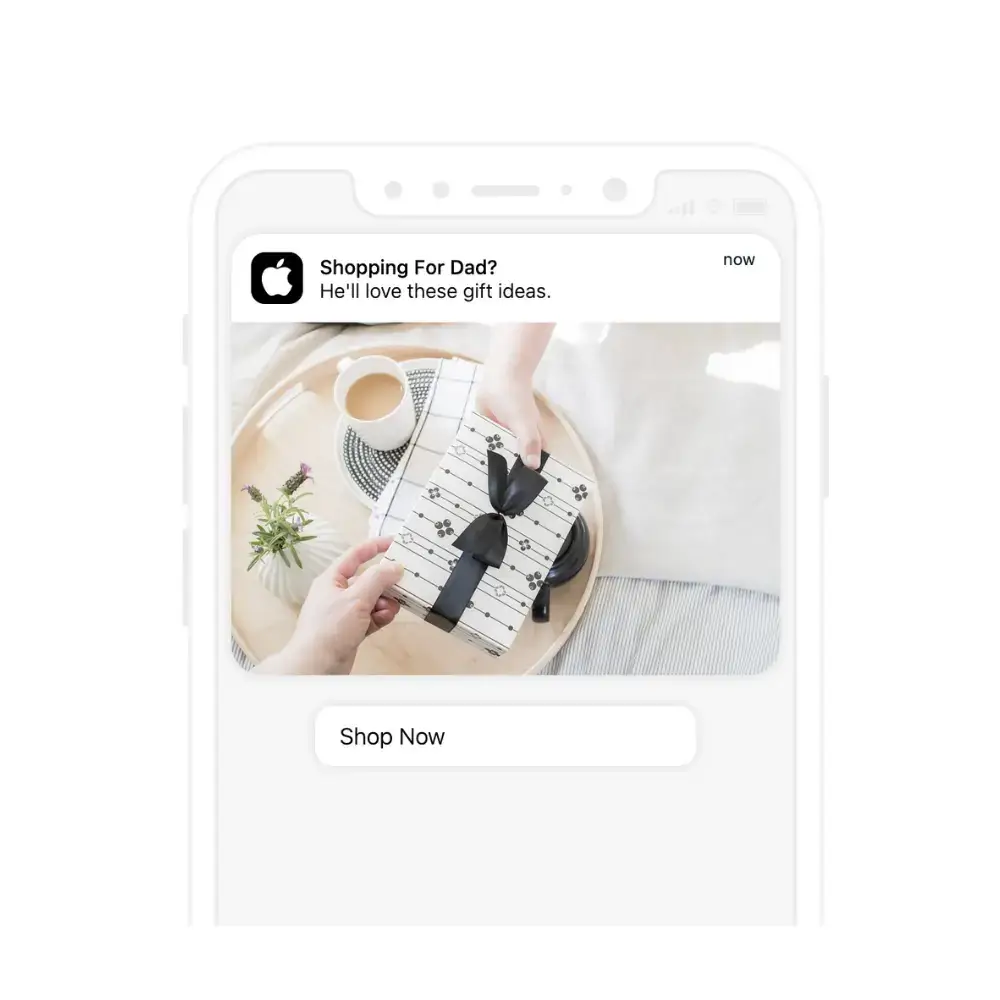
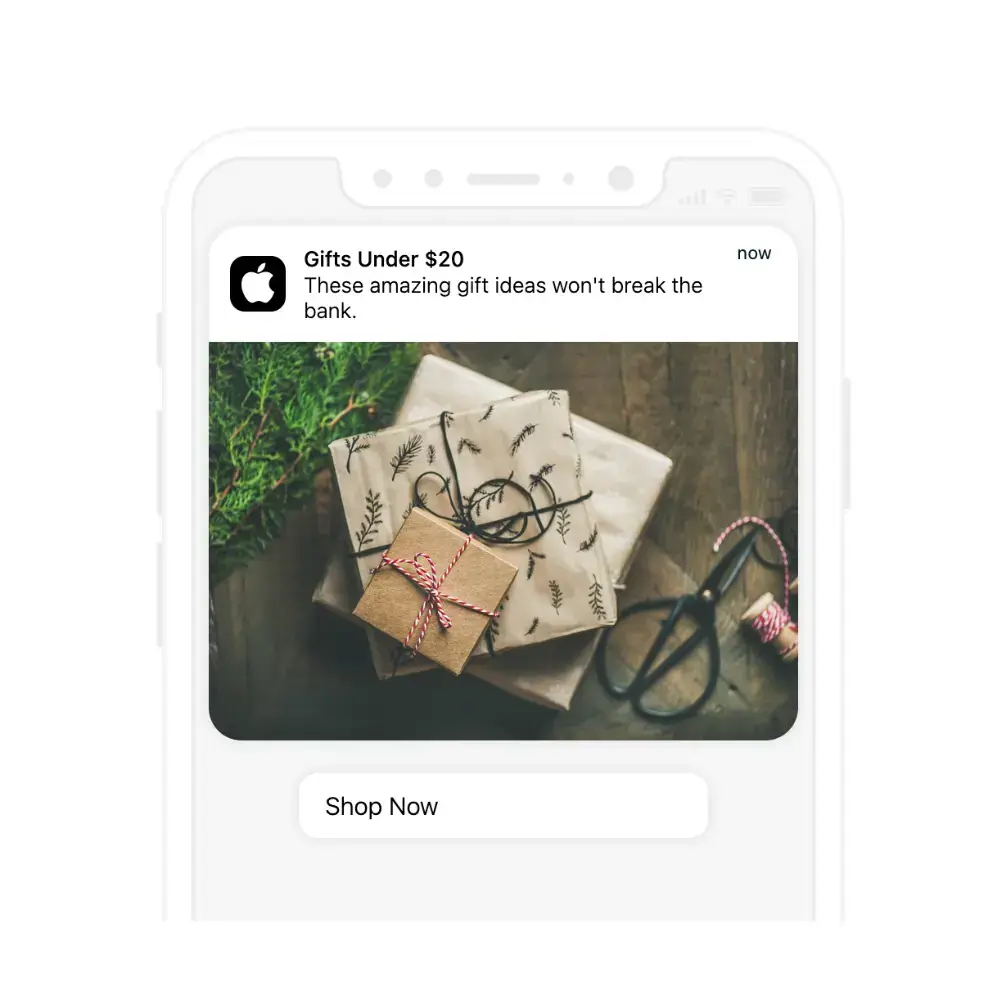
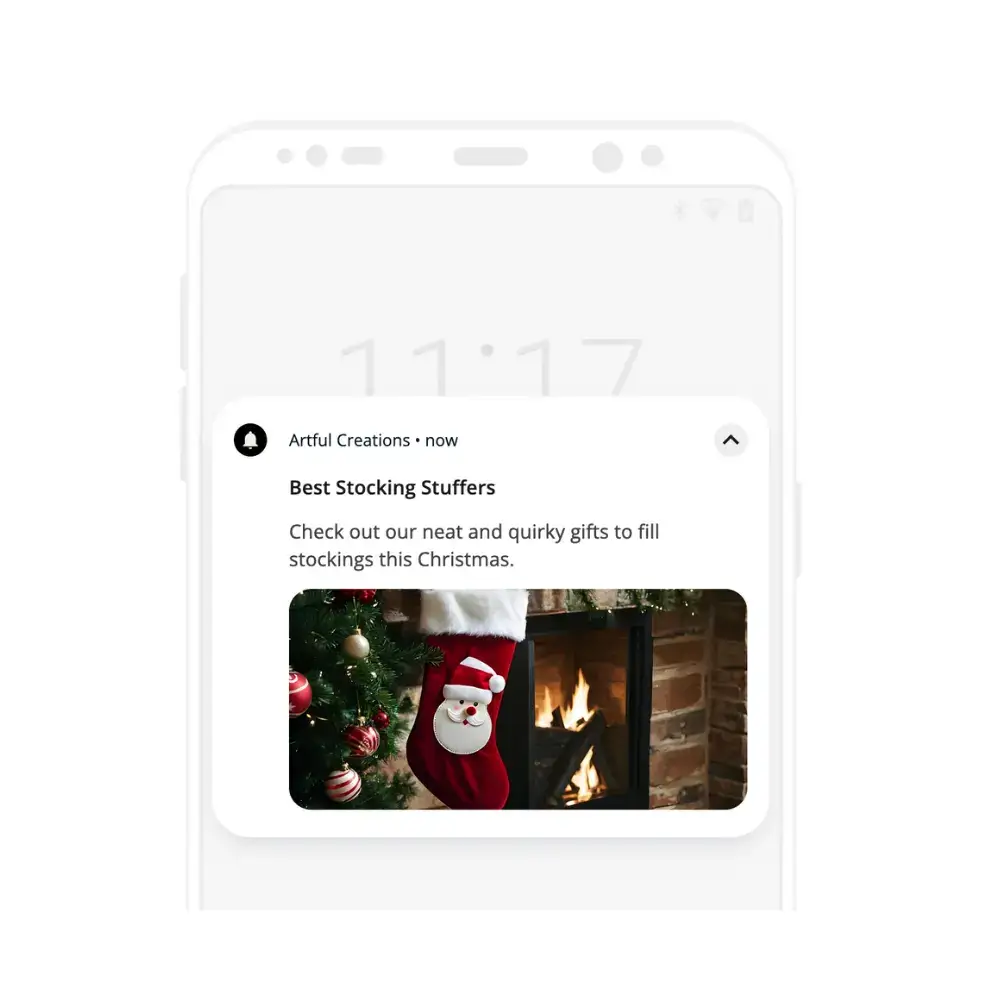
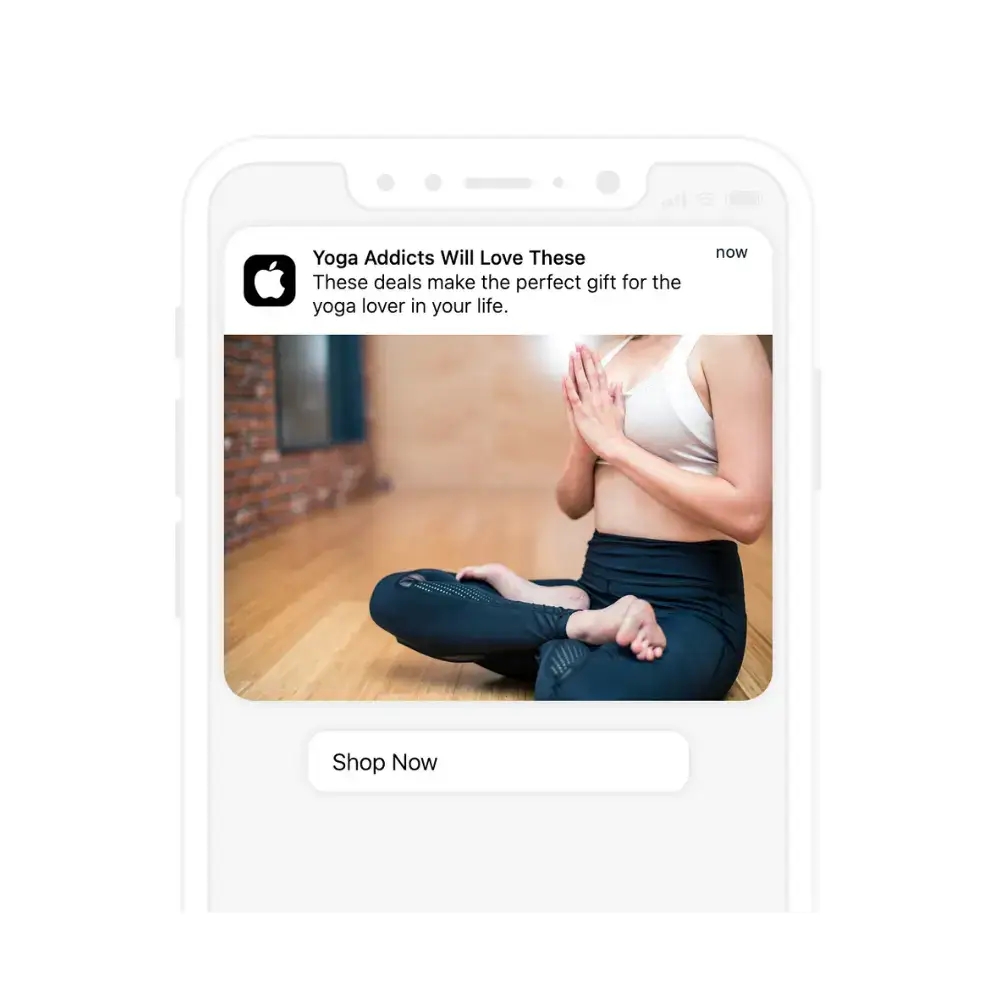
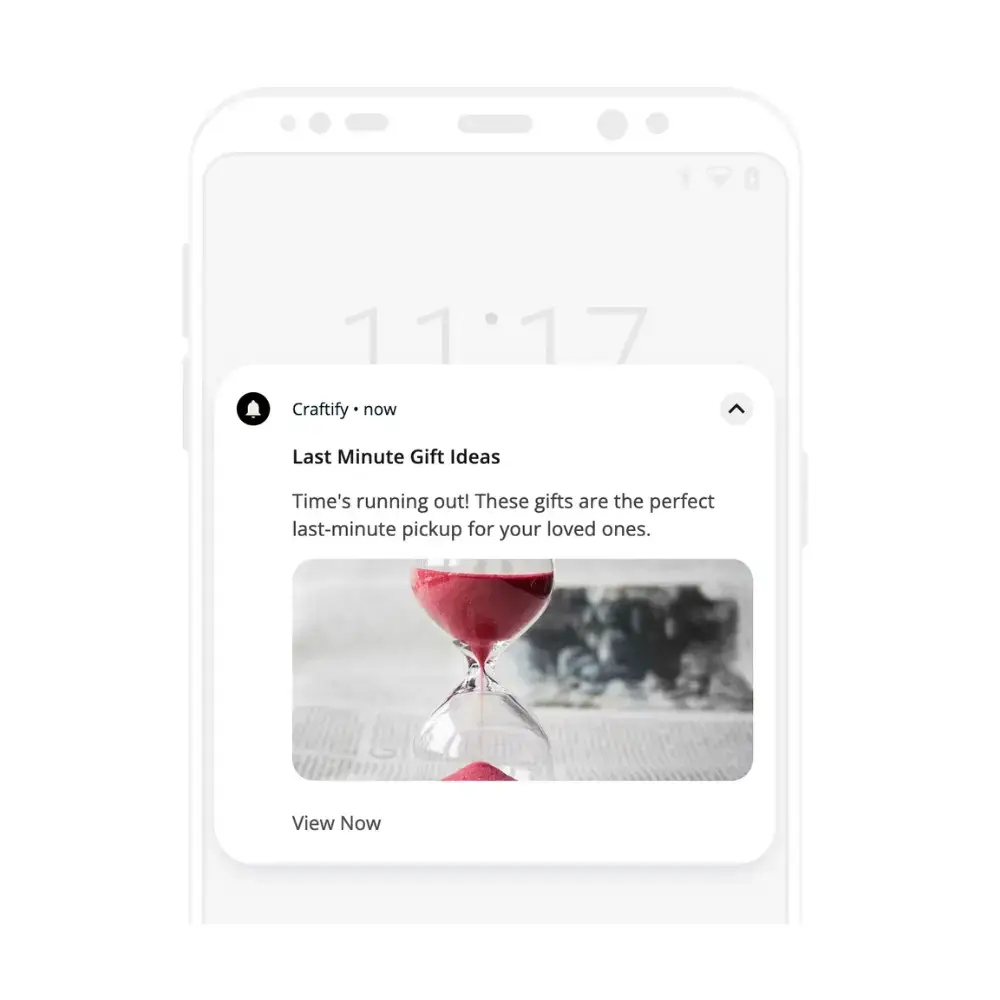
Rich Media: notifications with rich media content (like images or videos) or those that trigger sound or vibration can use more battery than simple text alerts.
Connection Type: push services typically rely on efficient connection protocols. For example, Google’s Firebase Cloud Messaging (FCM) uses a connection server to send messages, optimizing battery usage. However, if an app isn’t properly optimized or if there are network issues, maintaining this connection can impact battery life.
A Practical Perspective on Push Notifications and Battery Life
For the average user receiving a typical number of notifications, the battery drain attributed directly to push notifications is minimal.
The real concern arises when apps are poorly optimized or abusive in their frequency of notifications.
Here are some tips for users on managing notifications and battery life:
Manage Notification Settings: most smartphones allow users to manage notification settings. If a particular app is sending too many unnecessary notifications, consider turning them off or adjusting their frequency.
Update Apps: developers often release updates to optimize app performance and battery usage. Ensure your apps are updated regularly.
Monitor Battery Usage: use your device’s built-in battery monitoring tools to see which apps are consuming the most power. If an app is draining your battery disproportionately, it might be worth investigating further.
That’s what you can do as a user, now let’s look at how business owners, developers and brands can optimize their push notifications to be gentle on user batteries.
How Developers and Businesses can Respect Users Batteries
Respecting your users’ batteries is simply good UX. Here are some best practices for developers to ensure that their web or native app notifications aren’t excessively draining.
Limit the Frequency: avoid sending excessive notifications in a short period. Bombarding users with alerts not only annoys them but can also drain the battery due to frequent wake-ups. Use analytics to understand user behavior and tailor the frequency accordingly.
Optimize Background Processes: ensure that notifications aren’t triggering extensive background activities. For example, if a notification is meant to inform the user about new content, avoid pre-fetching excessive amounts of data unless necessary.
Lightweight Payloads: when sending data with your notifications, keep it concise. Instead of sending large images or data directly in the notification, consider sending a reference or URL that the app can fetch when necessary.
Batch Notifications: if possible, batch multiple notifications into a single payload. This approach reduces the number of times the device needs to wake up, conserving battery life.
Avoid Continuous Connections: For web apps, avoid keeping a continuous connection to your server for notifications. Utilize service workers efficiently, and rely on push services that use battery-efficient protocols.
It is also important to regularly and thoroughly test your apps – including their battery consumption. This is especially important after you make changes or updates in the notification system. Tools like Android’s Battery Historian or iOS’s xCode Organizer can be a good starting point to investigate.
It might also make sense to educate users, giving recommendations for optimizing notifications in your FAQs or support docs.
Finally, you should make sure that you give users plenty of options for exactly which notifications they want to receive and how.
We made sure that Vendrux apps have everything out of the box to give users a great push notification UX. All apps have push preferences, allowing users to choose which notifications to receive. Your apps will also come with a message center for users to save and revisit your notifications and messages later on.
We also integrate with the best push provider on the market, OneSignal, to give you unlimited notifications. Their infrastructure is as optimized and efficient as you can get!
Overall – don’t buy into the more sensationalist claims about push notifications and battery life. So long as you follow the simple tips in this article, you can be confident that it’s pretty much a non-issue.
Push notifications are one of the most powerful channels for ecommerce retention and repeat sales. They put your brand directly on your customers’ lock screens, bypass crowded inboxes and rising SMS costs, and drive quick re-engagement with just one tap.
Yet, most BigCommerce stores aren’t making use of push. For some, it’s because they don’t understand the value of push. For others, they’re unsure how to unlock push as a channel.
With your own branded app, you can send high-engagement push notifications to every customer who installs it, on both iOS and Android.
In this guide, we’ll break down the difference between web and native push, show you why apps win for push marketing, and give you a blueprint to unlock this channel for your BigCommerce store.
Quick Answer: The fastest and most effective way to send push notifications from your BigCommerce store is by converting your site into a fully branded iOS and Android app with Vendrux. You unlock true native push notifications, reaching customers on their lock screens even when the app is closed. With built-in OneSignal and Klaviyo integrations, you can send automated flows like abandoned cart, welcome campaigns, and segmented promotions right out of the box. You’ll get full control over push without rebuilding your site or managing separate platforms, and Vendrux handles the entire process for you in about 30 days.
What Are Push Notifications and Why Do They Matter?
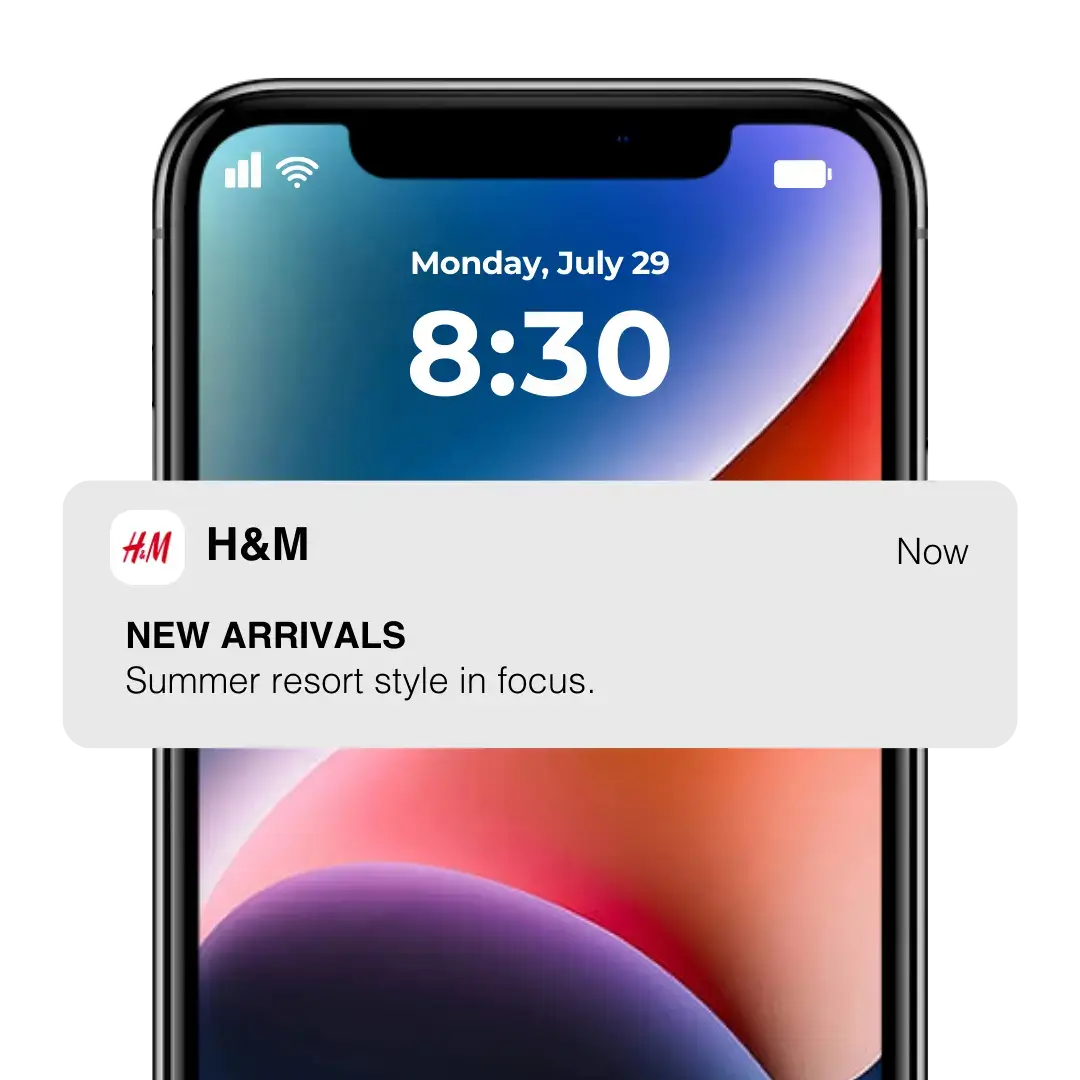
Push notifications are short, clickable messages delivered directly to a user’s device, appearing on their lock screen or notification tray.
Unlike email or SMS, push notifications are instant, highly visible, and bypass the competition of crowded inboxes.
Push notifications are a direct line to your customers. For ecommerce, this is a major deal.
Push you:
Re-engage shoppers who haven’t visited in a while
Send real-time promotions, product launches, and back-in-stock alerts
Reduce abandoned carts with automated reminders
Build loyalty and drive repeat purchases through personalized offers
At a time when customer acquisition costs keep rising, push notifications help BigCommerce store owners maximize the value of existing customers. They keep your brand top-of-mind and encourage repeat engagement with just one tap.
Web Push Notifications vs Native Mobile Push Notifications
Push notifications can be delivered in two main ways: through web browsers or through native mobile apps.
While both can help you reach customers, the performance and capabilities are very different.
Web Push Notifications
Web push notifications are sent through web browsers and can be triggered directly from your BigCommerce site.
Web push notifications show up in the corner of the screen on desktop, using the browser
Pros:
Can be implemented directly on your BigCommerce store
No app development required
Works across desktop and mobile browsers
Quick to set up
Cons:
Limited effectiveness – low opt-in rate for browser notifications
No 24/7 reach – only work when the browser is running
Restricted customization – limited design and interactivity
Lower engagement rates – typically 2-5% click-through rates
Platform limitations – iOS Safari only recently enabled partial web push support and adoption remains low
Native Mobile Push Notifications
Native push notifications are sent through mobile apps and deliver a superior experience for both you and your customers.
Native push shows directly on the lock screen of the user’s device
Always accessible – notifications work even when the app isn’t running
Rich media support – add images, videos, and interactive buttons
Better personalization – deep integration with customer data for targeted messaging
Full iOS and Android support – no browser limitations
Cons:
Requires a mobile app
Slightly more complex initial setup
Bottom line: Web push is quick to implement but limited in reach and engagement, especially on mobile. Native push delivers far better results but has historically required expensive app development – that is, until solutions like Vendrux made it accessible to every BigCommerce store.
How Vendrux Enables Native Mobile Push From Your BigCommerce Store
Traditionally, sending native push notifications meant investing tens of thousands of dollars in custom app development. For most BigCommerce store owners, that wasn’t realistic. Vendrux changes that.
Vendrux turns your existing BigCommerce website into fully branded iOS and Android apps.
Your store’s design, product catalog, and checkout all work seamlessly inside the app. No rebuilding or duplicate management required.
Crucially, though, your app is not just a “website in a box”.
We layer in native features like push notifications, ensuring you can reach your customers instantly and effectively.
Why Vendrux is the Best Way to Send BigCommerce Push Notifications
Here’s why Vendrux is the best option for you to unlock the power of push for your store.
Native push baked in: Push notification infrastructure (via OneSignal and Klaviyo) is already included. No separate setup or technical work required.
Automated ecommerce flows: We configure key campaigns like abandoned cart reminders and welcome flows for you from day one.
Zero code, no double management: Your website powers your app directly. Update your site once, and your app updates automatically.
Optional Done-For-You service: Want us to handle ongoing push strategy and execution? Our team can manage campaigns, segments, and optimizations every month.
No revenue share: Vendrux offers transparent pricing and no cut of your sales, unlike some platform-based app builders.
Strategic partnership: Our success team guides you through best practices and ongoing growth; not just technical setup.
How It Works
In less than a month, you can have your own BigCommerce mobile app live in the App Stores, and in the process, unlock the most cost-effective marketing channel for ecommerce: push notifications.
Here’s how.
Kickoff & Setup: We review your BigCommerce site and plan your app build.
App Configuration: Your app is customized for your brand and configured for push.
Live Testing: You preview your app on your own devices.
Quality Assurance: Our team ensures everything is pixel-perfect.
App Store Submission: We handle the publishing process with Apple and Google.
Final Optimization: Your app is tuned for performance and engagement.
Launch & Growth: You start sending high-impact push notifications and growing retention.
Are push notifications really that effective? And are Vendrux users having success with push?
In short: yes.
Push notifications are proven to be a cost-effective way to drive sales and reach out to your best customers. Considering the cost (zero cost to send), there’s virtually no downside.
They’re especially powerful for abandoned carts. Just look at the results below from some of our users, over a 30-day period.
Some of our brands generate $200K+ over just one month, through abandoned cart push notifications.
Do I need to rebuild my BigCommerce site for the app?
No. Vendrux uses your existing BigCommerce site as the foundation, so you don’t need to create a separate theme or manage two versions of your store. Any updates you make on your website automatically reflect in your app.
Will all my BigCommerce apps and integrations work?
Yes. If they work on your website, they will work in your app because the app is essentially your site wrapped in native functionality, with additional features like push notifications and a native tab bar.
How does Vendrux handle App Store and Google Play publishing?
We manage the entire submission process for you, including dealing with Apple and Google requirements. You keep full ownership of your app developer accounts and your published apps.
What KPIs should I track for push notifications?
Key metrics include opt-in rate (what percentage of app users allow notifications), delivery rate, open rate (click-through), and downstream conversion actions like purchases from push-driven sessions.
Is there a limit on push notifications?
No hard limits. You can send as many notifications as you like. With our OneSignal and Klaviyo integrations, you can segment users, automate flows, and schedule campaigns without restrictions.
Can I segment messages for different customer groups?
Yes. Using OneSignal and Klaviyo, you can target by location, purchase history, customer type, and behavior, allowing for highly personalized campaigns.
What happens if I redesign my BigCommerce site?
Your app will instantly reflect any design changes. Because it’s powered by your website, you only maintain one platform. No duplicate development or redesign work.
Getting Started: Next Steps
Launching native push notifications for your BigCommerce store doesn’t need to be complex or expensive.
With Vendrux, you can go from a standard web store to a fully branded iOS and Android app (with push built in) within 30 days.
Here’s how to get started:
Book a free consultation: We’ll review your BigCommerce store, discuss your goals, and provide a live app preview.
Kick off your build: Our team configures your app, sets up push integrations, and handles all the technical heavy lifting.
Launch and grow: Your app goes live on the App Store and Google Play, ready to drive engagement and repeat sales through push notifications.
If you’re ready to unlock push as a high-performance retention and marketing channel, book a call today and get started. Your app – and your push campaigns – could be live within the month.
The tactics of marketing change all the time but the fundamentals stay the same.
Whether it’s email, digital ads, organic search, or anything else – the holy grail of marketing is still reaching the right person, at the right time, with the right message.
That’s why push notifications are so valuable in the smartphone era.
We all have our phones on us pretty much 24/7. The ability for companies to reach our lock screens with tailored messages is huge. It’s a completely new channel native to the smartphone era.
So, how do you make use of push notifications for your business?
It starts with understanding what they are, and how they work.
In this article we’re going to cover them in detail. By the end you’ll understand push notifications on a deep level, and you’ll be ready to implement them on your own website, web app or native mobile app.
Let’s get started with a high level overview of what a push notification is.
What Are Push Notifications?
Push notifications are messages that are sent directly to a user’s device – usually a smartphone – even when they’re not actively using your app or website.
These notifications appear as alerts, banners, or badges on the user’s screen, and usually contain information, updates, or promotions of some kind.
Push notifications are arguably more powerful than traditional channels such as email or SMS, since delivery is guaranteed and there’s less reliance on users actively checking for updates. They can help you grab your customers’ attention, increase their engagement, and induce them to take specific actions.
Understand that not all push notifications are the same.
The most notable differences are between web push notifications and native mobile push notifications. These are conceptually similar, but there are important differences.
Web push notifications are sent using a web browser, and work on desktop and mobile devices.
Native, or mobile, push notifications, are sent by a mobile app (this is the kind of push notification you may be more familiar with).
Another important distinction is push notifications on iOS vs Android. There are certain differences in behavior, and things you can and can’t do with push notifications, depending on the operating system.
You can read more in the links provided about the differences in push notifications for each OS, and desktop push notifications vs mobile app push notifications.
For now, let’s look a little deeper at the business benefits of push notifications.
How Can Push Notifications Help Your Business?
Push notifications can play an important role in reaching and engaging your users.
They’re effective for almost any type of business, but are especially powerful for eCommerce.
Here’s a summary of why many businesses want to leverage push notifications:
Direct Engagement: push notifications provide a rather immediate route to contacting users, even if they’re not on your platform
Real-time Traffic: drives immediate engagement and traffic, which can help to give content an initial boost and expand its reach
Timely Alerts: for content/news brands, push can position your app as the primary, instant source of essential information
Increased Visibility: for eCommerce businesses, push can ensure that new products, offers and services get immediate attention
Loyalty: push can significantly improve overall UX, fostering loyalty, as seen with New York Times mobile app subscribers
App stickiness: push notifications can boost daily user engagement on social platforms and other applications – making them more attractive to potential users
Revenue Boost: For ad-reliant apps and brands, push notifications can increase ad views and thus revenue
Sales Enhancement: E-commerce platforms can drive sales with targeted push notifications promoting new lines and offers
Data Insights: your push data can be a treasure trove for understanding audience behavior and help you to make precise strategy adjustments
A server to store necessary data about push notifications, and the people you’re sending them to.
Software installed on the user’s device to communicate with the server.
Necessary permissions from the user to send push notifications to their device.
Though you can set all of this up manually, in most cases you’ll use a push notification service, which handles all the technical stuff for you.
With these services, all you need to do is add a little code to your website or mobile app, and then use the service’s interface to set up and send push notifications.
You will still need permission enabled from your users before you can reach them.
For web push notifications, users will receive a popup prompt asking them if they’d like to receive push notifications, which they need to accept.
When sending push messages from an app, Android users will be opted in to receive push notifications by default; on iOS devices, they will need to manually grant permission.
For details on sending push notifications on specific platforms or environments, check out the following articles:
For now, understanding the basics of how push notifications work, how to implement them on your app, and some best practices are all you need to start leveraging them.
We’re going to go into more of the technical aspects now, starting off with a review of the fundamental concepts behind how push notifications function.
How Do Push Notifications Work?
As a business owner, you probably don’t care to go super deep into how things work on a technical level. But, you probably also know that understanding the tools you use on a high level is valuable.
In this section, we’ll go over a few concepts that it pays to be familiar with, including the client-server relationship and the use of registration and device tokens.
The Basics: Client and Server
Like many things, push notifications rely on a client-server architecture.
The client is your mobile app, the user’s browser, or your desktop application that receives and displays the push notification.
Your server determines when and to whom a notification should be sent, and also communicates this to the appropriate platform-specific push notification service.
This service is then responsible for the actual delivery of the notification to the target client. The service differs depending on platform and type of notification.
Service Workers for Web Notifications
Web push notifications, for example, depend on service workers and push specific browser APIs.
A service worker is essentially a JavaScript file that runs separately from the main web page, and acts as a middle “layer” between the client (in this case the browser) and the server.
Modern browsers typically have “push services” – intermediary infrastructure that enables push notifications like Chrome’s Firebase Cloud Messaging, Windows Push Notification Services, and Mozilla’s Push Service. Along with the browser’s native infrastructure, there’s a lively ecosystem of third party push notification tools and services that add additional features and functionality on top!
The service worker operates in the background, connected to but separate from your actual website or web app, “listening” for push events from the push service.
Native App Notifications
Native app notifications follow the same basic client – server architecture, but are different in several important ways.
Native apps do not use service workers, but rather rely on push services specific to the operating system.
Each platform’s service has its protocols, message limits, and functionalities. In later sections, we will go further into the differences between web and app push notifications, and how you can make use of both.
Registration and Device Tokens
When a user installs your native app or opts-in to receive web push notifications, their device is registered with your server. This registration process involves the exchange of device tokens.
Device tokens are unique identifiers for the client, and make sure that each notification is sent securely to the right place. With app or web notifications, device tokens are essential for delivery.
Again, there are some important differences here between web and mobile app notifications.
Registration for native app push notifications
On installing a native app, the device is registered through either iOS or Android’s push notification service. These services then create a unique device token, which acts as an address for that specific app on that specific device. This ensures that your notifications always get sent to the correct place.
To understand the differences between push notifications on each platform, you can refer to our article on push notifications on iOS vs Android.
Registration for web push notifications
Web push notifications utilize a slightly different approach. Instead of the device-specific tokens found in native apps, web push relies on browser-generated endpoints.
When a user opts-in to receive notifications from a site or web app, the browser works with the relevant push service to produce a unique URL.
This URL is functionally similar to the device tokens in native apps, since it is effectively an address for receiving notifications meant for that specific browser.
Now we’re going to move onto an important topic – sending push notifications.
Sending Push Notifications
How are push notifications sent? To understand this, we need to look more closely at the all important push notification service providers.
Push Notification Service Providers
So far we covered push services, but we need to make an important clarification to avoid confusion.
Push services are like infrastructure:
Native App push services: APNs (for iOS) and FCM (for Android), are like protocols or infrastructure that define how notifications should be sent, received, and displayed on the platform. These services enable push notifications on a low level.
Web push services: provided by the browser – for example Chrome uses Firebase Cloud Messaging, Mozilla Firefox uses its own push service, and Edge uses Windows Push Notification Services.
These are the base layer infrastructure that major platforms have created to facilitate push notifications. You could compare them to the postal system of a country.
A layer up we have an entire ecosystem of push notification service providers. If push services are the postal system, these are more like bulk mailing services.
These services, like OneSignal, Airship and PushCrew, allow developers and business owners to easily send, manage, and analyze push notifications. They often layer on advanced features like segmentation, scheduling, and analytics – while streamlining the entire UX.
In Vendrux apps, we integrate with the top push notification service provider, OneSignal, to give our users the power to send unlimited push notifications through a simple UX.
There’s a lively industry of push notification tools and services though!
Technically, you don’t need push notification service providers and their tools.
For both native and web apps, it is possible to cut out the middleman and directly connect to native push services like Apple’s APNs for iOS, Google’s FCM for Android, or the various browser push services for the web.
But this presents challenges, and unless you really need to, it probably isn’t worth it.
Each platform has unique requirements, different message payload structures, distinct handling of delivery failures, and individual certification processes. On the web, each browser has its unique nuances and requirements.
Doing it all yourself is usually unnecessary fiddling when you can have a push notification service provider handle it all for you and give you a ton of useful functionality on top.
Now, let’s move on to the notification itself.
Anatomy of a Push Notification
It’s time to move from the infrastructure to the actual notification. Let’s look at each component – payload, customization, and interactivity.
Payload
The “payload” of a notification is the actual content that is delivered to the user’s device.
For example, with native app push notifications, the payload is what shows up on the lock screen of the user’s mobile device.
This almost always includes text, and depending on the notification can also include accompanying media or data that might enable them to complete some specific actions.
Typically, payloads include the following elements:
Title: a main heading of the message providing a summary and description of the topic
Message: the message itself, the main content of the notification which typically contains some information and/or a call to action
Images and videos: some notifications contain rich media, which can be a powerful engagement tool for eCommerce stores, games, and other apps
Deep links: a deep link is a URL that directs the user to a specific location within your app when they interact with the notification
By carefully crafting the payload of your push notification, you can deliver a concise and compelling message that captures the attention of your users.
The Role of User Permissions
User permissions and consent are also a key part of push notifications. The user must greenlight notifications, and their privacy (and patience) must be respected.
The pivotal moment happens soon after the app is installed, or while the user visits your web app. Here’s how:
Mobile Apps: on launch, the app will prompt the user with a dialog, asking if they wish to receive notifications. The design and phrasing of this dialog are often standardized by the platform.
Web Apps: When visiting a site that supports push notifications, users will see a browser-generated dialog, usually at the top-left or top-right, asking for permission to send notifications.
Timing and context are important. Make sure you give them a good reason to give permissions – such as special offers or breaking news – and fulfill your promise!
Remember that the permissions are not set, and the user can revoke them at any time. You can seek permission again, but this needs to be done delicately without making the user feel pestered.
Android vs iOS Permissions
There are a few important differences between Android and iOS when it comes to push permissions.
Android is more forgiving of the developer. Users are automatically opted into notifications on installing the app, while iOS apps require explicit permission. As you can imagine, this leads to generally higher opt in rates for Android.
Triggers
We’ve gone over the basic elements of a push notification, all the way through to the user giving you their permission to send them.
The next stage depends on you.
Though you can just log into a push service provider and send a cheerful message to your users whenever you feel like it, most push notifications are triggered by a specific event or user action.
Triggers can be broadly categorized into two main types: user-driven and system-driven.
User-driven triggers are triggered by actions that the user takes. For example if you add an item to your cart on an eCommerce app and then get a notification later reminding you to check out, or perhaps you add an item to a wishlist and a notification is triggered when it goes on sale.
It isn’t only in eCommerce, take a social media app for example. If you have the Facebook or Twitter apps on your phone, you’ll know that notifications are triggered by a wide variety of user actions – like sending a friend request, receiving a DM, or commenting/liking a post.
System-driven triggers on the other hand are independent of user actions, and are flipped based on data or certain conditions.
For example you might have push notifications set up to trigger for breaking news, new app updates, or new special offers and promotions.
Location and time are also common system triggers, imagine a restaurant app alerting you to good food spots in the neighborhood you’re walking through, or a habit tracker app reminding you that it’s time to work out.
Regardless of the type, the purpose of these triggers is to drive engagement. How you set them up is up to you, the possibilities are endless.
It can require a little tinkering and experimentation to get them set up just right.
Push Notification Triggers for Native Apps vs Web Apps
As ever in this article, we have to draw a distinction between the triggers on web vs native app notifications.
In very broad terms:
Web notifications triggers are typically tied to a users’ interaction with a website or some event like new content being posted or important updates
Native app notification triggers can be more deeply integrated into the device’s capabilities like location based events
Setting up Push Notification Triggers
Configuring push notifications for either a native app or a web app can be fiddly and somewhat technically challenging to do yourself – although that might give you a higher degree of customization.
We recommend consulting with a web developer if you decide to go this route, since it is beyond the scope of this article.
Using a push notification service provider like OneSignal can simplify the process. They’ll provide you with a ready-made interface to set up triggers, audience segments, and other pieces – along with a dashboard to track and measure everything.
We recommend you go this route. Unless you need something super niche and custom, you can probably set up your push triggers exactly how you want them without needing to touch any code or complex setups.
Set Up Push Notifications Today
We’ve gone on a quick tour through the push notification world in this article. We covered web notifications, native apps, payloads, permissions – and everything in between.
Now we’ll give you our advice, in a nutshell.
Use push notifications as one of your main channels. Get them set up through a service provider, for both the web and native mobile.
You should be using them to connect with your audience and user through any opportunities you get.
This is easier today than ever before. At Vendrux we can help you to send the most powerful kind of push notifications – those from native mobile apps.
We take your existing web app, then convert it into high-performance native apps for iOS and Android. Not only do you get to reuse everything from the web – but you also get unlimited push notifications configured exactly how you want them.
We’ve built thousands of apps for iOS and Android – in just weeks and for
Get started with a free, personalized demo and get a first-hand look at the platform’s possibilities with one of our app experts.
Now you’ve learned the fundamentals of push notifications, and have a simple path to fully leveraging them for your business, we hope you use this powerful channel to level up and help your business to succeed and grow.
Push notification A/B testing is the secret weapon that allows brands to derive massive ROI from push.
We absolutely love push notifications around here, and so do our users, who send hundreds of thousands of push notifications every month through their Vendrux apps, to drive engagement, recover abandoned carts, promote hot offers, and much more.
But you can’t just fire off push notifications into the void and hope for the best.
You need to follow a robust strategy, and the best strategies are shaped by data.
That’s where A testing for push notifications is crucial.
In this article, we’re going to teach you the 80/20 of push notification A/B testing. We’ll show you why you need to test, what to test, and how to get the whole thing set up and running on autopilot.
At the end of this article, you’ll have a thorough enough understanding of how to intelligently test your push notifications, to be able to go away and start generating amazing results from your push campaigns.
Native apps with push notifications are the best way to capitalize on the rising number of mobile-first shoppers today. Launching an app for your store is easy with Vendrux. Click here to learn more about why Vendrux is the best way to build your app.
What is A/B Testing?
A/B testing is a crucial part of the conversion rate optimization toolbox, and is a scientific, experimental process.
Traditionally it means testing two versions of a web page, with one element different in each.
The original page is the control, while the altered page is the variation.
The tester makes a hypothesis predicting that certain changes to the page will affect metrics like dwell time, CTR, or conversions.
By randomly sending traffic to both versions and measuring how users interact with them, the hypothesis can be tested, and the results used in future, higher performing designs.
The typical workflow for A/B testing is:
Collecting performance data to find optimization opportunities
Building a hypothesis to propose changes to elements
Creating variations to test against a control
Using A/B testing tools to run the experiment & analyze results
Collecting further data during to design the next tests & iterations
Basically, A/B testing allows you to make data-driven decisions. It’s a proven method that produces great results, in almost every aspect of digital marketing – from emails, to landing pages, to ads, and more.
Now let’s move on to push notification A/B testing specifically.
A/B Testing Push Notifications
So we know what A/B testing is in general, so what about push notifications?
The overall concept is the same, we form hypotheses about what elements of a notification will improve performance, then we create variations to test whether our assumptions are correct.
We use tools, typically provided by our push notification platform, to run the experiments and measure the results. Then we implement what we learn into future campaigns and come up with new hypotheses to test.
The main difference is that there are simply fewer elements we can change for push notifications compared to emails, landing pages, and ads.
This ultimately makes testing and optimizing easier, and we’ll cover an exhaustive list of what to test shortly.
But just because push notification A/B testing is simpler, doesn’t mean it isn’t super powerful.
Push Notification A/B Testing Tools
Generally, you’ll have A/B testing included if you use any well-known push notification service provider like:
So there should be no need for you to use separate tools just for testing push, and almost definitely no need for any kind of custom implementation.
OneSignal, for example, is the platform we integrate with – allowing you to send unlimited push notifications to your users from your Vendrux iOS and Android apps.
Whatever features OneSignal supports, you can set up for your Vendrux apps.
OneSignal allows you to A/B test up to 10 message variants on the Pro plan and even gives you A/B testing features on their Free plan!
You can conveniently track everything through their native dashboards.
If you use another push notification provider, check out their docs. All the market leaders will have similar A/B testing features with minor variations in functionality and pricing.
There’s no need to worry about anything too “technical”, as the platform you use already built the necessary infrastructure.
This is great, as it allows you to focus on designing intelligent tests. Let’s look at how to do this.
Push Notification A/B Testing Process
On a high level, here are the important steps for setting up push notification A/B tests.
1. Goal Setting
What does success look like? What metrics are you trying to improve or optimize for?
Typically, with push, we’re looking for higher CTR or conversions.
2. Hypothesis formation
Use your marketing intuition, industry best practices, or previous data to come up with a testable guess about the impact of some change.
It should be simple, and easy to state in a sentence. Like this:
Notifications with a clear call-to-action, like ‘Shop Now’, will have a significantly higher click-through rate than notifications with a generic CTA like ‘Learn More’
Incorporating emojis in push notifications will lead to a 20% increase in open rates compared to notifications without emojis.
“Push notifications containing discount offers will see a 40% higher conversion rate compared to notifications with new product announcements.”
“Reducing the frequency of push notifications to once a week will decrease the unsubscribe rate by 15% compared to daily notifications.”
The basic format: “If we change x (element) then y (result) will happen”.
3. Segmentation
Using the push platform’s tools, you’ll divide users into two or more random, yet statistically similar groups to ensure a fair and unbiased test.
This is fundamental to ensure that the outcomes of the test are relevant to your hypothesis – and not due to underlying differences in the audience groups.
4. Variant Design
Here you’ll actually develop the two (or more) variants with only one key difference – the variable that your hypothesis rests on.
Examples are the message content, the call to action, or the timing of the notification.
This sole focus on the single variable is crucial for drawing clear conclusions from the test.
5. Test Duration / Timing
Finally, decide how long the test will run and when.
The test must run long enough to gather a meaningful amount of data, but not so long that random events and factors can skew the results.
7 Variables to Test for Push Notifications
One of the most important parts of an effective test is what you test.
You want to test variables that can have a meaningful impact on results, and thus give you valuable insights you can use for future campaigns.
Here are a few suggestions for variables to test:
Frequency: push notifications are known for “fatiguing” users if they’re bombarded with them too much. Testing to explore the optimal notification frequency to engage users without annoying them is a good idea!
CTA: Experiment with different CTAs to see which leads to higher click-through rates. Test the wording of the CTA, its positioning, its style, and anything else that could make an impact.
Copy Style: test different versions of the notification text to see which hits hardest. Try varying the tone (formal vs. casual), use of emotive language, clarity and conciseness, and use of psychological triggers like scarcity and urgency.
Media: the classic push notifications are text only but you can also test images, video, and audio to see how they perform versus text only.
Timing: since push notifications are immediate, the time of day or day of the week that your users receive them can have a huge impact on their engagement, test it out and see how they react!
Personalization: test the impact of personalized messages by using their name or referencing past behavior versus generic messages to see how the personal touch impacts target metrics.
Length: Test short versus long notifications to determine the optimal length.
These seven variables should keep you occupied for quite some time, and optimizing all of them will dramatically improve the results of your push campaigns.
Before we wrap up, a summary of the most important points and our top tips.
Important: focus on testing one thing at a time.
You should focus on single variables per test to make sure your results are valid.
Once you’ve proven (or disproven) your hypothesis, then you can move onto the next one.
This makes it simple and manageable for small businesses without large teams of optimizers.
It’s also crucial to get a large enough sample.
The groups you test on need to be large enough for statistical significance, so that you can be confident that the results are not from mere random chance.
You can read more about sample size and statistical significance in this primer.
On a practical level, it means don’t worry so much about testing until you have a significant (thousands) number of users receiving your notifications.
Until then focus on following best practices and acquiring more users!
A/B Testing Push Notifications with Vendrux
We’ve seen that push notification A/B testing is generally as simple as:
Reading the docs of your push notification provider
Making hypotheses to test
Running experiments
Implementing results and making new hypotheses in an iterative loop
Vendrux can make this easier for you in several ways.
Firstly, Vendrux converts your website into native apps for iOS and Android, allowing you to send native push notifications in the first place.
We build you high-end apps, handling the entire development process, and we integrate everything from your existing site.
We’ve built thousands of apps for countless eCommerce brands – from small startups to multibillion dollar multinationals.
Vendrux apps come pre-integrated with OneSignal, the best push provider on the market.
You can send unlimited push notifications to your customers through OneSignal, and also make use of OneSignal’s push notification A/B testing features.
We can help you get set up with this as part of our full service where we handle all aspects of the app build for you, including ongoing updates and maintenance.
We also have our own system for abandoned cart notifications.
These are extremely powerful for eCommerce brands. And we’ve created a system where an abandoned cart sequence is automatically triggered when we detect items in a users’ cart (when the app is closed).
Some of our users have recovered as much as $200,000 in revenue in just 30 days through abandoned cart notifications!
If you’re an eCommerce brand who wants to build mobile apps, abandoned cart notifications are all automated and handled by our team for you, so you can focus on testing and optimizing other kinds of notifications like promotions and welcome sequences.
Vendrux also integrates everything from your site into your apps. So whatever web tools you use for advanced analytics or landing page A/B testing will work in the apps too.
You can literally transfer everything great about your web store into the apps!
Push notifications are just one way that a mobile app will drive more revenue for your brand. Get a full estimate of how much you could add to your bottom line with our free eCommerce App Revenue Calculator.
Get Started with Push Notification A/B Testing and Boost Your Push ROI Now
You now know enough to get started with push notification A/B testing, and use data to craft more informed and better performing push campaigns.
You can get started by A/B testing your web push notifications (as well as applying the same techniques to email, and other parts of your business).
But you should definitely start thinking about building your own eCommerce apps for iOS and Android, if you haven’t already.
Apps give you access to native push notifications, one of the most powerful communication channels for modern brands – as well as a host of other benefits, that lead to higher AOV, conversion rate and LTV.
The best part is, Vendrux makes it super easy to launch your app, with push notifications built in and ready to go.
It starts with a quick chat with one of our app experts.
Just book a free consultation today, and we’ll show you just how easy it is to build and launch your app, and start a major growth curve for your brand.
For retail brands, the whole year builds up to the holiday shopping season.
This period – which some will say starts from Thanksgiving, others from the first of November – can generate a huge chunk of a retailer’s entire yearly revenue. It’s competitive, it’s cutthroat, and it’s extremely important for any retail business.
In this article we’ve collated some of the top holiday retail trends, holiday spending statistics, consumer habits and more, to help you understand how the last two months of the year generally shake out, and what (if anything) you can expect to be different this year.
23 Holiday Shopping Statistics
Did you know that more than half of all consumers research deals on Amazon?
Or that more eCommerce sales now come on mobile than desktop during the holiday season?
Read more about these, and more, statistics below. We’ve put together everything you need to know about the holiday season, primarily for eCommerce brands, but also touching on the retail industry as a whole.
So read on and broaden your understanding of this crucial part of the shopping calendar.
Over $1.3 Trillion Spent in Total Holiday Retail Sales in the US
According to data from eMarketer Insider Intelligence, total retail sales in the US during the 2023 holiday season totaled $1.309 trillion.
This represents a YoY rise of 3.9%.
$253 Billion in Holiday eCommerce Sales
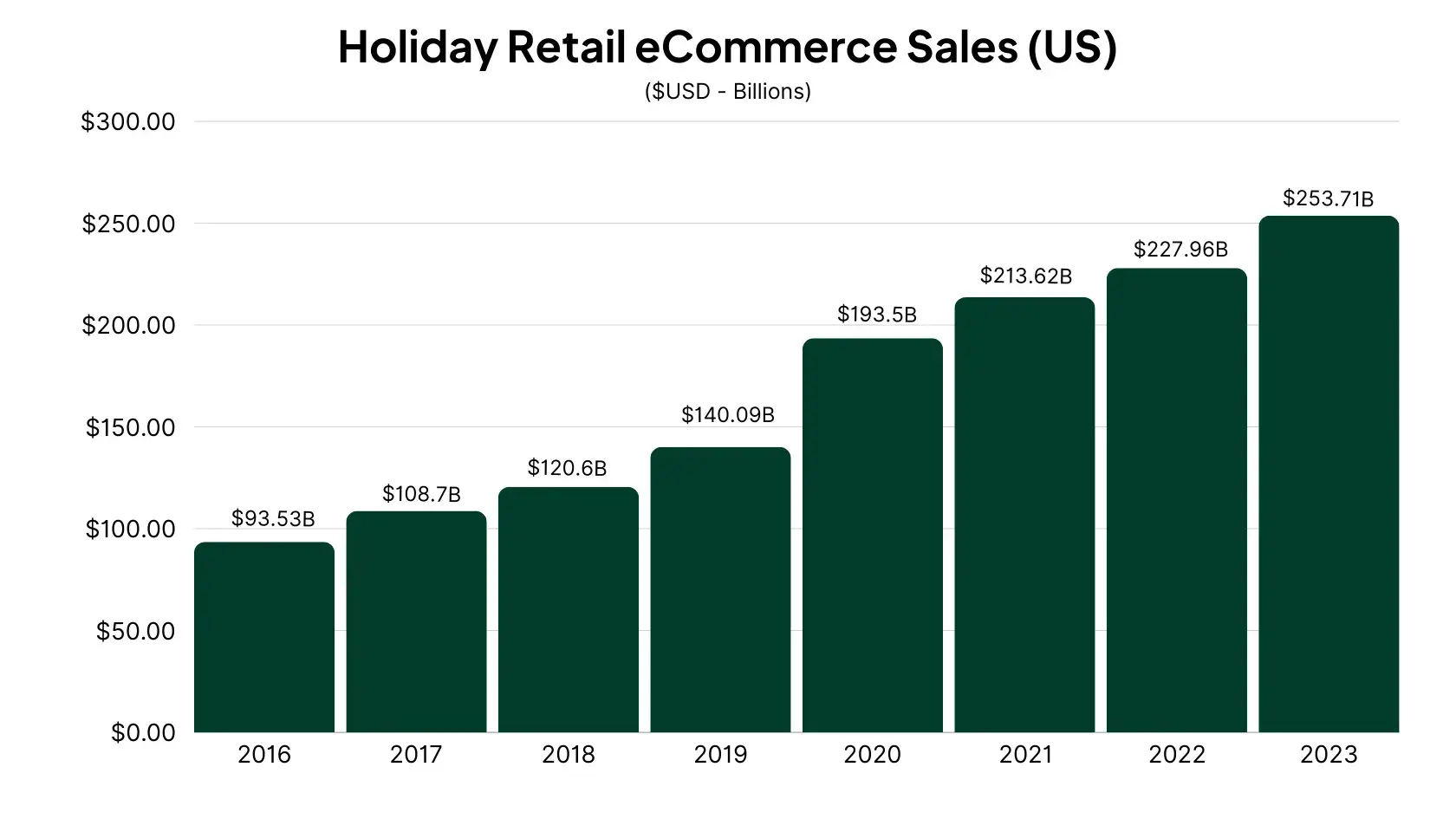
Total retail eCommerce sales over the holiday period added up to $253.71 billion in 2023.
This represents an increase of more than 11%, continuing the steady growth of eCommerce, which has seen total holiday sales more than double since 2018.
50% of Holiday eCommerce Sales Come on Mobile
One of the most interesting holiday shopping trends is the growth of mobile commerce.
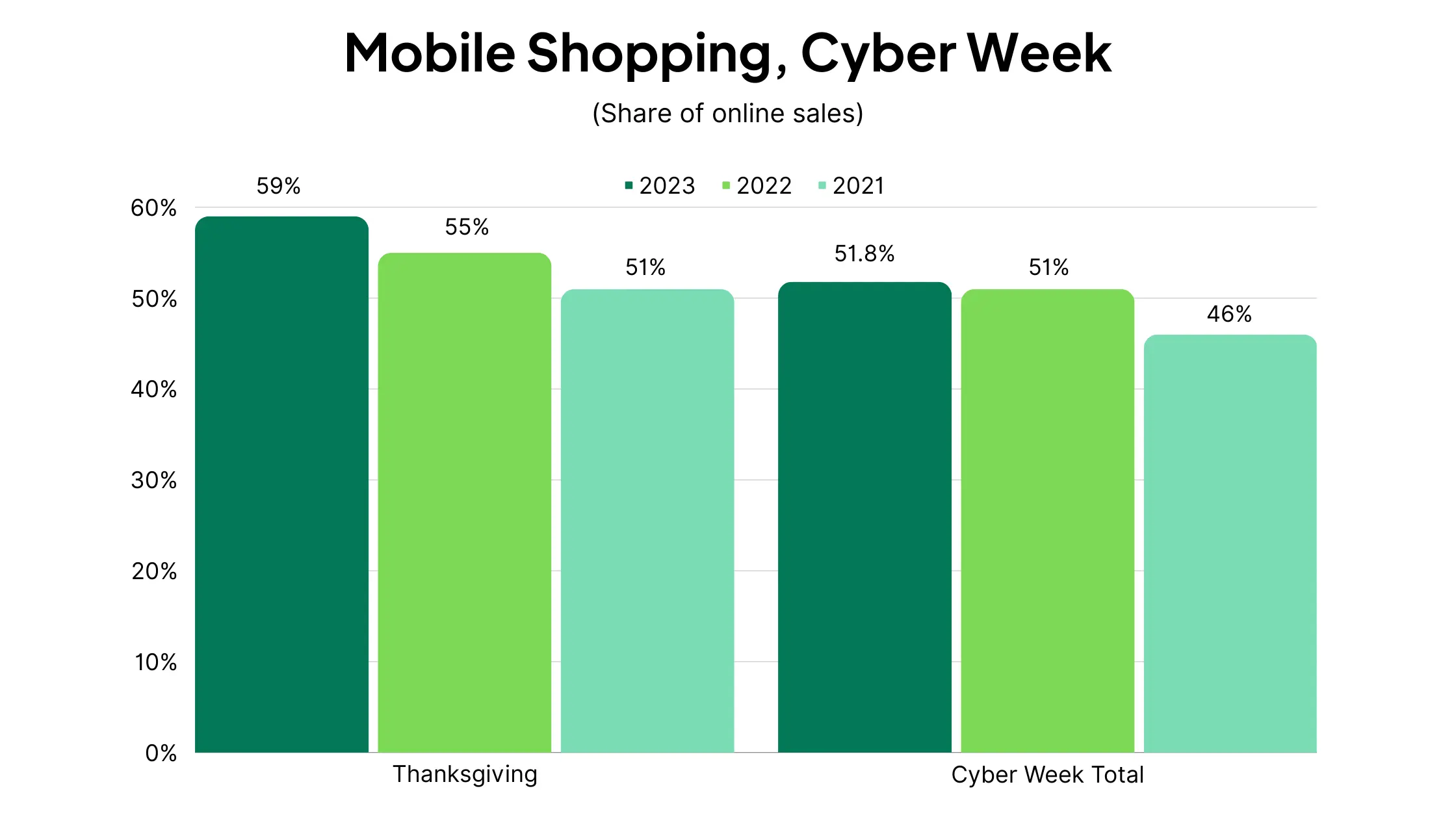
Mobile made up slightly over half of all holiday eCommerce sales in 2023.
This is a notable trend for Cyber Week in particular, where mobile has eclipsed desktop for two years in a row now, reaching as high as a 59% share of sales on Thanksgiving day.
Cyber Monday is the Busiest Online Shopping Day in the US
Cyber Monday has proven to be the busiest day of the year for eCommerce in the US.
Sales in 2023 totaled $12.4 billion – a few billion ahead of Black Friday, to make it the centerpiece of the holiday season as far as online retail goes.
Black Friday and Cyber Monday are Now Global
Already a fixture on the US shopping calendar, Black Friday and Cyber Monday are also huge shopping events in many other markets.
Consumer awareness for Black Friday is over 90% in many major countries (Australia one notable market lagging slightly behind), while Cyber Monday is slowly rising in popularity as well.
Single’s Day – The Next Big Holiday Shopping Event?
One holiday shopping event not yet entrenched on the US shopper’s calendar is Single’s Day (11/11).
Just 17% of consumers in the US are aware of Single’s Day – an event with much higher popularity in markets such as Germany, Poland and Switzerland.
With room to grow, and Cyber Week becoming more competitive, it’s possible we see this become more prominent in the US soon as well.
73% of Shoppers on Major Shopping Days Plan to Buy Gifts
For those who plan to shop on Black Friday, Cyber Monday and/or Single’s Day, the majority plan to shop for gifts.
Among US consumers, 34% plan to buy gifts, 39% plan to make gift purchases and purchases for themselves, while 18% plan to shop only for themselves.
63% of Gift Shoppers Plan to Shop with Online-Only Retailers
A large number of consumers in the US plan to shop for gifts at online-only stores.
63% of shoppers plan to buy gifts from online retailers – ahead of mass merchants (53%), department stores (24%) and Warehouse clubs (24%).
58% Plan to Shop for Clothes, Shoes & Accessories
Clothes, shoes and accessories are the most popular product category with US consumers over the holiday period – 58% of shoppers plan to make a purchase in this category.
Consumer electronics ranks second at 43%, followed by Toys and Games (35%), Childrens’ Clothes/Shoes/Accessories (29%) and Beauty and Perfumes (26%).
Consumers Expect a Minimum of 30% Off
No surprise, Black Friday shoppers expect a big discount.
Shoppers expect at least 30% off in most categories, the most being adults clothes, shoes and accessories, with consumers looking for a minimum of 34% off from promotions.
Store-Wide %-Off Discounts Are Most Popular
Of different promotion types, 60% of people are most attracted to store-wide percentage-off discounts.
58% of shoppers look for high discounts on specific items, while bundle deals (e.g. Buy One Get One) and free shipping promotions come in a little further behind.
72% of Consumers Expect Higher Prices
Though people are still flocking to stores in droves looking for great deals, most of us expect prices to be higher than they were last year.
72% of people anticipate higher prices across the board – just 6% of optimists think prices will be lower.
In terms of category, 86% of consumers expect Food and Beverage products to be more expensive, with Clothing and Accessories and Electronics close behind.
Gift Card Spending Up 38%
Always a safe bet for those who are hard to buy for, shoppers are planning to spend a lot on gift cards this holiday season.
Purchases of gift cards are expected to reach $300 average per person – a rise of 38% on a year ago.
US Shoppers Spend Over $16 Billion Using BNPL During the Holiday Season
Buy Now Pay Later services are becoming a go-to way to avoid missing out on great deals, no matter consumers’ bank balance.
Last year, BNPL facilitated nearly $1 billion in sales on Cyber Monday alone. For the holiday season as a whole, more than $16 billion was spent by US shoppers through payment plan services like Klarna, Afterpay, Affirm and more.
Average Holiday Spending Tops $1,600
The average spend for the holiday season last year was $1,652, around $200 more than the year before.
Of this, over $600 (10% growth YoY) comes from “Experiences” – things like entertainment, restaurants, concert tickets.
$554 (9% growth YoY) comes from gifts, and $466 (25% growth YoY) comes from non-gift purchases.
29% of US Consumers Start Searching for Deals in October
Though the holiday shopping season may not officially start until late November, it starts in our minds a lot sooner.
Over a quarter of US shoppers begin looking for holiday season deals in October, with a further 37% starting their search in November.
This pattern is similar in other major markets, though Australian consumers are a little more likely to leave their product research late.
51% of Holiday Spending Comes in Late November-Early December
As for actual money spent, half of US holiday shoppers open their wallets around Cyber Week.
29% of US holiday shopping spend comes in late November, with a further 22% coming in early December.
There is a significant share of sales coming earlier, however, so there’s definitely some value to be had for brands starting promotional campaigns earlier.
55% of Consumers Research Deals on Amazon
Amazon ranks as the most popular way for consumers to research and find their big holiday purchases.
55% of people research deals on Amazon, making it the go-to resource for consumers.
49% use Google to research deals, 26% on brand websites, and a smaller percentage looking for deals on social media, such as Instagram (14%), Facebook (14%) and TikTok (11%).
More than 80% of US Shoppers Plan to Shop for Gifts on Amazon
Amazon, unsurprisingly, is also the top place consumers look for gifts.
More than 80% of people in the US plan to use Amazon to find gifts, well ahead of the next most common, Walmart (58%) and Target (42%).
Amazon Generated Over $100 Billion in Holiday Sales in 2023
It’s not just talk – Amazon generates a huge chunk of revenue in the holiday season.
The eCommerce giant made more than $100 billion for the holiday season in 2023, nearing half of all eCommerce sales in the US.
This dwarfed other major names, such as Walmart, Apple, Target, eBay and Best Buy, who don’t add up to Amazon’s sales combined.
Shoppers Returned $211.76 Billion in Online Purchases in 2023
Returns are a growing concern for online retailers.
More than $200 billion worth of products bought online were returned in 2023, a large share of those purchases made during the holiday season.
66% of Retailers Charge for Returns
With the rising cost and frequency of returns in eCommerce, many retailers are putting a stop to free returns.
As of March 2023, 66% of online retailers had a charge for shoppers to make a return, which was up from 60% half a year earlier.
87% of Shoppers Will Stop Shopping With a Brand With No Free Returns
Retailers need to weigh up the financial benefit of cutting back on free returns with the impact it will have on their image, and on conversion rate.
87% of shoppers say they’ll no longer shop with a brand if they don’t allow free returns, showing that a certain number of returns may just be the cost of doing business in eCommerce.
Takeaways and Final Thoughts
So what insights can your brand take away from the holiday shopping trends and statistics above?
Here are a few things.
The holiday shopping season is bigger than ever. Despite concerns about rising prices, holiday sales are not slowing down – particularly eCommerce, which is growing at a faster rate.
The mobile shopping experience is crucial. More people are shopping on mobile than desktop, so it’s essential for brands to deliver a great experience for mobile shoppers.
The holiday season is becoming more spread out. It’s not just Black Friday and Cyber Monday; consumers are now in holiday shopping mode for the best part of two months.
Consumers still expect great deals. The holiday season is competitive, people go shopping looking for bargains, and there are more ways for them to research and find great deals with various online channels. You need a strong strategy to stand out from the field.
Mobile apps are a powerful tool for brands come the holiday season. They help you provide a superior mobile shopping experience, and are a way to drive cheap traffic that gives you a competitive edge.
Vendrux is the best way for eCommerce brands to build apps. To learn more about how you can build an app in less than a month, with minimal investment and overhead, check out our website or book a free demo now with one of our eCommerce experts.
Push notifications are a game-changer for eCommerce brands.
Push is the best and most direct channel for:
Promoting offers
Recovering abandoned carts
Automated order & shipping updates
Building deep relationships with customers
…and any other brand to customer communication
At Vendrux, we’ve seen first hand how push can drive more revenue and higher retention for eCommerce businesses.
But like anything else, push notifications are a tool, that can have great or terrible results, depending on how you use them.
You can’t just spam them with no regard for strategy, and expect to get results.
In this article, we’ll share everything you need to know for using push optimally, in a way that brings value to both your business and your customers.
Mastering push notifications could potentially mean millions of dollars in revenue, so take the time to absorb these push notification best practices and think about how to apply them to your own business.
Want to dive even deeper? Check out our complete guide to push notifications for Ecommerce, where we share tips on crafting push notifications that convert, plus real examples from successful brands using push.
Push Notification Tactics 101 – Best Practices to Maximize Return
Though some eCommerce brands stumble into success by sending push notifications without a clear and deliberate strategy, you don’t want to be one of these brands who just “spray and pray”.
Every notification you send should have a purpose for your brand, and deliver value to the customer.
These two pillars inform the rest of the push notification best practices we’ll cover in the rest of this article.
If you follow these tips, every message will count, and you’ll reap the benefits of push fully.
Read on, and this one article will give your eCommerce brands all it needs to crush it with push notifications.
1. Integration with the Funnel
The best eCommerce brands in the world have a deep understanding of the customer journey and map all channels and touchpoints to it – including push.
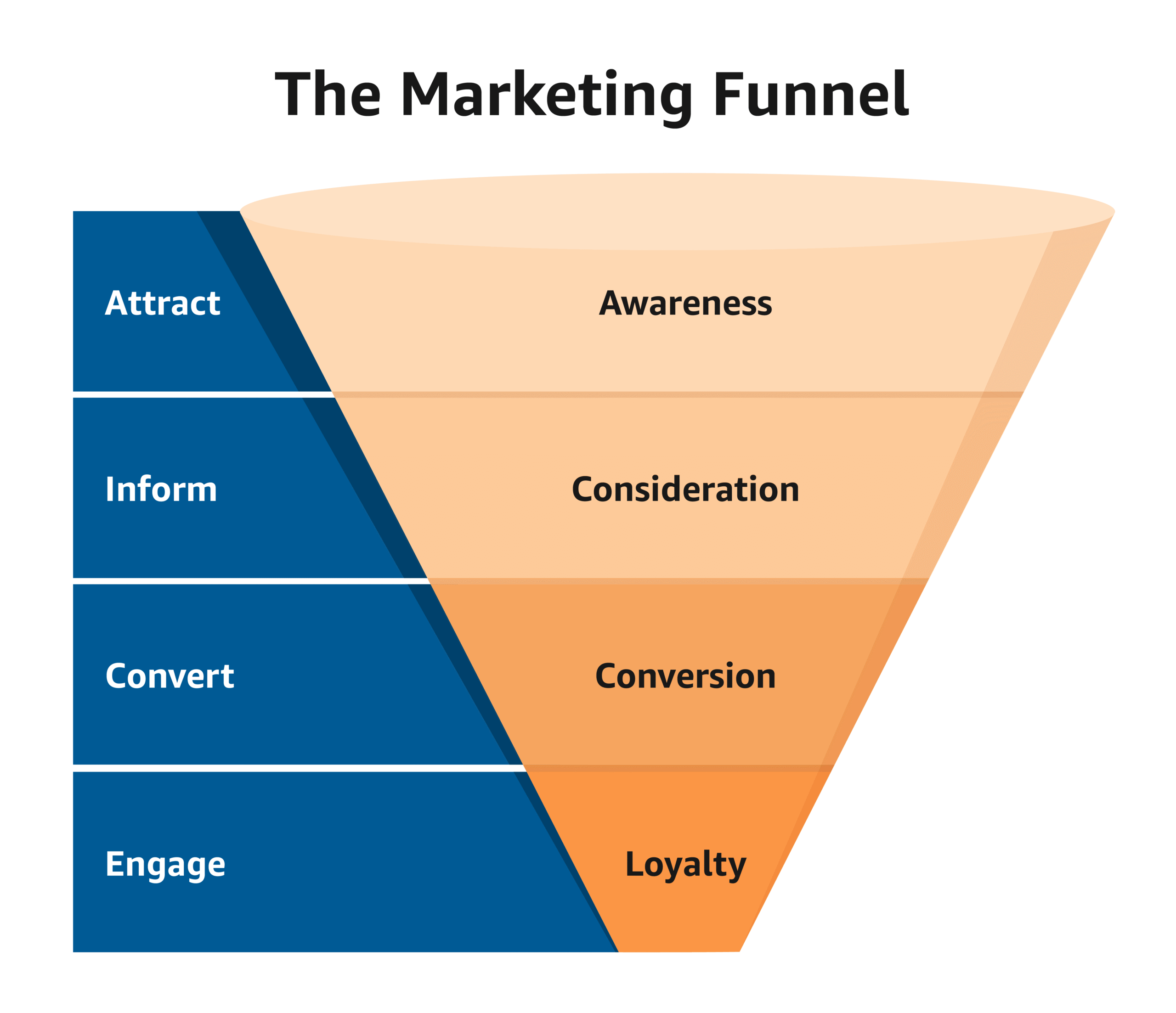
Different types of push notifications make sense at different stages of the journey, and different stages of the funnel:
This is individual, and you need to think about how it will work for your brand.
Here’s an example of how you could set it up:
At this initial stage, push notifications should aim to educate and inform.
Showcase new lines or trending products. Keep messages light and engaging to welcome users to your brand and build that initial connection.
Here, customers are often weighing up their options.
It’s a good time to send push notifications that highlight product benefits, reviews and social proof, and comparisons with other products.
This could also be a good time to promote content from your blog or videos that can influence their decision-making.
Once users are ready to make a purchase, push notifications that include exclusive discounts or limited-time offers can be the decisive factor that nudges them to checkout.
This is the time to hit them with your most powerful messages and conve them.
This is also the time to send abandoned cart notificationsif necessary to close the sale (more on this in the next paragraph).
Retention / Loyalty Stage:
After the purchase, don’t stop there.
You can use push notifications to improve CX here by notifying them about their order and shipping if appropriate. This will encourage repeat purchases by leaving a positive impression.
You can also use push to solicit feedback, offer post-purchase support, and promote cross sells and upsells.
All of this sets you up to encourage repeat purchases and drive up that customer LTV.
2. Use Abandoned Cart Notifications
A super important use case of push notifications is to recover abandoned carts.
This is another great example of mapping notifications to the customer journey.
Unexpected costs like high shipping fees or hidden taxes
Buggy or complex checkout process
Mandatory registration
Slow or inconvenient shipping options
Lack of trust in data or financial security
You should fix these if they’re a problem but you should also set up abandoned cart notifications.
According to PushEngage, these notifications convert at around 8% – so sending them to every single customer with an abandoned cart is a no brainer!
There are a few best practices when it comes to using push to recover abandoned carts.
Timeliness: send a notification reminding customers of their abandoned cart within an hour. A second message can follow if the first is ignored, but don’t spam.
Personalization: each notification can reference the specific items left behind, making the message as relevant as possible – show them what they’re missing out on!
Incentivization: occasionally including a special offer or discount with the abandoned cart notification can boost recovery rates. Only use this if it makes sense.
Feedback Requests: sometimes, a cart is abandoned due to an issue on the site or during the checkout process. If you can’t recover the cart, at least you might be able to find out why it was abandoned and fix the issue.
Automate abandoned cart recovery
Abandoned cart notifications are so important that we built our own dedicated feature for them.
With Vendrux apps most notification types are sent from your dashboard via our OneSignal integration (one of the leading push notification services today).
Our abandoned cart notification feature works differently, through local notifications. Everything happens on the users’ device.
Our systems monitor the in-app carts of your customers continuously.
When we detect pending items, and that the app is closed (in the background), this triggers a timed notification sequence.
The sequence uses CRO best practices and powerful copywriting to bring them back to the cart page within the app and prompt them to take the final step. Simple but powerful.
This is all managed and controlled remotely by our team, but you can customize it too, adding your own branding and copy as you wish.
It’s the best way to send abandoned cart notifications from a mobile app, and the best way to recover abandoned carts in general.
Read more abouthow Vendrux works and how we can supercharge your mobile eCommerce game.
3. Clear and Concise Messaging
With all writing clarity and concision is important but it’s even more important with push notifications.
Think about it. iOS limits characters to around 150, while Android limits them to 450.
There’s no room for fluff for that reason alone.
People also flit around on their mobile devices and lose interest in a fraction of a second – so you need toget your point across instantly. If it’s overly wordy or confusing, your customers will ignore it.
How is this achieved?
The golden rule is to get straight to the point.
Keep the language simple and direct, which not only respects the customer’s time but also makes engagement more likely.
With eCommerce push notifications, every word counts, so choose them carefully to ensure that the core message is front and center.
A compelling call-to-action (CTA)
Part of clarity is telling the customer what they should do, so a strong call-to-action (CTA) is crucial.
The best eCommerce brands use CTAs that are direct and unambiguous, prompting the customer to take immediate action.
Whether it’s a discount, an announcement of a flash sale, an invitation for customers to check out a new product, the CTA is the element that drives conversion.
Try to avoid generic phrases like “Click here,” and instead opt for more action-oriented language such as “Shop Now” or “Grab Your Discount.”
This will improve CTR, and you should test different wording to see which works best.
Consistent tone and voice
Make sure that the tone of the push notifications aligns with your brand’s voice.
Whether the brand is playful, professional, or somewhere in between, maintaining this consistency across all channels, including push, is key.
Use language, phrases, imagery and even emojis that match your brand’s style.
This approach doesn’t just reinforce brand identity – it helps your notifications to stand out in a crowded lockscreen.
4. Optimizing Timing and Frequency
Another important piece of the puzzle is sending push notifications at the right time.
If you send messages at the wrong time – or at the wrong tempo – you’re leaving money on the table.
Ideal Times for Engagement
When setting up your push campaigns, think hard about the ideal days of the week (and time of the day) to send them.
Many of you will have customer bases in the US, but it’s still important to adapt to which timezone they’re in.
The most effective days to send push notifications tend to be Monday and Tuesday.
Ultimately, though, you’ll need to rely on your own data and testing to figure out the optimal timing for your brand.
Optimizing frequency to avoid overwhelming users
Push notification frequency is a delicate balancing act.
Too many notifications can annoy customers and cause opt-outs, but too few might result in missed opportunities for engagement.
More notifications can also increase retention – data shows that retail apps get 2-5x higher retention when sending weekly push notifications, and 3-6x higher retention when sending daily notifications.
We recommend starting with a moderate frequency of promotional notifications (one per day) and monitoring opt-out and engagement rates.
Of course notifications for abandoned carts and personalized updates are sent as and when appropriate.
Getting more advanced – you can allow your customers to set their own optimal frequency.
The bottom line: Experimenting with different frequencies and monitoring customer reactions is an ongoing process. By paying close attention to user feedback and interaction data, you can find a sweet spot that works best for your eCommerce business.
5. Personalization
Personalization can be the difference between an opt out and a welcomed message that is acted upon immediately.
Segmenting your customers
Not all customers are alike.
By segmenting them you can tailor your messages so that they’re more likely to hit the mark.
Here are a few ways you couldsegment them. You’ll have to decide which are appropriate for your own business.
Demographics: age, gender, and location provide a basic starting structure for segmentation
Purchase history: grouping users based on their past purchases can lead to highly relevant recommendations
Behavior: tracking how users interact with your site and apps can help to create segments based on engagement and interests
Customer lifecycle stage: knowing where each customer stands, from a first time buyer to a loyal customer, allows for messages that cater to that stage
Top eCommerce brands use segments like these to create specialized notifications for different groups, such as exclusive deals for my top spenders or a welcome discount for new users.
By doing this, you’ll likely boost engagement rates and reduce the likelihood of opt-outs or ignored messages.
Depending on your setup and tech stack, you can get quite granular.
Leveraging user data to send hyper-relevant notifications
Every interaction a customer has with your site or native app is an opportunity to gather valuable data.
You can leverage this information to make sure your eCommerce push notifications are not just broadcasted messages but relevant prompts that inspire action.
Here’s are a few starting points:
Browsing habits: track what users are looking at and for how long to predict future interests
User preferences: by allowing users to set preferences, I gather data to curate more personalized recommendations.
Search queries: depending on your site or app, you can see what a customer searches for and send notifications promoting relevant items
Wish lists: whatever a customer adds to their wishlist, you can notify them when those items are back in stock, about to sell out, or go on sale
One example that several brands use: a customer frequently checks out a particular category on your site, so you use this data to send notifications about new arrivals or sales within that category.
This direct relevance increases the chances of converting notifications into sales.
There are a few caveats with personalization.
You should avoid over personalization,which can come off as intrusive and even creepy.
You should comply with all relevant regulations, and also give customers full transparency and control on how their data is used.
If you do it right, your customers should welcome personalized messages. That’s because the north star should always be to genuinely help the customer (while also helping your business).
By constantly refining the data you collect and working it into your notification flows, you’ll make sure every message is as impactful as possible.
6. Visual and Interactive Elements
One of the great things about push notifications is the ability to use rich media like images, links, and even audio and video.
Eye-catching graphics and emojis
Many eCommerce brands have found that incorporating high quality images, graphics and emojis can capture a customer’s attention.
The key is to make sure that any images you use are not only attractive but also relevant to the high level message.
A few tips:
Choose high-contrast graphics that pop on various device screens
Use emojis to express emotions or highlight key deals, but don’t overdo it
With eCommerce we all know how important a good image of the product is, so when you’re promoting items and offers – make sure you showthem through push too.
CTA buttons
Interactive elements like buttons or sliders are great for enticing CTAs, and can even allow customers to take important steps without opening the app.
There are a few options to test.
Buttons can be used in push notifications for:
Call-to-Action (CTA) Buttons: directing users to specific actions like “Shop Now,” “View Sale,” or “Add to Cart.”
Quick Responses: offer options like “Save for Later” or “Remind Me,” which are particularly useful for cart abandonment notifications or for items that are back in stock.
Feedback Collection: use buttons like “Like” or “Dislike” for users to quickly provide feedback on the relevance of the product recommendations or notification content.
Navigation Shortcuts: buttons can serve as shortcuts to specific sections of the app or website, like “New Arrivals,” “Wishlist,” or “Order History.”
Your customers want simple, one click options to get stuff done. Push notification buttons give them just that.
Visual elements (icons, images, colors)
The visual “look” of your notifications helps them to be not only seen but also well-received.
A few best practices:
Use brand-consistent icons and images that customers associate with your store
Use a branded color palette that has enough contrast to ensure legibility
Make sure visual elements don’t overshadow the message, but rather augment it
Test multiple designs to see which elements resonate best with your customers.
A/B testing—or split testing—allows you to compare two versions of a message to see which performs better.
Every A/B test should start with a goal for a metric you want to improve, which feeds into a hypothesis of the form “if we change x, then we will get y result”.
Then, it’s a case of:
Drafting two distinct messages: there are different things you can test – headlines, body text, calls to action, and visuals
Testing one segment at a time: to maintain data integrity, test with a specific user segment
Using a significant sample size: make sure the audience size is large enough to yield statistically significant results
Timing it right: timing can affect the outcome, so run both versions concurrently
It’s vital to change only one element at a time to pinpoint what influences the performance.
Ideally you should always have tests running.
Start small, aiming to optimize the low hanging fruit, and in time you can build up to sophisticated testing systems as needed.
Most major push notification platforms will give you solid A/B testing options. For example OneSignal, which we integrate with, gives you a ton of testing tools straight out of the box.
Performance metrics
Alongside testing, the next step is a thorough analysis of performance metrics. Here’s are the key metrics that matter when it comes to push:
Open Rate: tells you how compelling your notifications are at first glance
Click-Through Rate (CTR): a direct measure of immediate interest
Conversion Rate: the all-important % of customers who complete the desired action
Retention: did the users who clicked on a notification continue to engage?
Unsubscribe Rate: high opt-out rates from a message indicate that it could be too pushy or irrelevant
This is an individual choice and possibly a project for one of your analysts or marketing people.
It is important for them to stay organized with spreadsheets and analytics software.
More sophisticated still – many brands export push notification data into their own custom analytics platforms, or use tools like Python and Pandas to analyze the data in a more hands-on manner.
The bottom line: Use data to fine-tune your approach and send notifications that truly resonate with customers and drive results for your business. Each datapoint is a puzzle piece, eventually you’ll put them all together and leverage push to its full potential.
8. Iterative Improvement
This is similar to the previous best practice, but more from the perspective of mindset.
It’s crucial to adapt to customer behavior and feedback.
Customers frequently leave clues, either through direct feedback or interaction with notifications themselves. You should make it a top priority to listen for these patterns and clues.
Over time, you’ll be able to tailor your eCommerce push notifications to align with what makes your customers tick.
A few examples we’ve mentioned previously:
Customizing content for different groups
Adjusting the timing of notifications
Offering incentives tailored to behavior
The key is to think of it as an ongoing process of improvement and iteration.
Think of notifications as a personalized touchpoint for each customer, that over time gets better and better at connecting with them.
Continuous improvement based on analytics
Armed with data, you should adjust tactics and strategy in real-time by tweaking copy, design, and timing.
Performance metrics are not just numbers; they’re insights into user behavior and campaign effectiveness. They can guide the decisions you make for months and years to come
Through a continuous cycle of testing, analysis, and iteration, your strategy will become more refined and your results will improve incrementally.
9. Legal Compliance and Ethical Considerations
Compliance can be a minefield, and you should consult with an expert for your particular circumstance to know where you stand with push.
Staying on the right side of privacy laws is crucial.
For eCommerce businesses, this means complying with regulations such as the General Data Protection Regulation (GDPR) and the California Consumer Privacy Act (CCPA).
Some starting points for solid compliance:
Understand user consent: Before sending notifications, make sure you have explicit consent from your users. This isn’t just a best practice; it’s a legal requirement under GDPR for individuals within the EU, and similar principles apply under CCPA for California residents.
Provide clear information: When asking for consent, be transparent about what data you’re collecting and how it will be used. Users should know what they’re signing up for, and this straightforward approach will benefit your brand’s trustworthiness.
Data protection: Safeguard personal data with robust security measures. Any breach can lead to heavy penalties, especially under GDPR, which can levy fines of up to 4% of annual global turnover or €20 million (whichever is greater).
Respect user rights: Users have the right to access their data and request its deletion. Ensure you have processes in place to promptly honor these requests.
Opt-in/Opt-out
Transparency is essential when it comes to opt-in and opt-out processes for push notifications. Here’s how I ensure clarity and give users control:
Clear opt-in: explain what kind of push notifications they’ll receive and how often
Easy opt-out: Just as users should be able to easily opt-in, the opt-out process must be straightforward
Preferences: offer users the option to customize their push notification experience.
With Vendrux apps, your app users will be able to customize their push preferences.They can explicitly state which notifications they’re interested in, and give you the permissions you need to fire away.
Following these steps for transparent opt-in and opt-out processes not only ensures compliance with privacy laws but also fosters a positive relationship with customers, who appreciate the respect for their privacy and choices.
10. Urgency and Exclusivity
Using copywriting best practices will help your notifications to succeed.
In the frenetic, overloaded world of the customer’s lockscreen two psychological principles that can work well are urgency and exclusivity.
Getting noticed and triggering a quick response can be the difference between a sale and a missed opportunity, so here are some ways to create urgency:
Countdown timers: tell customers they’ve a limited window to act
Flash sales notifications: Announce sales that last for a few hours or a day at most
Last-chance reminders: Send a notification when the offer’s about to end
Crafting these urgent messages is an art form that requires a balance – it’s important not to pressure users to the point where it becomes a turnoff.
Exclusive deals to encourage immediate action
Exclusive deals make customers feel special, like they’re part of an elite group.
This is an excellent technique for spurring action. Here are some examples:
Subscriber-only offers: create special discounts only for app users and promote them with push
Early access to sales: give your push notification subscribers deals before they’re available to the public
Personalized discounts: send tailored offers based on the customer’s shopping history
By blending urgency and exclusivity, you may well see engagement and conversion rates soar.
Remember, the key to successful push notification best practices is to provide value immediately, not just sell products.
Push notifications are one of the top reasons why a mobile app can be a game-changer for eCommerce brands. Check out how much your business could gain by launching an app, with our eCommerce App Revenue Calculator.
Get Started with Push Notifications Today, with Vendrux
So there you have it: ten crucial push notification best practices for eCommerce brands to follow, if they want to see results.
If you’re not using push notifications yet, and need to get set up fast, we can help.
Vendrux converts eCommerce web stores into high-end, conversion-driving eCommerce apps for iOS and Android.
Our apps preserve everything from your existing web store, combining what already works for the web with the best of native app UX.
That means that your existing team (and ours) can take care of the apps, and there’s no need to spend big bucks hiring native app developers or agencies.
Plus, we build the apps for you, completely.
We also handle all ongoing updates and maintenance as part of our full service. The apps will hum along, make you money and grow your brand practically on autopilot.
We’ve built thousands of apps, including for some massive eCommerce brands with Billions in revenue.
Vendrux apps are as good as Amazon’s, but come at a tiny fraction of the price tag and maintenance overhead!
All our apps also include unlimited push notifications, giving you the ability to print money with the most effective communication tool for modern eCommerce brands.
Get started now – speak to a mobile app expert today and we’ll show you how easy it is to build an app and start harnessing the power of push notifications.
The holiday season is the most crucial time of the year for eCommerce stores. Consumers’ spending jumps significantly, and getting your piece of the pie is a great way to generate momentum (and cash flow) going into the new year.
This guide will explain everything brands need to know to utilize push notifications, one of the most efficient and cost-effective communication channels, in their marketing over the holiday season. We’ll run through some general tips and best practices for push notifications, specific strategies to follow during the Christmas period, and then share some specific examples of push notifications to send.
Keep reading to learn how to make this holiday season (and every holiday season to follow) a success for your brand.
Holiday Season Shopping Stats: a Trillion-Dollar Pie for Retailers
It’s not exactly breaking news that people spend more money during the holidays. But just how much?
Nearly one-quarter of Americans spend over $1,000 in the holiday season. 45% spend more than $600.
There’s a lot of money to be had here, each year a bigger share of which goes to eCommerce, with an increasing number of people preferring to shop online than in-person.
And of those people, many are gravitating towards mobile. During Cyber Week 2023, more than half of all online sales came on mobile.
This is a big reason why push notifications should be a core part of your marketing strategy. They’re mobile-friendly, as well as being cheaper and more effective than email and SMS.
The personal, direct nature of push notifications helps you stand out in a day where so many brands are competing for consumers’ attention.
We’re sharing these statistics to impress upon eCommerce brands the importance of getting your holiday marketing strategy right.
Do it right, and you’ll be in line for a big windfall, and momentum you can use to invest in and grow your business in the new year.
Do it wrong, and it could be the beginning of the end for your business, as you fall behind competing brands who nailed the holiday season.
Foundational Principles of Push Notification Marketing
Push notifications can be a huge driver of engagement and revenue for eCommerce brands, if you do them right.
To help, we’ll share everything you need to know about marketing with push notifications. Later in the guide, we’ll look at some specific ways to approach push notification marketing during the holidays, but first some general best practices to follow in regards to push marketing, no matter the time of the year.
Keep your copy concise
You have limited space to work with in a push notification, so make the most of it. You generally have a little as 40 characters to get your message across and convince the user to click through. Practice writing effective micro-copy that fits the medium.
Use clear CTAs
Your push notifications should have a call to action, clearly telling the user what action you want them to take next. This should be clear, specific, and again, concise.
Create a sense of urgency
Once you have the user’s attention, you need to encourage them to act immediately, before their attention strays and they forget about your message.
This is true throughout all forms of marketing, but particularly important for push notifications. If a user is interested, but doesn’t feel a sense of urgency about what you send, they’ll often dismiss the notification, where they’ll most likely forget about what you sent.
Adding something like “act now” to your copy, or better yet, setting a deadline for the user (e.g. “save X% today only”, “this deal ends tomorrow”) will foster this feeling of urgency and result in more clicks/conversions from your notifications.
Create a sense of intrigue
Another important feeling to convey is one of intrigue, or making the user want to know more.
Your goal when sending promotional push notifications is to get the user to click through to your site/app and give you their attention.
Though you might show the user a great offer, which definitely interests them, it’s easy for it to slip their mind and not lead to anything, especially with push notifications, where the bulk of the user’s attention may be elsewhere.
Yet if you stoke their curiosity, you can get them to click through from the notification to learn more, where you’ll be able to capture and hold their attention easier.
It’s working along the same lines as the concept of urgency – you want the user to act now, before other things fill their headspace and push your brand to the side.
You’ll want to find the right balance between conveying enough information to get the user interested, while keeping them wanting more, to where they’re willing to move deeper into your sales funnel.
Send at the right time
Timing is important for push notifications. As we established when discussing the importance of urgency and intrigue, it’s really easy for someone to dismiss a push notification, tell themselves they’ll check back on it later, then forget about it.
For eCommerce brands, you want to send notifications at a time when the user has the free time to browse your store and buy something.
Though the hours of 12-2pm have been shown to have the highest CTR for push notifications, it’s hard to give a one size fits all answer for this. The best time to send push notifications depends on the industry, but can also differ from user to user.
The best way to figure out when to send push notifications is to test. You’ll want to experiment with different timings and find out what seems to work best for your user base.
Personalize your push notifications
One key tip to make your push notifications more effective is to use personalization. Personalization has been shown to lead to as much as four times higher open rates.
Use whatever information you have about your user to send them hyper-relevant, personal, targeted push notifications.
Use their name in the copy (Kate, get 50% off on your next purchase)
Use their location (These products are popular with shoppers in Columbus)
Use purchase history to send targeted product offers (Get this pair of shoes to go with the glasses you just bought)
Of course, you don’t always need to call out personalization in the copy. Using someone’s name is a great way to make an offer feel like it’s personally crafted for that customer, but personalization is just as effective when the user doesn’t know it’s happening.
This can mean segmenting users based on their interests, and sending different offers or messages to each segment.
It could also mean personalizing the timing of your messages. If you have a lot of data to work from, you might be able to segment users into those who respond most to messages at night, and those who respond during the day.
You can get really granular with personalization. The more personalized your push notifications are, the better your results are likely to be.
A/B test and use what works
Ultimately, we can give you a hundred tips and best practices for sending push notifications, but this advice won’t hold true for everyone. The only way to know for sure what works and what doesn’t is to test.
You’ll want to run A/B tests for different variables, such as:
Different types of copy
Different CTAs
Rich content vs plain text
Timing
Different promotional methods (e.g. $ off vs % off vs BOGO)
Find out what works, file away your findings, and stick with what produces the best results.
Push Notification Strategies to Make Your Holiday Marketing Campaigns a Roaring Success
The holidays are a great time to run promotions and market to your customers via push notifications. Unfortunately, every other brand is doing the same, creating a lot of competition for your customers’ attention (and their money!)
Here are some tips to help you get better results during the holiday season from your push notification campaigns.
Lean into the holiday spirit
First, take advantage of the excitement surrounding the holidays, and really lean into the Christmas/holiday spirit.
Sprinkle ho ho hos, Christmas-themed emojis and images that conjure the holiday spirit throughout your marketing campaigns and push notifications.
The holidays come with a lot of positive emotions, and tapping into this emotion with your customers will result in a lot more engagement.
Use past data to understand what works
The best way to know how to shape your holiday marketing campaigns is to look back on past years.
If it’s not your brand’s first holiday season, you should have insights as to what worked and what didn’t in years past.
Replicate approaches that worked well, and steer away from approaches that didn’t produce results.
Create specific segments for holiday shopping
During the holidays, a lot of your customers aren’t necessarily shopping for themselves; they may be shopping for gifts for others.
With that in mind, you might want to switch up your personalization for the holiday season. Instead of segmenting users based on all their past purchases, try looking back on what people purchased during the holidays in previous years.
It could happen that you have a treasure trove of data on what your customers generally buy as gifts, allowing you to serve hyper-targeted product recommendations.
When to start your holiday marketing campaigns
There’s a lot of debate over when the ideal time is to start marketing for the holiday season.
Some brands start as soon as Black Friday-Cyber Monday is over. Yet some start earlier, keeping in mind that many consumers do their holiday shopping earlier, often taking advantage of Cyber Week sales.
You can generally feel comfortable starting any time from the start of November onwards.
Don’t leave it too late; if you only start marketing for the holidays in the middle of December, a lot of people will have already done all their holiday shopping.
However, you don’t want to use that as a reason to stop your holiday marketing campaigns early. There are still a lot of people out there who leave it to the last minute and don’t finish their holiday gift shopping until a few days before Christmas.
This is a great opportunity for brands to send a “last minute gift ideas” push notification deep into December to capture a revenue boost from these shoppers.
Use the holidays to deepen customer relationships and brand loyalty
Don’t see the holiday shopping season as just a money grab. It can be an opportunity to build brand loyalty and cultivate deeper customer relationships, which pay off big in the long run.
This could mean offering your customers a great deal in which you make little to no profit, or a free gift with no strings attached.
It could simply mean sending a push notification to wish your customers a happy holiday season and a prosperous new year.
Cut down on non-promotional notifications
Though you may send a last-minute “happy holidays” notification, in general, if you regularly send non-promotional push notifications (e.g. sharing educational content), you might want to slow or pause these notifications during the holidays.
Most brands will want to send a lot of promotional notifications during the holidays. If you send these, along with your regular, non-promotional notifications, your users can easily get overloaded.
This could lead to negative effects, such as your push notifications getting ignored, or users disabling push notifications altogether.
Finding the sweet spot where you message your customers regularly, but not too much, is important. Save space on your push notification schedule for campaigns with a high return during this time.
Utilize abandoned cart notifications
Abandoned cart notifications are super effective, and a must-use no matter the season. But it’s particularly important to run abandoned cart campaigns during the holidays.
On average, 70% of eCommerce shopping carts are left abandoned, without the user finishing their purchase.
You’ll likely have more traffic during the holidays, which means a higher total number of abandoned carts to try and reclaim.
Realistically, you may actually have a higher abandonment rate during the holidays, as shoppers deal with more distractions and competition for attention is at a premium.
Automated abandoned cart notifications are simple to set up, and can net you a big increase in revenue that would otherwise be lost.
Run non-discount promotions to stand out
Typically, your default marketing strategy during the holidays will likely be to promote discount promotions to your audience.
This is not a bad way to go – a discount is an attractive, dependable incentive to boost sales.
But if you want to stand out, consider doing something different. Aampe found that 81% of eCommerce push notifications contain a discount.
During the holidays, 95% of eCommerce push notifications contain a discount.
If you’re offering a discount, you’re going to blend in with the competition. If you can raise the curiosity of your customers with something else – such as a free gift, giveaway, bundle, product recommendations or gifting guides – you could be able to stand out from the crowd.
Send product recommendations
As just mentioned, product recommendations can be one way to do push notifications a little differently to other retailers. It can also be a really powerful way to provide value to your customers, and give them something they want more than just a discount.
For some, money isn’t as much of a concern during the holiday season as the stress of wondering what to get for their loved ones.
This presents a big pain point that you can solve. If you can recommend the perfect gift, you save a lot of work and a lot of stress for the customer, and will likely close the sale – potentially even at full price.
This is not just a hypothesis – push notifications work. Aampe studied 1.2 million messages, sent to 800,000 users, and found that messages with product recommendations drove 300% as many clicks and 289% more checkout events.
A report by Salesforce found that product recommendations drove 7% of visits to eCommerce sites, but drove 24% of orders and 26% of revenue.
Combining product recommendations with personalization, as we discussed earlier, can be the backbone for a holiday marketing campaign that takes your revenue to a whole new level.
21 Push Notification Examples for the Holiday Season
If you’re looking for inspiration for how to send push notifications to your customers during the holiday season, here are 21 examples for you to work with.
Discount
The most straightforward way to run a promotion during the holidays is to offer a discount to your customers – and push notifications are the ideal medium to let your loyal shoppers know about it.
Free shipping
If you want to offer something a little different, run a free shipping promotion. The idea of free shipping just hits different, even if it’s the same or less value than a straight up monetary discount.
BOGO
Another promotion idea is a Buy One, Get One (BOGO) promotion. These promotions are super effective for consumable products, as they can easily lead to repeat purchases and an increase in customer lifetime value (CLV).
Abandoned cart
There’s no question, you should be sending abandoned cart push notifications over the holidays. Just set up your automation, let it run passively, and you can easily recover 10-15% of orders that would otherwise have been lost.
Flash sale
Flash sales are great because they automatically create a sense of urgency, encouraging the customer to act immediately, before the deal expires. Push notifications are particularly well-suited for flash sales, as they’re generally seen by the customer right away, allowing you to run very quick sales (as little as a few hours) and maximize urgency.
Deal of the week
A deal of the week promotion is another way to stimulate urgency and scarcity (deal of the day works great too). The best part is that you can personalize this for different customer segments, showing hyper-targeted deals to each customer.
Bundle offer
Bundles are a tried and tested way to increase average order value. You can offer customers extra value if they buy several products together, or just cross-sell complementary products can capture more revenue from each buyer.
Giveaway/contest
Giveaways and contests tend to deliver an excellent ROI, as well as generating a sense of excitement and boosting visibility for your brand. You can enter all customers in the draw to win a prize, run a “spin to win” type of contest, or get creative. This is an excellent idea if you want to stand out from all the competition who just offer a straight discount.
Free gift
A free gift during the holidays is the perfect token of appreciation for your best, most loyal customers. It could be a gift with purchase (make any purchase and you give them something for free), or even a gift with no strings attached, just to say thanks.
Holiday gift guide
The one thing many of us want more than a discount during the holiday season is inspiration for what to buy for our loved ones. A gift guide, offering different ideas for different members of the family, costs basically nothing to create, yet delivers a ton of value. You could also sweeten it with promotions for your top gift ideas.
Personalized gift recommendations
If you’ve got the data, you can get personal with your gift recommendations. If you know that certain customers are likely to be shopping for their parents, brother, sister, spouse or kids, you can make their life a lot easier, and close the sale as a result.
Gifts under $X
Another great idea to get more specific with gift ideas is to recommend products under a certain amount, helping your customers stick within their desired budget.
Stocking stuffers
Stocking stuffers are a perfect opportunity to up-sell and increase revenue with small, cheap, quirky products that are a good fit for the family’s xmas stockings.
Gift ideas for ____
Create gift guides targeted at different individuals – “Gift Ideas for Dad”, “Gift Ideas for Mom”, “Outdoorsy Gift Ideas”, “Gift Ideas for Sport Lovers”. Pair this with personalization for amazing results.
Gift cards
For the people who are impossible to buy for, there are always gift cards. If you offer gift cards, send a push notification to your users reminding them about this as a great fallback if they can’t decide on the perfect gift idea.
Last minute gift ideas
A “last minute gift ideas” notification is a great way to capture revenue from those who leave their holiday shopping late. These people are likely to be scrambling to find something for their loved ones before it’s too late, making them more likely to take you up on your suggestions.
Last minute promotion
You can also run last minute promotions, and let money do the talking for those who are still shopping for gifts and want to keep their Christmas shopping on-budget.
Stock alert
Use stock levels to your advantage, by creating an air of scarcity that encourages people to act fast. This could be a notification that certain products are running low on stock, pushing customers to buy before there’s none left, or a notification that products are back in stock, with the implication that stocks will only last for a limited time.
Christmas delivery schedule/holiday countdown
One of the biggest anxieties facing those who do their holiday shopping online is whether or not their gifts will arrive in time. Send a push notification telling customers that there’s still time to order a product and get it in time for Christmas, and use this urgency to drive sales.
Shipping & delivery notification
Once someone’s made a purchase, they’ll still feel that anxiety over whether it’s going to arrive in time, up until the parcel lands on their doorstep. Put your customers at ease (and reduce the chance of people getting worried and canceling their order) by providing updates on the delivery status.
Thank you/happy holidays
Finally, this push notification requires little effort, no discounts, no free gifts or giveaways. Just a notification to say thank you to your customers and wish them a happy holidays.
Mobile vs Web: How to Unlock the Full Power of Push Notifications
There are different ways to send push notifications. You can send push notifications on desktop via web browsers, on mobile via web browsers, or send mobile push notifications through your mobile app.
There’s no question, mobile apps give you the best use and full power of push notifications.
Mobile is the ideal platform for push notifications, allowing you to reach your customers at any time, wherever they are.
More than half of all Black Friday-Cyber Monday online sales in 2023 came on mobile, proving that mobile is becoming most peoples’ favorite way to shop.
Apps allow you to reach all users on all devices (some browsers/operating systems don’t support mobile web push notifications).
Apps give you more options for personalization and segmentation.
If your brand has an app, you’ll want to send your push notifications from the app.
If you don’t have an app yet, check out Vendrux. Vendrux lets you convert your eCommerce store into an app for a minimal investment in time and money, with no technical expertise required.
Our team handles everything for you, fully converting your website to native apps, complete with all your existing apps, integrations, plugins and features.
It’s fully synced with your web store, and requires little to no upkeep and maintenance from you, letting you benefit from an app store presence, plus the full power of push notifications, without major changes to your workflow.
If you want to level up your mobile revenue and build a retention machine, get started with a free preview of our app, or get in touch with us now and talk to one of our experts about how Vendrux can help.
Headless ecommerce platforms provide the backend commerce engine (products, inventory, pricing, checkout, orders) while leaving the frontend entirely up to you.
It’s a modern, and (arguably) more flexible way to build an online store; instead of being locked into a theme or template system, you build whatever storefront you want and connect it to the backend via APIs.
The platforms on this list range from traditional ecommerce platforms that now offer headless capabilities to purpose-built headless-first systems designed around APIs from the ground up.
Some are best for mid-market DTC brands; others are built for enterprise-scale operations with complex requirements.
Maybe you’re thinking of going headless. Perhaps you’ve made the decision already, you’re just looking for the right platform.
It makes sense to take your time and do your research – after all, this is the foundation of your digital storefront we’re talking about.
We work with numerous ecommerce brands, of various scales, operating on headless platforms. With that as a starting point, plus extensive research into the landscape, we gathered a list of contenders and assessed each platform on:
Headless architecture quality: API depth, frontend flexibility, developer experience
Ease of adoption: How much development work is required to go headless
Ecosystem: App/integration availability, developer community, third-party support
Pricing transparency: Whether you can evaluate cost without a sales call
Scale fit: Which business size and complexity level the platform serves best
You’ll want to do your own research in parallel, of course, but this should give you a good starting point for picking the right platform for your brand.
Now let’s dive deeper.
1. Shopify Plus (Hydrogen/Oxygen)
Best for: Shopify merchants who want full frontend control without leaving the Shopify ecosystem
Shopify’s headless offering is built around Hydrogen (a React-based storefront framework) and Oxygen (Shopify’s global hosting for Hydrogen apps). Shopify Plus itself is not exclusively a headless platform; but it offers the option to go headless.
If you’re already on Shopify Plus, going headless doesn’t mean migrating to a new platform. It means replacing your Liquid theme with a custom React frontend while keeping Shopify’s backend running your commerce operations.
The Storefront API (GraphQL) provides access to products, collections, carts, and customer data. Checkout is managed by Shopify’s hosted checkout, which has been expanded through checkout extensibility to allow more customization than before.
The developer ecosystem is Shopify’s biggest advantage here. Finding React developers who can work with Hydrogen is easier than finding specialists for most other headless platforms. Shopify’s documentation, starter templates, and community support are strong.
Commercetools is headless-first. There’s no built-in frontend, no theme editor, no “standard” way to build a storefront. Everything is accessed through APIs, and the platform is designed to be one component in a larger composable architecture.
This makes it extremely flexible but also more complex to implement than platforms like Shopify or BigCommerce. You’ll need experienced developers (or a systems integrator) to build the frontend, integrate a CMS, set up search, and configure the rest of the stack.
Where Commercetools shines is backend flexibility. Custom data models, complex pricing logic (multi-currency, B2B tiered pricing, market-specific rules), and multi-tenant architectures are natively supported.
It’s a MACH Alliance certified platform built for the kind of complexity that enterprise brands deal with.
The 60-day free trial lets you evaluate the platform before committing to a custom quote.
Key strength: The deepest backend flexibility for enterprise-scale composable architectures.
3. BigCommerce
Best for: Mid-market brands that want headless flexibility with more out-of-the-box functionality than a headless-first platform
BigCommerce’s headless approach lets you use the platform’s backend (products, checkout, orders) with any frontend framework. They support Next.js, Nuxt.js, and Gatsby.js with official starter kits, and integrate with headless CMS platforms like WordPress, Contentful, and Prismic.
The advantage over a pure headless-first platform like Commercetools is that BigCommerce gives you more out of the box:
A capable product management system
Built-in checkout
Native features (multi-storefront, multi-currency, complex catalog support) that would need custom development on a headless-first platform.
The advantage over standard BigCommerce is full frontend control. If your brand has outgrown BigCommerce’s built-in themes but doesn’t want to migrate off the platform, headless is the middle path.
API support is extensive, covering catalog, cart, checkout, customer, and order management. The developer community is smaller than Shopify’s but active, and BigCommerce’s support team is well-regarded in reviews.
Pricing: Enterprise plans are custom-quoted. Standard plans with API access start at $29/month, though headless implementations typically require Enterprise.
Key strength: A balanced blend of headless flexibility and built-in commerce features.
4. Adobe Commerce (Magento)
Best for: Large enterprises that need deep customization and are already in the Adobe ecosystem
Adobe Commerce (formerly Magento) has been a major ecommerce platform for over a decade, and its headless capabilities have expanded significantly. The platform offers GraphQL APIs for storefront data, PWA Studio for progressive web app development, and integration with Adobe Experience Manager for enterprise-grade content management.
The customization depth is Adobe Commerce’s core strength. With access to the full codebase (especially on the open-source Magento version), developers can modify virtually anything.
This same depth is its challenge: implementations are complex, expensive, and typically require specialized Magento developers or a certified agency.
Adobe Commerce headless makes the most sense for brands already invested in the Adobe ecosystem (Experience Manager, Analytics, Target) where the platform integrations add compounding value.
Pricing: Adobe Commerce Cloud pricing is custom-quoted and typically starts well into six figures annually. The open-source Magento version is free but requires self-hosting and significant development investment.
Key strength: Unmatched customization depth for enterprise brands in the Adobe ecosystem.
5. Salesforce Commerce Cloud
Best for: Enterprise organizations already embedded in the Salesforce ecosystem
Salesforce Commerce Cloud (formerly Demandware for B2C, CloudCraze for B2B) is the natural headless option for businesses running Salesforce CRM, Marketing Cloud, and Service Cloud.
The native integration between commerce and CRM data is its defining advantage: customer purchase history, service interactions, and marketing engagement all inform the commerce experience.
The platform comes with comprehensive APIs and supports flexible frontend framework selection. Commerce Cloud’s B2C and B2B capabilities are both strong, making it a fit for brands selling to both consumers and businesses.
The pricing model is revenue-based (a percentage of gross merchandise value), which aligns cost with performance but can become expensive at scale. Implementation typically requires Salesforce-certified partners.
Pricing: Revenue-based pricing (historically ~1-3% of GMV for B2C). Contact for current pricing.
Key strength: Native CRM integration for brands already in the Salesforce ecosystem.
6. Fabric
Best for: Brands looking for a modular, API-first commerce platform that covers the full customer journey
Fabric positions itself as a modular commerce platform covering everything from merchandising to fulfillment. Its API-first architecture is designed for both B2B and B2C implementations, with a focus on reducing the development overhead typically associated with headless builds.
The platform includes modules for product information management (PIM), offers and promotions, orders, and inventory, all accessible via APIs. Fabric’s pitch is that you get the flexibility of headless with less complexity than assembling a fully composable stack from independent vendors.
It’s a newer entrant compared to Shopify or Adobe Commerce, so the ecosystem is smaller. But for brands that want a single vendor covering the commerce backend modularly (without the weight of a legacy platform), Fabric is worth evaluating.
Pricing: Custom pricing (demo required).
Key strength: Modular API-first platform that covers more of the commerce backend than most headless-first options.
7. Spryker
Best for: Enterprise B2B and B2C brands with complex, multi-channel commerce requirements
Spryker’s fully composable architecture comes with over 900 API endpoints (built on its GLUE API layer), giving developers extensive access to every part of the commerce system.
The platform supports B2B, B2C, and marketplace models, making it one of the more versatile enterprise options.
Spryker is fairly popular in European enterprise markets and is particularly strong for brands with complex B2B workflows (custom pricing, quote management, approval flows) alongside consumer-facing commerce.
The platform requires significant development investment to implement, and the ecosystem is more specialized than Shopify’s or BigCommerce’s. It’s an enterprise tool designed for enterprise teams.
Pricing: Enterprise pricing (contact required).
Key strength: B2B + B2C versatility with deep API coverage for complex enterprise requirements.
8. Medusa
Best for: Developer teams that want a fully open-source, customizable headless commerce engine
Medusa is an open-source headless commerce platform built on Node.js. It’s designed for developers who want full control over every aspect of the commerce backend without vendor lock-in or licensing fees.
The platform provides APIs for products, orders, customers, carts, and payments out of the box, with an extensible plugin architecture for adding functionality. It’s particularly appealing for brands with strong in-house development teams that want to own their commerce infrastructure entirely.
The tradeoff is that you’re responsible for hosting, scaling, maintenance, and building everything that proprietary platforms include by default. There’s no managed checkout, no built-in payment processing, no customer support team to call when something breaks.
Pricing: Free and open-source. Costs are infrastructure and development.
Key strength: Full ownership of the commerce backend with no licensing fees.
9. Saleor
Best for: Brands that want an open-source, GraphQL-native headless commerce platform
Saleor is another open-source headless option, distinguished by its GraphQL-native architecture. Every interaction with the platform goes through GraphQL (not REST), which aligns well with modern frontend frameworks that use GraphQL natively.
Saleor includes a dashboard for product and order management and offers Saleor Cloud as a managed hosting option for teams that don’t want to handle infrastructure themselves. The platform supports multi-channel, multi-warehouse, and multi-currency out of the box.
Like Medusa, Saleor requires a development team to implement. The open-source version is free; the cloud-hosted version is priced based on usage.
Pricing: Open-source version is free. Saleor Cloud pricing is usage-based.
Key strength: GraphQL-native architecture with the option of managed cloud hosting.
10. Centra
Best for: Fashion and luxury brands with multi-market requirements
Centra is a headless commerce platform built specifically for fashion and lifestyle brands. Its core strengths are multi-language, multi-currency, and multi-region support without the plugin complexity that most general-purpose platforms require for international selling.
The API-first approach gives developers full frontend flexibility while the backend handles the complexities of international fashion commerce: wholesale (B2B) alongside DTC, complex size/variant matrices, and market-specific pricing.
Pricing: Custom pricing (demo required).
How to Choose the Right Headless Ecommerce Platform
The decision usually comes down to three questions:
Are you already on a platform? If you’re on Shopify Plus, going headless with Hydrogen is the simplest path. If you’re on BigCommerce, Adobe Commerce, or Salesforce, their headless capabilities keep you in your existing ecosystem. Migrating platforms AND going headless at the same time doubles the project scope.
How complex is your commerce operation? Simple DTC catalog on Shopify? Hydrogen or even a well-optimized standard theme might be enough. Multi-brand, multi-market, B2B+B2C? You’re looking at Commercetools, Spryker, or Salesforce Commerce Cloud.
What’s your team’s technical capacity? Headless-first platforms (Commercetools, Medusa, Saleor) require strong development teams. Platforms with headless options (Shopify, BigCommerce) offer a gentler on-ramp because you can lean on the platform’s built-in capabilities while building out the frontend.
—
Ultimately, we can’t tell you what the best headless platform is. It’s down to what offers the best fit for you, business-wise.
But this should give you a good idea of the options, and a solid foundation to zero in on the top contenders to evaluate in more detail.
Headless Site to Mobile Apps
One thing to keep in mind as you search for the right headless commerce platform: how you’re going to extend your storefront to mobile apps.
A common misconception about headless is that it makes it simple to launch both a web storefront and an app.
Technically, yes, it’s easier than with rigid, packaged platforms. But it still requires a lot of custom development (from developers with different skillsets from your web team), and a lot of complexity and moving parts.
Or you can use Vendrux.
Vendrux works with any headless platform on this list. It takes the web storefront you’ve built (regardless of which backend powers it) and delivers it as a native mobile app with push notifications, deep linking, App Store distribution and a home screen icon.
It’s just an easier, more efficient way to build a mobile app for your headless site, compared to building and managing a separate frontend in React Native/Flutter/Swift/Kotlin.
For a detailed look at how mobile apps work with headless architecture, see our guide to headless commerce mobile apps.
Ready to see your headless storefront as a native app? Want to discuss how the platforms you’re looking at fit with apps? Book a free strategy call and talk it over with our mobile app experts.
GDPR stands for the General Data Protection Regulation.
The GDPR will be enforceable from the 25th of May 2018. It is designed to protect user data storage and usage, and to ensure that the user is in control of their data, rather than companies being in charge of user data.
Key GDPR Definitions
To help you understand the GDPR for apps, there are a few key definitions that we will refer to throughout this article.
Data Controller: A Data Controller is the entity that determines the purposes for and means of collecting and processing personal data. If you own a website or mobile app, and you’re deciding what is collected, how it is collected, and for what purpose, you are a Data Controller.
Data Processor: A Data Processor is an organization that processes personal data on behalf of a data controller. For example, third-party services that plug into your website or app, such as Analytics (Google Analytics, KISSMetrics), Cloud Services (AWS), that access or host your customer data.
Data subject: a natural person whose data is processed. For example, an app user or a website visitor.
For a full list of GDPR definitions, you can read the Article 4 of the regulation.
Does the GDPR affect me?
Most likely, yes!
The GDPR applies to all businesses with customers, or website/mobile app visitors who are from the European Union (EU). This means that any organization in the world that works with EU residents’ personal data in any manner has obligations to protect their users’ data and be GDPR compliant.
What does “Personal Data” refer to under the GDPR?
“Personal Data” under the GDPR includes any information relating to an identifiable person who can be directly or indirectly identified in particular by reference to an identifier.
The scope of this is broad, and includes anything from personal information, to a cookie placed on someone’s browser by an analytics tracking tool you might use to track your website usage.
For your website or apps, this means you have to be considering how you collect and store personal identifying details such as names and email addresses, but also consider things such as users’ IP addresses and device IDs (unique IDs that devices share with external SDKs for ads and analytics).
What does the GDPR mean for your mobile app?
The fines for not being GDPR compliant are high – either 4% of annual global turnover or €20 million (whichever is greater!).
With GDPR compliance becoming a requirement for every business with either customers or website visitors, or app users in the EU, you’re probably concerned about whether or not your mobile app is GDPR compliant.
As a mobile app publisher, you will need to understand how you obtain, transfer, store, and handle your user data. You should take some time to understand exactly how you currently ensure data security for your users, and what you can do to improve this in order to have a GDPR compliant mobile app.
Cennydd Bowles sums up why you should be compliant, even if it may be a lot of work initially:
“You may end up with less rich customer insights than you had before. Some KPIs may slump. But for companies that have direct customer relationships, it’s all manageable, and on the upside you not only reduce your compliance risk but benefit from the increased trust your customers will show in you and the online world in general.”
There are some key highlights that are relevant to your mobile app and business in general that will help you ensure GDPR compliance. Scroll down to find the 9 things you should consider in order to have a GDPR compliant mobile app.
1. Privacy by Design
Privacy by Design is now a legal requirement under the GDPR. From the moment you start creating your mobile app, you should be considering your users’ privacy.
According to GDPR Article 23, your app must only hold and process user data that is absolutely necessary.
This means that when you’re developing your mobile app, or having a third party develop it, you need to consider data protection and user privacy.
Privacy by Design is not a new concept and pertains to thinking of your users data privacy in your app, website, or software from the very start, rather than leaving it as an afterthought. The idea of privacy by design includes deciding what data you need, and what data you don’t.
In Brian Pagan’s overview to designing apps with privacy in mind, he asks if you really need a users name AND date of birth. In many cases, just one of these fields is enough. He writes:“the risk of someone opening a credit card in my name far outweighs the benefit of getting that “happy birthday” spam marketing e-mail from your company.”
It’s worth considering all options when designing and building your mobile app.
As well as being a legal requirement, your app users will appreciate the extra privacy considerations you have in place for their benefit!
Our Recommendation:
Think about your user data from the very start, and don’t let it be an afterthought.
If pages from your website are loading within your mobile app (e.g. a contact form), consider the data collection happening on the website when reviewing your app.
You should be thinking about Privacy By Design when you’re creating new features, or creating a new page on your app in order to remain GDPR compliant.
As well as this, you should encrypt personal data with strong encryption algorithms. This will help you minimise the impact of a data breach.
2. Ask for Explicit Consent
Under the GDPR, businesses must request and receive user consent in order to collect, use, and move personal data.
This includes data collected for advertising, analytics, crash logging or anything else. The opt-in must be understandable and clear. You won’t be able to get away with confusing Terms and Conditions that no one is likely to read or fully understand.
Explicit Consent can be granted easily through an opt-in screen when your app launches. Your app users chose to download your app in the first place, so the likelihood is, most people will be happy to grant consent in order to use your app and receive further communications from your business, provided the recipient can see a benefit.
Your users must also be able to withdraw consent as easily as they are able to give it. You may need to update your Privacy Policy to address this, and add another page on your website where users can opt-out.
Our Recommendation:
When someone registers on your mobile app, they should be asked to opt-in to have their data collected, or to receive communications, such as emails or Push Notifications.We highly recommend showing a consent screen on app launch, as this is the only way to be fully GDPR compliant. You should also notify users on these screens exactly where their data will be used. For example, will they be tracked in Google Analytics, or have data sent to Google Admob to show them relevant ads? Your users need to know, and it’s your obligation to inform them as soon as they begin using your GDPR compliant mobile app!
As well as this, your GDPR compliant mobile app should have a dedicated page where users can opt out of communications from you, or ask for their data to be removed from them.
Vendrux provides mobile apps with a Push Notification settings page, which helps at least for what concerns your app’s notifications.
3. Providing Visibility and Transparency
One of the most important aspects of GDPR is how the data you collect is actually used. If you are a data controller, you need to be aware of how your users can effectively manage, and protect their user data.
Proving visibility and transparency through a clear, and understandable Privacy Policy not only benefits the users of your mobile app, but it’s a requirement from the App Stores. Google will remove your app if they can’t find a Privacy Policy on your Play Store’s profile page and accessible inside your app.
You should also provide information to your users over which third parties you are using to collect or process user data.
For example, if your app connects to external services such as user analytics solutions (e.g. Google Analytics, Fabric), advertising providers (e.g. Admob, MoPub), or push notification providers (e.g. Firebase, OneSignal), you should disclose this to users clearly in your Privacy Policy.
You should also make sure that all third-party providers which collect any user data are GDPR compliant. They’ll be “data processors”, while you remain the “data controller”. As such you should have written agreements in place which meet the level of assurances in terms of data protection and security which GDPR requires. For some of them, you’ll be able to sign data processing agreements which add the required wording to the existing terms of your agreement.
Our Recommendation:
Create or update your app’s Privacy Policy page for your mobile app. You may choose to have a Sidebar or Menu item that links to the legal terms of your mobile app.
This will enable users to easily find, read, and understand how your mobile app is using their data.
If you’ve built your app based on your website’s content and you’re using Vendrux, this is very simple and can be done by adding a link to your app’s menu from the Menu Configuration tab in your app’s settings.
4.Respond to User Requests
If someone asks how you are using their data, under GDPR you are legally obligated to respond to them. This is called a Subject Access Request.
A Subject Access Request may be done physically, or digitally. When a user asks for information about their data or a copy of their data that is used in your mobile app, you have one month to respond. For complicated requests, you will have up to three months to respond.
This may sound like you’ll need to invest more time and effort into customer service, but if your business is set up to have GDPR compliant processes, it shouldn’t take too much of your time. At the end of the day, providing high quality customer service to your customers and mobile app users is a good thing! Initially you can respond to these ad-hoc, but eventually you’ll want to have an internal process to generate a response for this sort of request.
Our Recommendation:
Create a page on both your website and mobile app that includes your business contact information. This will allow users to contact you easily, and provide transparency from your side. Make an effort to respond quickly and clearly to all Subject Access Requests.
5. The Right to Be Forgotten
Article 17 of the GDPR highlights the Right to Erasure, or the “right to be forgotten”. This means that when a user asks you to remove their data acquired through your website or mobile app, you are obligated to remove every personal detail you hold about them in all systems, whether you control their data directly or through a tool or SaaS you use in your app (for example, Google Analytics).
If you want your mobile app to be GDPR compliant, you could choose to provide solutions such as deleting user data from your own database directly from the app, or having a simple contact form or dedicated page where a user can request their data to be erased.
Our Recommendation:
Be transparent and allow users to easily contact you about erasing their data. When someone asks for their data to be erased, take the request seriously and comply with the request on every system you control.
You are also obligated to notify Third Party Data Processors that the data must be deleted from their servers too. This can be done through calling an API of theirs that allows for the deletion of personal data (if this is made available by the provider).
6. Review services and SDKs you use
If your app sends personal data to an external service for processing (e.g. to analyse app usage), you need to be clear and transparent about where this is, and who will be in control of the transferred data.
Then, you should sign Data Processing Agreements (DPAs) with your data processors. Written contracts between your business and your data processors will be a general requirement under the GDPR. The sooner you get this done, the better!
Don’t assume that all Third Parties and SDKs connected to your app are GDPR compliant. If there is a data breach on one of your Third Parties that leads to your user data being exposed, you are responsible.
It is the responsibility of the data controller, in this case, you, the app publisher, to ensure that all Third Party data processes are GDPR compliant, and have appropriate data security measures in place. To ensure this, you should talk to your third party partners directly, ask them about their latest Privacy Policy and Terms and what they’re doing for GDPR compliance.
You should thoroughly analyse the vendors who process your data, and take time to understand whether or not they are GDPR compliant. If they’re US based, are they registered under the EU-US Privacy Shield Framework? Any business can self-certify under this, and having this certification is required for that vendor to be GDPR compliant.
It’s worth the time it takes – Marcus Turner, CTO of Enola Labs says that:
“Ultimately, higher levels of cyber security are a necessary and worthwhile investment for business owners that care about protecting their customers and safeguarding their business. I often tell businesses that they can pay an upfront cost now to protect their data, or wait until a cyber security attack and pay an even bigger price later to clean up the mess. Waiting may very well cost you your business“.
So, make sure you take the time to review your technology suppliers and invest in necessary ones that will help safeguard your business from being in breach of the GDPR.
Our Recommendation:
You should only have contracts with providers who can provide ‘sufficient guarantee’s that GDPR requirements will be met, and your users’ data is sufficiently protected.
Many vendors will have GDPR pages on their website, or have updated their Privacy Policy or Terms and Conditions to ensure GDPR compliance. You should familiarize yourself with this, or talk to someone from their support or legal team to understand if they are GDPR compliant or not.
7. Data Breach Notifications
To increase trust between customers and businesses, and in the wake of notable data breaches from companies such as Yahoo!, Uber, Equifax and more, the GDPR is enforcing tighter deadlines for businesses to notify national supervisory authorities and their users. Disclosure must happen within 72 hours.
To ensure this is possible for your business, you may need to invest in technology to ensure continuous surveillance of your data, and that notifies you when risks are present. You should also establish a clear procedure about how you will react to a data breach – including how you will inform users, and how you will protect their data.
Our Recommendation:
Establish a clear step by step process that you can use in case of a data breach that includes how you will inform users and national supervisory authorities of the breach.
8. Appointing a Data Protection Officer
Your company may need to appoint a Data Protection Officer (DPO) in order to be GDPR compliant. This applies to you if:
You are a public authority (except for courts acting in their judicial capacity);
Your core activities require large-scale, regular and systematic monitoring of individuals (for example, online behaviour tracking); or
Your core activities consist of large-scale processing of special categories of data or data relating to criminal convictions and offences.
While this may not apply to all readers, if your website or mobile app processes large amounts of individual data you should be considering whether or not you need a Data Protection Officer to help you monitor internal compliance, inform and advise on your businesses data protection obligations, and act as a contact point for data subjects (i.e. your users) and supervisory authorities.
Our Recommendation:
Assess whether or not your business needs a DPO in order to be compliant. If so you should appoint one, and inform your website or mobile app users of how they can contact your DPO.
9. Encryption and data storage
Your mobile application should use SSL or HTTPS for external communications. When communicating personal information of any kind, that data must be encrypted. Not encrypting data means that information sent will be in clear text and will be exposed over the internet.
If you built an app that connects to your website or web servers and transmits sensitive data (e.g. a username/password), you should verify that you’re using SSL for all connections from your app.
Encryption is not only relevant for external communications. All data that your mobile app collects should be stored in a safe place and, and your backups should also be encrypted. Users should also know how long their data will be retained for.
Our Recommendation:
Ensure that your app uses secure communications through SSL and HTTPs, and make sure your SSL certificate has been properly deployed. All data stored should use encryption, and you should provide transparency to data subjects over how long you retain this data for.
Article 30 of the GDPR outlines that each data controller, or representative of the controller, “shall maintain a record of processing activities under its responsibility”
This means that in order to ensure your GDPR compliance, you should start documenting all the data that you collect (either yourself, or through a third party).
You should create a secure, comprehensive log of your data collection activities.
This log should include all and any kind of personal data that you are collecting on website visitors and users. From people’s names (if collected) to IP addresses to the country they’re located in.
Then, you should justify why you’re collecting this data. You need to identify where you’re storing it, how long it is stored for, how can the data collection be justified, and more.
Our recommendation:
Make sure you’re fully aware of every kind of user data that you’re collecting and ensure you can justify why you’re collecting it.
Clear, complete documentation that you can refer back to will not only help you when customers or users ask about your GDPR policies but ensure regulatory compliance and safeguard both your business and mobile app.
Wrapping Up
GDPR is a legal requirement, and unavoidable for any business that interacts in any way with people and customers in the EU.
Anyone whose data is processed must be able to exercise their rights over their data, even if it is in your control.
You will need to have a GDPR compliant mobile app. Without ensuring compliance, you risk large fines and losing the trust that your customers have in your business! For this reason, creating a process to ensure compliance for your business and mobile app, should be a priority for you.
We believe you should not see the GDPR as a headache, despite its strict rules. Providing your users with a GDPR compliant mobile app will let them know that you value them, and are committed to their data security. For many businesses, ensuring compliance will be a value-add, and make your users trust your mobile app, so you should embrace it!
If you want to learn more about GDPR, we have included links to several resources below:
If your website is GDPR compliant and you’re looking to build a GDPR compliant mobile app, Vendrux offers a solution that will be GDPR compliant, and provide your business with a new platform for user engagement and reach.
Getting featured on the App Store can transform your app’s trajectory overnight.
I’ve helped launch dozens of apps, and I can tell you that in 2026, with thousands of submissions flooding Apple’s gates daily, the game has changed.
But the fundamentals? They’re still gold.
Ratings matter
Your rating should be sitting at 4.5 stars or higher – anything less and you’re fighting an uphill battle. But here’s the part most miss: it’s not just about the average rating. You need a steady stream of recent positive reviews.
Set up an intelligent review prompt system. The key word here is intelligent.
Don’t ask for reviews randomly. Trigger your prompt after success moments – when users complete a task, achieve a goal, or receive value from your app.
For a task management app, that might be after they complete their fifth task. For a fitness app, maybe after their third workout.
Your update cadence matters more than you think.
Establish a regular release cycle. Each update should mix bug fixes with meaningful improvements. Don’t just fix things; enhance things. Show Apple and your users that your app is alive and evolving.
Build a clear path to revenue
Your monetization strategy needs to be crystal clear, both to users and Apple.
Free apps need a clear path to revenue. Paid apps need to justify their price tag. But here’s what really works in 2026: value-based pricing tiers.
Start with a free tier that provides genuine value. Not a crippled version of your app – a complete experience that solves a real problem. Then layer on premium features that enhance that experience.
Structure your subscriptions logically. Monthly plans work for content-driven apps. Annual plans work better for utility apps.
Focus on a core feature
Here’s where most apps go wrong. They try to be everything to everyone. Stop that. Look at your analytics. Find the one feature that gets the most engagement. The one thing users rave about in reviews. That’s your core. Double down on it.
Take your main feature and make it exceptional. If you’re a photo editing app, pick one type of editing you do better than anyone else. Maybe it’s portrait enhancement, maybe it’s landscape optimization. Whatever it is, make it so good that users come to you specifically for that feature.
Strip away features that dilute your core experience. Each feature in your app should support your main value proposition. If it doesn’t, it’s just adding complexity. Complexity is your enemy when trying to get featured.
It sounds simple but it’s probably the hardest thing ever, so it can be a source of differentiation and what ultimately makes you stand out.
Yes, consider adding AI
Let’s get practical about AI. First, forget about slapping ChatGPT into your app. That’s not what Apple wants to see. Instead, focus on using AI to reduce friction in your user experience.
Start with CoreML. Build models that learn from user behavior to make their experience better. If you’re a productivity app, use on-device AI to predict the user’s next action. If you’re a fitness app, use it to adjust workout recommendations based on performance patterns.
The key is to make AI invisible. Users shouldn’t know they’re interacting with AI – they should just notice that your app seems to understand them better over time.
Build with privacy in mind
Privacy isn’t just about compliance anymore – it’s a feature set. Start by mapping out your data collection. For every piece of data you collect, ask yourself: “Can we provide this feature without this data?” If yes, don’t collect it.
When you do need data, be transparent about it. Create a privacy dashboard in your app. Show users exactly what you’re collecting and why. Give them granular control. Let them opt out of optional data collection while keeping core functionality.
Implement Sign in with Apple even if you have other sign-in options. Make it the first option users see. It shows Apple you’re aligned with their privacy vision and gives users an easy, secure way to try your app.
Consider Digital Wellbeing
Digital wellbeing isn’t just about adding a screen time tracker.
Start by auditing your notification strategy. Create a hierarchy: urgent, important, and optional. Time-sensitive notifications should be rare – reserve them for things that genuinely need immediate attention. Tag your notifications properly. Build different experiences for different Focus states.
Don’t chase engagement for engagement’s sake. Build features that encourage meaningful use rather than addictive patterns. If your app helps users accomplish their goals faster and then get back to their lives, you’re doing it right.
Pay attention to your App Store Presence
Your App Store page needs to sell your app in seconds. Start with your first screenshot – it should communicate your core value proposition instantly. Don’t waste it on a login screen or splash page. Show your app solving the user’s primary problem. Read our recommendations on how to design screenshots that convert.
Write your app description like you’re telling a story. First paragraph: the problem you solve. Second: how you solve it. Third: what makes your solution unique. Use short sentences. Break up text into scannable chunks. Remember, most users will only read the first three lines.
We’ve built an AI tool to help you generate optimized App Store descriptions. Try it here, it’s completely for free.
Your preview video should be watchable without sound. Lead with your best feature in the first 3 seconds. Show real usage scenarios, not marketing fluff. Keep it under 30 seconds. End with a clear call to action.
Update your screenshots seasonally. When Christmas comes around, show holiday-themed content. During back-to-school season, highlight relevant features. This shows Apple your app is actively maintained and culturally aware.
Interface design is everything
Start by mapping every user action to its impact. Each tap should have a clear, immediate result. If a user has to tap more than three times to reach a core feature, redesign that flow. Remember: the best interface is one the user doesn’t have to think about.
Implement progressive disclosure. Don’t show all options at once. Surface basic features first, then reveal advanced features as users become more experienced. This keeps your interface clean while supporting power users.
Design for interruption. Users will switch apps mid-task. Make it easy to resume where they left off. Save states automatically. Provide clear visual cues about progress and status. Consider adding a “continue where you left off” section on your home screen.
Accessibility isn’t optional. Start with dynamic type support. Test your app with VoiceOver. Ensure all interactive elements have proper labels. Add proper contrast ratios. These aren’t just accessibility features – they make your app better for everyone.
Consider the whole Apple ecosystem
Don’t just port your iPhone app to iPad. Rethink how the larger screen can enhance your core features. Use split views meaningfully. Add drag and drop support. Make use of the Apple Pencil if it makes sense for your app.
For Vision Pro, think spatial. Don’t just float your 2D interface in space. Consider how spatial computing can enhance your core functionality. If you’re a home design app, let users visualize furniture in their actual space. If you’re a productivity app, think about how infinite canvas could change how users organize information.
Watch integration needs to be purposeful. Focus on glanceable information and quick actions. Don’t try to replicate your full app experience. Think about what makes sense in a five-second interaction on your wrist.
Optimize performance
Start with launch time. Measure your cold start time. If it’s over two seconds, you’ve got work to do. Use background fetch to pre-load data. Implement progressive loading. Show useful content before everything’s loaded.
Monitor your battery impact. Use Instruments to profile your app’s energy usage. Background operations should be batched and scheduled intelligently. Network requests should be combined and cached where possible.
Storage optimization matters more than ever. Implement proper cache management. Use On-Demand Resources for content users don’t need immediately. Add a cache clearing option in your settings. Users notice when an app respects their storage space.
Build an app they can’t ignore
Sustainability isn’t just trendy – it’s becoming essential. Add features that help users understand their environmental impact. If you’re a delivery app, show the carbon footprint of different delivery options.
Build for international audiences from day one. Implement proper localization. Consider cultural differences in your feature set. What works in the US might not work in Japan. Show Apple you understand global markets.
Getting featured isn’t about luck. It’s about building an app that Apple can’t ignore. Focus on quality. Be intentional about every feature. Think about how your app contributes to the broader iOS ecosystem. Make it easy for Apple to see the thought and care you’ve put into your app.
Most importantly, think long-term. The apps that get featured aren’t usually the ones trying to get featured. They’re the ones focused on building something genuinely valuable, maintaining quality, and consistently improving based on user feedback.

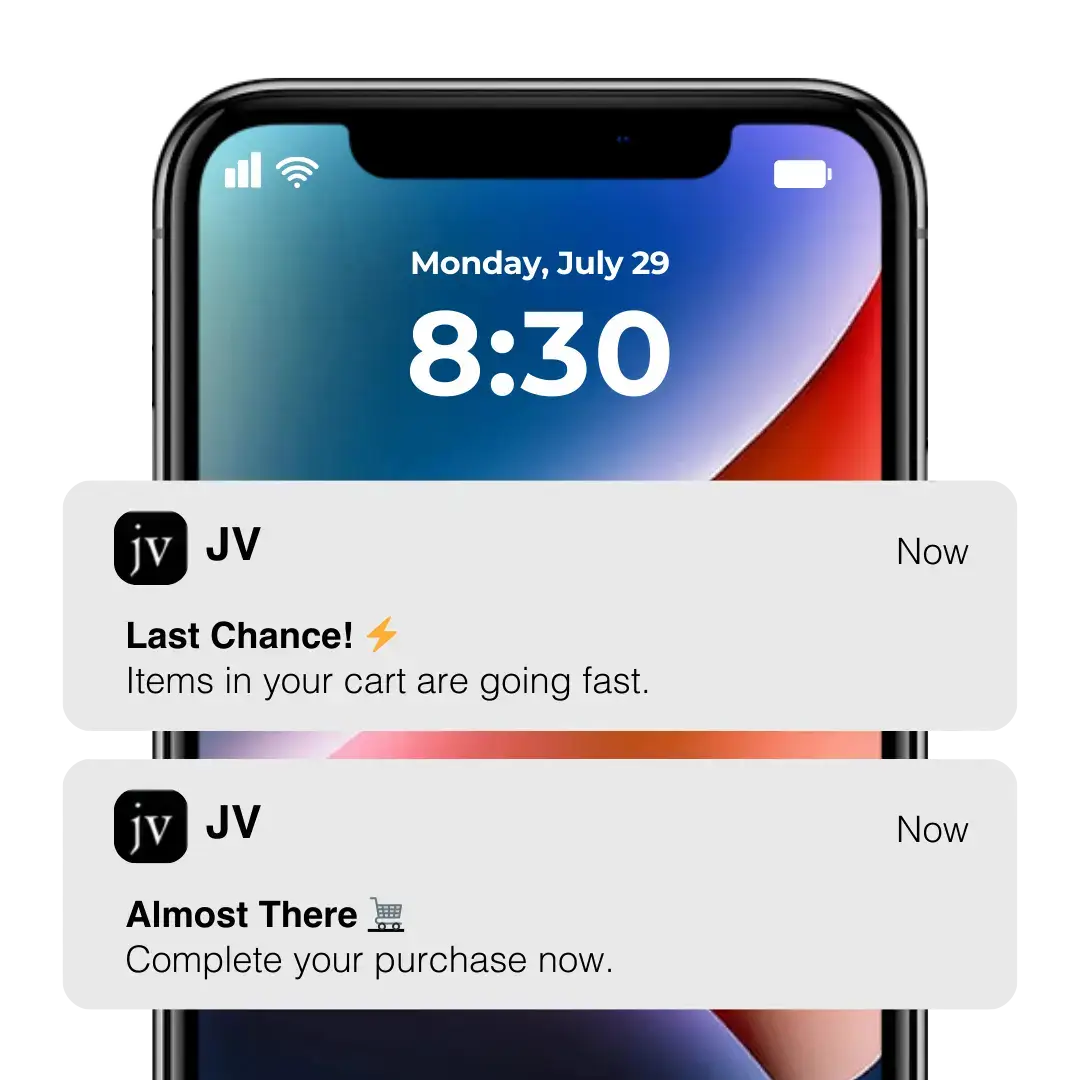
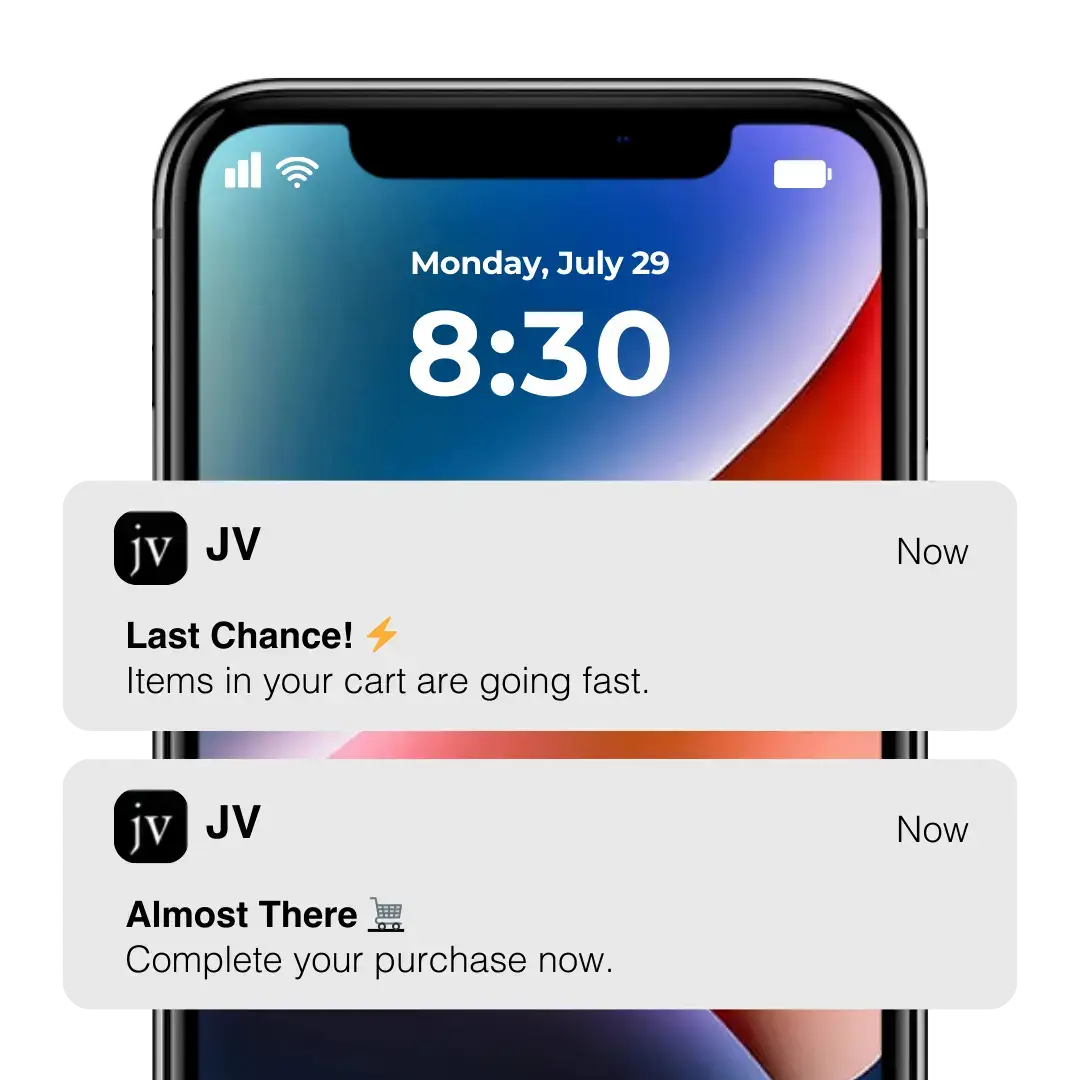
.avif)
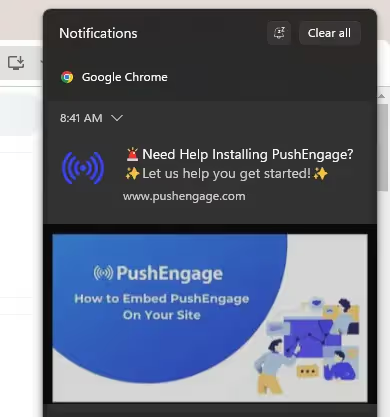
.avif)